
Encapsulating fragile electronic assemblies, printed circuit boards (PCBs), and delicate micro-sensors requires packaging that limits mechanical loads. Higher-pressure thermoplastic molding can damage exposed gold wire bonds and delicate surface-mount components, depending on the assembly and process. Liquid epoxy two-part potting provides gentle encapsulation, but long curing times extending across hours severely restrict daily manufacturing throughput. This technical guide reviews solvent-free hot melt processing, low-stress clamping mechanics, and environmental sealing standards.
Содержание
Инкапсуляция горячим расплавом полиамида для печатных плат, датчиков и жгутов проводов
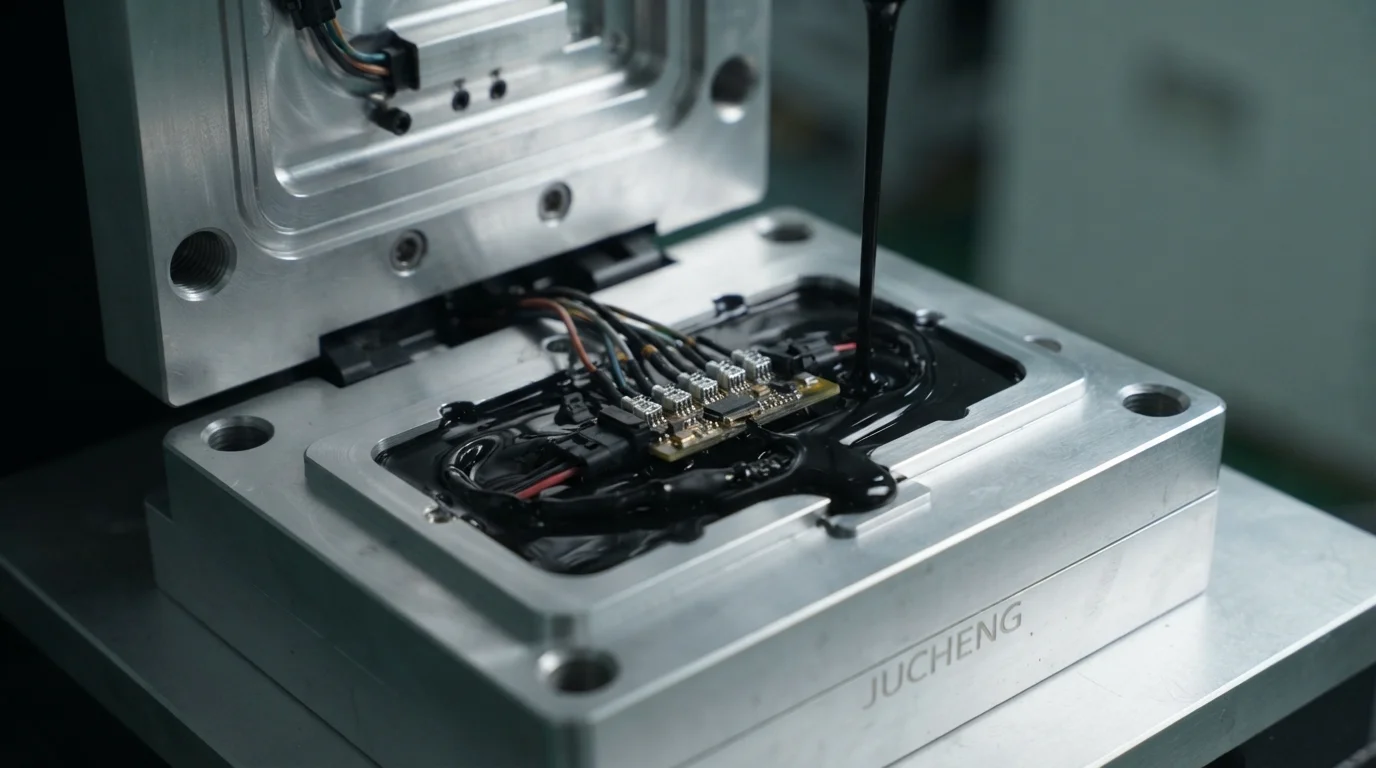
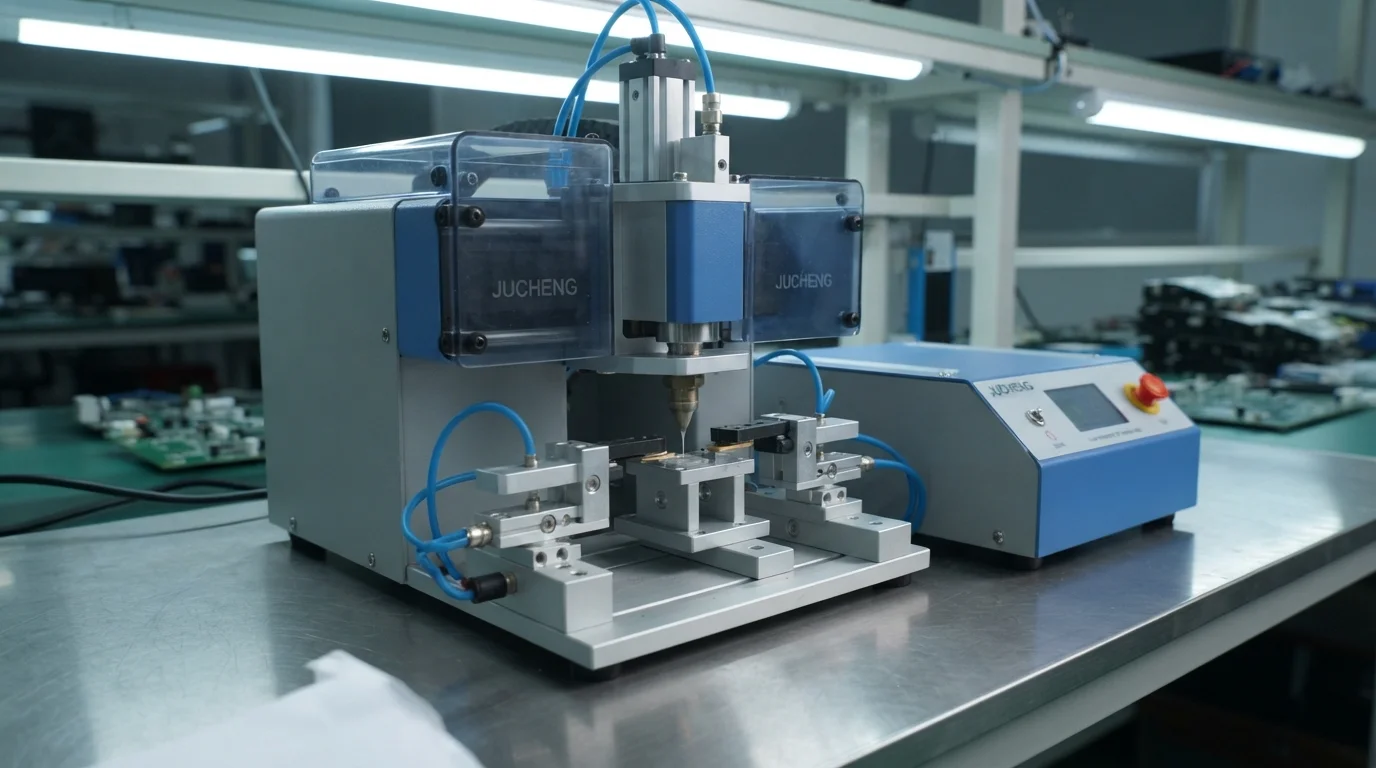
Выполнение бережного литья под низким давлением использует низковязкие полиамидные (ПА) смолы горячего расплава (PA) resins to encapsulate sensitive electronics safely. Injection pressures from 1.5 to 3.0 MPa can reduce mechanical loads on fragile solder joints. Processing temperatures between 190°C and 230°C may be used for some dimer-acid-based polyamides; check the selected grade and verify thermal exposure on the actual circuit board. Single-component dimer polyamides flow freely into complex housing geometries, forming a seamless dielectric jacket. Solidifying within 15 to 45 seconds accelerates assembly speeds compared to liquid potting techniques.
Этапы процесса инкапсуляции под низким давлением включают:
- Подача расплава под низким давлением—Pumping low-viscosity hot melt resin at 1.5 to 3.0 MPa can reduce mechanical loads on surface-mount components; check the actual assembly.
- Теплоотвод алюминиевой формы—Использование легких алюминиевых инструментов быстро охлаждает расплав полиамида, минимизируя время теплового воздействия.
- Прямая герметизация корпуса—Впрыскивание смолы непосредственно на открытые печатные платы исключает необходимость в отдельных внешних пластиковых корпусах.
- Быстрое физическое затвердевание—Охлаждение расплавленного полиамида в течение 30 секунд обеспечивает немедленную последующую обработку и электрические испытания.
Защита хрупкой электроники от давления, влаги и вибрации
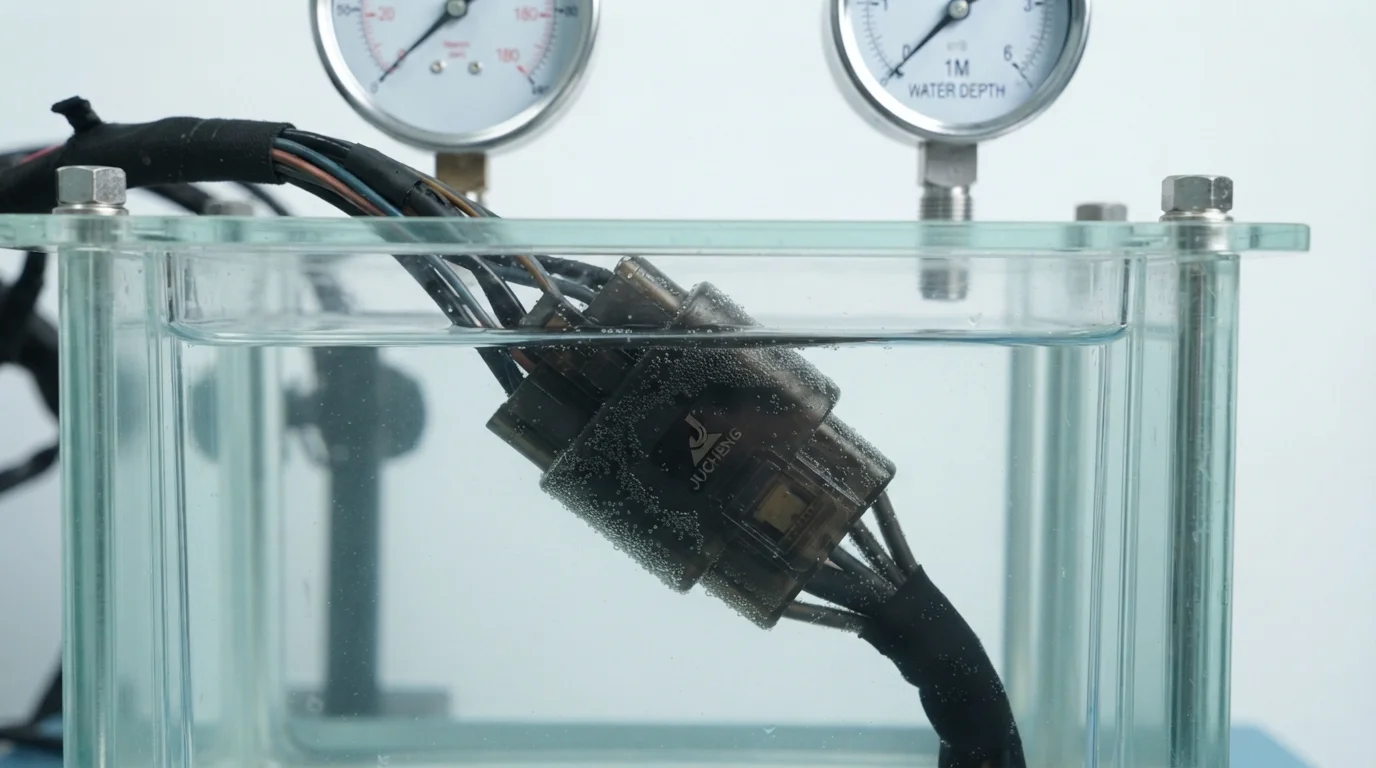
IP67 and IP68 describe the ingress protection of a tested finished enclosure, not a property of low pressure molding. Hot melt adhesion depends on the grade and the actual PCB, cable jacket and connector materials, such as поликарбонат (ПК) or PVC. Check sealing at interfaces on the finished assembly, and evaluate salt spray and automotive-fluid exposure separately where relevant. Elastic properties inherent in hot melt materials absorb mechanical road vibration and prevent flex fatigue along cable strain relief zones. Deploying low pressure molding for electronic sensors safeguards sensitive internal components against thermal shock and mechanical impact.
Водонепроницаемое формование IP67 с низким тепловым напряжением
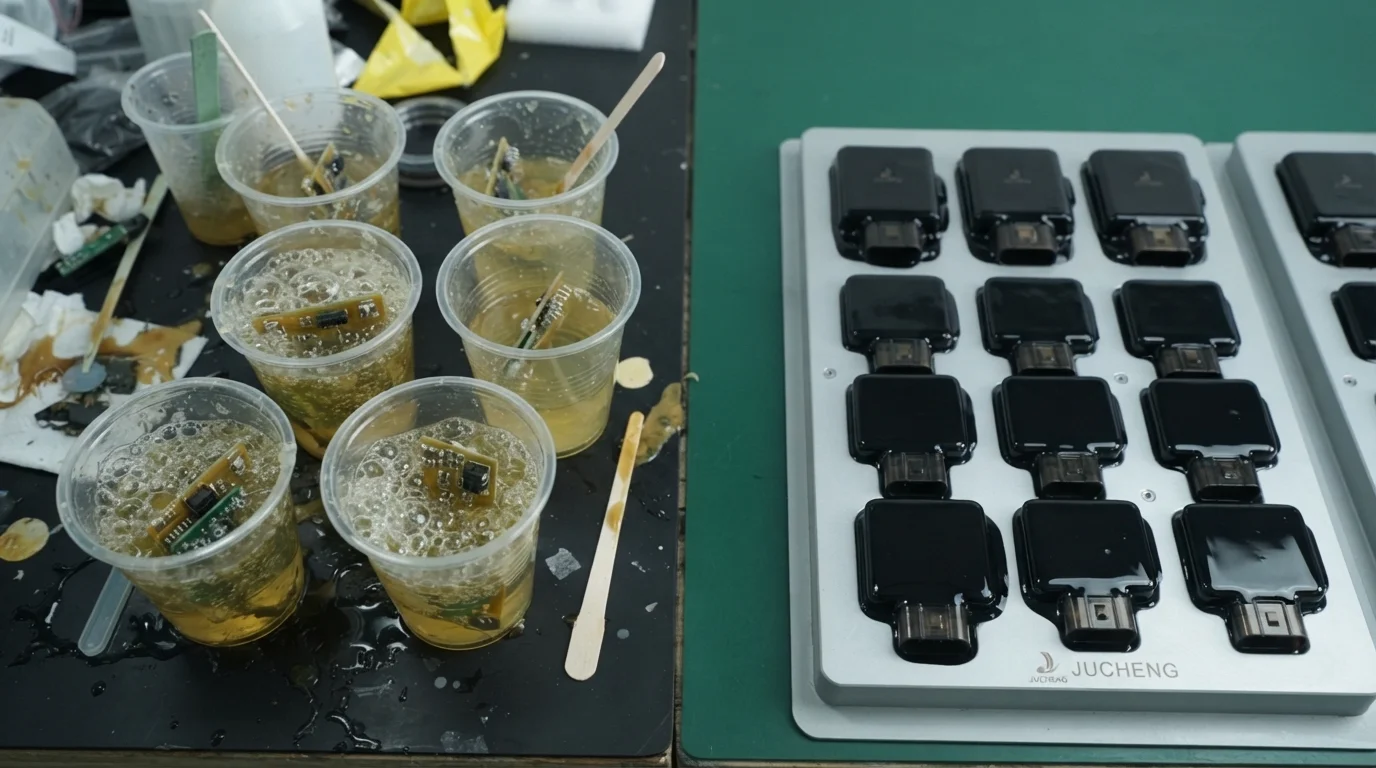
For an IP67 overmolding target, compare low-pressure hot melt and two-part epoxy potting on processing needs and test results for finished assemblies. Liquid potting requires multi-station curing racks, expensive mixing nozzles, and toxic chemical handling procedures that complicate cleanroom operations. Hot melt polyamides are non-toxic, solvent-free thermoplastics that melt and cool through purely physical state changes. Zero curing time eliminates inventory bottlenecks, while low clamp-force machines dramatically cut tooling equipment costs. Low pressure molding can limit mechanical loads during sensor encapsulation, but ingress protection and acceptable thermal exposure must be demonstrated on the finished assembly.
| Технология упаковки | Давление впрыска (МПа) | Время технологического цикла | Класс герметичности окружающей среды | Риск повреждения проволочных соединений |
|---|---|---|---|---|
| Литье под низким давлением (PA термоплавкий клей) | 1,5 – 3,0 МПа | 15 – 45 секунд | Test finished enclosure | Lower molding loads possible; verify bonds |
| Традиционная заливка жидким эпоксидным компаундом | 0,1 – 0,5 МПа (гравитационная/низкая) | 2 – 24 часа (химическое отверждение) | Test finished enclosure | Depends on fill and cure; verify bonds |
| Стандартное литье под высоким давлением | 50 – 150 МПа | 30 – 60 секунд | Test finished enclosure | Higher molding loads possible; verify bonds |
Часто задаваемые вопросы (FAQ)
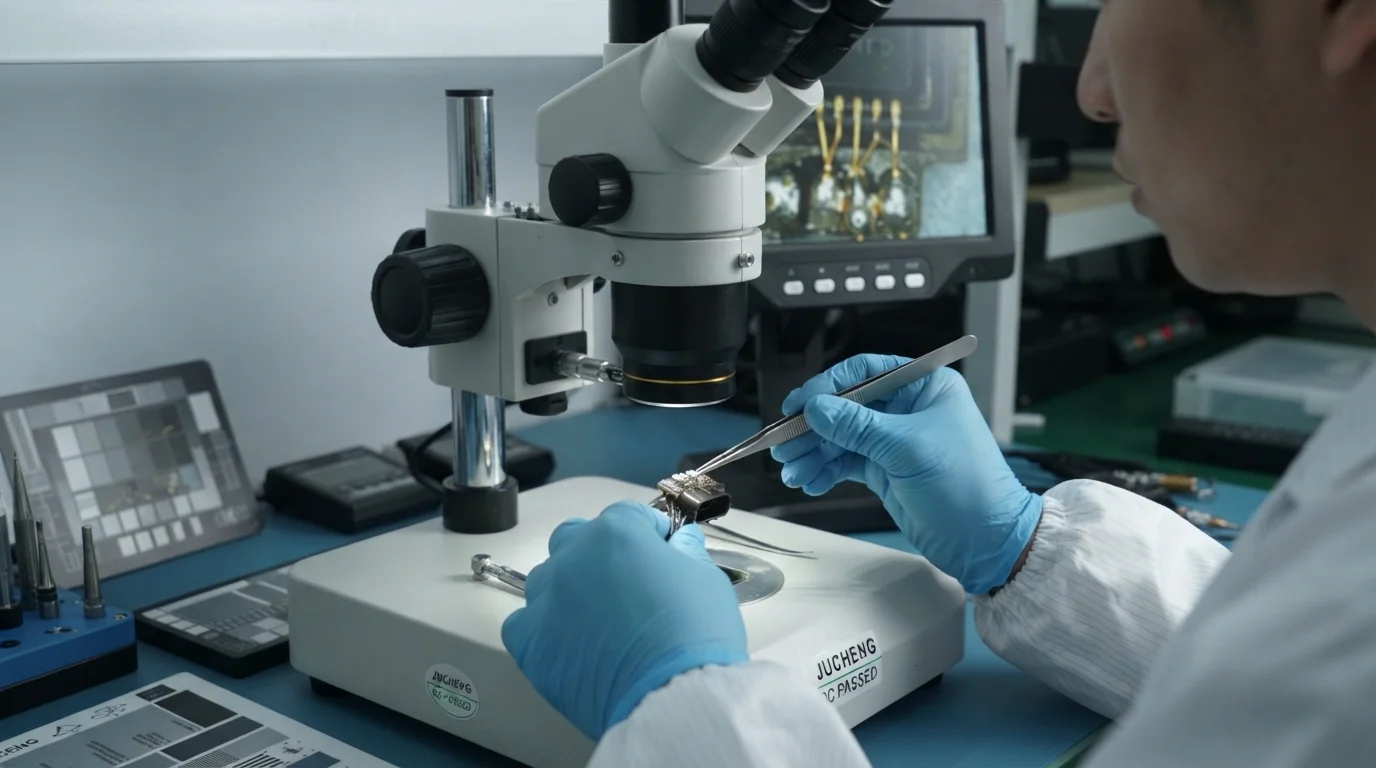
Почему литьё под низким давлением не повреждает хрупкие золотые проволочные соединения на печатных платах?
Low pressure molding operates at injection pressures between 1.5 and 3.0 MPa, which is vastly lower than standard injection pressures exceeding 80 MPa. Lower pressure and a low-viscosity melt can reduce loads on exposed joints and wires, but do not eliminate the risk of damage. Verify bond integrity and electrical function on representative assemblies after molding, and check the thermal exposure of sensitive components.
В чём разница между капсулированием полиамидным горячим расплавом и традиционной заливкой?
Традиционная заливка предполагает заливку жидкой двухкомпонентной эпоксидной смолы или полиуретана в предварительно отформованный внешний пластиковый корпус, что требует нескольких часов для химического отверждения. Литьё под низким давлением впрыскивает полиамидный горячий расплав без растворителей непосредственно на электронику, выполняя функции как корпуса, так и герметика. Физическое охлаждение завершается в течение 30 секунд, что исключает затраты на внешнюю оболочку и ускоряет производственный цикл.
Могут ли датчики, отлитые под низким давлением, пройти испытание на погружение в воду по стандарту IP67?
They can pass if the finished assembly meets the applicable IEC 60529 tests, including its cable exits and connectors as installed. Adhesion after thermal cycling depends on the resin grade, substrates and service profile. If service calls for cycling between -40°C and 125°C, validate that requirement on representative assemblies rather than assuming the bond will hold.