
자동차 구조 설계자와 산업용 포장 엔지니어는 기계적 굽힘 강성을 저하시키지 않으면서 부품 질량을 줄여야 하는 지속적인 압력을 받고 있습니다. 두꺼운 벽을 가진 고체 플라스틱 부품은 국부적인 열 수축으로 인해 보기 흉한 표면 싱크 마크, 높은 내부 응력, 긴 냉각 지연이 발생합니다. 용융 열가소성 수지에 물리적 발포제를 주입하면 내부 가스 압력이 생성되어 체적 수축을 상쇄하면서 부품 중량을 줄입니다. 이 기술 가이드에서는 물리적 초임계 유체 처리, 캐비티 압력 감소 메커니즘, 구조용 폴리머 응용 분야를 검토합니다.
목차
중량 감소를 위한 미세 발포(MuCell) 기술
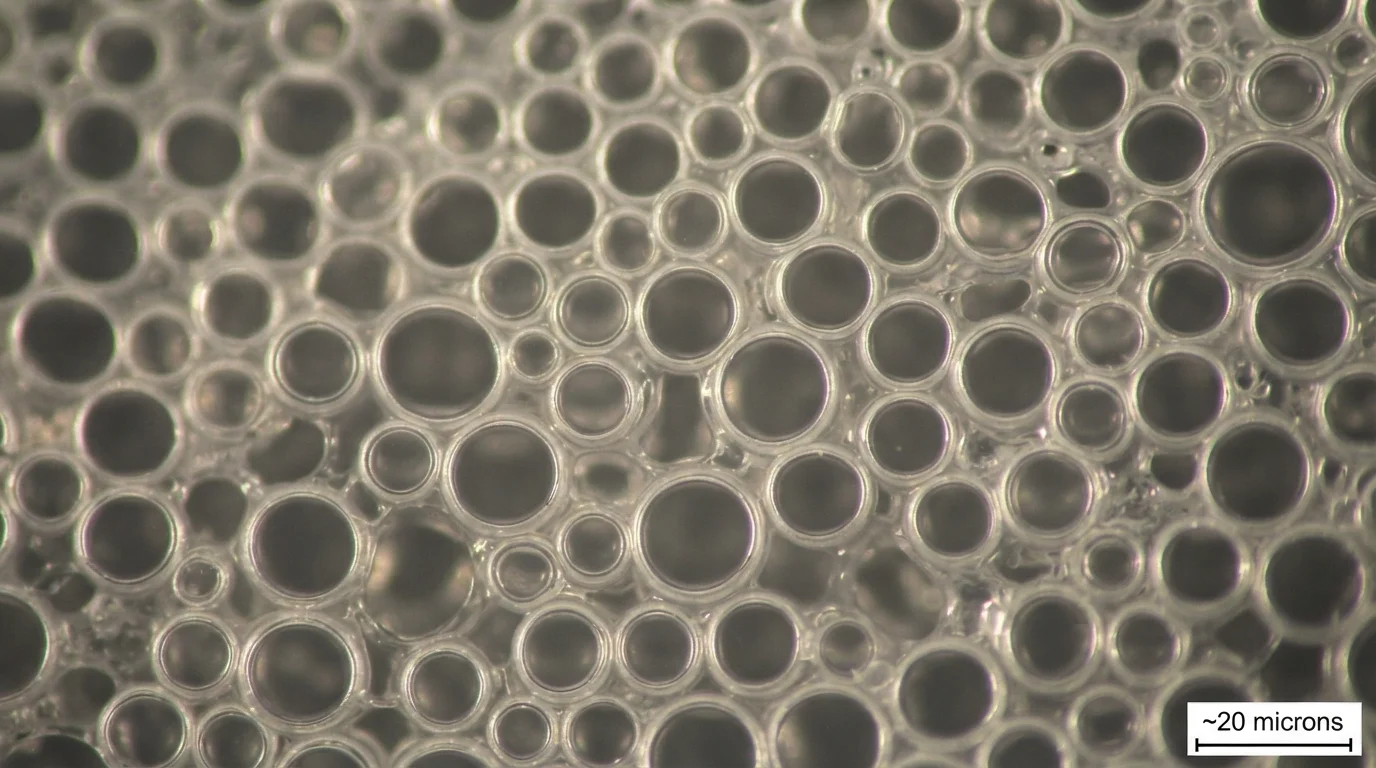
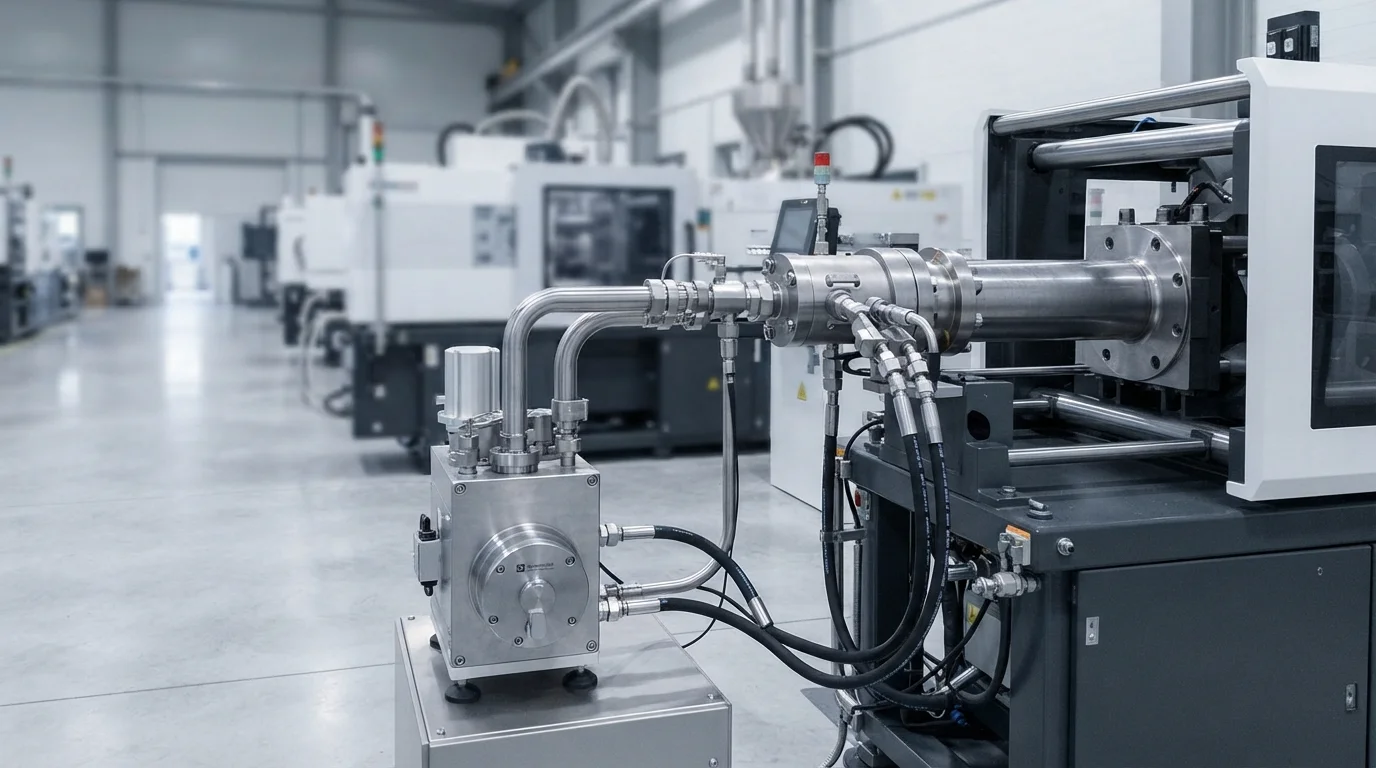
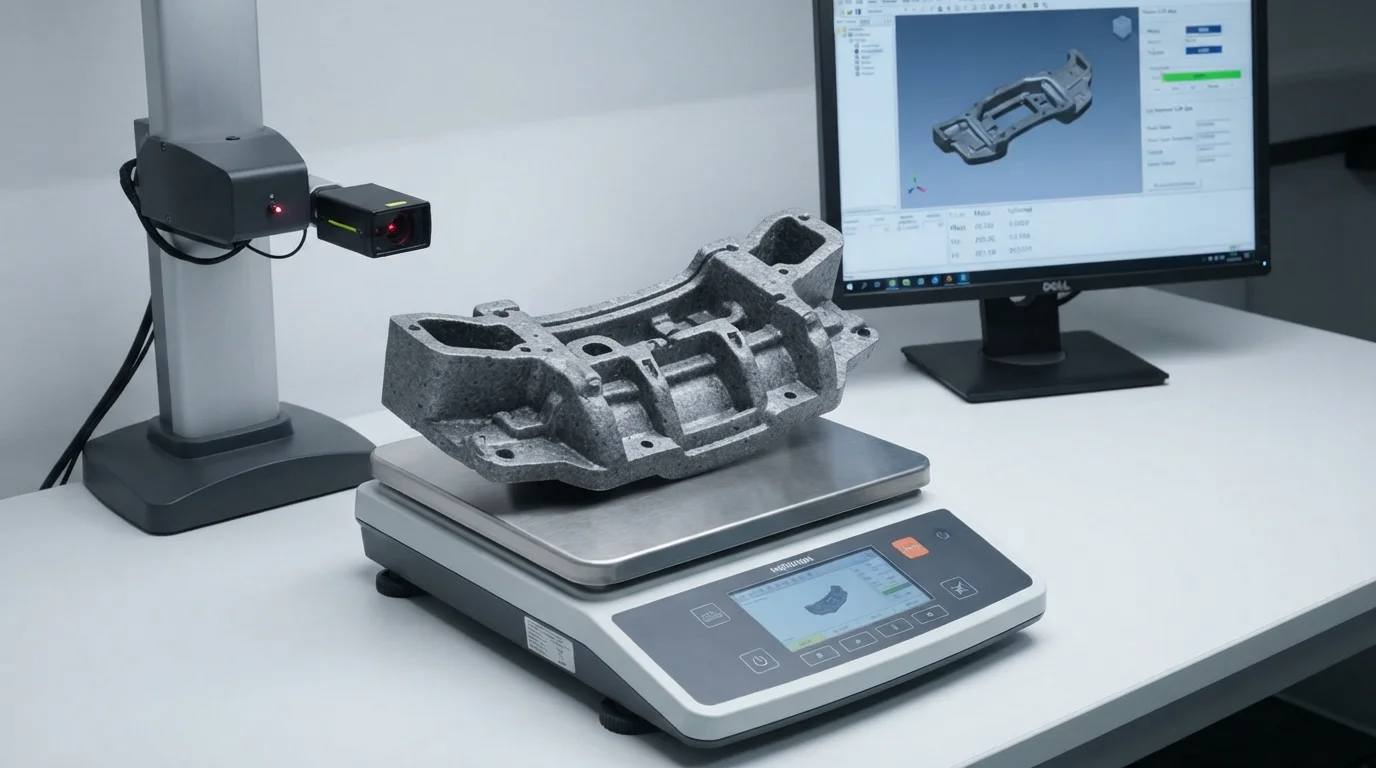
물리적 발포 사출 성형 을 실행하려면 MuCell 기술 을 사용하여 초임계 유체를 폴리머 용융물에 용해시킵니다. 15~25 MPa에서 기계 배럴에 초임계 질소 또는 이산화탄소를 주입하면 단일상 폴리머-가스 용액이 형성됩니다. 단일상 용액이 금형 캐비티에 들어가 급격한 압력 강하를 경험하면 수십억 개의 미세 발포 셀이 즉시 핵 생성됩니다. 5~50 미크론 크기의 폐쇄형 미세 기포를 생성하면 구조적 관성 모멘트를 유지하면서 부품 중량을 10~20% 줄일 수 있습니다. 물리적 초임계 발포는 화학적 부산물 잔류물을 남기지 않아 원료 순도와 재활용성을 보존합니다.
초임계 발포 공정 순서는 다음과 같습니다:
- 초임계 유체 전달—초임계 상태의 질소 가스를 주입하여 폴리머 용융물에 완전히 용해되도록 합니다.
- 단일상 용액 혼합—높은 배럴 압력 하에서 가스와 용융 수지를 혼합하여 균일한 폴리머-가스 용액을 생성합니다.
- 미세 셀 핵생성—용융물이 캐비티에 들어갈 때 압력을 낮추면 수십억 개의 미세 기포가 빠르게 핵생성됩니다.
- 내부 캐비티 팽창—팽창하는 가스 기포가 용융 수지를 금형 벽 쪽으로 밀어내어 고체 스킨과 발포 코어를 생성합니다.
싱크 마크 제거 및 내부 금형 캐비티 압력 감소
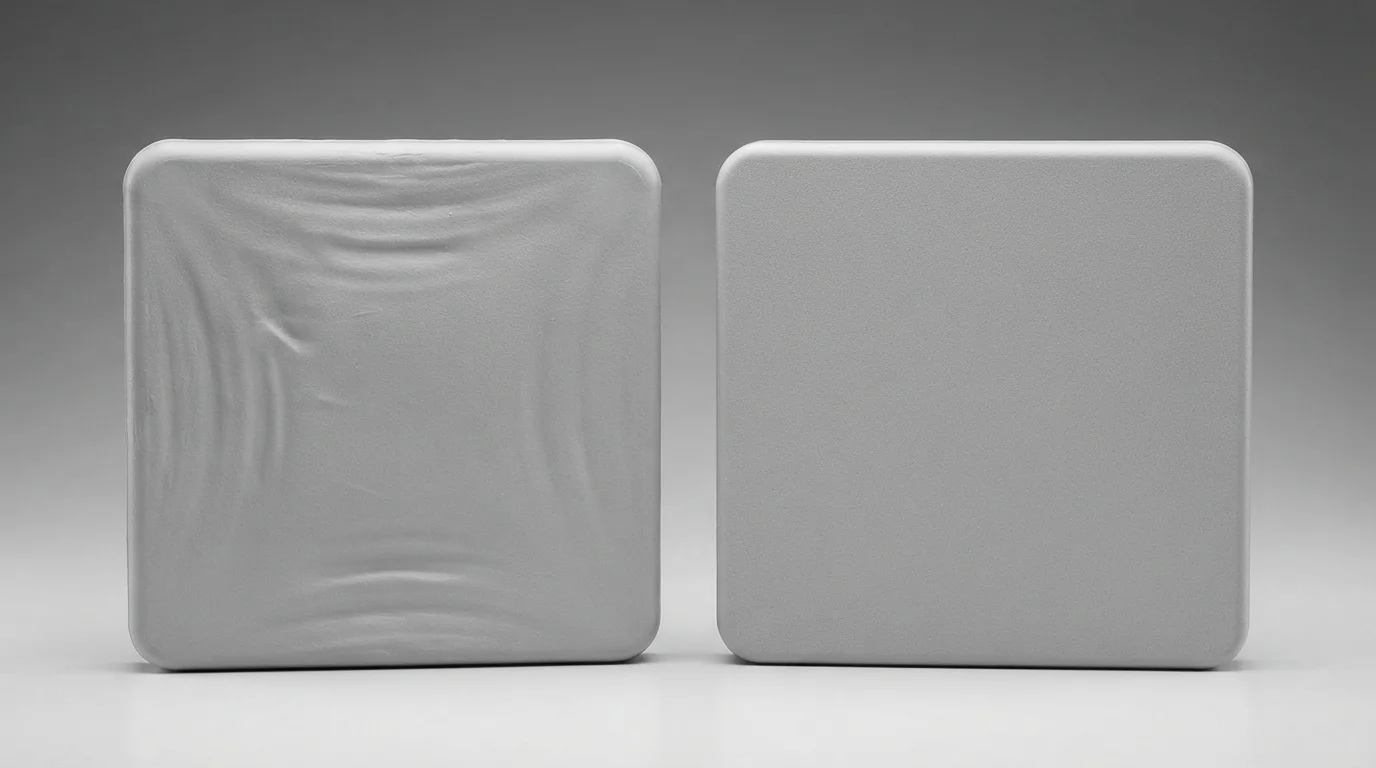
팽창하는 미세 기포는 냉각 단계 전반에 걸쳐 부품 코어 내부에서 연속적인 자체 충전 압력 from inside the part core throughout the cooling phase. Internal gas expansion can help compensate for shrinkage and reduce visible sink over thick ribs, but the result depends on geometry, resin, cell structure and molding conditions. Lowering melt viscosity via dissolved gas permits foam injection molding at 30% to 50% lower cavity pressures than solid molding. Lower cavity pressure can reduce clamp-force demand, but does not by itself eliminate molded-in stress or warpage. Compare these outcomes with a solid-molded baseline and check the finished part against its dimensional and performance requirements.
대형 인클로저 및 자동차 부품용 구조 폼 발포
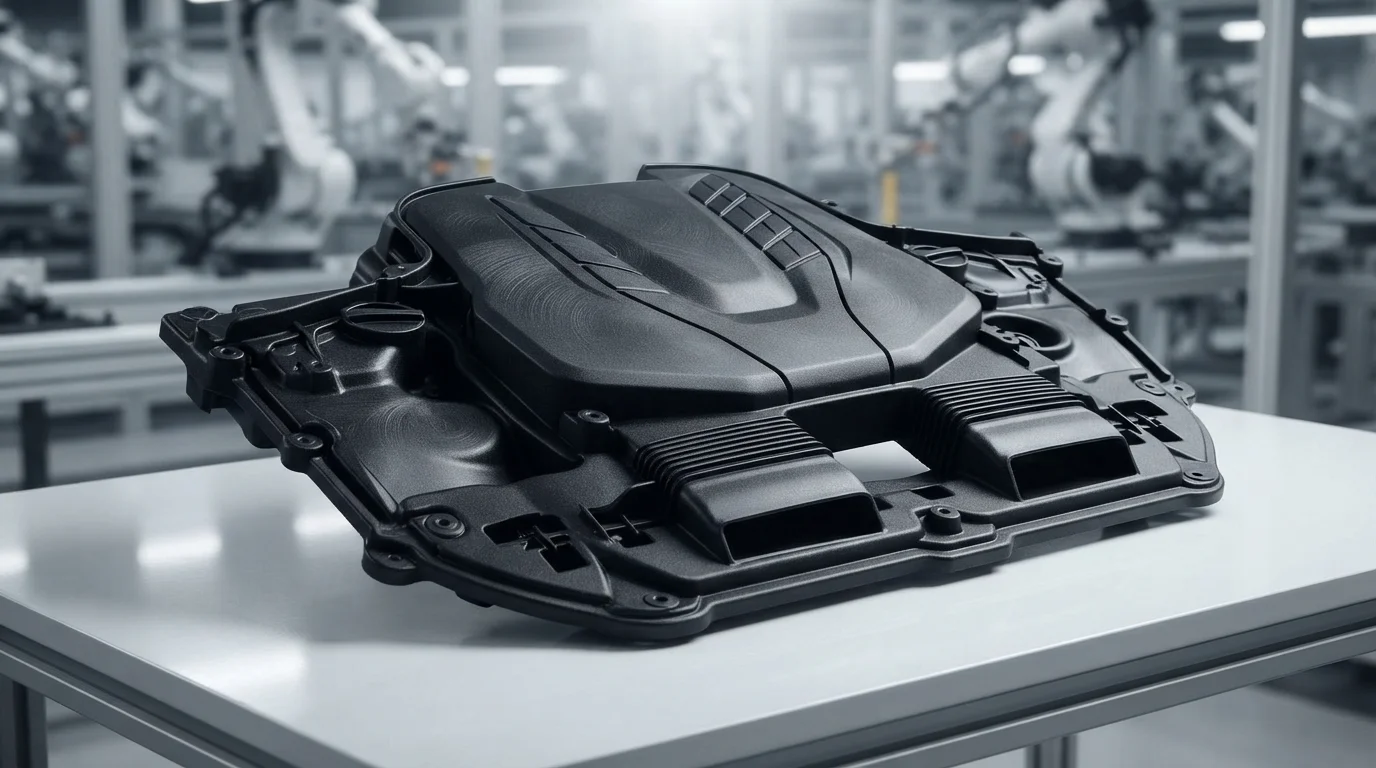
구조 발포는 유리 충전재를 포함한 광범위한 엔지니어링 수지에서 효과적으로 작동합니다. PA66-GF30, 폴리프로필렌(PP), PC/ABS, 및 PBT. Automotive engine covers, dashboard supports and industrial enclosure panels can be candidates for weight reduction. Stiffness, impact and fatigue performance, residual stress and dimensions depend on geometry, resin, cell structure and process conditions. Compare trial parts with a solid-molded baseline and test them against the actual application requirements before qualification.
| 엔지니어링 수지 등급 | 가스제 유형 | 평균 셀 크기 (μm) | 중량 감소 (%) | 주요 발포 응용 분야 |
|---|---|---|---|---|
| PA66-GF30 (Zytel 70G33L) | 초임계 질소 (N2) | 10 – 25 μm | 12% – 18% | 자동차 엔진 슈라우드 및 로커 커버 |
| 폴리프로필렌 (PP-HP500N) | 초임계 N2 / CO2 | 20 – 50 μm | 15% – 25% | 대형 내부 도어 캐리어 및 트렁크 라이너 |
| PC/ABS 합금 (Bayblend) | 초임계 질소 (N2) | 15 – 30 μm | 10% – 15% | 전자 장치 하우징 베이스 플레이트 |
자주 묻는 질문 (FAQ)
물리적 MuCell 발포와 화학적 발포제의 차이점은 무엇인가요?
Physical MuCell foaming dissolves supercritical nitrogen or carbon dioxide gas directly into the melt, creating millions of uniform micro-bubbles measuring 5 to 50 microns. Chemical blowing agents rely on thermal powder decomposition, leaving chemical residues and creating larger, irregular gas voids that compromise mechanical strength. Physical foaming does not inherently improve dimensional stability or impact resistance. Compare the actual molding options against the required dimensions and mechanical test results.
발포 사출 성형은 부품 표면에 소용돌이 자국을 만드나요?
Expanding gas bubbles reaching cold cavity walls can create faint silver swirl marks on unpainted appearance faces. Mold temperature, fill conditions and gas counter-pressure can influence swirl visibility, but no single adjustment guarantees a mark-free surface. Check the appearance on representative molded parts in their specified finished condition, including paint or texture if used.
미세 기포 발포로 얼마나 많은 중량 감소를 달성할 수 있나요?
Illustrative weight-reduction figures are 10% to 20% for structural parts, 8% to 12% for thin-walled parts, or up to 25% for thick housings. These are not guaranteed outcomes or evidence of equivalent performance. Measure mass against the solid-molded baseline and verify the required stiffness, impact and other applicable performance on the finished part. Material savings directly translate to lower part weight and reduced shipping costs.