
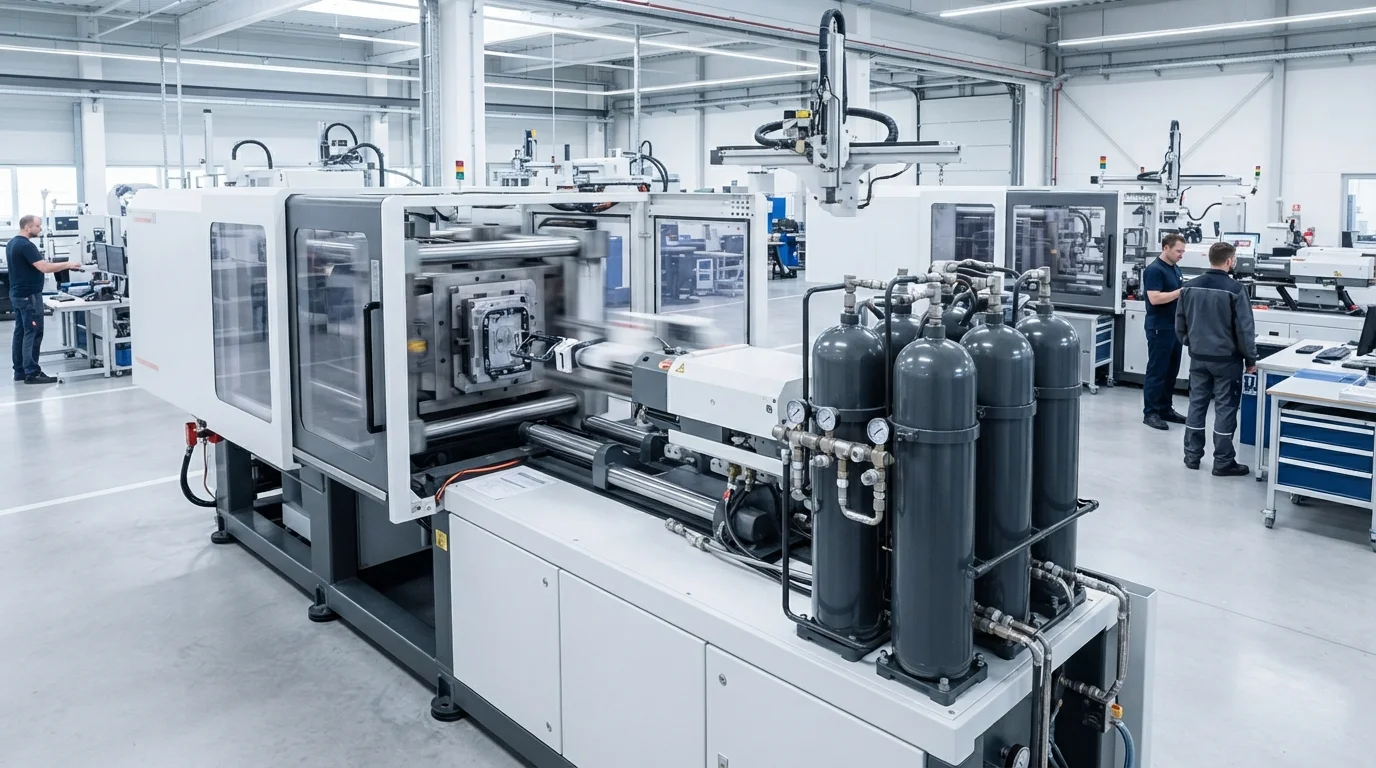
경량 전자제품 인클로저, 의료용 마이크로플루이딕 카드, 전기차 배터리 스페이서를 제조하려면 0.8mm보다 얇은 폴리머 벽을 성형해야 합니다. 표준 사출 성형 기계는 용융 플라스틱이 캐비티 끝에 도달하기 전에 냉각 및 고화되기 때문에 이러한 얇은 단면을 충전할 수 없습니다. 고속 박벽 사출 성형 을 지정하면 초고속 사출 속도가 가능한 어큐뮬레이터 보조 프레스를 활용하여 이러한 물리적 유동 한계를 극복할 수 있습니다. JUCHENG은 특수 고속 생산 셀을 운영하며 고객 CAD 파일에 따라 구조용 박벽 부품을 엄격하게 생산합니다.
목차
높은 L/T 비율 유동 및 어큐뮬레이터 보조 사출 프레스
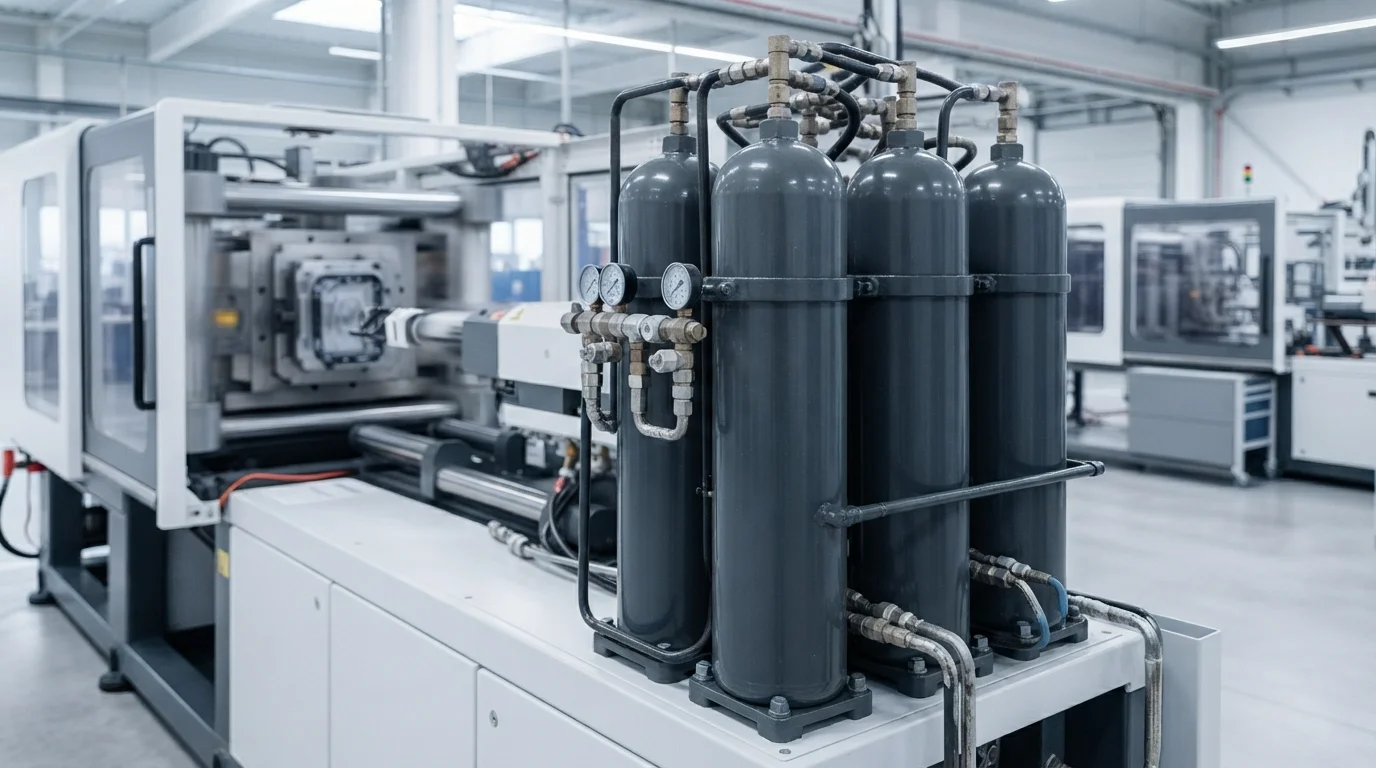
초박형 부품에서 완전한 캐비티 충전을 달성하는 것은 유동 길이와 공칭 벽 두께를 비교하는 L/T 비율에 달려 있습니다. L/T 비율이 150:1 또는 200:1을 초과하면 용융 폴리머는 차가운 강철 금형 캐비티 벽으로 빠르게 열을 잃습니다. 조기 용융 고화를 방지하려면 0.5초보다 빠른 충전 시간이 필요합니다. 당사 생산 시설은 유압 질소 어큐뮬레이터가 장착된 고속 사출 성형 기계를 사용합니다. 질소 어큐뮬레이터는 최대 1,000mm/초의 즉각적인 사출 속도를 제공하여 폴리머 경계층이 고화되기 전에 얇은 캐비티를 패킹합니다.
고속 프레스 작동 표준은 다음과 같습니다:
- 어큐뮬레이터 압력 부스트—가압된 질소를 방출하면 유압 오일이 즉시 구동되어 극한의 사출 가속을 제공합니다.
- 초고속 충전 속도—800mm/초를 초과하는 속도로 용융 수지를 주입하면 경계층이 조기에 응고되는 것을 방지합니다.
- 동적 응답 폐루프 제어—압력 트랜스듀서를 모니터링하여 속도-압력 전환이 즉시 이루어지도록 보장하고 캐비티 과충전을 방지합니다.
- 높은 형체력 안정성—극한의 최고 사출 압력에서도 금형 양쪽을 닫힌 상태로 유지하여 파팅 라인 플래시를 방지합니다.
고유동 수지 및 금형 벤팅 설계
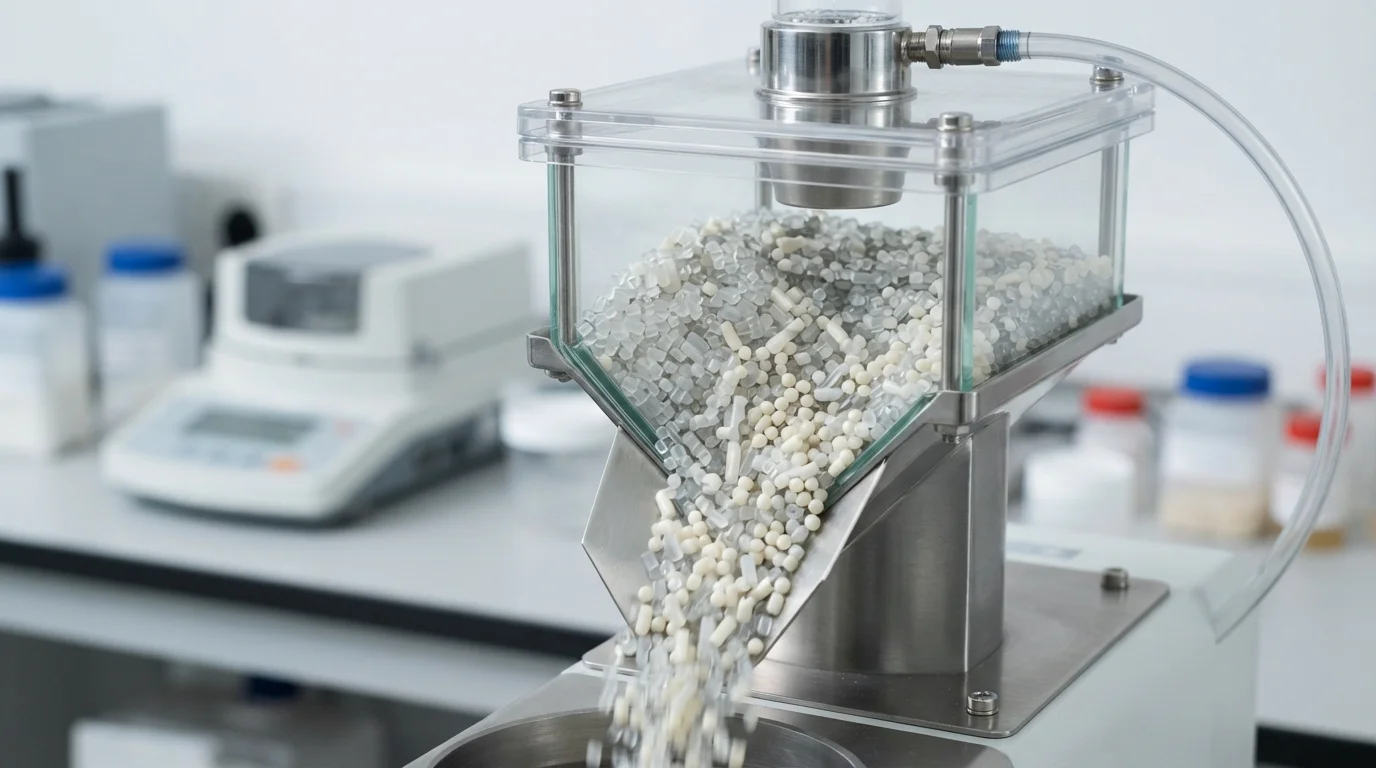
소재 선택은 고속 폴리머 가공에서 중요한 역할을 합니다. 고유동 수지를 배합하려면 높은 전단 속도에서 점도를 낮추기 위해 높은 용융 흐름 지수(MFI)를 가진 폴리머를 선택해야 합니다. 박벽 응용 분야에서 가공되는 일반적인 열가소성 수지로는 액정 폴리머(LCP), 고유동 폴리카보네이트(PC), 그리고 30% 유리 섬유 강화 PA66. 높은 사출 속도는 얇은 캐비티 내부의 공기를 빠르게 압축하여 가스가 빠져나가지 못하면 디젤 연소 효과를 유발합니다. 진공 보조 캐비티 배기와 0.015mm~0.02mm 크기의 마이크로 벤팅 슬롯을 통합하면 플라스틱 플래시를 생성하지 않고 공기가 빠져나갈 수 있습니다.
| 폴리머 수지 등급 | MFI 범위(g/10min) | 최소 벽 두께(mm) | 최대 L/T 비율 | 주요 박벽 응용 분야 |
|---|---|---|---|---|
| LCP (Vectra E130i) | 30 – 70 | 0.20 mm | 250:1 | 마이크로 전자 커넥터 |
| 고유동 PC (Lexan 141R) | 25 – 60 | 0.60 mm | 180:1 | 모바일 기기 프레임 및 하우징 |
| PA66-GF30 (Zytel 70G33L) | 20 – 45 | 0.80 mm | 160:1 | EV 배터리 모듈 스페이서 |
숏 샷, 휨, 싱크 마크 방지
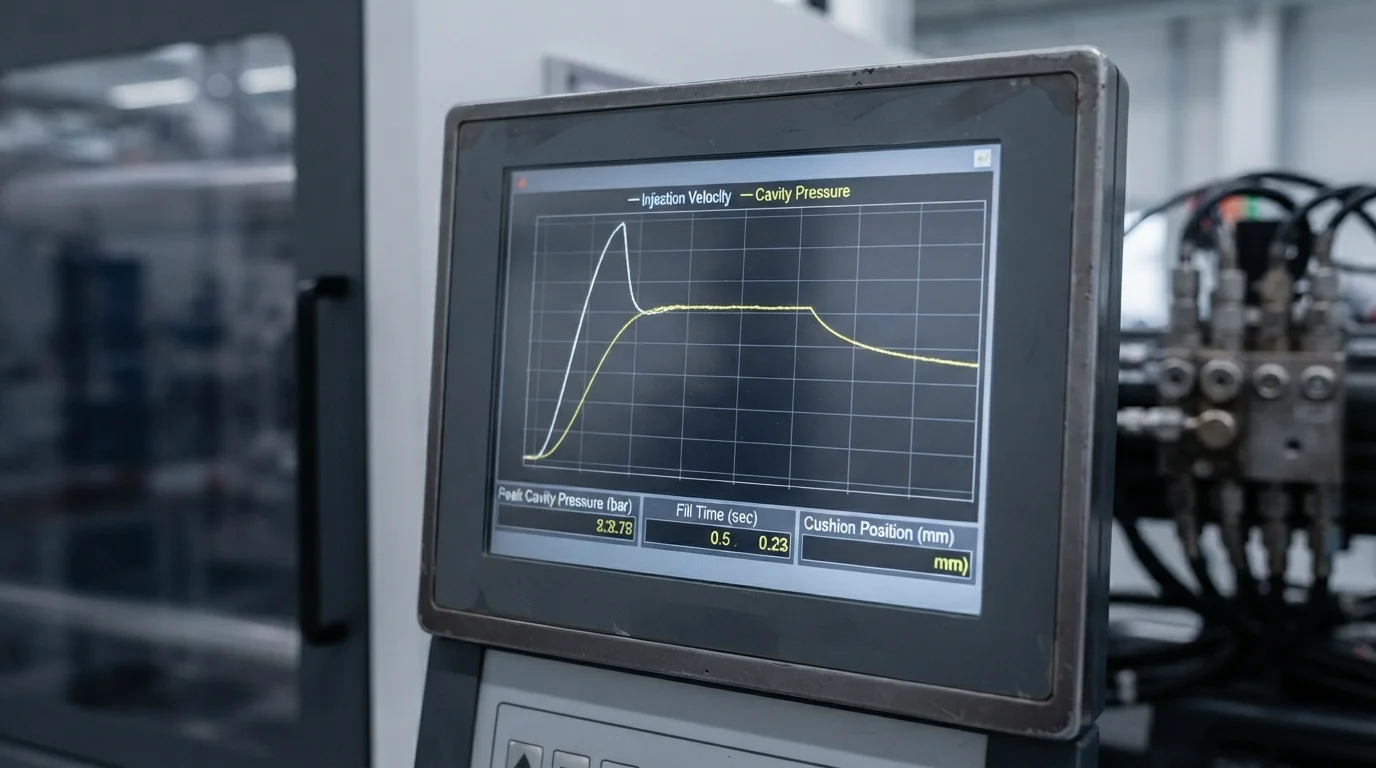
고속 성형 시 공정 안정성은 과학적 성형 방법론에 의존합니다. 실행 디커플링 성형 고속 충전을 패킹 및 보압 단계와 분리하여 정밀한 캐비티 압력 균형을 유지합니다. 숏 샷을 방지하려면 정밀한 용융 온도 제어를 유지하고 가공 전에 수지를 철저히 건조해야 합니다. 고속 충전 중 발생하는 높은 전단 속도는 폴리머 점도를 동적으로 감소시켜 얇은 채널을 통한 흐름을 개선합니다. 냉각 회로 레이아웃을 제어하면 얇은 리브 전체에 균일한 열 추출을 보장하여 성형 후 휨을 제거합니다.
박벽 부품의 품질 관리 프로토콜은 다음을 포함합니다:
- 캐비티 트랜스듀서 로깅—실시간 캐비티 압력 곡선을 모니터링하여 모든 사출마다 일관된 패킹 밀도를 보장합니다.
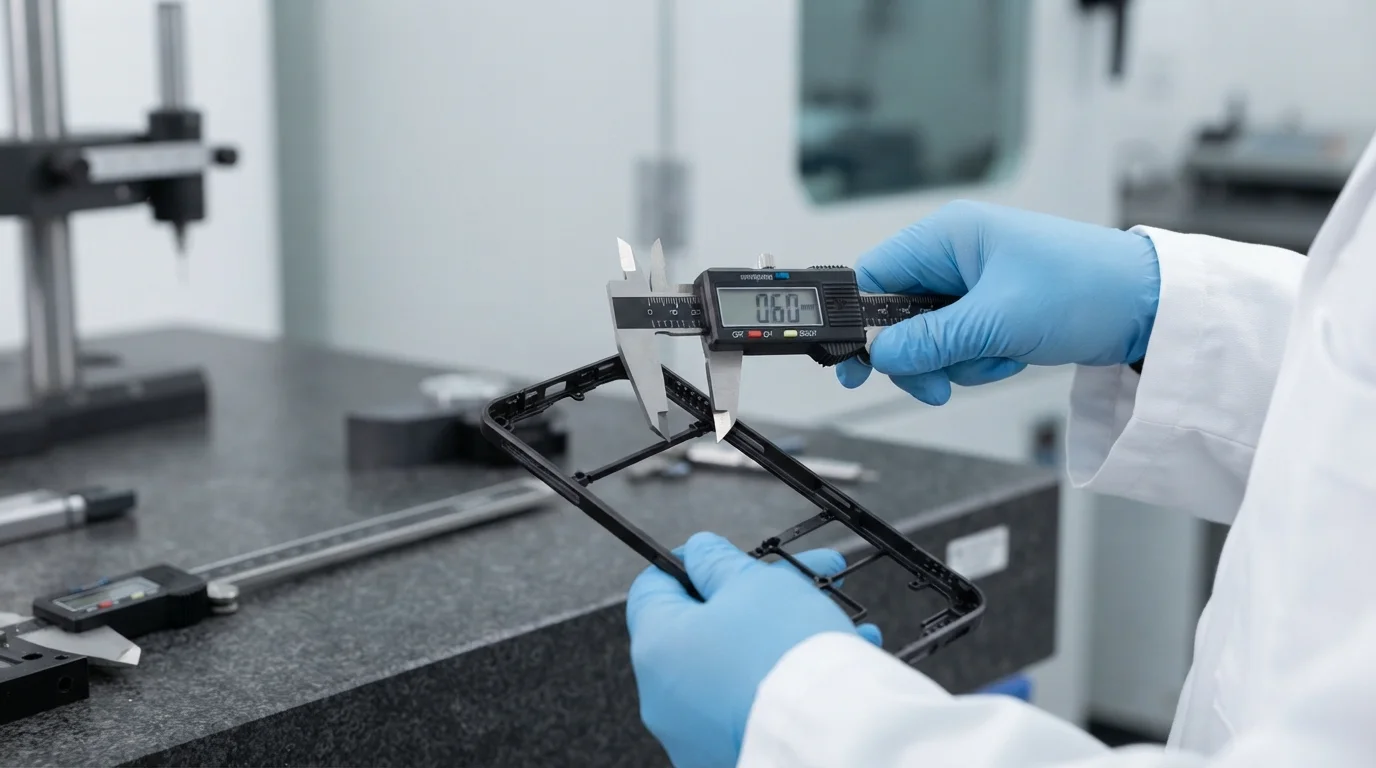
- 레이저 광학 스캐닝—비접촉 광학 검사를 사용하여 부품 평탄도와 벽 두께 치수를 검증합니다.
- 건조제 수분 테스트—원재료 수분을 0.02% 미만으로 유지하여 가수분해 열화와 스플레이를 방지합니다.
자주 묻는 질문 (FAQ)
박육 사출 성형에서 L/T 비율이란 무엇인가요?
흐름 길이 대 벽 두께(L/T) 비율은 용융 플라스틱이 부품 두께 대비 얼마나 멀리 이동해야 하는지를 계산합니다. 150:1을 초과하는 높은 L/T 비율은 폴리머가 응고되기 전에 금형을 충전하기 위해 어큐뮬레이터 보조 고속 사출 프레스가 필요합니다.
어큐뮬레이터 보조 프레스는 표준 사출 성형기와 어떻게 다른가요?
어큐뮬레이터 보조 기계는 가압 질소 탱크를 활용하여 즉각적인 유압 오일 용량을 공급하며, 표준 프레스보다 3배 이상 빠른 사출 속도에 도달합니다. 빠른 사출 속도는 캐비티 충전 중 박육 폴리머 부분이 조기에 냉각되는 것을 방지합니다.
박육 금형 캐비티에서 디젤 번 마크를 어떻게 방지하나요?
디젤 번을 방지하려면 파팅 라인을 따라 0.015mm에서 0.02mm 크기의 정밀 마이크로 벤팅 슬롯을 통합해야 합니다. 진공 보조 캐비티 배기는 사출 전에 툴에서 공기를 빼내어 압축 가스가 점화되는 것을 방지합니다.