
Two-shot injection molding can produce a finished multi-material or multi-color part in one integrated molding cycle, but the process only creates a commercial advantage when the design, materials, volume, and tooling plan justify its added complexity. This guide explains the two shot injection molding advantages and disadvantages that matter to buyers, including where the process creates value, where it introduces risk, and how to decide if it fits your project. For a supplier-level overview, see our Two-Shot Injection Molding service.
Two-Shot Injection Molding Explained
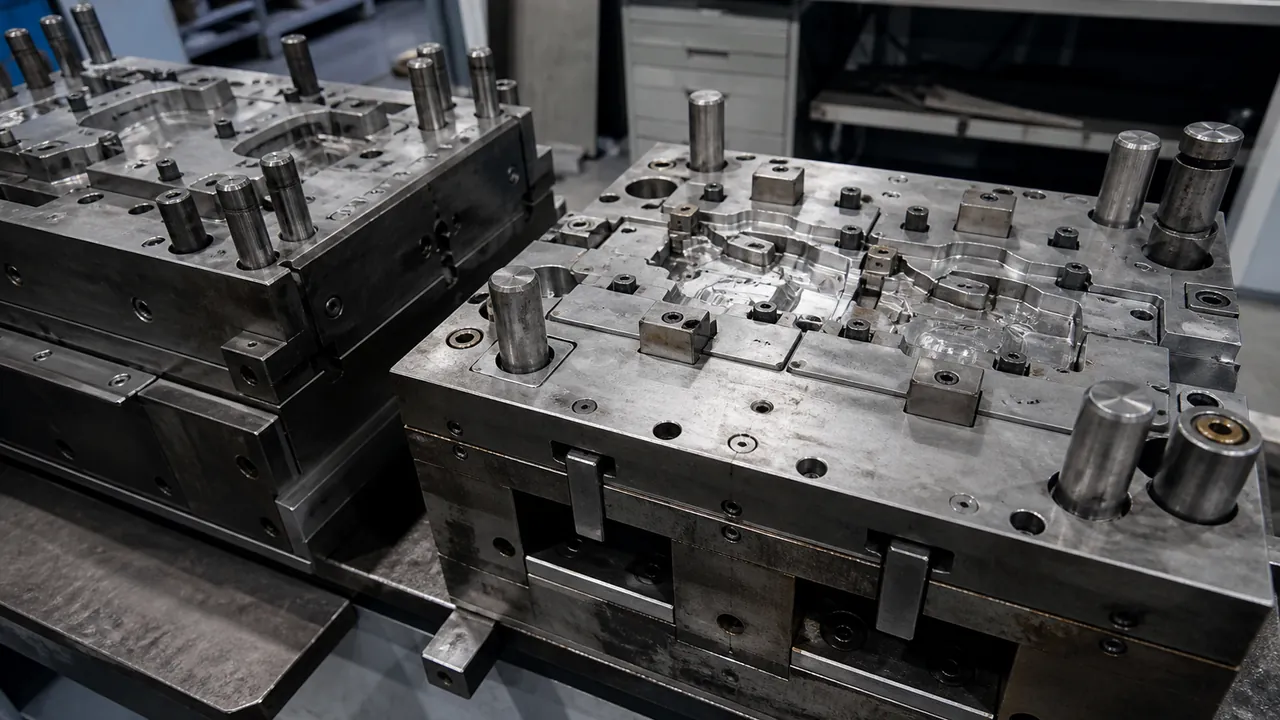
Two-shot injection molding, also called 2K or double-shot molding, uses two injection units or two material shots to form one component. For the sequence from the first shot through transfer and the second shot, see our step-by-step two-shot injection molding process guide. The first shot creates a substrate. The mold then indexes, rotates, or transfers that substrate to a second cavity, where another resin or elastomer is molded onto a defined surface.
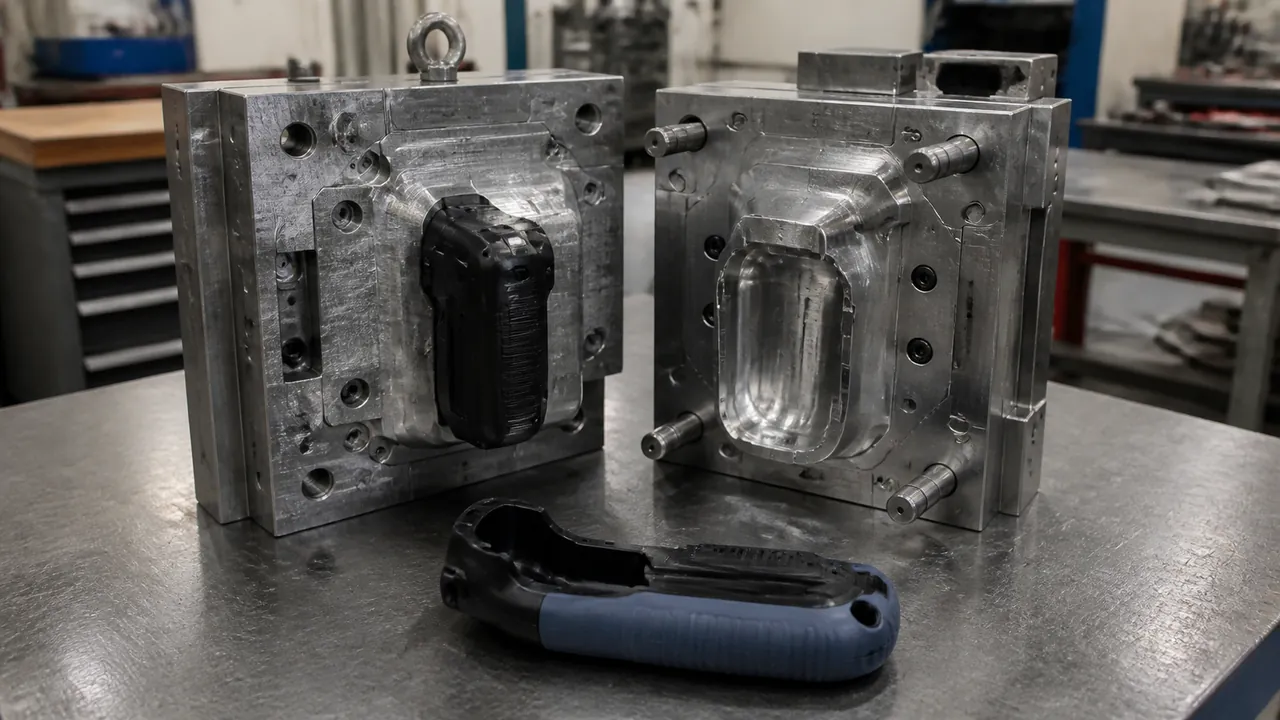
Unlike a simple two-color decoration, the second shot can add a functional feature: a soft-touch grip, a sealing lip, a wear surface, a contrasting user interface, or a rigid second resin. The finished part leaves the mold as one assembled component.
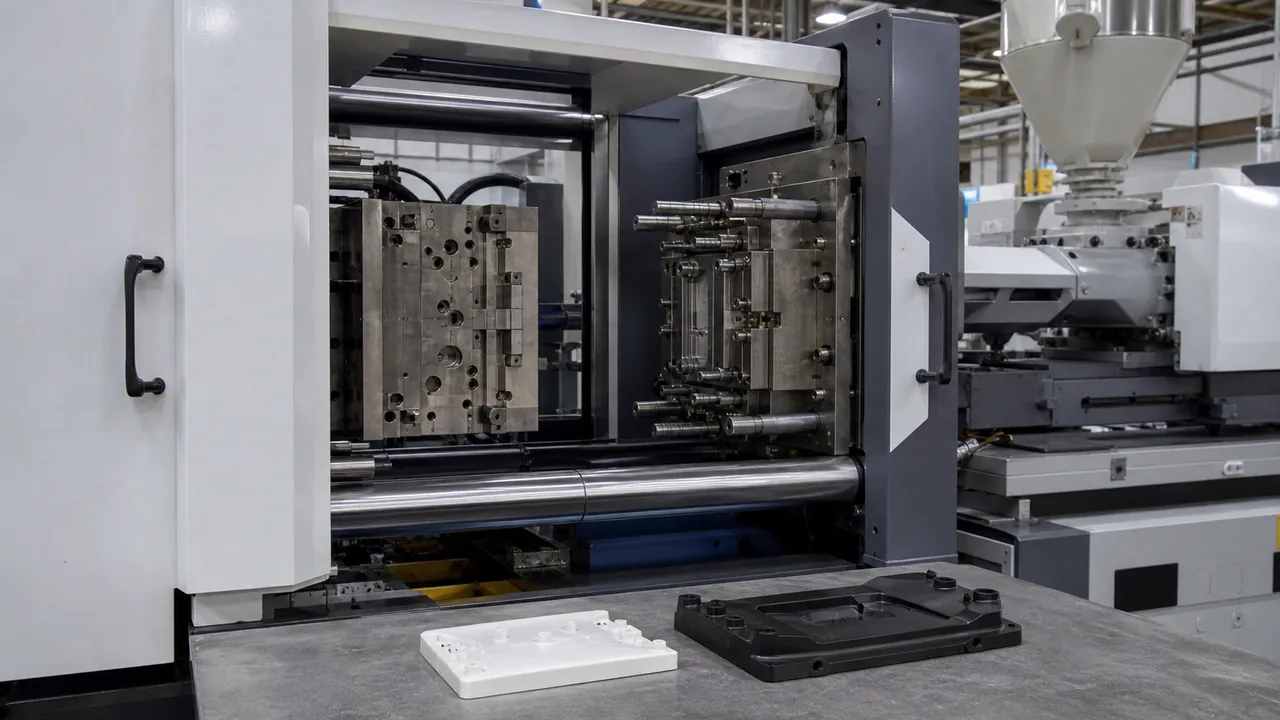
The process should be evaluated as a complete manufacturing system. Mold design, machine configuration, polymer compatibility, cooling, shrinkage, cycle balance, inspection, and expected volume all influence whether the benefits outweigh the investment. Two-shot molding is not one fixed mold layout: depending on the part geometry and material sequence, the first-shot substrate may be indexed on a rotary platen or rotary table, formed with a core-back action, or transferred within the tool. These arrangements affect machine configuration, mold mechanics, cooling access, ejection, and validation planning, so buyers should confirm the intended arrangement before comparing quotations.
Advantages: Where Two-Shot Molding Creates Value
Assembly Reduction
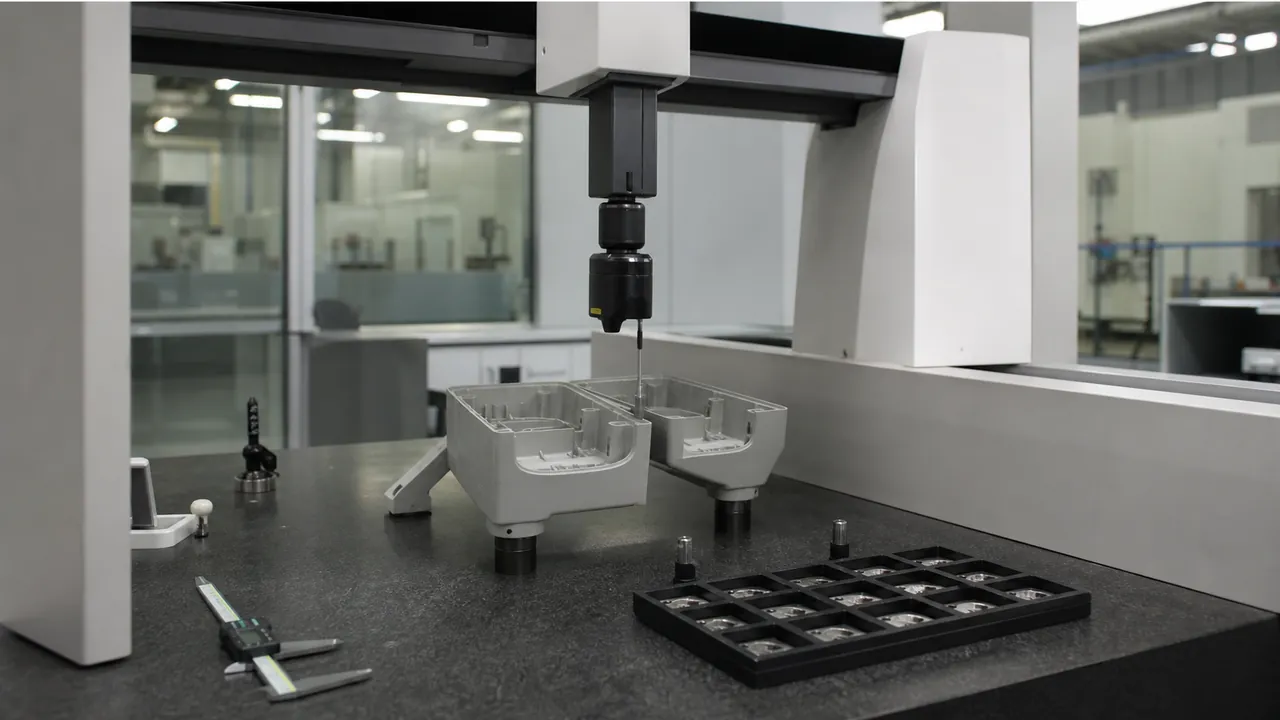
Two-shot molding can consolidate two molded components and remove separate handling, alignment, adhesive application, ultrasonic welding, or manual assembly. The saving is strongest when the second material must be accurately registered to the first part and the production volume is large enough to amortize the tooling.
Part Consistency
Both shots are controlled within one molding system, so the relationship between the substrate and the second material is established by the mold rather than by a separate assembly operation. This can improve alignment, sealing geometry, cosmetic registration, and repeatability. It does not eliminate variation: molding conditions, material moisture, tool temperature, and shrinkage still need process control.
Functional and Ergonomic Benefits
Combining a rigid resin with a softer or chemically different material allows designers to add grip, cushioning, sealing, insulation, or tactile feedback without a separate part. This is useful for handles, controls, medical housings, consumer products, and industrial components where the user interacts with more than one surface.
Total Cost per Part
At production volume, one integrated cycle may reduce labor, secondary fixtures, work-in-process inventory, and assembly defects. The important distinction is total cost per finished part, not mold cost alone. A two-shot project can have a higher upfront tooling cost while delivering a lower landed cost after the production break-even point. A practical break-even estimate is the additional two-shot tooling investment divided by the per-part savings from avoided assembly and secondary operations.
Design and Appearance Flexibility
Two-shot molding supports controlled color separation, soft-touch zones, transparent windows, protective skins, and material transitions that are difficult to achieve with a single resin. It can also consolidate a part family into a more recognizable, finished product. The design still needs draft, shutoff, gate, vent, and material-flow decisions for each shot.
Disadvantages: Tooling, Materials, and Process Risk
Tooling Cost Drivers
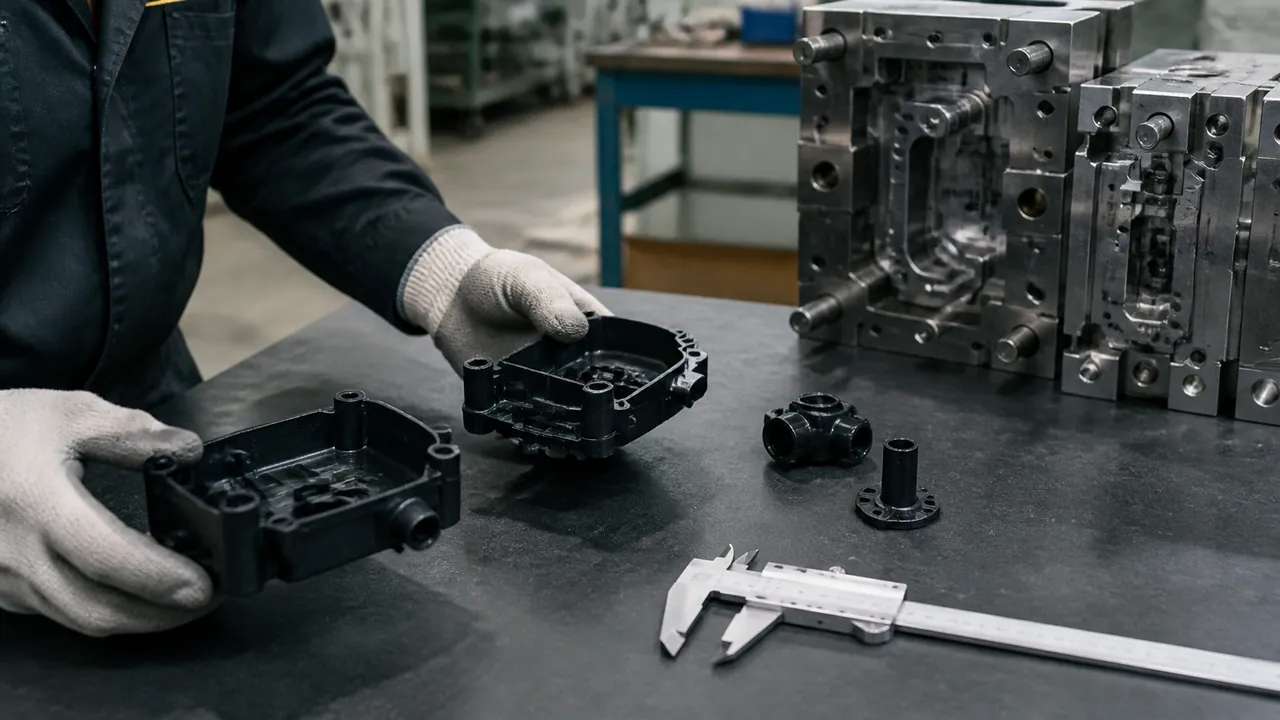
A two-shot mold must register both shots, manage two material flow paths, and preserve the correct interface after indexing or transfer. It may require rotary hardware, additional slides or shutoffs, more cooling circuits, and tighter coordination between mold components. That engineering effort increases design, machining, sampling, and maintenance costs. For an example of Jucheng’s in-house tooling and injection molding infrastructure, see our Facility page.
Material Compatibility Constraints
Material selection should be specified by grade, not just resin family. A common design pairs a rigid substrate with a TPE, TPU, or SEBS-based elastomer for grip or sealing; another pairs two rigid resins for a colored or functional zone. These examples are not universal matches. Melt-temperature exposure, shrinkage, surface chemistry, hardness, moisture, and service environment determine whether chemical adhesion, mechanical interlocking, or a separate assembly method is appropriate. Before tool release, confirm the proposed grades through the material selection and sample validation process described in our two-shot material compatibility guide.
Small-Batch Economics
The specialized mold and machine setup create a higher fixed cost. For prototypes, frequent engineering changes, or small production runs, separate molding and assembly can be easier to modify and may cost less overall. The right comparison is a volume-based cost model that includes tooling, setup, scrap, labor, and quality inspection.
Change Management After Tooling
A change to the first-shot geometry can affect transfer surfaces, the second-shot cavity, wall thickness, gate balance, and mold alignment. Late changes may therefore require coordinated tool revisions instead of a simple insert change. Early design-for-manufacturing review is one of the most effective ways to control this risk.
Equipment and Process Expertise
The machine must support the required injection sequence, mold orientation, shot sizes, and material temperatures. The manufacturing team also needs experience with process development, mold trials, bonding evaluation, flash control, and inspection of the material interface. A capable supplier is part of the process design, not only the production step.
When Two-Shot Molding Is the Better Choice
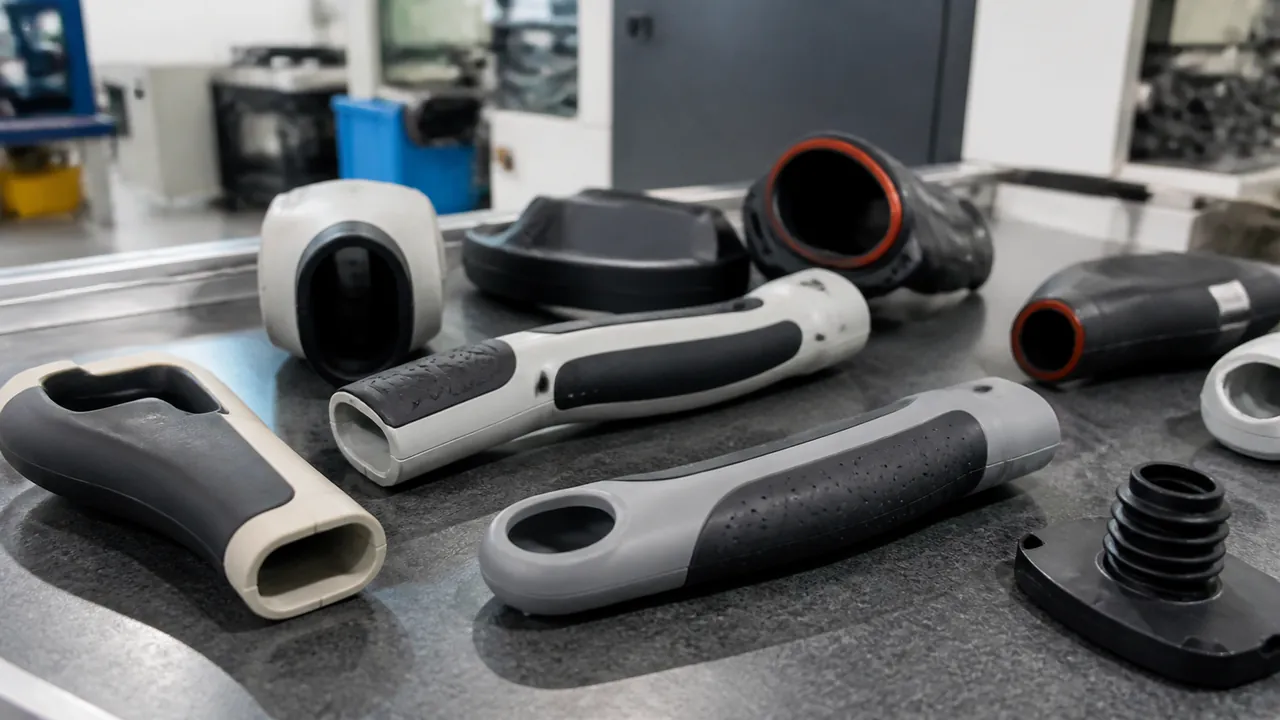
Two-shot molding is usually worth serious consideration when the second material is functional, the interface must be precisely registered, the part will be produced at a meaningful volume, and the design is stable enough to justify dedicated tooling.
| Project condition | Two-shot molding fit | Why |
|---|---|---|
| High volume and repeatable design | Strong | Tooling and machine investment can be spread across many parts. |
| Rigid and soft zones in one component | Strong | Part consolidation can improve function and remove assembly. |
| Small batch or frequently changing prototype | Weak | Flexible separate operations may reduce fixed cost and change risk. |
| Materials with uncertain bonding | Conditional | Compatibility and validation must be proven before tool release. |
| Cosmetic color contrast only | Conditional | Compare two-shot tooling with simpler color, coating, or assembly options. |
Two-shot molding is not automatically better than overmolding or other multi-material methods. Buyers who need a direct process and cost comparison can review our overmolding vs two-shot molding comparison. The best choice depends on whether the second shot can be completed in the same cycle, whether the substrate needs to be repositioned, and whether the expected assembly savings justify the added tooling and equipment.
Risk Controls for a Production-Ready Program
- Define the job of each material. Specify hardness, temperature exposure, chemical contact, wear, grip, sealing, or appearance before choosing the resin pair.
- Review the interface early. Use DFM to check bonding area, mechanical locks, draft, shutoffs, venting, gates, wall transitions, and shrinkage compensation.
- Validate with representative samples. Test adhesion, dimensional stability, appearance, flash, warpage, and environmental performance using the proposed materials and process conditions.
- Model the break-even volume. Compare two-shot tooling and cycle cost with separate molding, assembly, fixtures, labor, scrap, and inspection.
- Plan inspection around the interface. A finished part can look correct while failing at the bond line, so define destructive or functional tests where the application requires them.
For a production program, a supplier should be able to discuss machine layout, material compatibility, mold indexing or transfer, expected cycle balance, inspection method, and tooling maintenance before quoting. Jucheng Injection Molding supports prototype-to-production programs with DFM review, multi-material molding, and in-house tooling coordination. Its documented 品質管理ワークフロー describes incoming, first-article, in-process, final, and outgoing checks for customer-specific requirements.
Buyer Checks Before Requesting a Quote
Cost Compared With Standard Molding
Compared with standard single-material molding, two-shot tooling and setup are usually more expensive, but the total cost per finished part can be lower at sufficient volume because the process can reduce assembly and handling. A project-specific cost model is needed to identify the break-even point.
Key Technical Risk
Material-interface failure is one of the most important risks. It can be reduced by selecting compatible materials, designing mechanical interlocks where appropriate, controlling process conditions, and validating the bond under real service conditions.
Prototype Suitability
Two-shot molding can be used for prototypes, but it is not always the most economical route. If the geometry or material pair is still changing, prototype overmolding, insert methods, or other flexible processes may be better until the design is stable.
Quote Package Requirements
Provide the 3D CAD model, 2D drawing, material and hardness targets, color requirements, annual volume, surface finish, critical dimensions, testing requirements, and any existing assembly or failure data. These details help the supplier evaluate tooling and process risk accurately.