
High-precision healthcare and automotive applications increasingly require flexible components capable of withstanding extreme thermal cycles and chemical exposure. Traditional thermoplastic elastomers often soften or suffer permanent compression set when exposed to continuous heat above 120°C. Specifying Liquid Silicone Rubber (LSR) Injection Molding solves these performance limitations by utilizing platinum-cured liquid silicone formulations that retain elasticity from -50°C to over 200°C. JUCHENG operates as a vertically integrated contract manufacturer delivering flash-free liquid silicone components strictly according to customer CAD files.
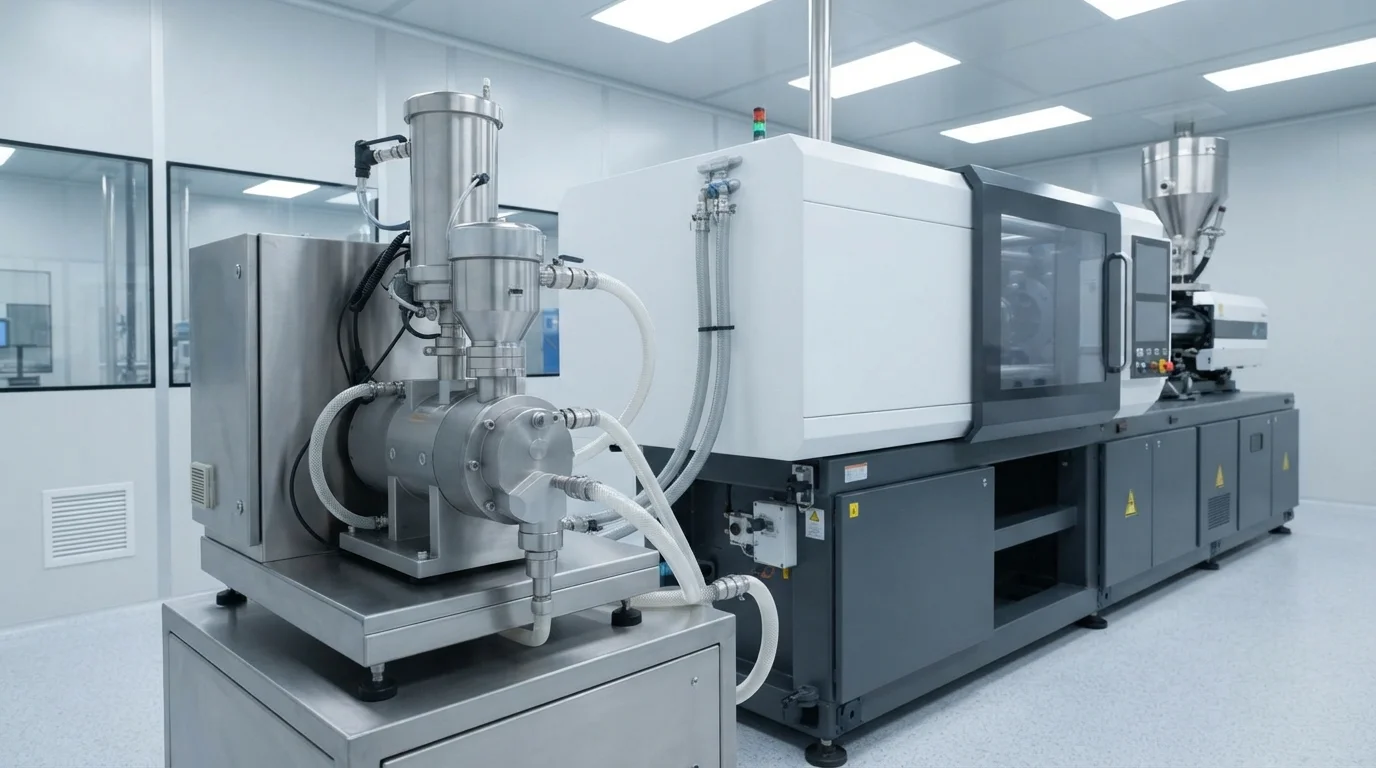
Table of Contents
Cold Runner Systems & Flash-Free LSR Tooling Design
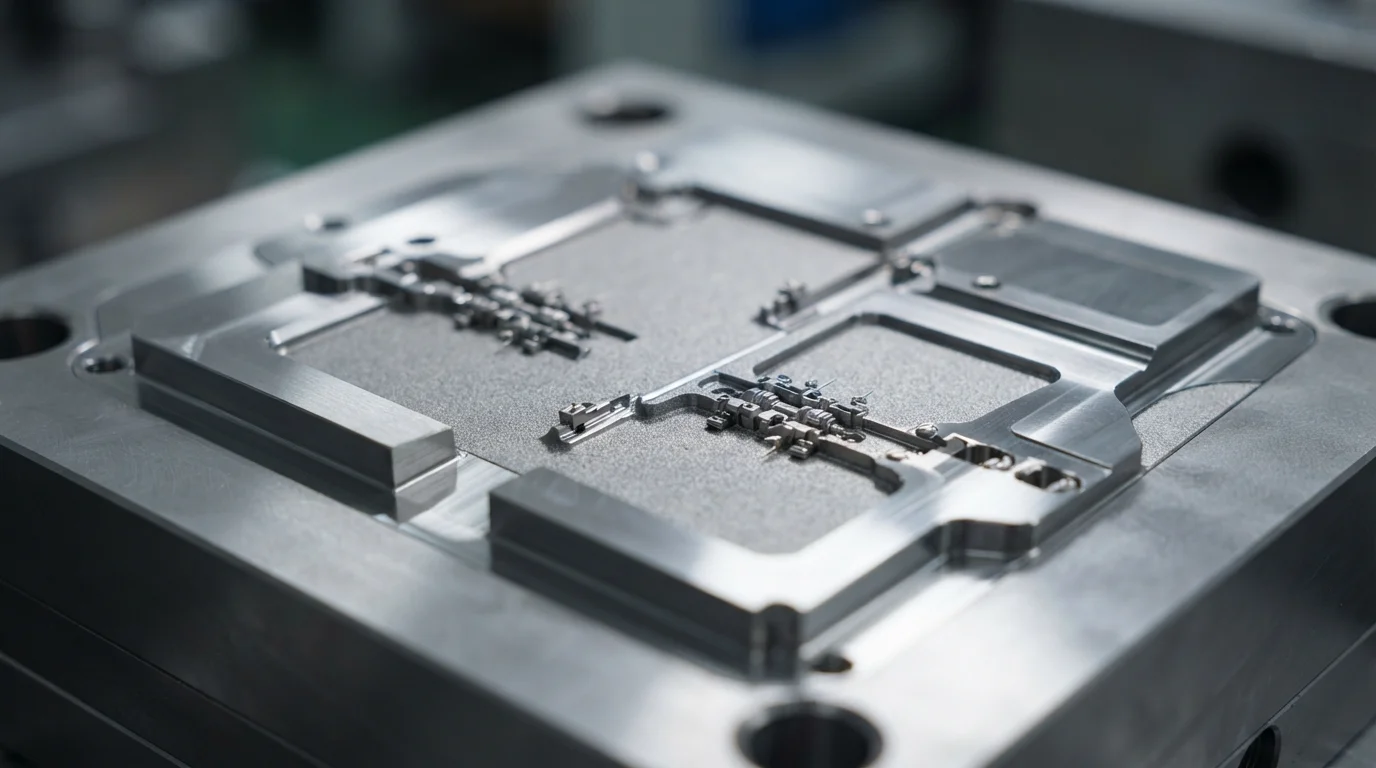
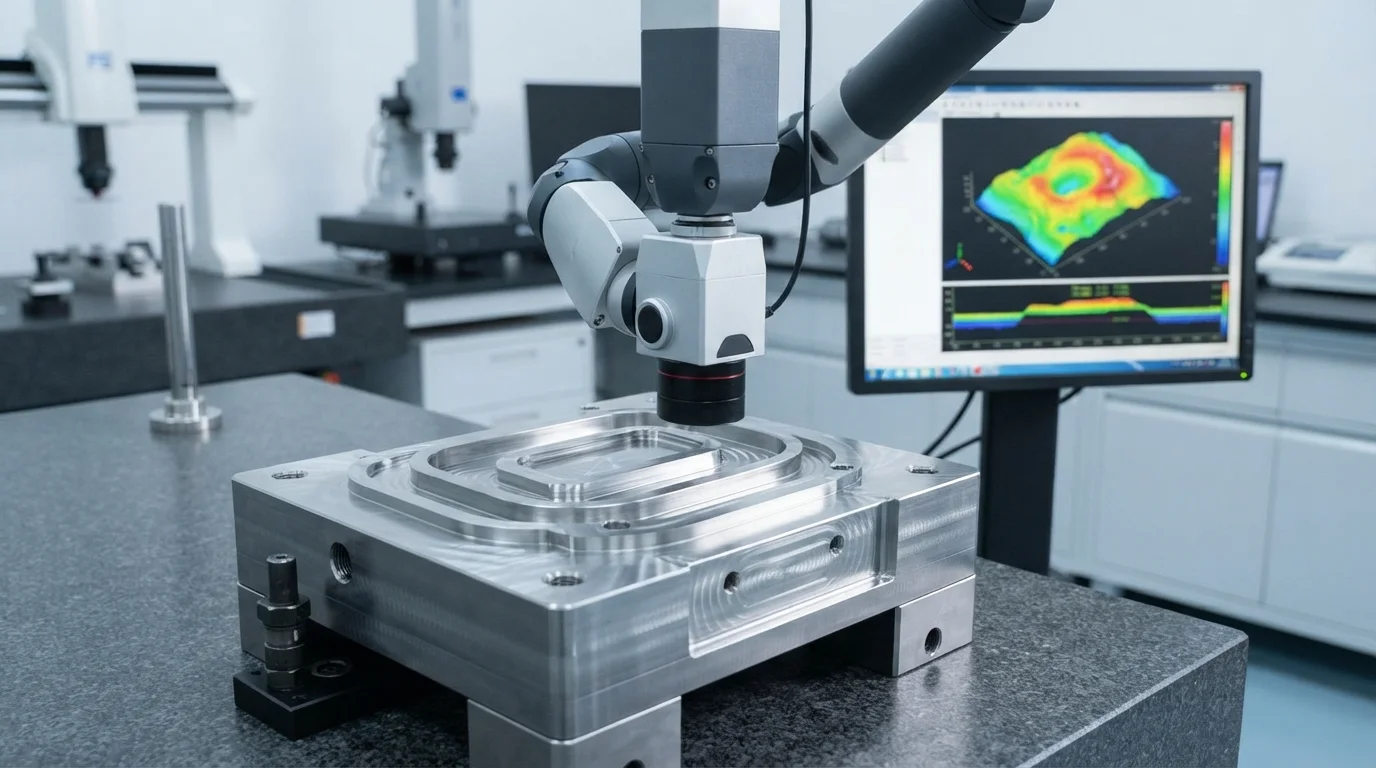
Liquid silicone rubber exhibits extremely low melt viscosity before thermal crosslinking, making flash prevention the central challenge in tool engineering. Conventional hot runner tools cause liquid silicone rubber to vulcanize prematurely inside the flow channels, clogging the injection nozzles. Utilizing cold runner systems equipped with chilled water channels keeps the liquid polymer cooled at 15°C to 25°C until it enters the heated mold cavity. Machining tool cavities using 25 sets of 5-axis CNC machining centers achieves shut-off land tolerances tighter than ±0.002 mm, eliminating parting line flash. Vacuum-assisted cavity evacuation systems draw air out of the mold before injection, preventing micro-bubbles and diesel burns.
Critical cold runner tooling engineering standards include:
- Needle valve gate control—Shutting off the nozzle orifice with pneumatic needle valves prevents liquid silicone drool between cycles.
- Thermal isolation barriers—Installing insulation plates between the cold runner manifold and heated mold plates preserves accurate temperature differentials.
- Micron-level shut-off steel—Grinding mold parting lines to sub-micron accuracy prevents low-viscosity silicone from seeping onto cosmetic faces.
- Vacuum evacuation ports—Drawing 100 mbar vacuum inside the cavity prior to injection prevents air traps in intricate micro-features.
Medical Grade LSR & Biocompatibility Compliance
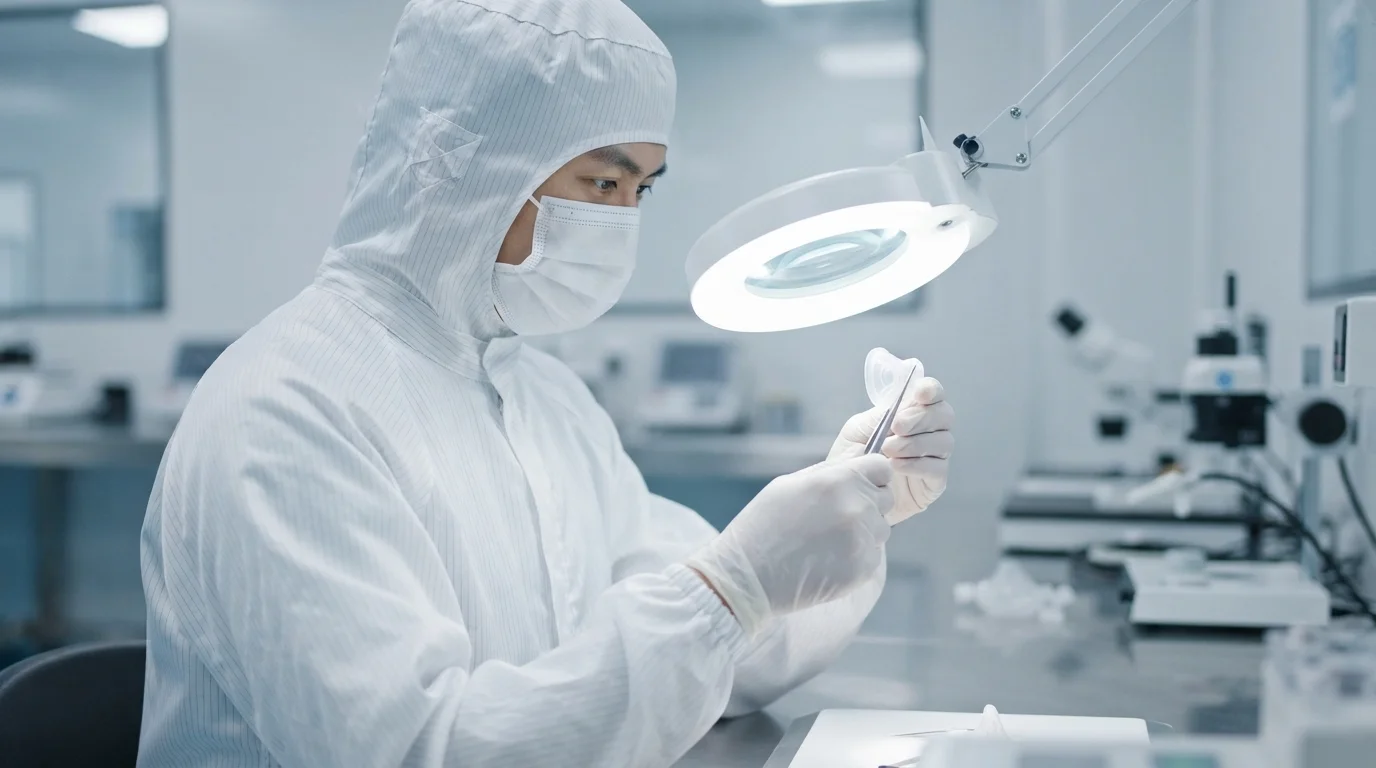
Medical device engineering demands pure, inert elastomeric materials that satisfy stringent regulatory standards. Platinum-cured LSR formulations undergo clean platinum-catalyzed hydrosilylation, leaving zero peroxide acid byproducts or volatile residue. Molding clinical components utilizes medical-grade resins like Wacker Elastosil LR 3003, Momentive Silopren LSR 2050, and Shin-Etsu KE-2009. These biocompatible materials satisfy USP Class VI and ISO 10993 criteria, making them safe for long-term skin contact and implantable devices. Operating an ISO Class 8 cleanroom molding department under ISO 13485 certification protects sterile respiratory valves, catheters, and fluidic seals from airborne particulates. Automated robotic drop-packaging minimizes human contact, maintaining cleanroom integrity throughout production.
Optical Clear LSR Molding for Automotive & Healthcare Lighting
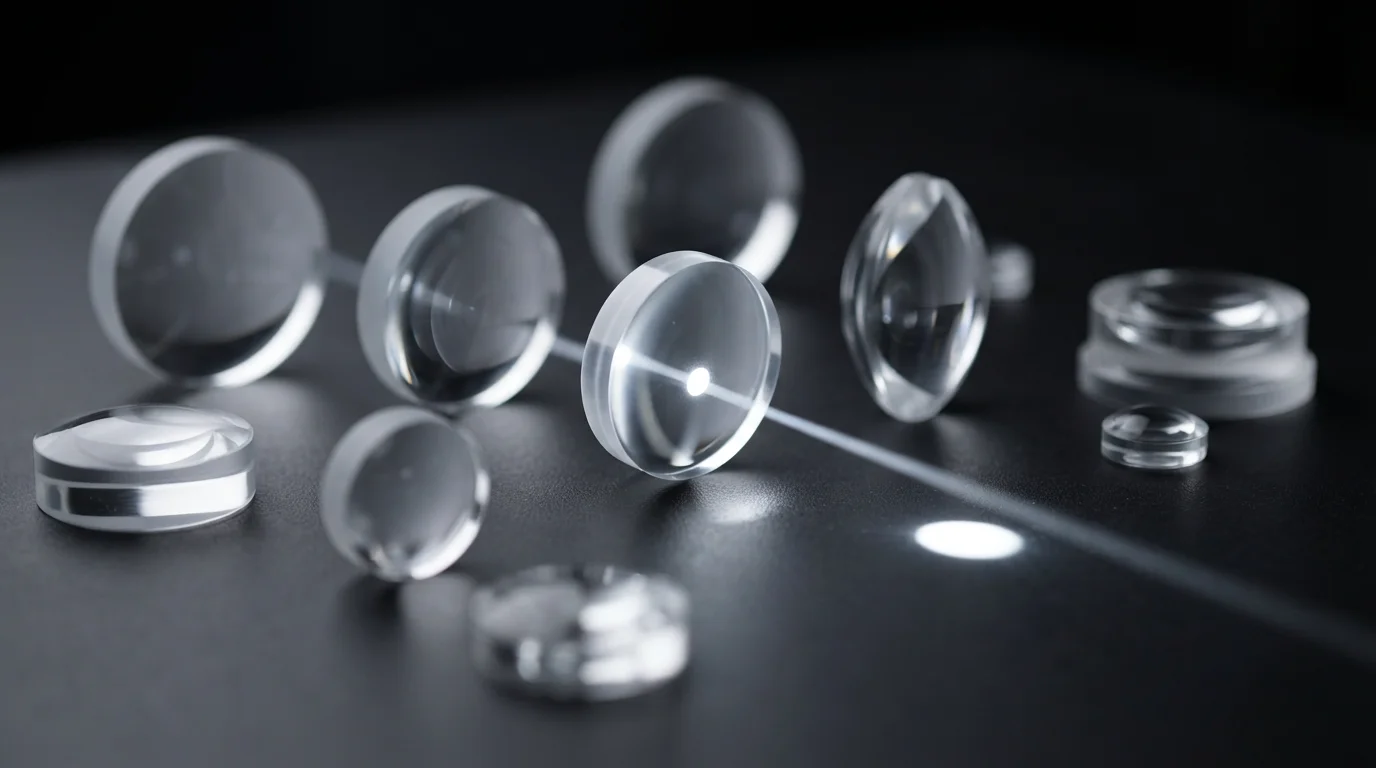
Optical grade liquid silicone rubber represents a major material advance for automotive adaptive headlights, light guides, and medical diagnostic lenses. Optical LSR delivers over 92% light transmission while exhibiting superior resistance to UV yellowing compared to traditional acrylic or polycarbonate. Molding optical lenses requires high-polish cavities made from S136 stainless steel, heat-treated to HRC 48-52 and polished to SPI A-1 diamond standards. Controlling cavity surface finish and curing kinetics eliminates birefringence and optical distortion in thick lighting components.
Thermal Curing Kinetics and Liquid Dosing Systems
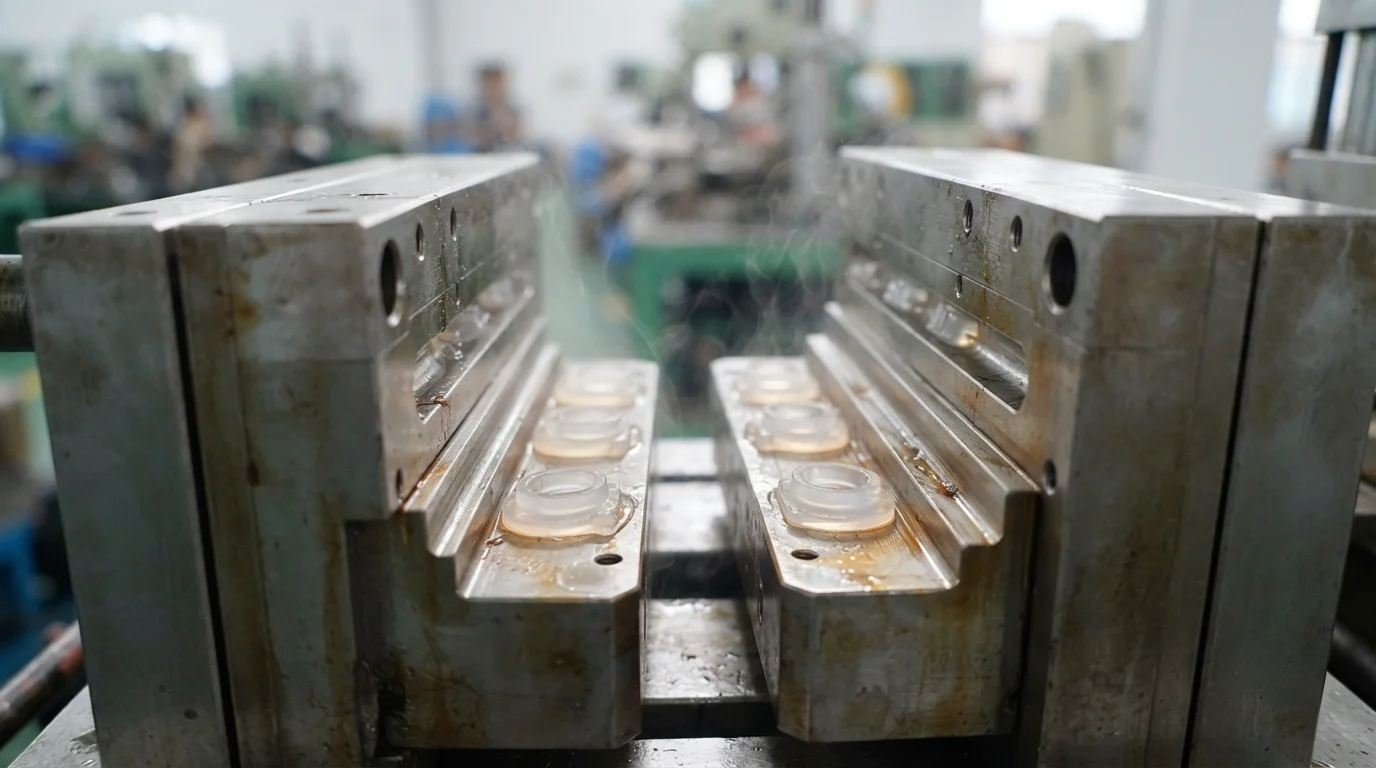
Thermal vulcanization kinetics require precise heating profiles inside the mold cavity. Liquid silicone rubber is metered through automated two-component dosing pumps at an exact 1:1 volume ratio, mixing catalyst and crosslinker thoroughly. Injecting the mixed cold liquid into mold cavities heated to 170°C to 200°C triggers rapid platinum-catalyzed curing within seconds. Balancing mold heating circuits ensures uniform thermal distribution, preventing under-cured soft spots or over-cured surface scorching. Executing Decoupled Molding methodology isolates dosing accuracy, cavity pressure, and curing time, maintaining CpK & PpK > 1.67 across series production.
Transitioning LSR designs from prototype validation into high-volume manufacturing requires single-source engineering support. In-house tool rooms cut prototype cold runner tooling to deliver functional T1 samples in 7 to 10 business days. Building hardened steel production tooling guarantees SPI Class 101 mold life exceeding 1,000,000 cycles across automated presses ranging from 15T to 3000T.
Frequently Asked Questions (FAQs)
Why does LSR require a cold runner system while thermoplastics use hot runners?
Liquid silicone rubber is a thermoset material that cures when heated. Cold runner systems keep the liquid resin cool inside the runners to prevent premature curing before it reaches the heated mold cavity. Thermoplastics behave inversely, requiring hot runners to keep the melt fluid.
How do you prevent flash in low-viscosity liquid silicone molding?
Preventing LSR flash requires machining mold parting lines with shut-off tolerances tighter than 0.002 mm. Utilizing needle valve cold runner nozzles, vacuum cavity evacuation, and rigid mold plates prevents low-viscosity liquid silicone from seeping out.
Can LSR be overmolded onto rigid plastic substrates?
Overmolding LSR onto thermoplastics like PBT or PA66 is widely performed using self-adhesive LSR grades or thermal primers. Secondary injection occurs onto a high-heat substrate, forming a permanent chemical bond without requiring secondary glues.