
Injection molding cost is not one line item. A project quote may combine non-recurring engineering and tooling with recurring material, molding, inspection and packaging costs. If those pieces are not separated, two suppliers can quote different scopes and appear to offer comparable prices when they do not.
Quick answer: ask what is paid once, what repeats per part or lot, and what assumptions the quote uses for resin, cavities, cycle, inspection and annual volume. The lowest unit price is useful only when the quoted part and release conditions match your requirements.
In this guide:
- First define the cost being compared
- Separate tooling from part production
- Understand recurring cost drivers
- Compare quotes on equal assumptions
- What to include in a request for quote
- FAQs
First Define What “Injection Molding Cost” Means
Buyers may use the same phrase for three different questions: how much the mold costs, how much each molded part costs, or what the complete program costs through launch and production. Those questions are connected, but they are not interchangeable.
A mold-cost discussion centers on tool design, steel or aluminum, cavities, actions, surface requirements and expected maintenance. A part-cost discussion adds resin, cycle, scrap assumptions, labor or automation, inspection and packaging. A program view may also include design review, samples, validation, freight and inventory. Keep these categories visible before comparing proposals.
For the overall process and capability context, review the plastic injection molding service scope. If the tooling itself is the primary question, the custom mold making page is the more specific starting point.
Separate One-Time Tooling and Development
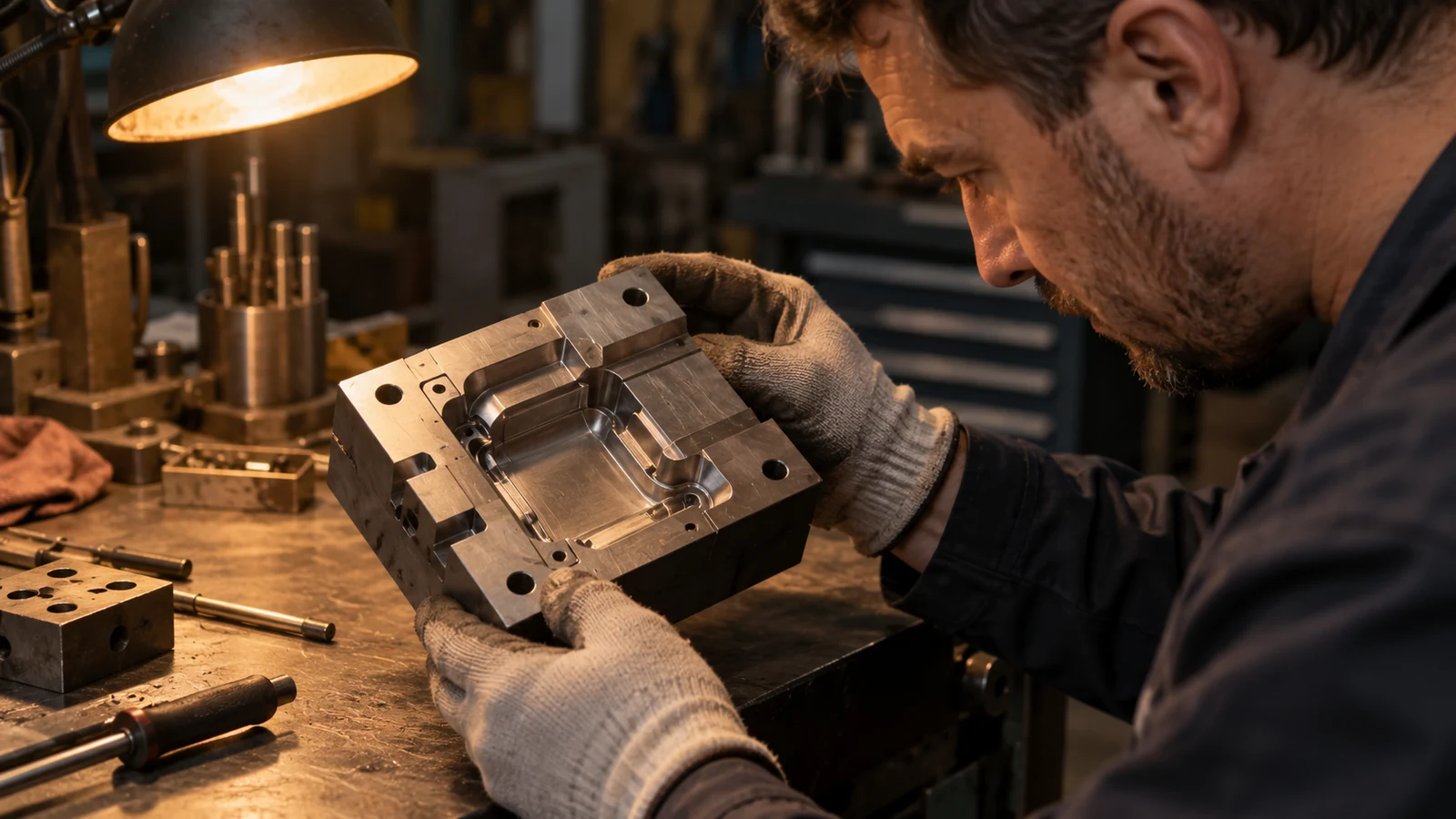
Tooling cost is shaped by the part’s geometry and the tool architecture needed to make it repeatedly. Undercuts may require slides or lifters. Thin ribs, deep cores, cosmetic surfaces, tight shutoffs, inserts, hot-runner choices and multi-cavity balance can add design and machining work. A change to the part after tooling begins can also affect the tool, samples and launch plan.
Production volume influences the trade-off, but it does not determine a mold price by itself. A simple low-cavity tool may fit a short run, while a complex part may require careful steel selection and validation even at modest volume. Ask which tool-life assumption, spare components, maintenance scope and change-request terms are included rather than relying on an unexplained “standard mold” label.
Development items should be separated from the production tool where possible. A design review, mold-flow work, trial shots, dimensional inspection and approval samples may be one-time launch costs. The appropriate scope depends on part risk and customer requirements; it should not be presented as a universal fixed package.
What Changes the Cost of Each Acceptable Part?
Resin is one visible input, but the selected grade also affects processing and quality risk. Reinforcement, color, drying needs, shrink behavior and material availability may change handling or cycle requirements. A lower-priced resin is not a saving if it cannot meet the drawing, environment or functional requirement.
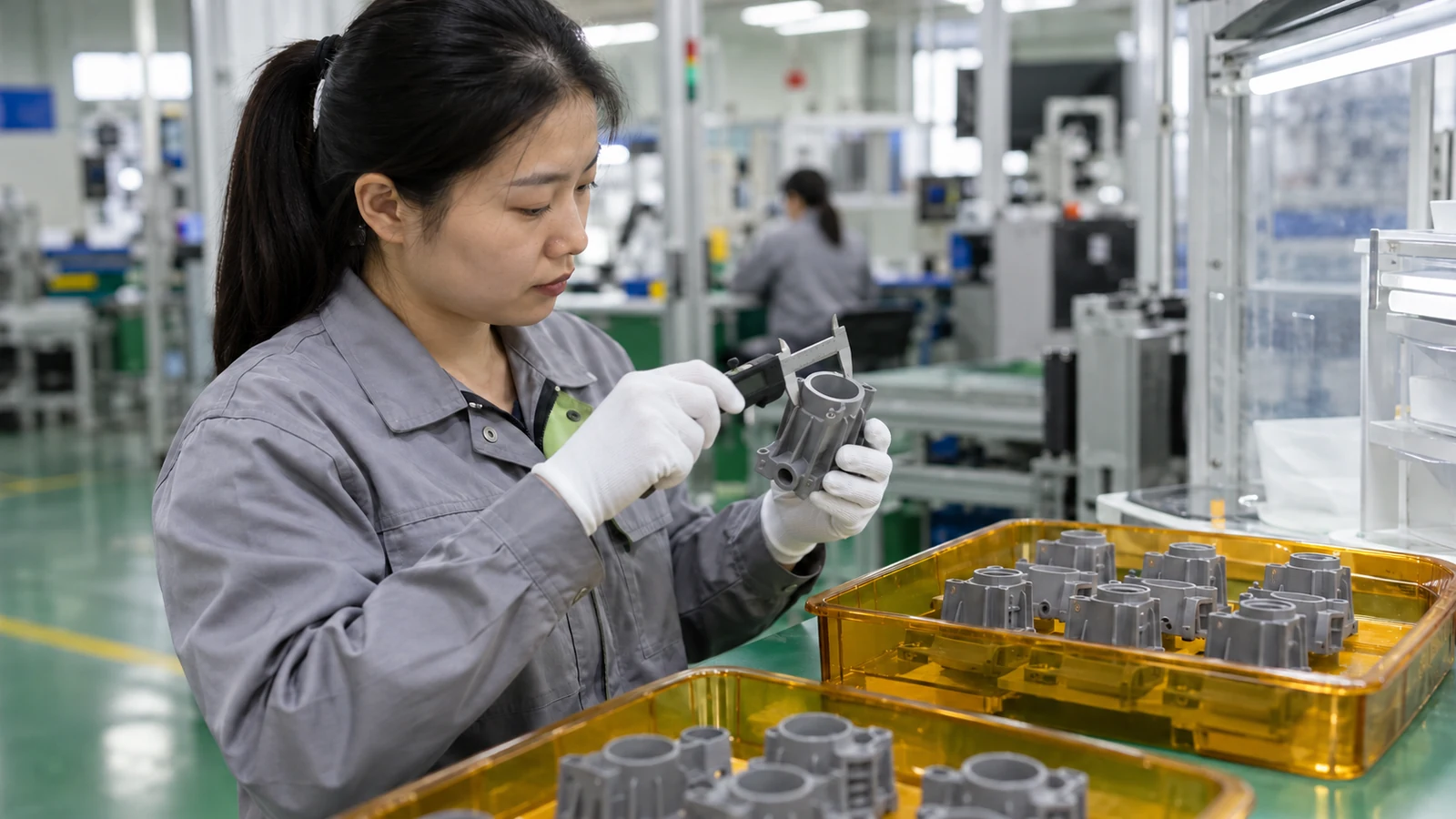
Cycle time and cavity count influence output, but only conforming parts count as usable production. Cooling, ejection, part handling, machine setup and secondary work can all affect the rate. Inspection frequency, traceability, cosmetic standards and packaging also matter when they are part of the agreed release plan.
Quality expectations can change the cost structure. A standard appearance check is not equivalent to a documented inspection plan for critical dimensions or a controlled environment. For example, a cleanroom molding quote may include controls and documentation that are not present in a conventional molding quote. Compare the actual requirement rather than adding or removing controls by assumption.
Compare the Quote, Not Just the Unit Price
Put proposals side by side only after confirming the same part revision, resin grade, annual and order quantities, cavity count, inspection scope, packaging and delivery terms. If one quote assumes a different tool life, inspection frequency or included post-processing, write that difference down. It is not a like-for-like price comparison.
Also distinguish quoted estimates from validated production results. Early cycle or scrap assumptions may change after a mold trial. When approval evidence matters, agree what the sample run must demonstrate and how acceptance will be recorded through a mold trial and validation plan.
A useful commercial review asks: what is included, what is excluded, what could trigger a change order, and which assumptions are still open? This is more actionable than asking a supplier to “match” a number without knowing what it covers.
A Practical RFQ Checklist
- Current 3D CAD and drawing revision, with critical dimensions identified.
- Resin grade or required performance, color and any compliance needs.
- Expected annual demand, order quantity and forecast horizon.
- Appearance, inspection, traceability and packaging requirements.
- Tooling scope, cavity assumptions, expected maintenance and ownership terms.
- Secondary operations, sample approval, freight and delivery assumptions.
Providing these inputs reduces avoidable quote gaps. If a requirement is undecided, label it as open rather than allowing each supplier to make a different assumption.
Frequently Asked Questions
Is injection molding cost the same as injection mold cost?
No. Mold cost is primarily tooling and related development. Injection molding cost can also include recurring resin, production, inspection, packaging and delivery costs.
Does higher volume always make a molded part cheaper?
Higher volume can spread some one-time costs across more parts, but the actual unit economics depend on the tool, cycle, resin, scrap, inspection and order pattern. Compare the same assumptions.
Why can two quotes for the same part differ?
They may use different tool designs, cavities, materials, quality plans, cycle assumptions, packaging or included services. Ask for an itemized scope and list the assumptions before choosing.
Can a supplier give a reliable price without a drawing?
A broad budget estimate may be possible, but a reliable quotation needs enough detail to evaluate geometry, resin, tolerances, finish, volume and acceptance requirements.