
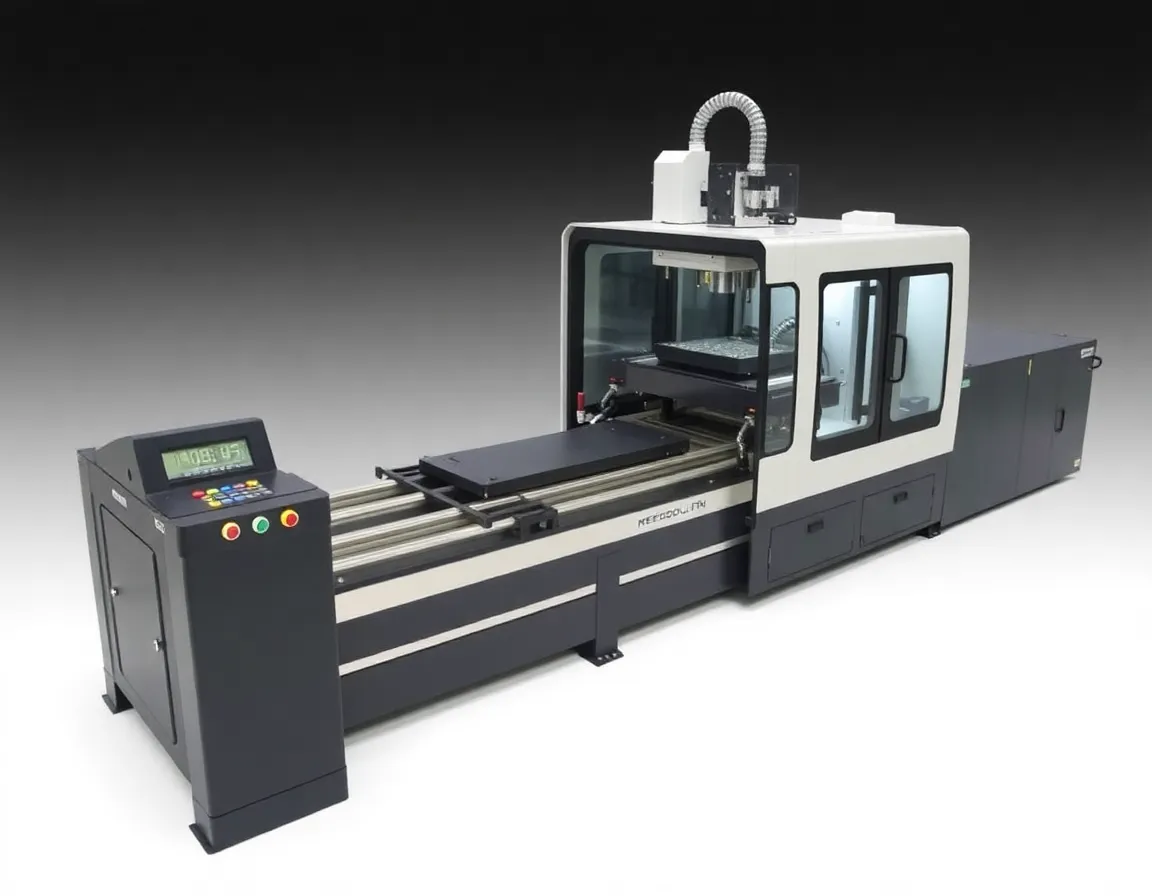
Manufacturers across every industry face the same relentless pressure: deliver higher-quality parts, faster, at a lower cost. Custom thermoplastic molding has become one of the most effective ways to meet that challenge. By combining engineering-grade polymers with precision tooling and optimized processes, companies can produce complex components at volumes ranging from a few hundred to millions — without paying a premium for performance. This article explains what custom thermoplastic molding is, how it works, where it delivers the greatest savings, and the best practices that keep quality high while costs stay low.
What Is Custom Thermoplastic Molding?
Custom thermoplastic molding is the process of shaping heated thermoplastic material into a specific, application-driven part using a custom-designed mold. Unlike off-the-shelf stock shapes or generic components, a custom molded part is engineered around exact tolerances, geometries, material properties, and end-use conditions.
Thermoplastics are polymers that soften when heated and harden when cooled — a reversible process that allows the material to be remelted and reshaped. This characteristic distinguishes them from thermosets, which cure permanently and cannot be reprocessed. The reversibility of thermoplastics enables faster cycle times, lower scrap losses, and greater design freedom.
Several molding methods fall under the custom thermoplastic umbrella, and each offers a different balance of tooling cost, volume capability, and precision:
- Injection molding — molten polymer is injected into a closed steel or aluminum mold; ideal for high-volume, high-tolerance parts.
- Compression molding — material is placed in a heated mold cavity and compressed; well suited to large, thick, or reinforced parts.
- Transfer molding — material is transferred from a pot into the cavity under pressure; useful for intricate inserts and encapsulated components.
- Blow molding — a hollow tube of plastic is inflated against a mold wall; common for bottles, ducts, and hollow housings.
- Thermoforming — a heated sheet is drawn over or into a mold; cost-effective for large panels and trays.
The right method depends on part geometry, production volume, material selection, and tolerance requirements — a decision best made with an experienced molding partner.
How the Custom Thermoplastic Molding Process Works
Understanding the workflow helps explain where costs are created and where they can be eliminated. A typical custom molding project moves through six stages.
1. Design and Material Selection
Engineers evaluate the part's mechanical loads, temperature exposure, chemical contact, UV resistance, and regulatory requirements. They then match these needs to a polymer family — for example, polycarbonate for impact strength, nylon for wear resistance, PEEK for high-temperature performance, or polypropylene for chemical resistance and low cost. Material choice is the single largest driver of both part performance and unit price.
2. Tooling and Mold Design
The mold is the heart of the process. Designers determine gate locations, runner systems, cooling channels, draft angles, and ejection mechanisms. A well-designed mold runs faster, produces fewer defects, and lasts longer. Tooling material also matters: hardened steel for millions of cycles, or aluminum and soft steel for lower volumes and faster, cheaper tooling.
3. Prototyping and Validation
Before committing to production tooling, many projects use 3D-printed or CNC-machined prototypes to verify fit, function, and assembly. This step catches design flaws when changes are inexpensive rather than after a mold is cut.
4. Production Molding
Pellets are dried, melted, and injected (or compressed) into the mold cavity. The part cools, solidifies, and is ejected. Cycle times range from a few seconds for small parts to several minutes for large or thick-walled components.
5. Finishing and Assembly
Secondary operations may include trimming, drilling, ultrasonic welding, painting, laser etching, or insert installation. Integrating these steps into the molding cell reduces handling, labor, and lead time.
6. Quality Control
Dimensional inspection, visual checks, and functional testing confirm that parts meet specification. Statistical process control and documented traceability protect both the manufacturer and the end customer.
How Custom Thermoplastic Molding Cuts Costs
Cost reduction in custom molding is not about cutting corners — it is about engineering efficiency into every stage. The most significant savings come from the following areas.
Lower Tooling Investment Than Metal
Compared with die casting or metal stamping, thermoplastic tooling is generally less expensive and faster to produce. Aluminum tooling can be ready in weeks rather than months, allowing products to reach market sooner and generating revenue earlier.
Reduced Part Count and Assembly Labor
Molding can consolidate multiple metal or fabricated pieces into a single complex component. Snap-fits, living hinges, bosses, and integrated threads can all be molded in. Fewer parts mean less assembly labor, fewer fasteners, and lower inventory complexity.
Lightweighting and Logistics Savings
Thermoplastics are significantly lighter than metals. Lighter parts reduce shipping costs, improve fuel efficiency in automotive applications, and ease handling on the production line.
Material Efficiency and Recyclability
Thermoplastic scrap — sprues, runners, and rejected parts — can often be reground and reintroduced into the process. This reclaim capability reduces raw material waste, an advantage thermosets cannot match.
Scalable Production Economics
Once tooling is amortized, the incremental cost per part drops sharply. High-cavity molds and automated cells drive unit costs down further as volumes rise, letting manufacturers serve both niche and mass markets profitably.
Durability and Reduced Warranty Costs
Properly specified engineering thermoplastics resist corrosion, chemicals, and fatigue. Longer service life translates into fewer field failures, lower warranty claims, and stronger brand reputation.
Applications Across Industries
Custom thermoplastic molding serves nearly every sector that relies on durable, precise, lightweight components:
- Automotive — interior trim, under-hood brackets, connectors, sensor housings, and battery components for electric vehicles.
- Medical — disposable syringes, surgical instrument handles, fluid connectors, and diagnostic housings requiring biocompatible resins.
- Aerospace — cabin interiors, ducting, and lightweight structural brackets using high-performance polymers.
- Electronics — connector bodies, enclosures, switches, and heat-resistant internal components.
- Industrial equipment — gears, bearings, seals, pump components, and custom machine guards.
- Consumer products — appliance parts, power tool housings, packaging, and recreational equipment.
In each case, the value proposition is the same: a custom-engineered plastic part replaces a heavier, more expensive, or less durable alternative.
Best Practices for Cost-Effective Custom Molding
To capture savings without sacrificing quality, follow these proven guidelines.
Engage Your Molder Early
Bringing the molding partner into the design phase — a practice known as design for manufacturability (DFM) — prevents costly redesigns. Molders can flag wall thickness issues, undercuts, and tolerance conflicts before tooling begins.
Design for Uniform Wall Thickness
Consistent walls promote even cooling, reduce warping and sink marks, and shorten cycle times. Thick sections waste material and slow production.
Choose the Right Material, Not the Most Expensive One
Over-specifying a polymer inflates cost unnecessarily. Match material properties to actual service conditions, and consider filled or blended resins that deliver performance at a lower price point.
Optimize Mold Design for Cycle Time
Efficient cooling channels, balanced runners, and hot-runner systems reduce cycle time — often the largest controllable cost in high-volume production.
Plan for Prototyping
Validate designs with prototypes before cutting production tooling. The modest upfront investment routinely saves tens of thousands of dollars in mold modifications.
Consolidate Suppliers and Operations
Partnering with a molder that offers tooling, molding, finishing, and assembly under one roof reduces freight, coordination, and lead-time costs.
Monitor Quality Continuously
Consistent process control prevents defects, scrap, and rework — all of which erode the savings that custom molding is meant to deliver.
Conclusion
Custom thermoplastic molding offers a rare combination: design freedom, durable performance, and measurable cost savings. By selecting the right process and material, investing in well-engineered tooling, and following manufacturability best practices, manufacturers can reduce part counts, labor, weight, and waste — all while improving quality. The key is to treat molding as a strategic engineering decision rather than a commodity purchase. Companies that do so consistently find that custom thermoplastic molding delivers exactly what the title promises: lower costs, without compromising on performance.