Polypropylene (PP)

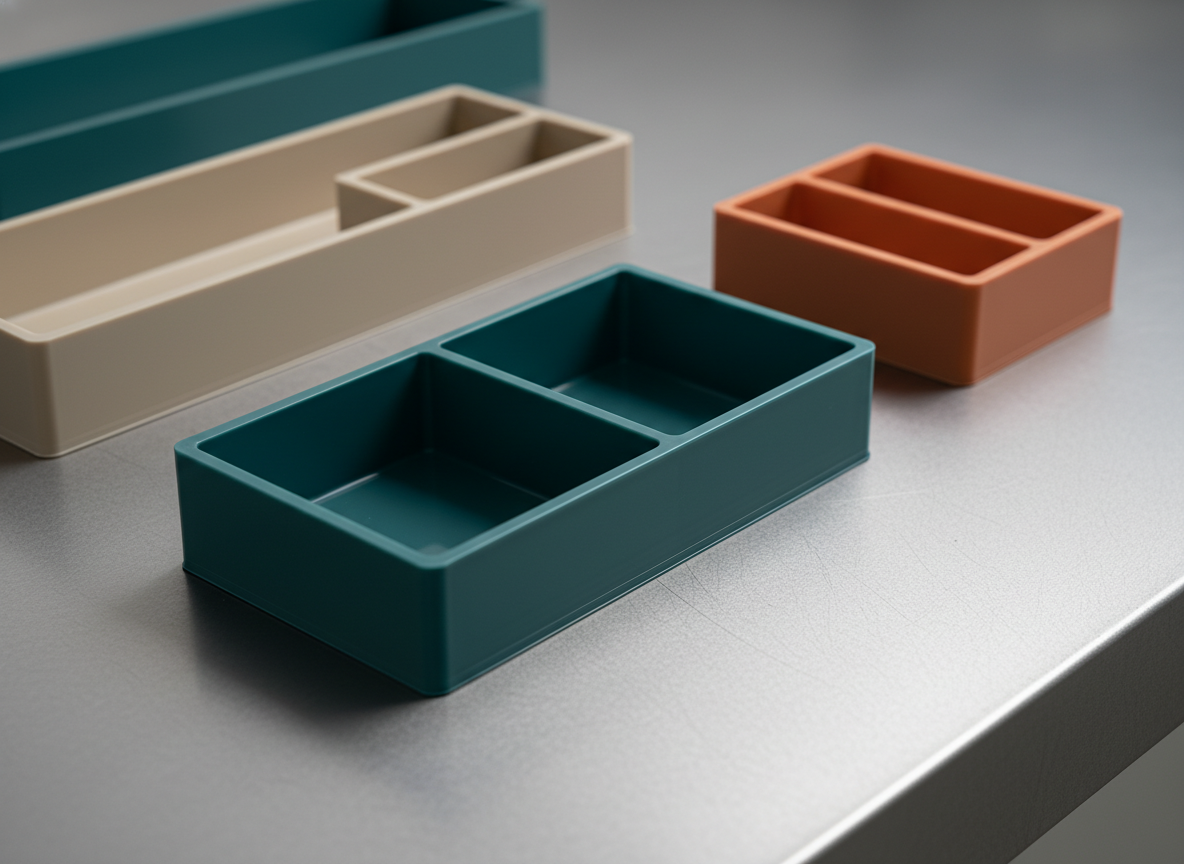
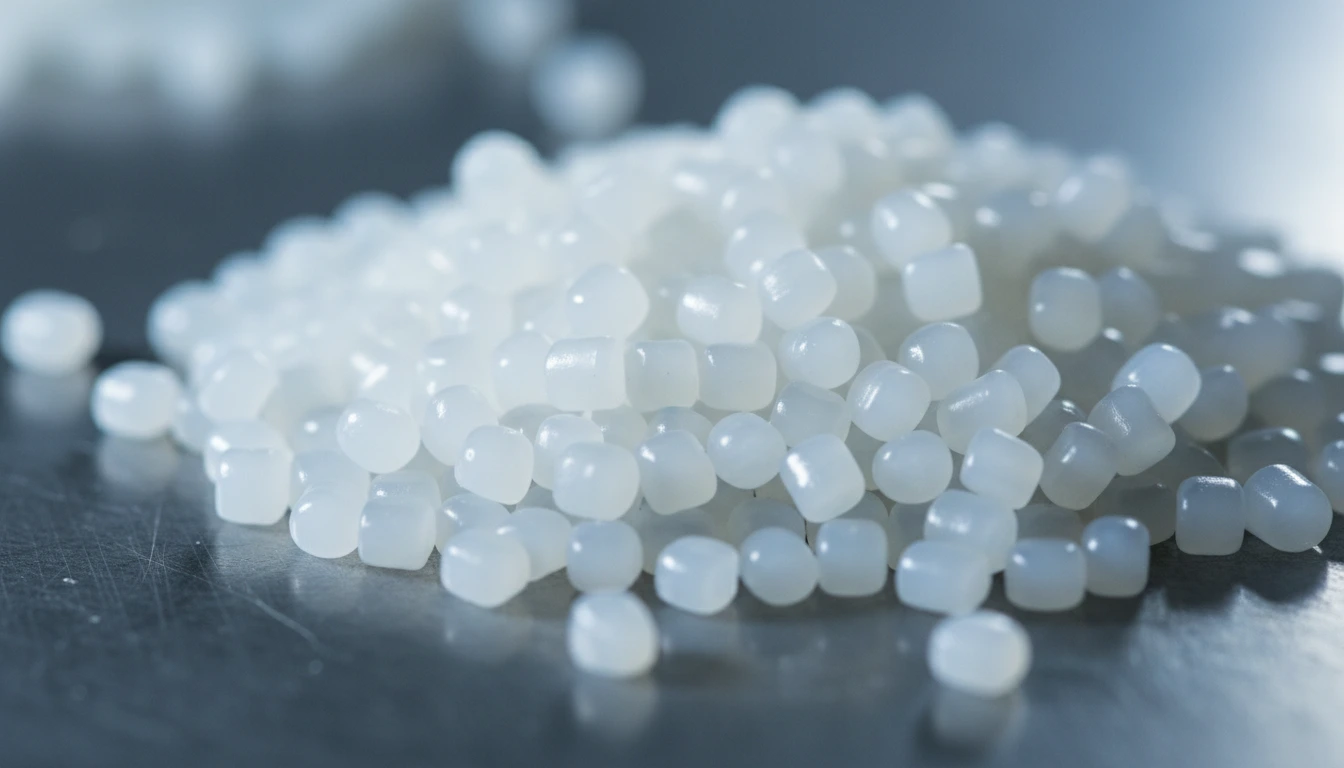
Polypropylene (PP) is a versatile thermoplastic polymer valued for its chemical resistance, fatigue resistance, and toughness—ideal for living hinges. As an ISO 9001, ISO 13485, and IATF 16949 certified manufacturer, Jucheng Precision delivers custom PP molding solutions from prototyping to mass production. Backed by 35+ molding presses (50-650T) and 25+ in-house 5-axis CNC machines, we control PP's high shrinkage (1.5%-2.0%) through scientific tooling. We offer free DFM analysis within 24 hours to optimize gate placement, ensuring stable, high-precision components verified by Zeiss CMM inspection.

Polypropylene (Pp) Injection Molding

Our available materials

PP-Borealis RF365MO

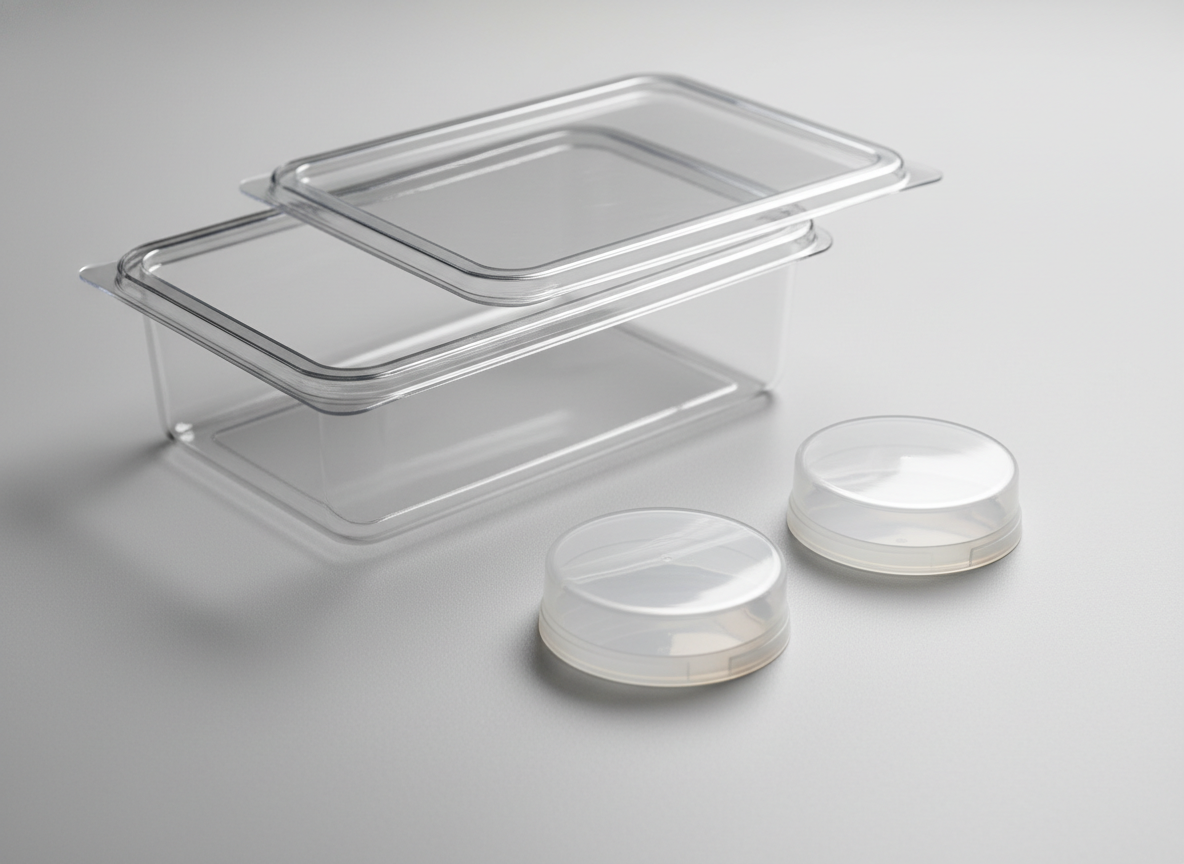
PP-Borealis RF365MO is an advanced, nucleated random copolymer polypropylene designed by Borealis for high-speed injection molding of highly transparent containers and closures. Offering a medium-to-high melt flow rate of 20 g/10 min and exceptional organoleptic (low-odor and low-flavor transfer) properties, it is highly sought after for food-contact, cosmetic, and pharmaceutical packaging. Jucheng Precision, operating under strict ISO 9001 and IATF 16949 standards, provides precision tooling and clean molding solutions for RF365MO. Utilizing our 25+ in-house five-axis CNC machines, we build high-precision molds with balanced hot runner gates to prevent weld lines, maximizing the material's aesthetic transparency.
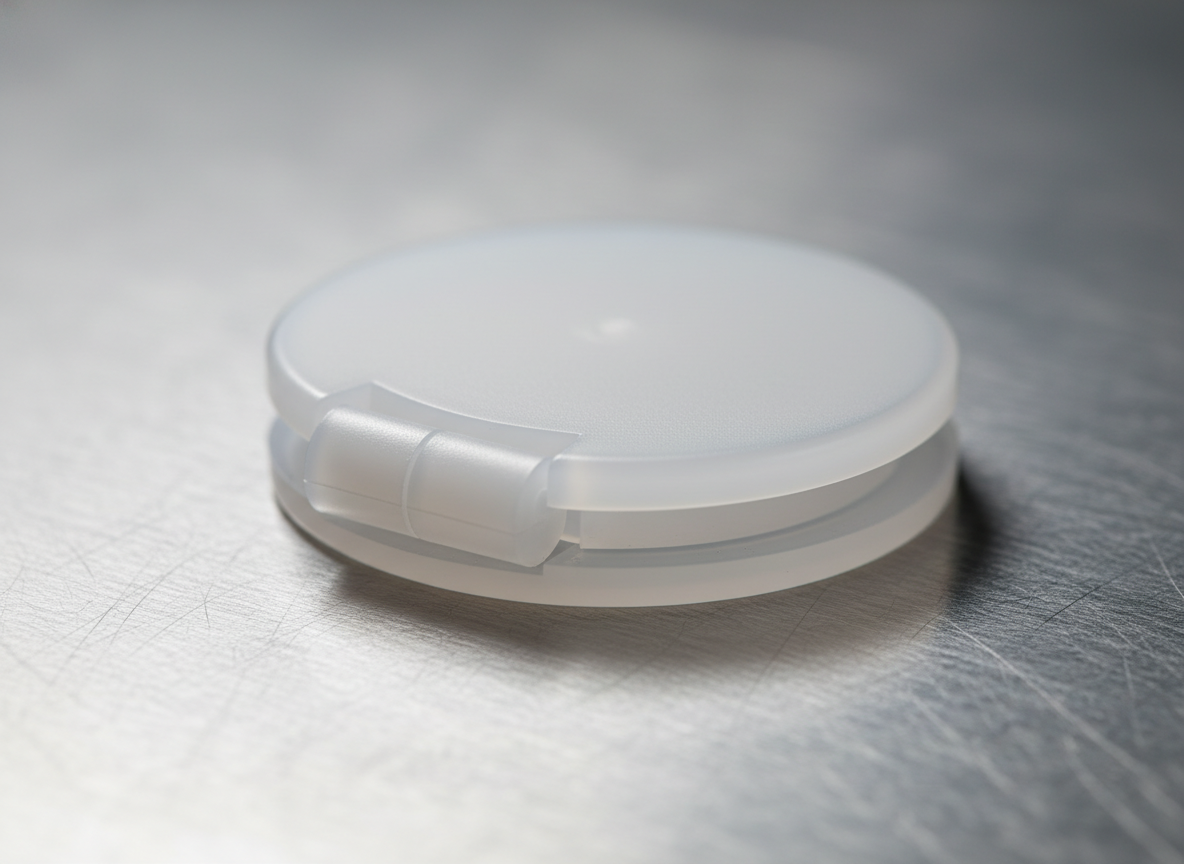
READ MORE

PP-ExxonMobil PP1013

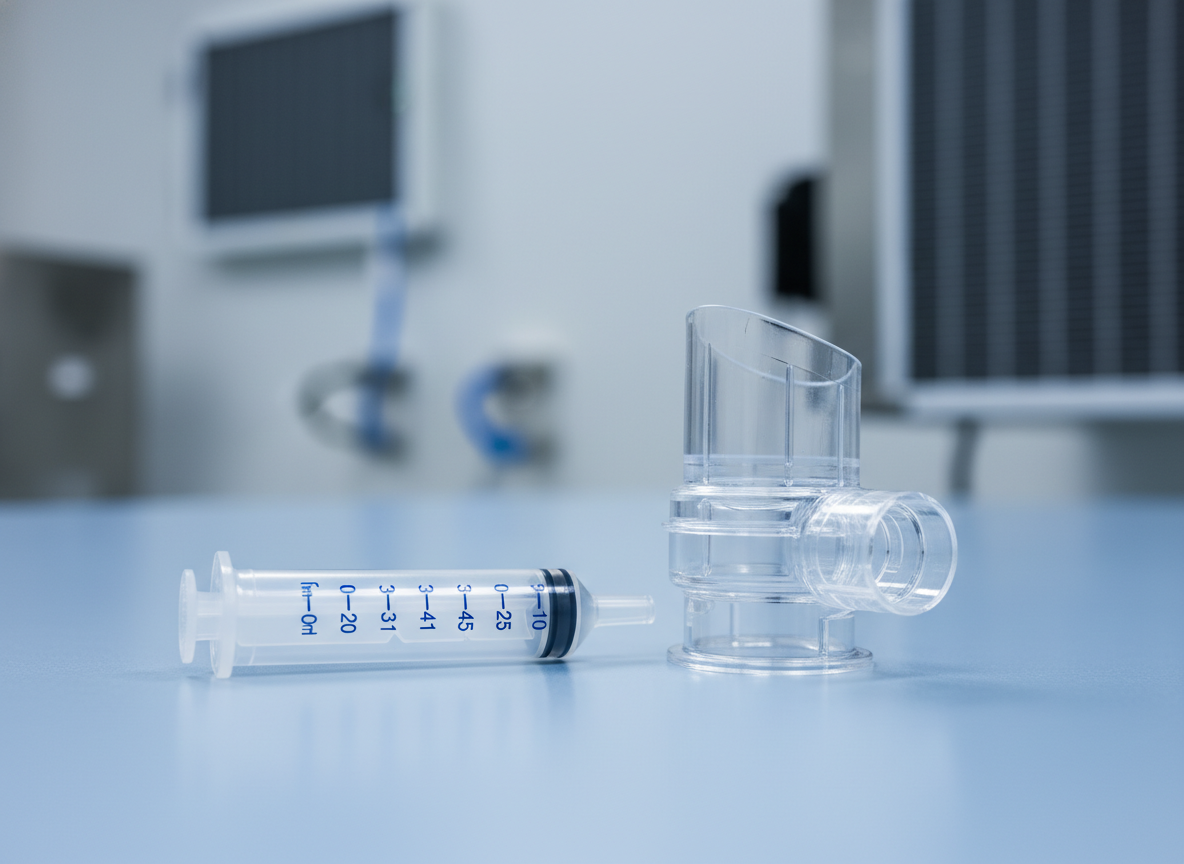
PP-ExxonMobil PP1013 (specifically the PP1013H1 grade) is an ultra-pure homopolymer polypropylene engineered by ExxonMobil, boasting FDA DMF filing, European Pharmacopoeia compliance, and USP Class VI biocompatibility[1][2]. Featuring a melt flow rate of 7.5 g/10 min, it is exceptionally suited for high-clarity syringes, inhalers, and autoclavable labware[2][3]. At Jucheng Precision, an ISO 13485 certified contract manufacturer, we inject this medical-grade homopolymer inside certified Class 7 and Class 8 cleanrooms to prevent particulate contamination. Operating 35+ advanced molding presses, our engineers employ extended packing cycles to eliminate shrinkage voids, utilizing rust-free mirror-polished S136 stainless tool steel to ensure zero-defect parts verified by Zeiss CMM inspection.

READ MORE

PP-Moplen HP500N

PP-Moplen HP500N is a premium homopolymer polypropylene manufactured by LyondellBasell, highly favored for its exceptional stiffness, thermal resistance, and easy flowability (MFR 12 g/10 min). It is widely specified for rigid packaging, caps, and integrated living hinges. At Jucheng Precision, an ISO 9001:2015 and IATF 16949 certified manufacturer, we specialize in high-precision molding of Moplen HP500N. Utilizing our 35+ advanced molding presses (50-650T) and 25+ in-house 5-axis CNC machines, we control this grade's anisotropic shrinkage (1.3%-1.8%). Our 24-hour free DFM analysis optimizes gate placement to prevent weld lines, ensuring structural integrity verified by Zeiss CMM inspection.

READ MORE

PP-SABIC PP 570P

PP-SABIC PP 570P is a specially developed homopolymer polypropylene engineered by SABIC for rigid general-purpose injection molded articles requiring consistent processability, good mechanicals, and high gloss. With a stable melt flow rate of 8 g/10 min and high flexural modulus (1630 MPa), it is highly specified for durable housewares, caps, closures, and toys. At Jucheng Precision, an ISO 9001 and IATF 16949 certified manufacturer, we leverage our 35+ advanced molding presses (50-650T) and in-house 5-axis CNC tooling to control its 1.2% to 2.5% shrinkage rate. We provide free DFM analysis within 24 hours to optimize thermal balance, delivering flawless, high-gloss parts verified by Zeiss CMM inspection.

READ MORE

Common Polypropylene (PP) Grades We Mold

We source and process high-quality PP resins from global leading manufacturers to meet specific functional requirements:

PP Material Sub-Type Typical Brand & Grade Key Characteristics & Advantages
PP Homopolymer LyondellBasell Moplen HP500N
ExxonMobil PP1013
High stiffness-to-weight ratio, excellent chemical resistance, and elevated temperature resistance. Ideal for rigid packaging and household appliances.
PP Impact Copolymer Sabic PP 570P
LyondellBasell Moplen EP300K
Enhanced impact strength at low temperatures, high durability, and crack resistance. Widely used for automotive bumpers, battery cases, and heavy-duty crates.
PP Random Copolymer Borealis RF365MO
TotalEnergies PPR 7220
Superior optical clarity, high gloss, and good impact resistance. Frequently specified for medical syringes, labware, and transparent housewares.

Applicable Molding Processes for PP

Polypropylene’s excellent melt flow behavior and adaptability allow it to be processed via several molding techniques:

Molding Process Process Suitability & Application
Standard Injection Molding Excellent. Highly suitable for producing high-volume consumer goods, living hinges, and structural components with optimized cycle times.
Thin-Wall Molding High. PP’s high melt flow index (MFI) allows it to easily fill long flow paths and thin-walled structures, ideal for food containers and medical disposable packaging.
Insert Molding Moderate to High. Metal inserts, threads, or structural plates can be molded directly into PP parts to improve local mechanical strength.
Overmolding / 2K Molding Good. Frequently overmolded with thermoplastic elastomers (TPE/TPU) to create soft-touch handles, seals, or non-slip grips.

Polypropylene (PP) Manufacturing & Processing Guide

To achieve high structural integrity and dimensional consistency, our engineering team adheres to scientific molding parameters for PP resins:

  • Pre-Drying: Generally not required as PP absorbs minimal moisture. However, for critical medical or high-aesthetic applications, we pre-dry at 80°C (176°F) for 1–2 hours to eliminate surface splay.
  • Melt Temperature: Typically set between 200°C and 250°C (392°F to 482°F). Thermal degradation can occur if temperatures exceed 280°C.
  • Mold Temperature: Kept between 20°C and 80°C (68°F to 176°F). Higher mold temperatures improve gloss and crystallinity but can increase cycle times and shrinkage.
  • Injection Pressure: Injection pressure is usually maintained between 50 and 120 MPa, with adequate holding pressure to minimize shrinkage and sink marks.
  • Shrinkage Control: Volumetric shrinkage ranges from 1.5% to 2.0%. Jucheng’s tooling engineers compensate for this shrinkage through precision mold core/cavity dimension adjustments.

Key Application Industries for PP Molded Parts

  • Medical Devices (ISO 13485 Compliant): Autoclavable laboratory vials, syringe plungers, diagnostic test kits, and pill dispensers.
  • Automotive Components (IATF 16949 Compliant): Battery cases, interior door panels, dashboard trims, bumper covers, and fluid reservoirs.
  • Packaging & Closures: Hinged caps, child-resistant closures, food containers, thin-walled storage boxes, and household bins.
  • Consumer & Industrial Goods: Power tool housings, appliance brackets, lawnmower components, and heavy-duty structural gears.

Material Properties

Density 0.895 - 0.920 g/cm³
Melt Mass-Flow Rate (MFR) (190°C/2.16kg) 2.0 - 100 g/10 min
Tensile Strength at Yield 25 - 40 MPa
Elongation at Break 50 - 500 %
Flexural Modulus 1,100 - 1,600 MPa
Izod Impact Strength (Notched, 23°C) 20 - 100 J/m
Shore D Hardness 65 - 75 -
Melting Temperature 160 - 165 °C
Heat Deflection Temperature (HDT @ 0.45 MPa) 85 - 110 °C
Linear Mold Shrinkage 1.5 - 2.0 %
Dielectric Strength 20 - 25 kV/mm
Volume Resistivity 1.0E+16 Ohm·cm
Maximum Part Size 1000 x 800 mm
Minimum Part Size 1 x 1 mm
Elongation at Yield 8 - 15