
Polyethylene (PE)

Polyethylene (PE) is a highly durable commodity plastic valued for its exceptional impact resistance, chemical inertness, and low moisture absorption. At Jucheng Precision, an ISO 9001, ISO 13485, and IATF 16949 certified facility, we specialize in high-precision PE injection molding (including HDPE, LDPE, and LLDPE). Supported by 35+ advanced molding presses (50-650T) and 25+ in-house 5-axis CNC machines, we effectively manage PE's challenging shrinkage rate (1.5%-3.0%) through custom-engineered tooling. We provide a free DFM analysis within 24 hours to optimize gate design and cooling, ensuring consistent dimensional accuracy verified by our Zeiss CMM inspection.

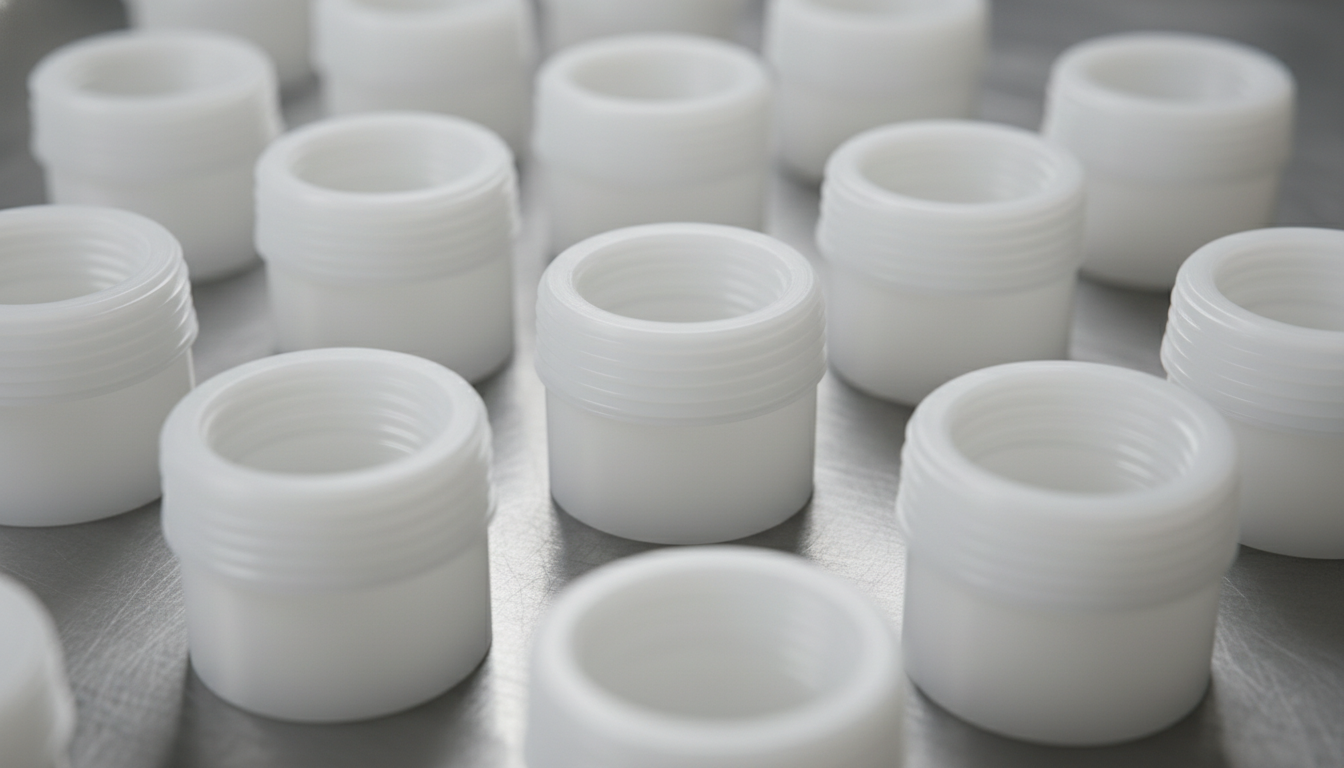
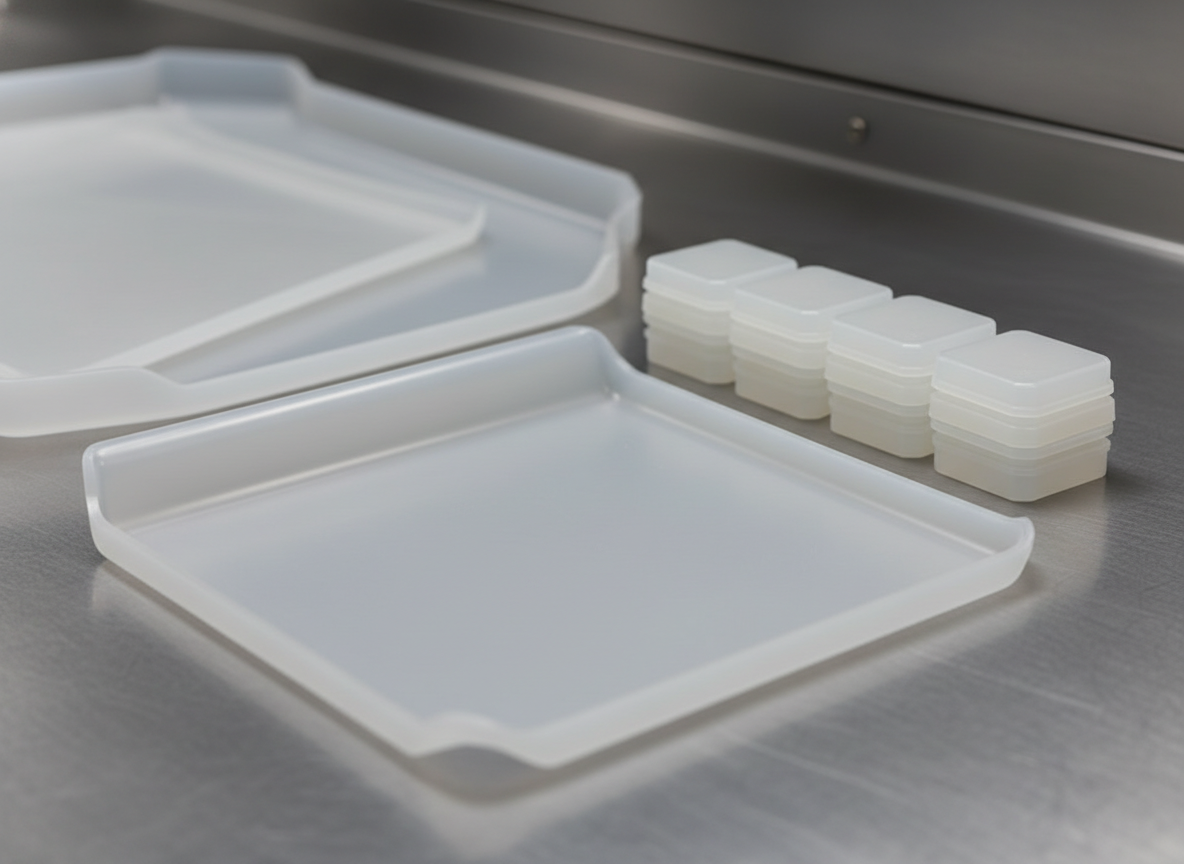
Precision-injection-molded-HDPE-components-with-smooth-surface-finish-and-custom-threads-1

Our available materials

PE-Dow DOWLEX 2045G

PE-Dow DOWLEX 2045G is a high-performance linear low-density polyethylene (LLDPE) octene copolymer developed by Dow, recognized for its exceptional tear strength and puncture resistance. Featuring a density of 0.920 g/cm³ and a melt index of 1.0 g/10 min, this grade is widely utilized for industrial linings, high-strength caps, and protective secondary packaging requiring extreme mechanical durability. Jucheng Precision, under ISO 9001 and IATF 16949 quality frameworks, specializes in molding DOWLEX 2045G to yield high structural durability. Utilizing our 35+ advanced injection presses and five-axis tooling, we control its high crystallization shrinkage without warpage, verified by Zeiss CMM inspection.
READ MORE

PE-Dow HDPE DMDA-8007

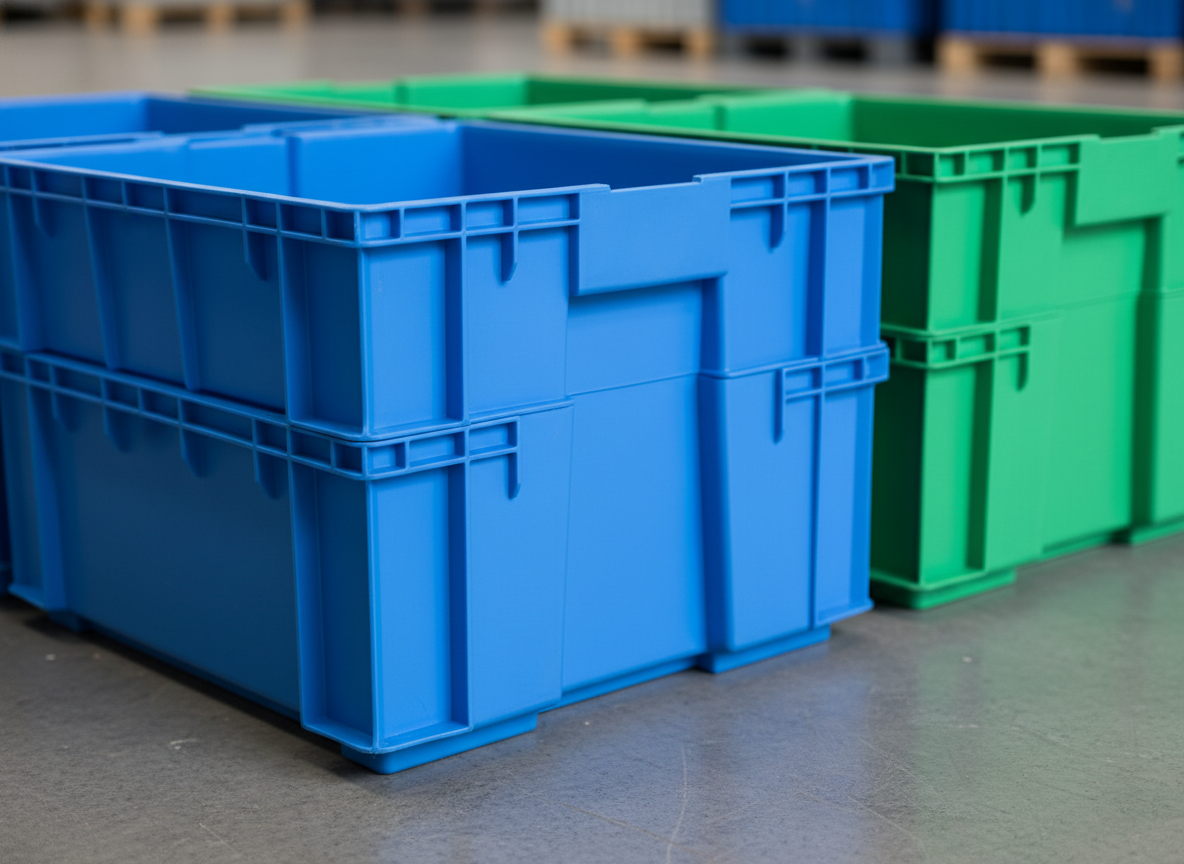
PE-Dow HDPE DMDA-8007 is a high-density polyethylene homopolymer characterized by a narrow molecular weight distribution, engineered by Dow to deliver high modulus, low odor, and excellent warp resistance. With a density of 0.967 g/cm³ and a melt index of 8.3 g/10 min, this grade is the industry standard for structurally rigid crates, totes, cases, and beverage caps. Jucheng Precision, under ISO 9001 and IATF 16949 quality frameworks, optimizes the molding of DMDA-8007 to eliminate structural warping. Backed by 35+ advanced injection presses and five-axis tooling, we configure precise, balanced cooling geometries, delivering highly uniform structural parts verified by Zeiss CMM inspection.

READ MORE

PE-Dow LDPE 722

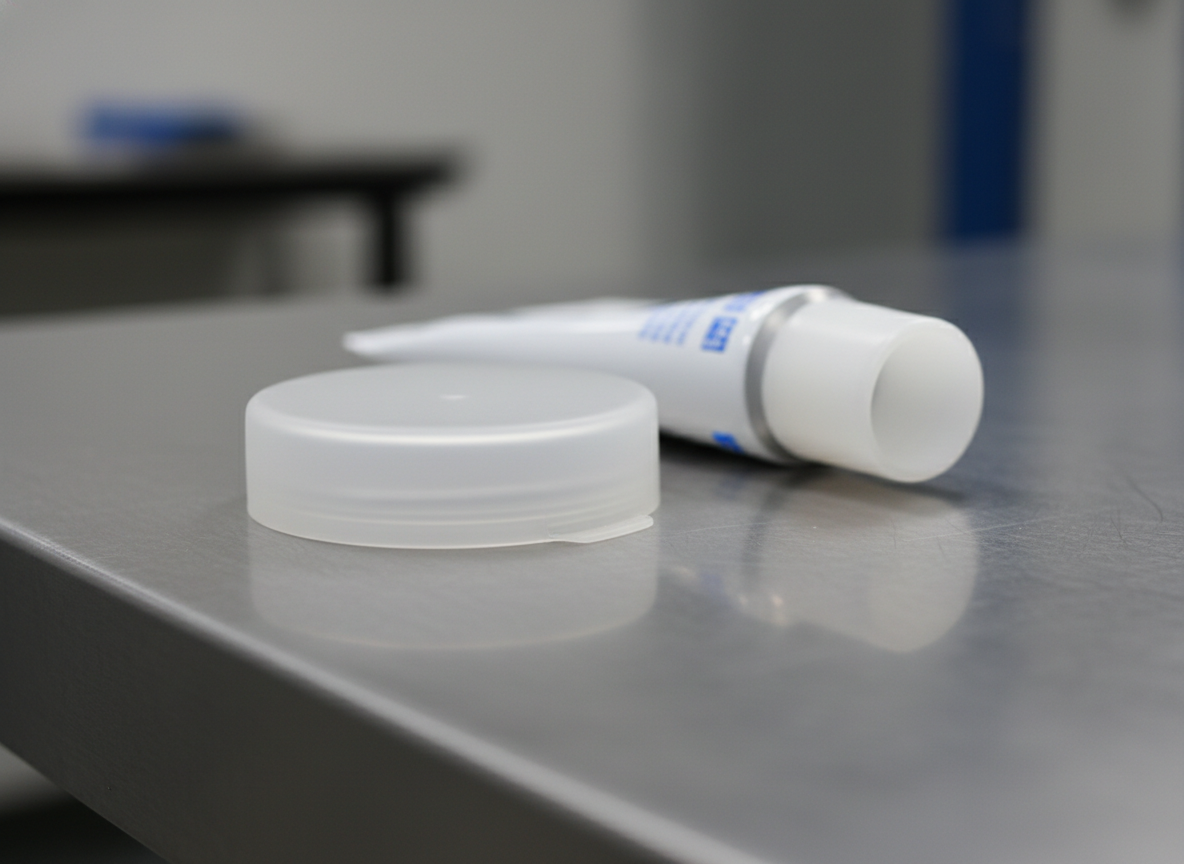
PE-Dow LDPE 722 is a highly flexible low-density polyethylene homopolymer produced by Dow, characterized by its heavily branched molecular structure that prevents tight crystal packing[1]. Featuring a density of 0.920 g/cm³ and a melt index of 8.0 g/10 min, this grade is the global benchmark for high-flexibility caps, snap-on lids, and medical squeeze packaging[2]. Jucheng Precision, utilizing ISO 9001 and IATF 16949 certified systems, excels in molding Dow 722 to achieve excellent seal integrity. Our 35+ advanced injection presses and in-house tooling ensure uniform wall thickness, managing LDPE’s high shrinkage rate (1.5%-2.5%) without physical sink marks.

READ MORE

Comprehensive Polyethylene (PE) Grades We Mold

We process a wide range of PE resins from leading global petrochemical companies, supporting diverse structural and flexibility requirements:

PE Material Sub-Type Typical Brand & Grade Key Characteristics & Advantages
HDPE
(High-Density)
• Dow Polyethylene DMDA-8007
• Sabic HDPE CC2056
• LyondellBasell Hostalen ACP 5831 D
• Chevron Phillips Marlex 9006
High tensile strength, rigid molecular structure, excellent chemical resistance, and low temperature toughness. Perfect for heavy-duty containers, caps, and automotive fluid reservoirs.
LDPE
(Low-Density)
• ExxonMobil LDPE LD 605
• Dow LDPE 722
• LyondellBasell Lupolen 2420H
• Sabic LDPE HP0322
High flexibility, superior impact toughness at low temperatures, and excellent moisture barrier properties. Widely used for flexible lids, squeeze caps, and consumer containers.
LLDPE
(Linear Low-Density)
• Dow DOWLEX 2045G
• ExxonMobil LLDPE LL 1001
• Sabic LLDPE 118N
• Chevron Phillips Marlex LLDPE
Higher tensile strength, puncture resistance, and flexibility compared to standard LDPE. Extensively applied in snap-fit assemblies, heavy-duty lids, and impact-modified housings.
UHMWPE / Specialty PE
(Ultra-High Molecular)
• Celanese GUR 4120
• Celanese GUR 4150
• Mitsui Lubmer LY1040 (Specialty Injection Grade)
Unrivaled self-lubricating properties, extreme wear resistance, and high impact strength. Molded using specialty high-pressure injection molding for gears and sliding guides.

Applicable Molding Processes for Polyethylene (PE)

Polyethylene’s low melt viscosity and excellent thermal stability support various molding methodologies:

Molding Process Process Suitability & Application
Standard Injection Molding Excellent. Ideal for mass-producing consumer container caps, durable household goods, and rigid structural crates.
Thin-Wall Molding High. Primarily utilized with high-MFI HDPE and LDPE resins to produce lightweight food containers and cosmetic lids.
Insert Molding Good. Allows integration of metallic fasteners or brass bushings directly into PE components to support threaded assemblies.
Overmolding / Multi-Shot Moderate to High. Frequently overmolded with compatible grades of TPE or specialized elastomeric materials to create non-slip handles.

Polyethylene (PE) Manufacturing & Tooling Guide

Due to PE’s semi-crystalline nature and highly dynamic molecular shrinkage, strict control of scientific molding boundaries is mandatory:

  • Pre-Drying: Normally not required due to PE’s low water absorption (<0.01%). If stored in high-humidity conditions, pre-dry at 70°C–80°C (158°F–176°F) for 1–2 hours.
  • Melt Temperature: Set between 180°C and 260°C (356°F to 500°F). Exceeding 280°C can result in chemical chains fracturing and material yellowing.
  • Mold Temperature: Managed between 20°C and 60°C (68°F to 140°F). Higher mold temperatures improve mechanical strength and gloss but increase volumetric shrinkage.
  • Shrinkage Control: Volumetric shrinkage is exceptionally high, typically 1.5% to 3.0% depending on part thickness and density. Jucheng’s tooling engineers calculate customized drafts and gates during DFM to prevent sink marks.
  • Venting Design: PE processing is prone to gas entrapment. Precise venting channels of 0.02mm to 0.03mm are machined on the mold parting lines to prevent diesel burns.

Key Application Industries for Molded PE Components

  • Medical & Laboratory (ISO 13485): Disposable pipettes, diagnostic cassettes, protective syringe caps, sample tubes, and reagent bottle closures.
  • Automotive Engineering (IATF 16949): Windshield washer fluid reservoirs, expansion tanks, protective wire harness shields, and inner trim brackets.
  • Packaging & Closures: Child-resistant pharmaceutical caps, living-hinge snap-top closures, chemical-resistant containers, and food storage containers.
  • Consumer & Outdoor Gear: Heavy-duty logistics crates, structural household brackets, impact-resistant protective cases, and sports equipment.

Material Properties

Density 0.910 - 0.965 g/cm³
Melt Mass-Flow Rate (MFR) (190°C/2.16kg) 1.0 - 50 g/10 min
Tensile Strength at Yield 15 - 30 MPa
Elongation at Break 100 - 800 %
Elastic Modulus 600 - 1,400 MPa
Izod Impact Strength (Notched, 23°C) 30 - 150 J/m
Shore D Hardness 50 - 68 -
Melting Temperature 110 - 137 °C
Heat Deflection Temperature (HDT @ 0.45 MPa) 60 - 85 °C
Linear Mold Shrinkage 1.5 - 3.0 %
Dielectric Strength 18 - 22 kV/mm
Volume Resistivity 1.0E+16 Ohm·cm
Maximum Part Size 1000 x 800 mm
Minimum Part Size 1 x 1 mm