
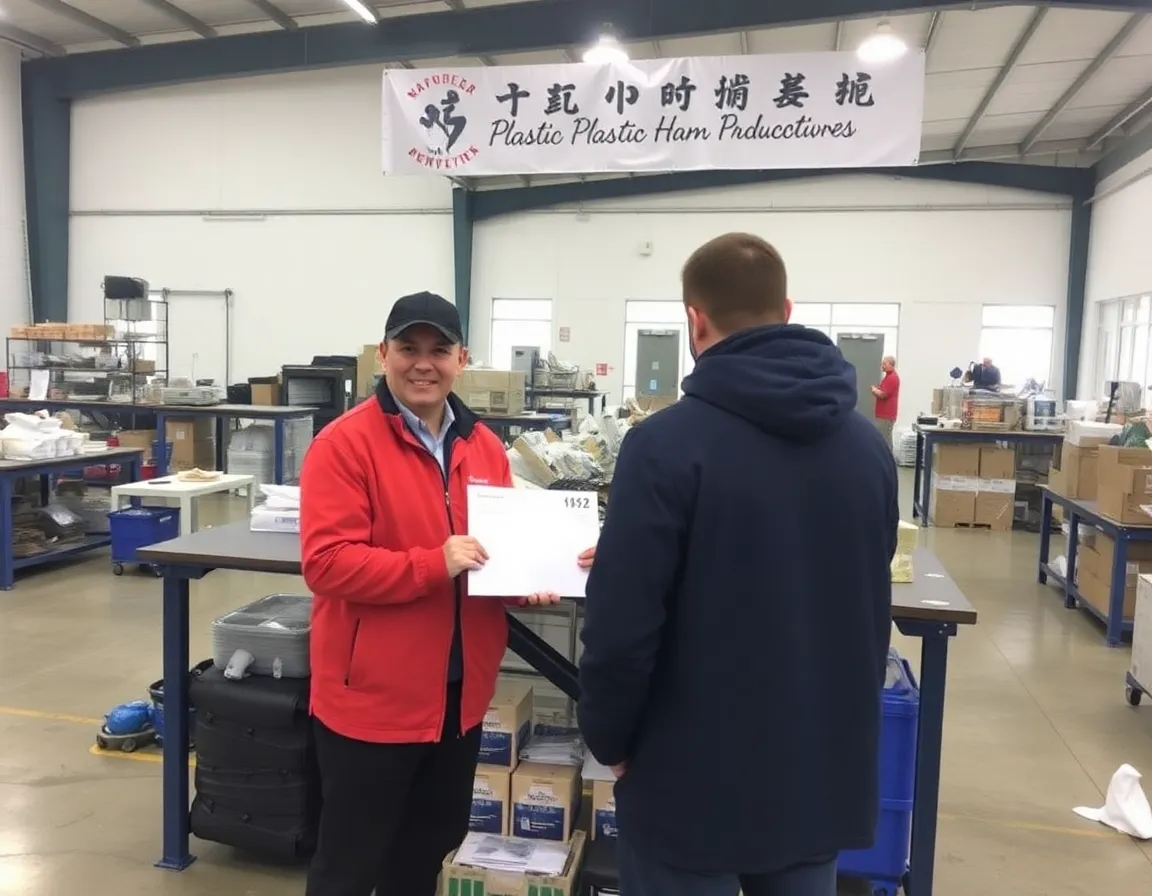
서론: 현대 제조업의 전략적 전환
오늘날 극도로 경쟁이 치열한 산업 환경에서 플라스틱 부품을 사내에서 제조할지 외부 전문성을 활용할지에 대한 결정은 전략 기획의 중추적인 지점이 되었습니다. 수십 년 동안 생산의 모든 단계를 통제하는 수직 통합이 견실한 기업의 표상이라는 것이 기본 가정이었습니다. 그러나 제조업의 경제성은 극적으로 변화했습니다. 전문화된 기계, 첨단 고분자 과학, 글로벌 공급망 네트워크의 부상으로 인해 산업용 플라스틱 부품 아웃소싱 단순히 실행 가능한 대안이 아니라 종종 더 우수한 선택이 되었습니다.
이 맥락에서 아웃소싱은 단순히 공급업체로부터 부품을 구매하는 것이 아니라, 사출 성형, CNC 가공 또는 열성형에 깊은 지식을 갖춘 계약 제조업체와 파트너십을 형성하는 것입니다. 이러한 파트너는 최첨단 장비와 숙련된 인력에 수백만 달러를 투자하여, 귀사가 자본 지출 없이 그러한 자산을 활용할 수 있게 해줍니다. 그럼에도 불구하고 많은 비즈니스 리더들은 현재의 생산 모델이 한계점에 도달했는지 확신하지 못한 채 여전히 주저합니다. 전환 시점을 정확히 인식하는 것이 중요합니다. 너무 일찍 아웃소싱하면 품질이 저하될 수 있고, 너무 늦게 아웃소싱하면 이익 마진과 시장 대응력이 약화될 수 있습니다.
이 글은 귀사가 도약할 준비가 되었음을 보여주는 가장 확실한 다섯 가지 징후를 분석합니다. 이러한 지표를 이해함으로써 잠재적인 운영 병목 현상을 경쟁 우위로 전환하고, 내부 팀이 설계, 조립, 고객 관계와 같은 핵심 역량에 집중할 수 있도록 할 수 있습니다.
징후 #1: 자본 지출 및 유지보수 비용의 증가
산업용 플라스틱 부품 아웃소싱이 필요하다는 가장 명백하고 정량화 가능한 지표는 기계에 대한 끊임없는 자본 소모입니다. 사출 성형기를 운영하는 것은 일회성 구매가 아닙니다. 유지보수, 교정, 그리고 결국 교체의 연속적인 주기를 포함합니다. 계산해 보십시오. 고품질의 200톤 사출 성형기는 $150,000에서 $500,000 이상의 비용이 들 수 있습니다. 여기에 냉각기, 건조기, 분쇄기, 로봇 암과 같은 보조 장비 비용을 더하면 초기 투자액은 쉽게 7자리를 넘어섭니다.
구매 가격 외에도 다운타임. 이라는 숨겨진 비용이 있습니다. 사내 기계가 고장 나면 수리 기술자 비용만 지불하는 것이 아닙니다. 유휴 인력, 납품 기한 미준수, 대체 부품의 긴급 배송 비용을 지불하게 됩니다. 또한 복잡한 유압 또는 전기 시스템의 문제를 해결하는 데 필요한 전문 지식은 희소합니다. 플라스틱 가공만을 위한 전임 유지보수 엔지니어를 고용하는 것은 중견 기업에게 재정적으로 부담이 되는 경우가 많습니다.
수직 계열화의 "숨겨진 비용" 함정
많은 기업이 기존 기계를 "이미 비용이 지불된" 것으로 간주하는 함정에 빠집니다. 그러나 이것은 매몰 비용 오류입니다. 진정한 비용은 자본의 기회비용 에 있습니다. 새 금형에 고려 중인 $300,000은 대신 신제품 라인의 R&D나 새로운 지역으로 확장하기 위한 마케팅에 할당될 수 있습니다. 아웃소싱 파트너는 이러한 고정 비용을 여러 고객에게 분산하므로 실제로 사용하는 기계 시간에 대해서만 비용을 지불합니다. 연간 유지보수 예산이 총 기계 가치의 15%를 초과하거나 금형 비용이 너무 높아 신제품 출시를 지연하고 있다면, 아웃소싱이 더 합리적인 경제적 선택이라는 명확한 재무적 신호입니다.
징후 #2: 생산 능력 제약과 "최대 수요" 딜레마
모든 제조업체는 변동하는 주문량이라는 과제에 직면합니다. 안정적인 기본 생산량이 있을 수 있지만, 주요 고객이 새 계약을 체결하거나 계절적 수요 급증이 발생하면 어떻게 됩니까? 사내 생산 현장이 이미 85%의 가동률로 운영되고 있다면 심각한 문제가 있습니다. 이 임계값을 초과하면 품질 저하, 과도한 초과 근무 수당, 직원 소진으로 이어집니다.
최대 수요를 사내에서 충족하려고 하면 두 가지 좋지 않은 선택지가 있습니다. 비즈니스를 거절하거나, 비수기 동안 유휴 상태로 있을 추가 생산 능력에 투자하는 것입니다. 산업용 플라스틱 부품 아웃소싱은 이러한 탄력성 문제에 대한 우아한 해결책을 제공합니다. 계약 제조업체는 귀사 생산 라인의 연장선, 며칠 내에 확장 또는 축소가 가능하며, 몇 달이 걸리지 않습니다.
골칫거리 없는 유연성
1차 자동차 부품 공급업체의 시나리오를 생각해 보십시오. 특정 커넥터 하우징에 대한 주문이 갑자기 급증할 수 있습니다. 그들의 내부 기계는 장기간 대량 생산되는 부품에 전용으로 사용되고 있습니다. 전환을 강제하면 비용이 많이 드는 교체 작업이 필요하고 주요 제품의 품질이 위험해질 수 있습니다. 2차 부품을 가용 기계 시간이 있는 전문 업체에 아웃소싱함으로써 공급업체는 핵심 생산 효율성을 희생하지 않고도 납기 일정을 유지할 수 있습니다.
원자재 부족 때문이 아니라 "기계 가용성" 때문에 고객에게 계속 더 긴 리드 타임을 제시하고 있다면, 내부 역량이 한계를 넘어선 것입니다. 신속한 처리 시간을 보장할 수 없다는 것은 고객 충성도를 조용히 죽이는 요인입니다. 아웃소싱을 통해 파트너가 초과 물량을 흡수할 수 있는 여유 용량을 갖추고 있음을 알고 속도와 신뢰성을 약속할 수 있습니다. 영업팀이 "생산 흐름을 망친다"는 이유로 소량 주문을 거절하고 있다면, 아웃소싱 파트너가 쉽게 확보할 수 있는 수익을 놓치고 있는 것입니다.
징후 #3: 특수 폴리머 및 공정 전문성 부족
플라스틱은 단일 소재가 아니라 각기 특정한 융점, 유동 속도, 수축 특성 및 내화학성을 지닌 폴리머의 세계입니다. PEEK(폴리에테르에테르케톤)와 같은 고성능 엔지니어링 수지를 가공하는 것은 범용 폴리프로필렌을 가공하는 것과 근본적으로 다릅니다. 사내 팀이 표준 소재에만 능숙하다면 제품 설계 가능성을 심각하게 제한하고 있는 것입니다.
현대 산업용 플라스틱 부품 아웃소싱은 소재 과학 전문성. , 최상위 아웃소싱 파트너는 가스 보조 사출 성형, 인서트 성형, 투샷 성형의 미묘한 차이를 이해하는 공정 엔지니어를 고용하고 있습니다. 그들은 웰드 라인을 방지하기 위해 금형 게이트를 설계하는 방법을 알고 있으며, 유리 섬유 강화 나일론의 뒤틀림을 방지하는 데 필요한 냉각 속도를 이해하고 있습니다. 현재 제품이 팀이 해결할 수 없는 외관 결함이나 치수 불일치로 인해 높은 불량률을 겪고 있다면, 이는 단순한 기계 문제가 아니라 지식 부족의 신호입니다.
교육 비용 없이 첨단 기술에 접근
금형 내 센서나 비전 검사 시스템과 같은 최신 자동화 및 품질 검사 시스템에 대해 직원을 인증하고 교육하는 것은 지속적인 비용입니다. 아웃소싱 파트너는 이러한 기술을 핵심 역량으로 삼습니다. 그들은 종종 ISO 13485(의료) 또는 IATF 16949(자동차) 인증을 받았으며, 이는 범용 제조업체가 유지하기 어려운 엄격한 문서화와 공정 관리를 요구합니다.
고객이 더 엄격한 공차(예: ±0.005mm)로 부품을 생산하거나 가수분해를 방지하기 위해 특수 건조 오븐이 필요한 소재를 사용하도록 요구하고 있으며, 현재 설비가 이를 처리할 수 있을지 확신이 없다면 이것이 세 번째 결정적 신호입니다. 내부적으로 비용이 많이 드는 시행착오 단계를 거치는 대신, 다른 고객을 위해 이미 이러한 문제를 해결한 파트너의 전문성을 활용하는 것이 현명한 길입니다. 이 전문성은 제조 가능성 설계(DFM)로도 확장됩니다. 좋은 아웃소싱 파트너는 종종 부품을 더 얇고 가볍고 강하게 재설계하여 전체 소재 비용을 절감해 줍니다.
징후 #4: 일관성 없는 품질과 증가하는 폐기율
품질은 최종 검사만의 문제가 아니라 공정 안정성의 문제입니다. 폐기율, 재작업 또는 고객 반품이 증가하는 추세를 발견한다면 내부 공정이 저하되고 있을 수 있습니다. 이는 노후화된 금형, 작업자 피로 또는 공장 현장의 일관성 없는 환경 조건(습도 및 온도)에서 비롯될 수 있습니다. 품질이 저하되면 브랜드 평판도 함께 저하됩니다.
산업용 플라스틱 부품 아웃소싱은 다음을 통해 해결책을 제공합니다 Statistical Process Control (SPC) and validated processes. Reputable outsourcers run their machines continuously, monitoring parameters in real-time. They have robust preventive maintenance schedules for their molds and presses. In contrast, an in-house operation often runs a mold until it breaks, then patches it up, leading to a "sawtooth" quality pattern—excellent right after repair, deteriorating until the next failure.
The Cost of Rework vs. The Cost of Partnership
Calculate your true cost of quality. If you are spending more than 10% of your manufacturing cost on scrap disposal, rework labor, and warranty claims, you are operating an inefficient facility. In many cases, a specialized outsourcer can achieve defect rates of less than 100 parts per million (PPM), while a general in-house shop might struggle to stay below 5,000 PPM. The disparity is not due to a lack of effort from your team, but rather a lack of dedicated focus.
Moreover, consider the risk of liability. In industries like medical devices or aerospace, a faulty plastic part can lead to catastrophic consequences and lawsuits. Outsourcing to a partner with validated processes and full traceability (from raw material lot to final packaging) transfers that compliance burden to them. If your internal quality audits are becoming increasingly complex, or if you are failing customer audits due to inadequate documentation, this is a critical sign that your operational maturity is not aligned with your market requirements. Outsourcing allows you to tap into a quality management system that is already battle-tested.
Sign #5: Strategic Focus Dilution and Internal Resource Strain
The final sign is often the most overlooked because it is intangible: your management bandwidth. Manufacturing plastic parts is a complex logistical dance involving raw material procurement, scheduling, inventory management, and shipping. If your key managers are spending 60% of their time firefighting production issues—chasing down material shortages, hiring temporary machine operators, or expediting maintenance—they are not focusing on what truly drives growth: product innovation, customer acquisition, and strategic partnerships.
Industrial plastic part outsourcing is fundamentally a management strategy. By transferring the operational burden of plastic production to a partner, you free up your internal team to focus on the "higher value" activities of your business. For example, if you are a manufacturer of medical devices, your value lies in the electronics, the software, and the clinical validation—not necessarily in molding the plastic housing. By outsourcing the housing, your engineers can spend more time on the software algorithms that differentiate your product in the marketplace.
Reducing Overhead and Increasing Agility
Furthermore, maintaining an in-house molding department requires significant administrative overhead. You need to manage labor relations, shift schedules, and safety compliance (OSHA) for that specific department. When you outsource, you convert a fixed cost structure into a variable cost structure. You no longer have to pay for idle labor during slow months. This financial flexibility is crucial for surviving economic downturns.
If you are constantly postponing new product development projects because "we don't have the engineering time to design the mold" or "we are too busy putting out fires on the production line," you are sacrificing your future for the present. A partner can handle the entire mold design and fabrication process, providing you with a turnkey solution. This allows you to launch new products faster than your competitors who are bogged down by internal resource constraints. If your company's growth is being throttled by the limitations of your own production floor, it is time to accept that outsourcing is not a failure of internal capability, but rather a strategic leveraging of external excellence.
Conclusion: Making the Transition Seamlessly
Recognizing these five signs is the first step towards a more profitable and agile operation. The transition to industrial plastic part outsourcing does not happen overnight. It requires a deliberate evaluation of potential partners, including site visits, quality audits, and pilot runs. However, the benefits are profound: reduced capital risk, access to cutting-edge technology, guaranteed quality, and the strategic freedom to grow your core business.
In an era where speed-to-market and cost efficiency dictate survival, clinging to outdated internal manufacturing methods out of habit is a dangerous luxury. Whether you are facing exorbitant maintenance costs, capacity bottlenecks, knowledge gaps, quality inconsistencies, or management overload, the solution is clear. The most successful companies of the next decade will not be those that do everything themselves, but those that orchestrate a network of world-class specialists. Industrial plastic part outsourcing is not a sign of weakness; it is a badge of strategic intelligence. Evaluate your operations against these five signs today, and take the bold step toward a leaner, more focused, and more competitive future.