
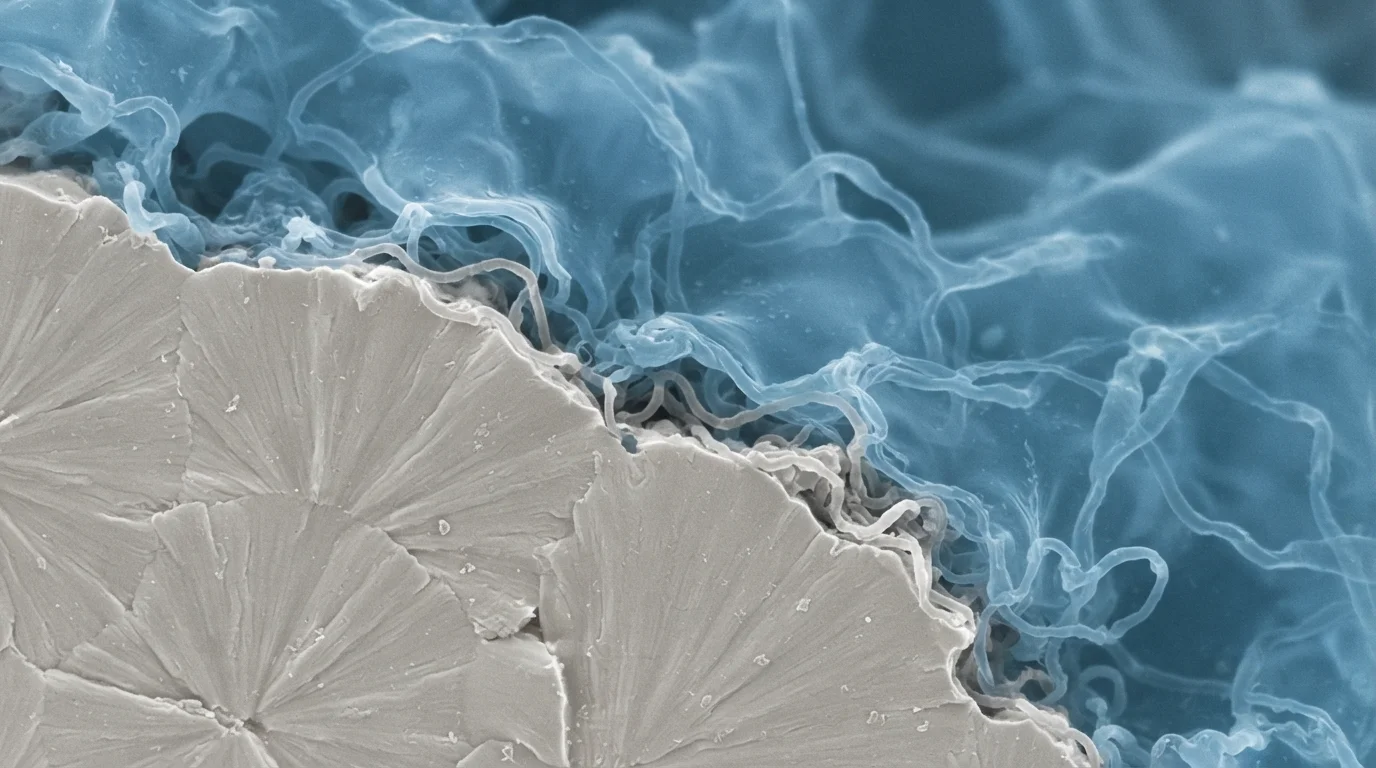
현대 제품 설계는 점점 더 단일 통합 구조 내에서 여러 재료 특성, 색상 또는 기능적 레이어를 결합한 구성 요소를 요구합니다.
전통적인 제조는 별도의 단일 재료 성형 후 2차 수동 조립에 의존하여 공차 누적 오류, 정렬 위험 및 장기적인 인건비 증가를 초래합니다.
다중 재료 공정은 단일 연속 제조 사이클 내에서 서로 다른 폴리머를 융합할 수 있게 하여 이러한 문제를 해결합니다.

실행 2액 사출 성형—흔히 2K 성형 또는 이중 사출 성형이라고도 함—은 하나의 연속 기계 사이클 동안 두 가지 서로 다른 열가소성 플라스틱을 통합 금형 도구에 주입하는 것을 포함합니다.
JUCHENG은 수직 통합 계약 제조업체로 운영되며, 인증된 품질 시스템 하에서 복잡한 2K 제품 개념을 정밀 하드웨어 구성 요소로 변환합니다.
목차
2액 사출 성형의 작동 방식 및 금형 정밀도
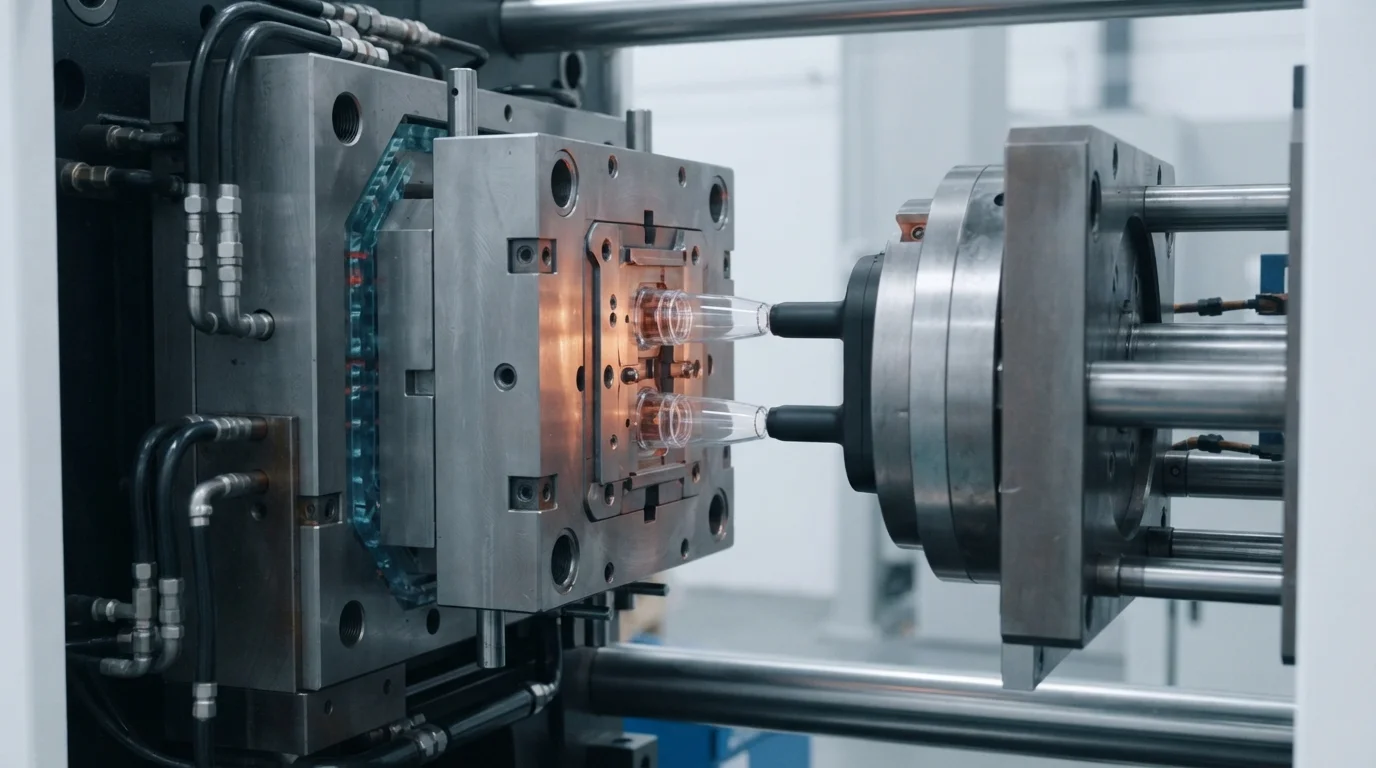
1차 사출은 일반적으로 폴리카보네이트(PC), ABS 또는 유리 충전 폴리아미드(PA66)와 같은 강성 열가소성 플라스틱을 사용하여 구조적 기판을 형성합니다.
1차 사출이 냉각되면 금형 플래튼이 정밀 회전 장치를 사용하여 180도 회전합니다.
2차 사출은 열가소성 엘라스토머(TPE) 또는 열가소성 폴리우레탄(TPU)과 같은 연질 엘라스토머를 따뜻한 기판 위에 직접 주입하여 영구적인 분자 결합을 형성합니다.
금형 제작은 2K 부품의 차단 정밀도와 플래시 없는 오버몰딩을 직접적으로 결정합니다.
8,000제곱미터 규모의 당사 시설에는 25세트의 5축 CNC 머신, 고속 싱커 EDM 커터, 정밀 표면 연삭기를 갖춘 사내 금형실이 있습니다.
2K 몰드 코어를 내부에서 가공하여 ±0.01mm의 제조 공차를 유지하며, 회전식 차단 강재가 연질 고무가 경질 기재 경계 위로 플래시되는 것을 방지합니다.
내구성 있는 멀티샷 몰드 캐비티 가공에는 S136 스테인리스강과 H13 공구강을 포함한 프리미엄 경화강을 사용하며, HRC 48-52로 열처리합니다.
이러한 내식성 강재는 연마성 충전재와 산성 아웃가싱을 견디므로, 1,000,000회 이상의 생산 사이클을 보장하는 SPI Class 101 몰드를 제작할 수 있습니다.
디커플드 몰딩 원리를 구현하여 충전, 보압, 유지 단계를 분리하고, 중요한 밀봉 경계에서 CpK 및 PpK > 1.67을 달성합니다.
폴리머 호환성 및 계면 화학 결합 화학
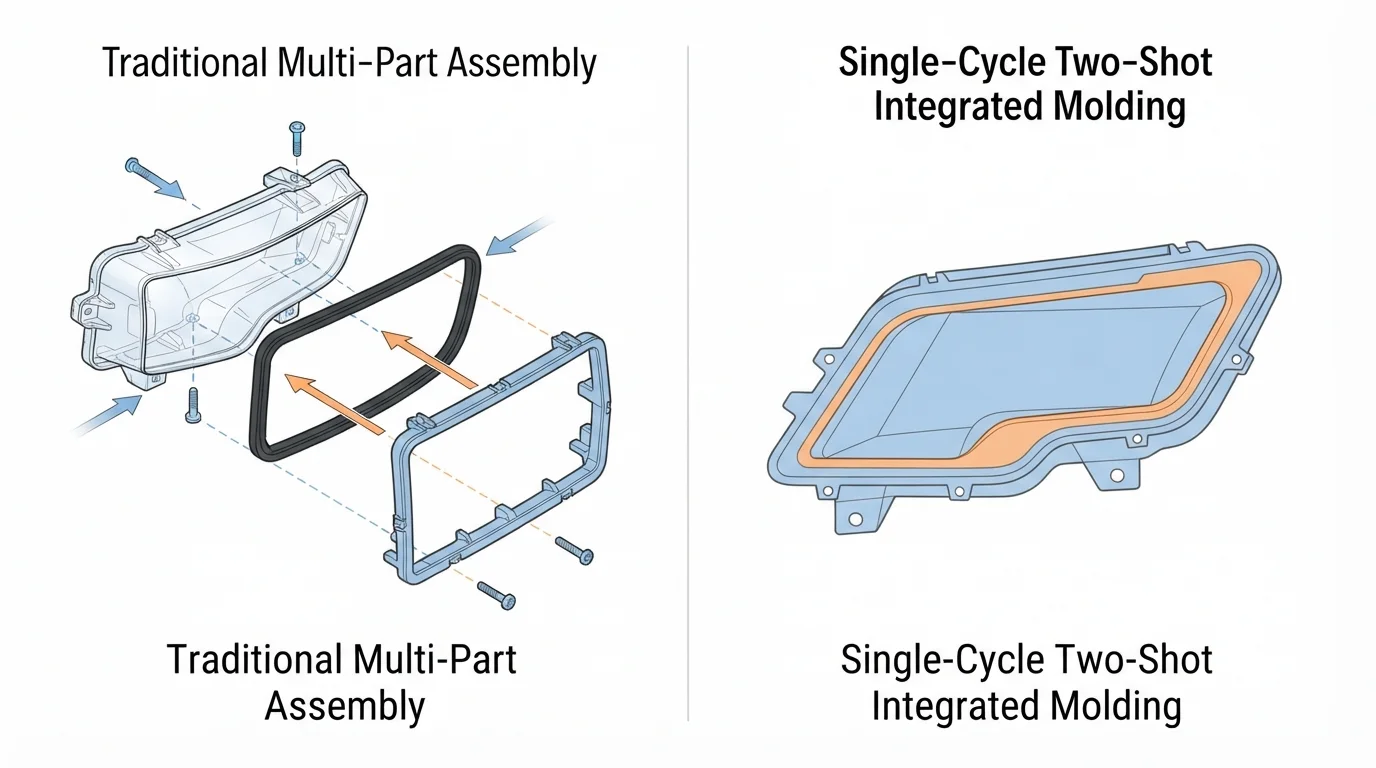
기재와 오버몰드 사이의 접착 강도는 부품의 구조적 내구성을 결정합니다.
화학적 결합은 호환 가능한 폴리머 계열이 유사한 용해도 파라미터와 용융 온도를 공유할 때 발생합니다.
2차 사출 동안 용융된 TPE 또는 TPU가 경질 기재의 외부 표면층을 용융시켜 계면 분자 확산과 폴리머 사슬 얽힘을 촉진합니다.
비호환 재료 조합(예: 무충전 폴리올레핀과 극성 엔지니어링 수지의 조합)은 자연적으로 화학 결합을 형성할 수 없습니다.
화학적 호환성이 낮은 경우, 당사 금형 설계자는 더브테일, 언더컷 또는 기계적 관통홀과 같은 기계적 인터록을 통합합니다.
기계적 앵커는 두 번째 재료를 기재에 물리적으로 고정하여 동적 박리 응력 하에서 계면 박리를 방지합니다.
| 경질 기재 재료 | 호환 가능한 오버몰드(TPE/TPU) | Bonding Mechanism | Engineering Recommendation |
|---|---|---|---|
| ABS / PC+ABS 합금 | SEBS계 TPE / TPU | 우수한 화학적 융합 | Maintain 2nd shot melt temp 10-20°C below PC/ABS Tg. |
| 폴리카보네이트(PC) | Ester-based TPU / TPE | Strong Molecular Diffusion | Preheat mold substrate cavity to 70-90°C. |
| Polyamide 66 (PA66-GF) | 접착 개질 TPE / 산토프렌 | Moderate Chemical + Mechanical | Incorporate mechanical undercuts or dovetails. |
| 폴리프로필렌 (PP) | 올레핀계 TPE / TPV | Good Non-Polar Fusion | Avoid polar elastomers; ensure clean parting lines. |
Automotive and Medical Quality Standards
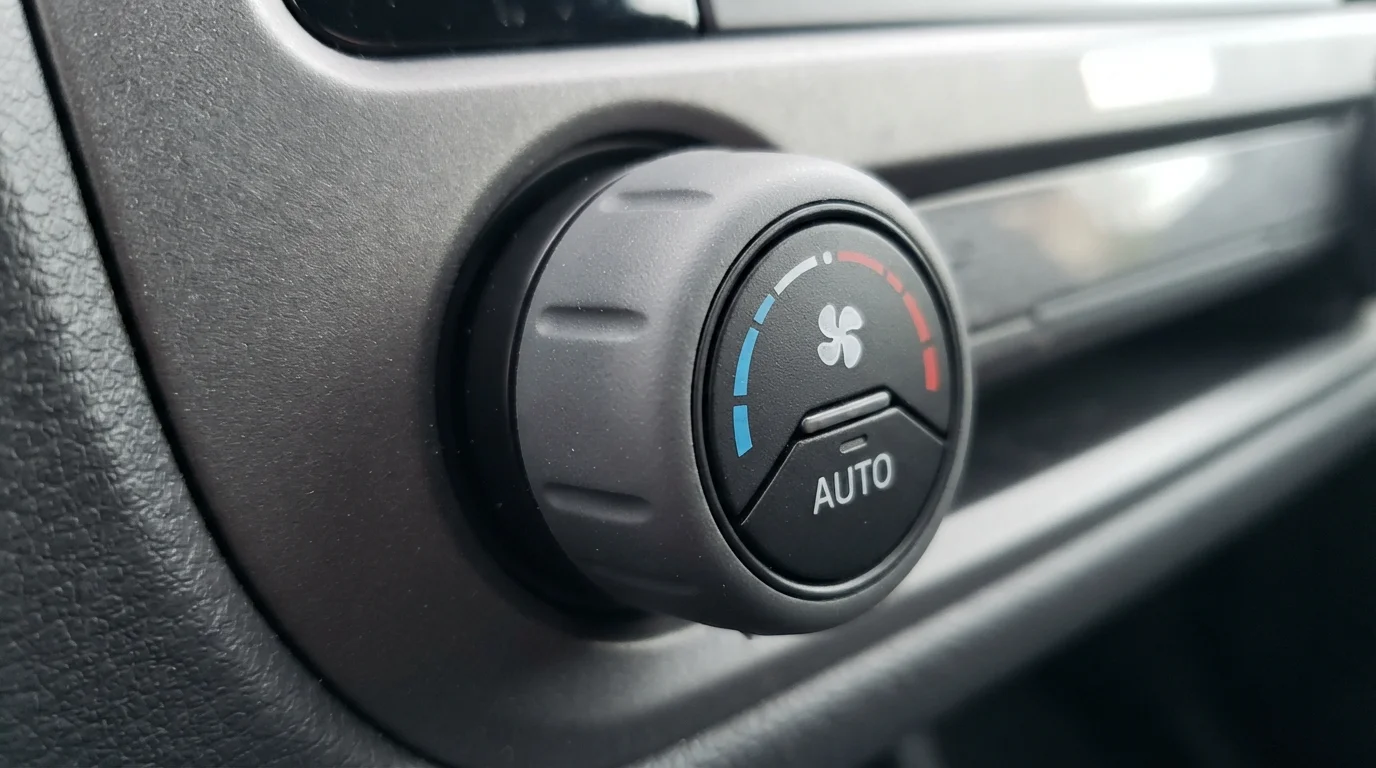
Automotive applications heavily utilize multi-material molding for interior control knobs, ergonomic door handles, and IP67 weather seals.
Quality verification protocols conform to IATF 16949 automotive standards, supplying complete PPAP Level 3 documentation packages including Failure Mode and Effects Analysis (FMEA), process control plans, and raw material Certificate of Analysis (COA) records.
Medical device manufacturers rely on two shot injection molding for surgical tool handles, fluidic diagnostic cartridges, and self-sealing septum caps.
Operating an ISO Class 8 cleanroom molding department under ISO 13485 certification protects sterile 2K components from airborne particulate contamination during molding and drop-packaging.
Metrology inspections utilize automated Zeiss CMM machines with scanning precision of ±0.003 mm, OGP optical measurement systems, and online moisture analyzers.
Every production lot undergoes complete First Article Inspection (FAI) reporting and 100% material traceability verification.
Scaling from Prototyping to High-Volume Production
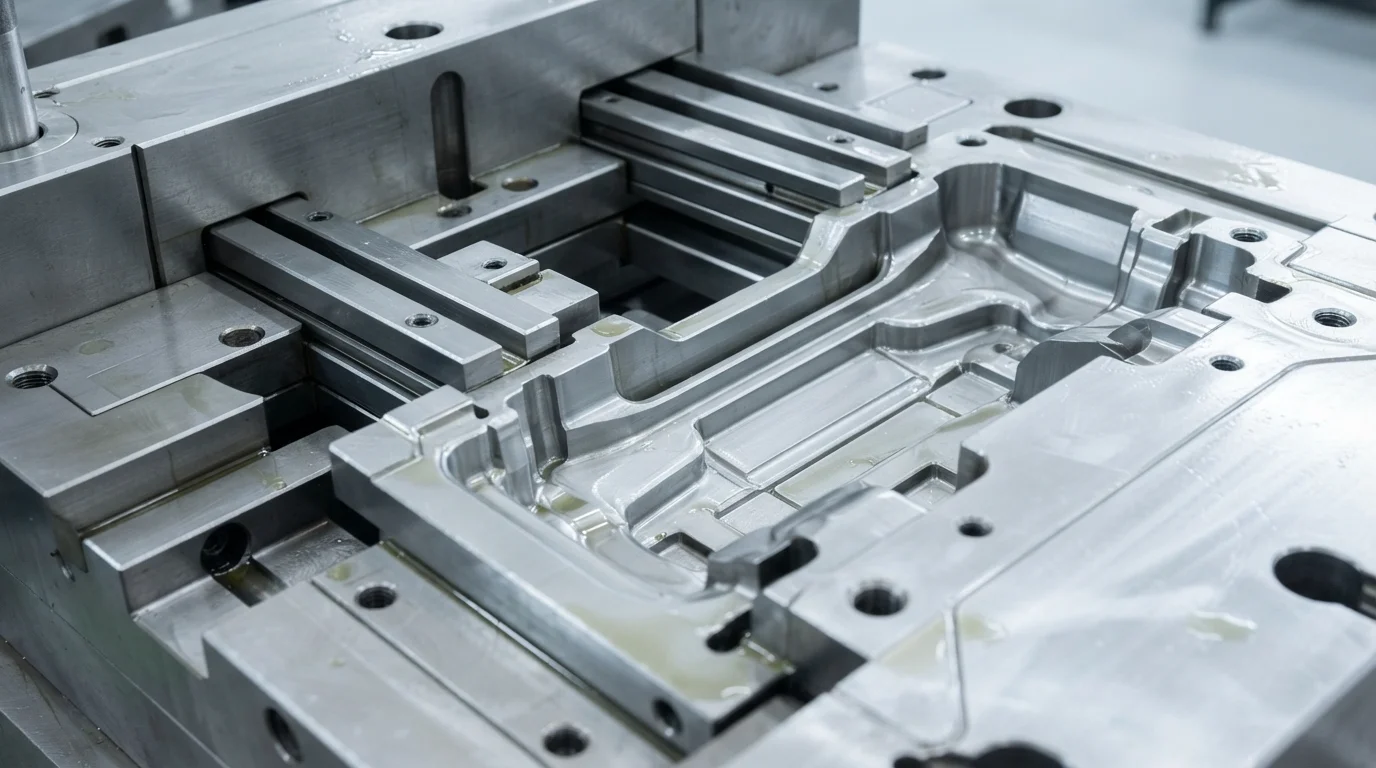
Evaluating 2K molding options allows product development teams to balance upfront NRE budgets against long-term unit cost targets.
Machine clamping capacity ranges from 15T to 3000T across 35+ automated injection presses equipped with independent dual barrels and hydraulic or servo-electric rotary platens.
Rapid 2K bridge tooling delivers functional prototype samples in as fast as 7 to 10 business days.
Transitioning to series production is seamless under our single-source manufacturing model.
Supporting low-volume bridge production up to automated runs exceeding 100,000 parts per month, JUCHENG provides predictable unit costs and guaranteed mold maintenance.
Delivering a comprehensive DfM review within 24 hours of CAD file submission optimizes draft angles, shut-off geometry, and gating layouts before cutting tool steel.
자주 묻는 질문 (FAQ)
What causes delamination between the two materials in 2K molding?
Delamination occurs when polymer chemistries are incompatible or when the substrate cools excessively before the second shot. Injecting the second material onto a cold substrate prevents molecular diffusion across the interface. Raising substrate mold temperatures or selecting chemically matched TPE/TPU grades resolves delamination.
How does 2K molding differ from conventional overmolding?
Two shot molding completes both injections within a single machine cycle using a specialized rotary tool. Conventional overmolding requires molding the substrate on one machine, manually transferring it, and molding the overmold on a second machine. Two shot molding offers faster cycle times and superior bond strength.
What is the minimum wall thickness for 2K overmolding layers?
Minimum wall thickness for TPE or TPU overmold layers typically ranges from 1.0 mm to 1.5 mm. Thinner layers increase injection resistance and risk short shots, while excessively thick layers cause sink marks and prolonged cooling times.