
Automotive battery packs require robust environmental seals to prevent water, dust, and glycol coolant ingress. Ingress protection ratings of IP67 and IP69K are mandatory to safeguard high-voltage electronics from short circuits. Selecting elastomeric materials that maintain physical elasticity under constant compressive loads remains a key design challenge. This technical blog compares thermoplastic elastomers with thermoset rubbers, detailing overmolding processes and sealing performance.
목차
TPV vs. EPDM: Why Santoprene is the Ideal Choice for EV Seals
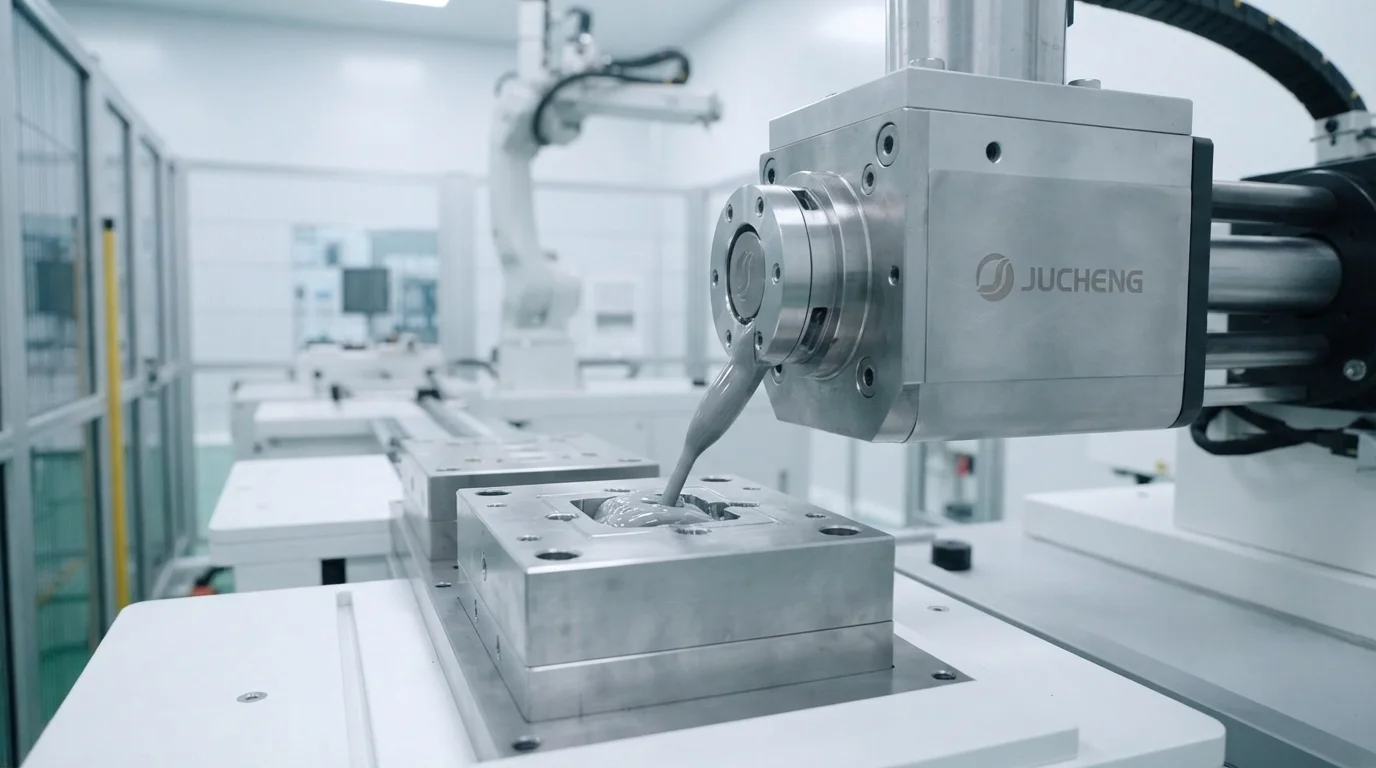
Achieving airtight seal reliability in electric vehicle (EV) battery packs relies heavily on custom molding thermoplastic vulcanizate TPV battery gaskets rather than using traditional thermoset rubbers. EPDM has been the industry standard for industrial sealing for decades. However, processing EPDM requires long curing cycles inside the mold, limiting production throughput. Comparing long-term performance metrics proves why custom molding thermoplastic vulcanizate TPV battery gaskets outperform conventional EPDM seals in modern automated pack designs.
TPV combines the processing ease of thermoplastics with the elastic recovery of vulcanized rubber. Key performance advantages of Santoprene TPV over EPDM include:
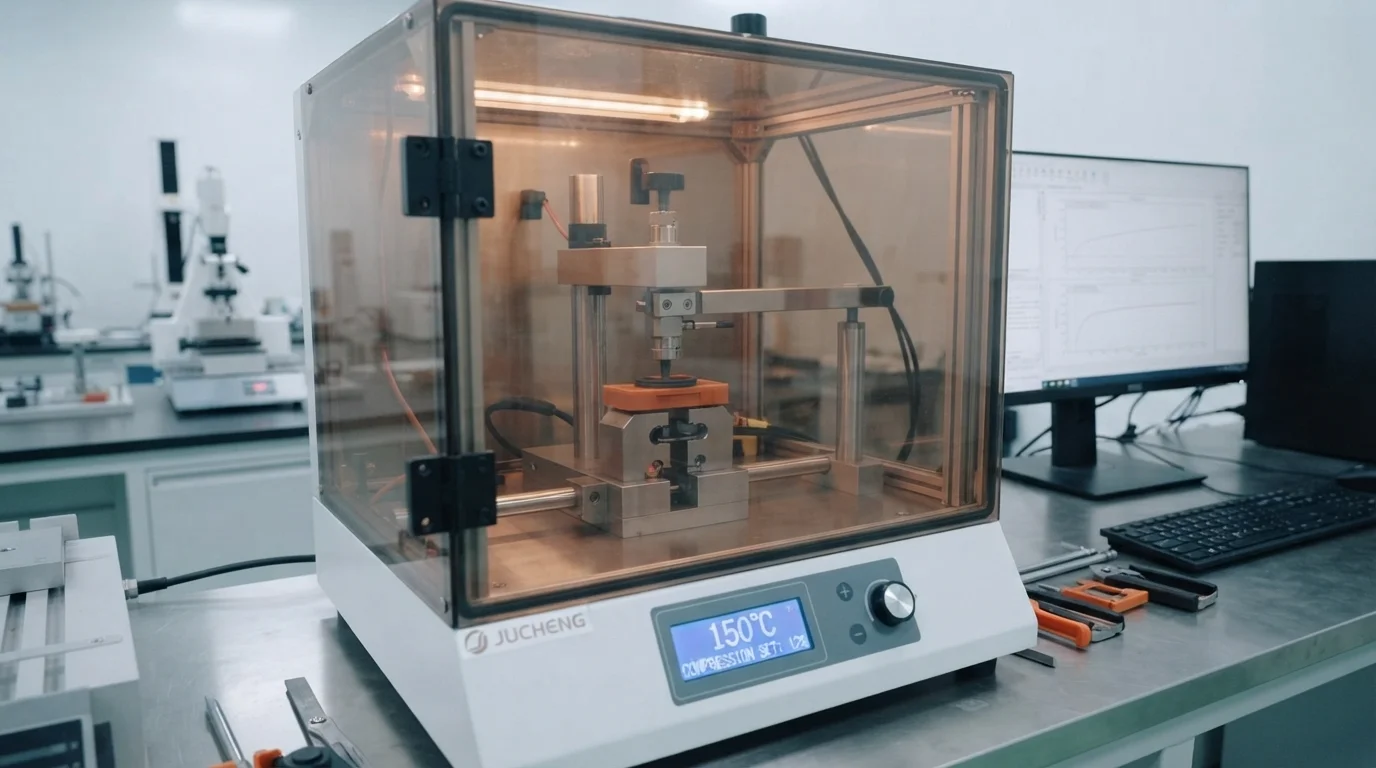
- Compression set—TPV retains its elastic recovery under continuous structural load, preventing seal gaps from forming over long vehicular lifetimes.
- Processing speed—Thermoplastic cycle times are up to ten times faster than curing-dependent thermoset EPDM, which maximizes daily output.
- Chemical compatibility—상톤프렌(Santoprene) 등급은 고전압 열 시스템에 사용되는 글리콜-물 냉각수에 노출될 때 팽윤에 저항합니다.
- 재활용성—스크랩 재료는 재분쇄 및 가공되어 환경 발자국과 제조 폐기물을 줄일 수 있습니다.
경화 시간을 제거하면 가공 엔지니어가 사이클 시간을 30~45초로 최적화할 수 있습니다. 열경화성 고무는 샷당 몇 분이 필요할 수 있어 금형 및 기계 비용이 증가합니다. 따라서 고성능 엘라스토머를 선택하면 비반복 엔지니어링 비용이 절감됩니다.
맞춤형 TPV 개스킷의 2색 사출 성형 및 인서트 사출 성형
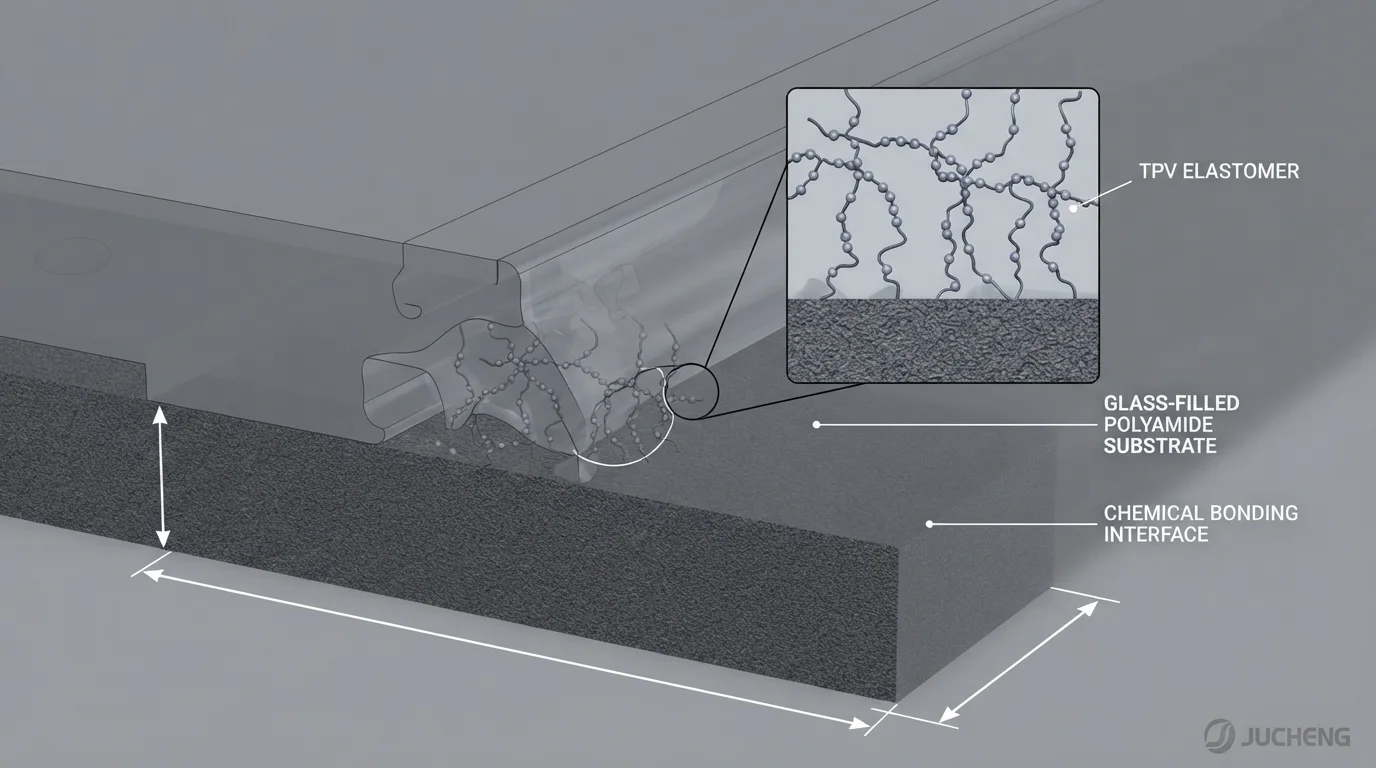
구현 custom molding thermoplastic vulcanizate TPV battery gaskets 2색 사출 성형을 통한 구현은 수동 개스킷 삽입을 제거합니다. 수동 조립은 종종 정렬 오류, 국부적 씰 꼬임 또는 접착 실패를 유발합니다. 다중 샷 사출 성형(2K 성형)은 단일 금형 툴 내에서 강성 하우징 기판과 엘라스토머 씰을 동시에 사출합니다. 첫 번째 사출 샷 동안 기계는 유리 충전 폴리아미드 또는 PC/ABS로 강성 프레임을 성형합니다. 기판이 고화되면 금형 플래튼이 회전하고 두 번째 샷이 TPV를 씰링 그루브에 직접 사출합니다.
두 재료가 빠르게 연속 성형되기 때문에 계면에서 분자 결합이 형성됩니다. 이 화학적 접착은 고압 팩 조립 중 개스킷이 벗겨지거나 이동하는 것을 방지합니다. 견고한 결합을 달성하려면 가공 매개변수를 정밀하게 제어해야 합니다:
- 기판 온도 제어—강성 하우징 기판을 유리 전이 온도 이상으로 유지하면 TPV 사슬이 계면에서 상호 확산될 수 있습니다.
- 회전 플래튼 정렬—금형 코어를 서브밀리미터 정밀도로 회전시키면 금형 셧오프 불일치를 방지하여 플래싱을 제거합니다.
- 계면 결합 속도—기판이 고화된 직후 TPV를 사출하면 응집성 계면 용접이 생성됩니다.
- 셧오프 씰 압력—Clamping the elastomer mold faces with sufficient pressure prevents the low-viscosity TPV melt from spilling.
Applying high-precision custom molding thermoplastic vulcanizate TPV battery gaskets ensures that our EV용 맞춤형 플라스틱 배터리 하우징 achieve IP67 environmental sealing to pass testing. By combining precision tooling with IATF 16949-certified quality systems, JUCHENG delivers a reliable manufacturing path. Our engineering group provides comprehensive DfM reviews within 24 hours to optimize your structural component designs.
자주 묻는 질문 (FAQ)
What is the typical compression set recovery of TPV at elevated temperatures?
TPV grades like Santoprene exhibit excellent compression set resistance, typically retaining over 75% of their elastic recovery after continuous exposure to 100°C. Thermoset EPDM behaves similarly, but TPV achieves this physical recovery without requiring chemical vulcanization cycles inside the injection tool. This permanent elasticity prevents the seal from relaxing over years of vehicular operation, maintaining robust ingress protection.
How do you achieve strong chemical adhesion between TPV and polyamide substrates?
Selecting the correct adhesion-modified TPV grade is critical to ensure compatibility with polar substrates like glass-filled nylon. Regular TPV does not bond chemically with polyamide without a primer or adhesive. Using specialized overmolding TPV grades allows polymer chains to interdiffuse at the melt interface during the second shot, creating a covalent bond that prevents peeling. Mold temperature control also plays a key role, as warm tool faces facilitate chain mobility.
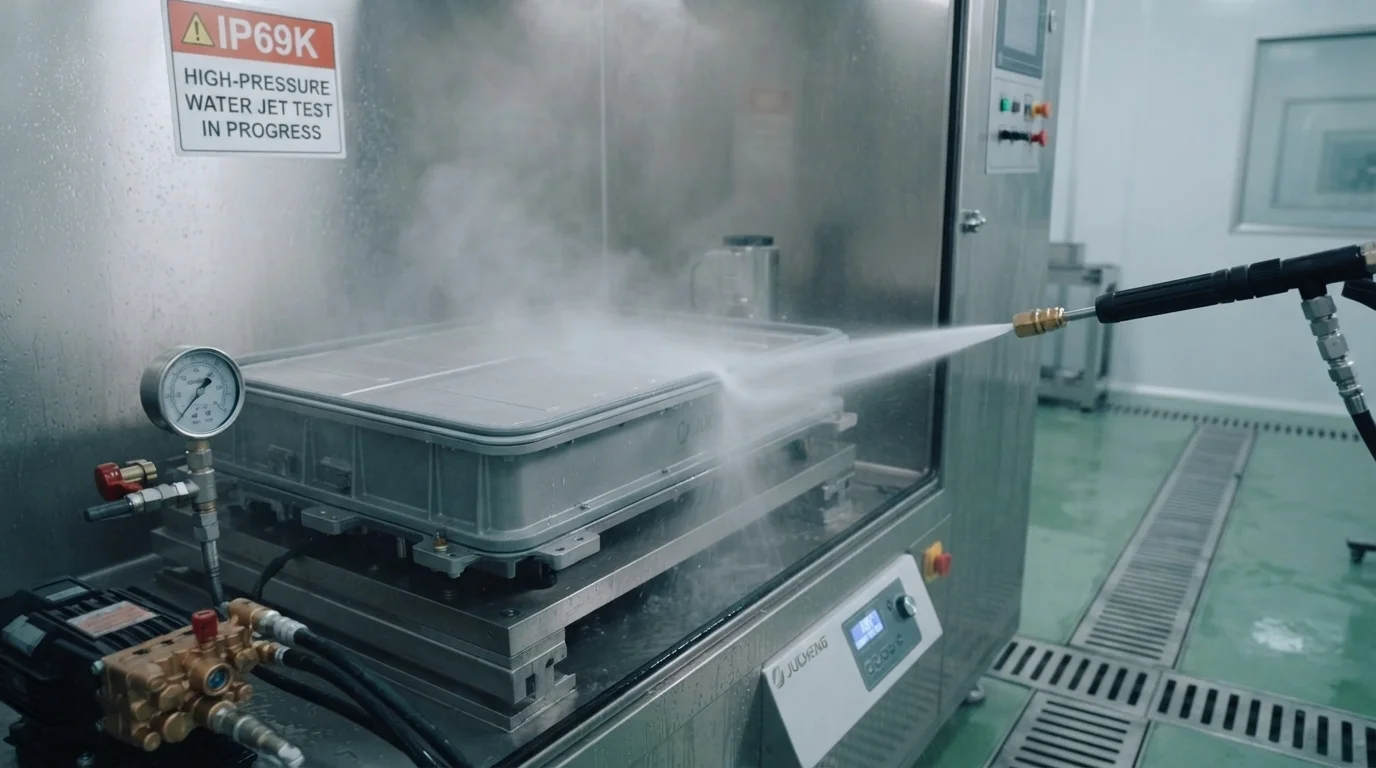
Can overmolded TPV gaskets survive high-pressure water jet washes (IP69K)?
Overmolded gaskets resist high-pressure water jets because they are physically locked inside precision-molded tongue-and-groove channels. Hand-applied foam or adhesive seals can peel off under dynamic water pressures, but overmolded elastomeric boundaries remain securely bonded. Designing deep mechanical interlocking features inside the rigid carrier further enhances the physical retention of the gasket, ensuring survival under IP69K test protocols.