Plastic Molding Insights
Read expert analyses on defect troubleshooting and materials. Have a complex design? Let our engineers review your project specifications today.
Consult Our Molding Specialists →
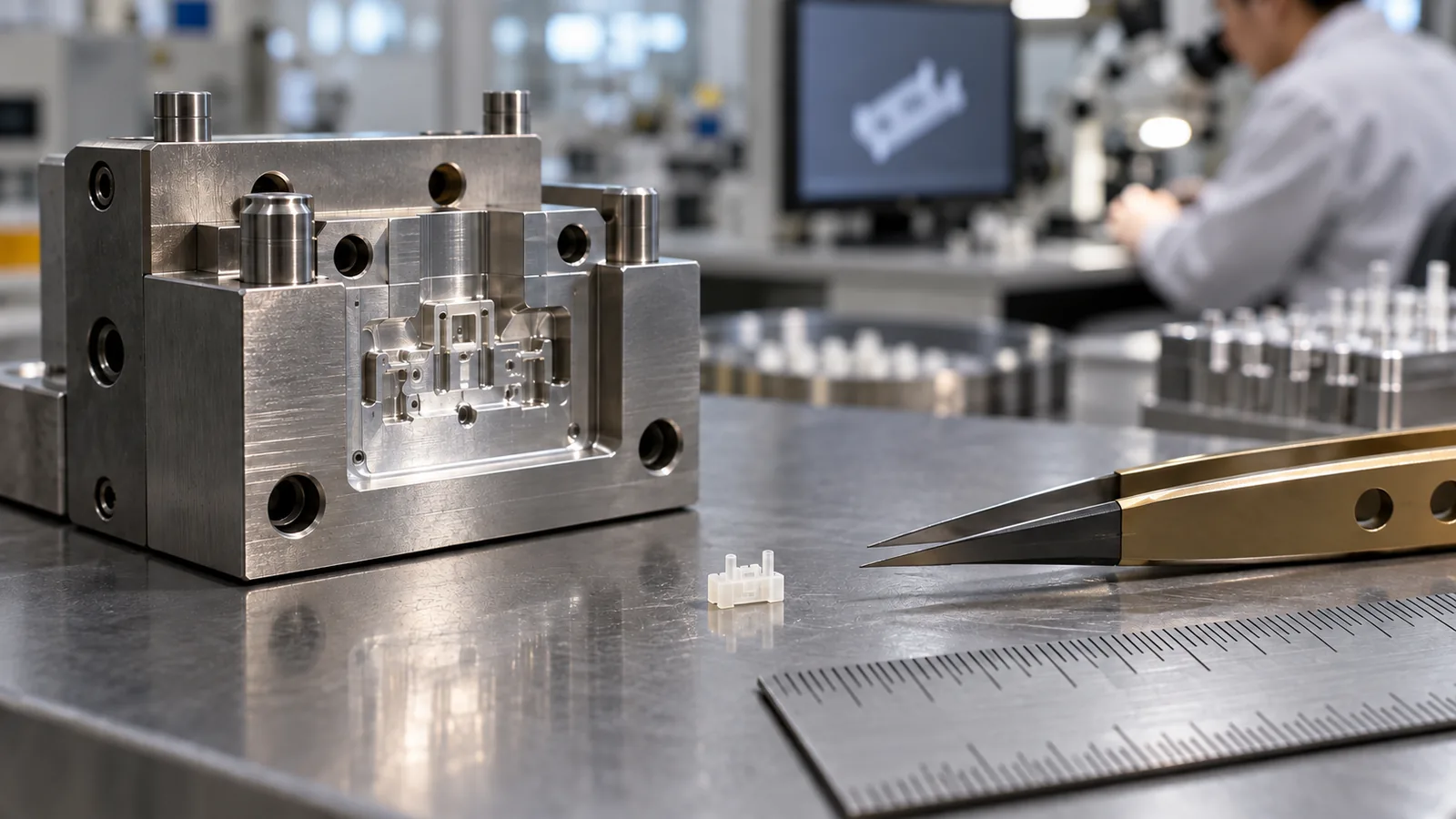
High-Precision Thin Wall Injection Molding for Electronics
Manufacturing lightweight electronics enclosures, medical microfluidic cards, and electric vehicle battery spacers requires molding polymer walls thinner than 0.8 mm. Standard injection molding machinery cannot fill such thin cross-sections because molten plastic cools and freezes before reaching the end of the cavity. Specifying high-speed thin wall injection molding overcomes these
READ MORE
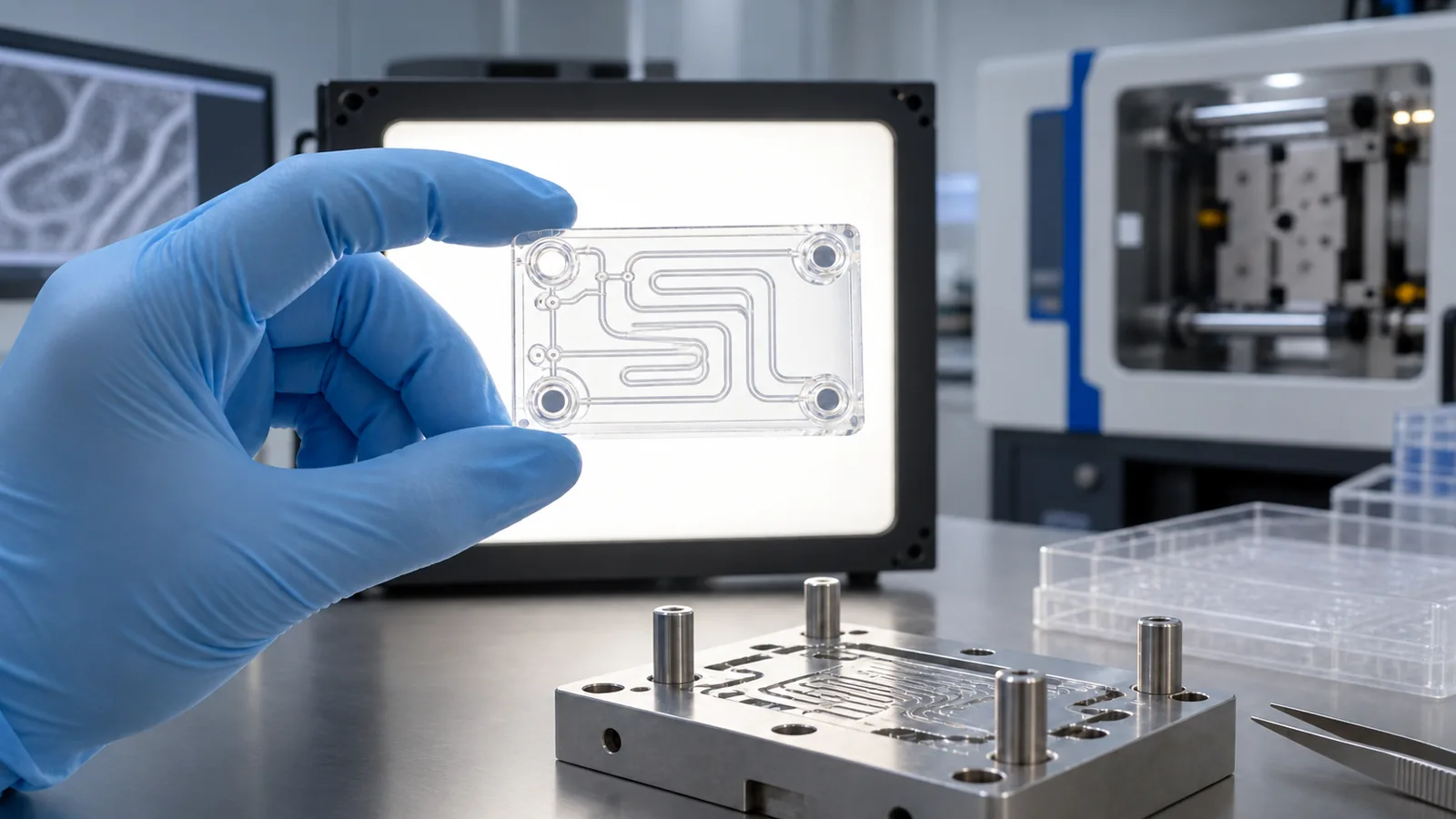
ISO Class 8 Cleanroom Injection Molding for Medical Parts
Medical device manufacturing and diagnostic microfluidics demand extreme environmental purity during polymer processing. Ambient airborne dust, particulate matter, and bio-burden contamination can ruin optical diagnostic chips or cause critical defects in sterile healthcare components. Specifying cleanroom injection molding provides medical product development teams with a controlled particle-free environment, ensuring that
READ MORE
Why Liquid Silicone Rubber (LSR) Injection Molding Seals
High-precision healthcare and automotive applications increasingly require flexible components capable of withstanding extreme thermal cycles and chemical exposure. Traditional thermoplastic elastomers often soften or suffer permanent compression set when exposed to continuous heat above 120°C. Specifying Liquid Silicone Rubber (LSR) Injection Molding solves these performance limitations by utilizing platinum-cured liquid
READ MORE
Specs for Overmolding Injection Molding: TPE and TPU Bonding
Manufacturing ergonomic hardware components requires fusing tactile soft-touch elastomers over rigid structural frameworks. Traditional mechanical assembly using fasteners or manual glues increases labor costs and creates potential failure points under cyclic fatigue. Specifying custom overmolding injection molding integrates soft elastomers directly onto rigid plastic substrates or metal inserts during processing.
READ MORE
Why Two Shot Injection Molding Outperforms Manual Assembly
Modern product design increasingly demands components that combine multiple material properties, colors, or functional layers within a single integrated structure. Traditional manufacturing relies on separate single-material molding followed by secondary manual assembly, introducing tolerance stack-up errors, alignment risks, and higher long-term labor costs. Multi-material processing resolves these challenges by enabling
READ MORE
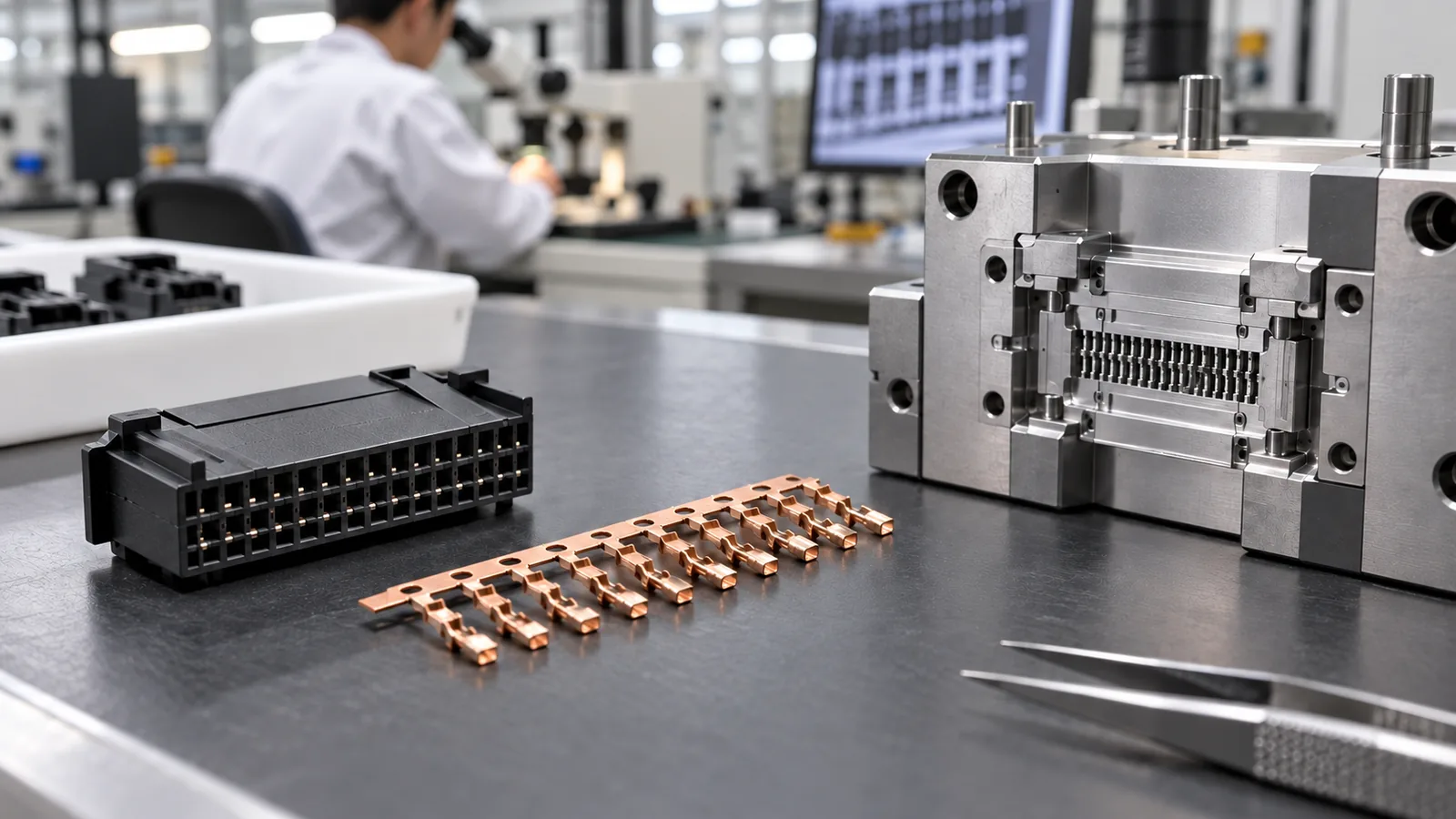
Custom Mold Making: Tooling Specs and Precision Tolerances
Precision hardware manufacturing relies heavily on high-integrity tooling fabrication. Transitioning custom product concepts from 2D engineering drawings into volume production requires meticulous cavity design and high-speed CNC milling. Delivering specialized custom mold making services requires machining mold cores and master frames internally to eliminate third-party supply chain delays. Operating as
READ MORE
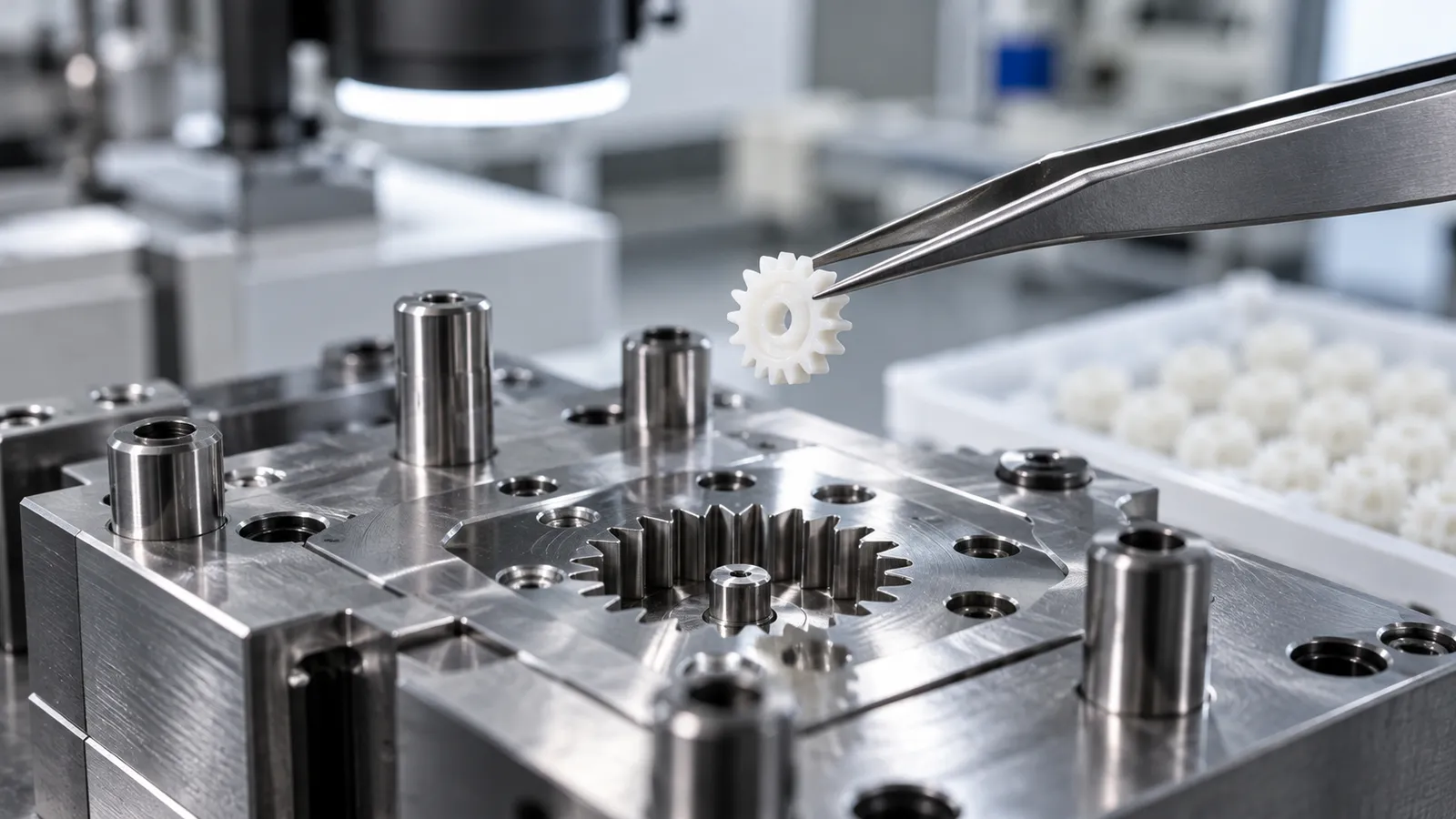
Precision Custom Plastic Injection Molding Solutions
Manufacturing custom high-precision components requires robust processing capabilities, specialized tooling, and strict quality assurance. Transitioning complex hardware designs from initial engineering concepts into continuous series production is the ultimate scaling challenge. JUCHENG delivers comprehensive plastic injection molding solutions from T1 rapid tooling to high-volume mass production. Operating as a vertically
READ MORE
EV Glass Fiber Reinforced Polyamide Battery Trays Manufacturing
Electric vehicle (EV) manufacturers face continuous pressure to reduce chassis weight to extend driving ranges. Replacing heavy aluminum structural parts with glass-fiber reinforced engineering polymers represents a major lightweighting milestone. This technical blog reviews fiber orientation physics, high-tonnage tooling configurations, and polymer shrinkage controls necessary to mold reliable structural trays.
READ MORE
EV Custom Molding Thermoplastic Vulcanizate TPV Battery Gaskets
Automotive battery packs require robust environmental seals to prevent water, dust, and glycol coolant ingress. Ingress protection ratings of IP67 and IP69K are mandatory to safeguard high-voltage electronics from short circuits. Selecting elastomeric materials that maintain physical elasticity under constant compressive loads remains a key design challenge. This technical blog
READ MOREPut Our Molding Expertise to the Test
Read our insights and see how they apply to your custom parts. Share your design files with our technical engineering team today for a free moldability review and a competitive production cost estimate.
SUBMIT YOUR DESIGN FOR FREE REVIEW