
الألياف الزجاجية (GF)

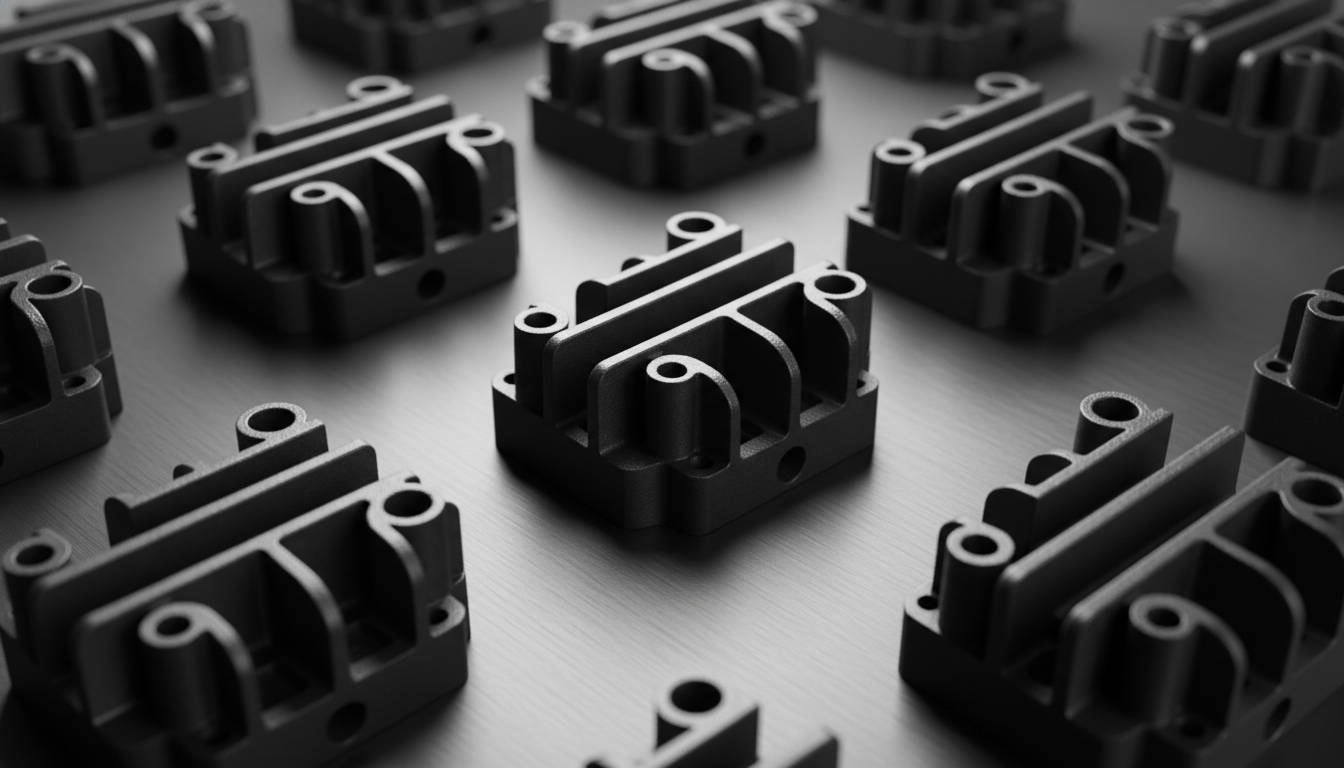
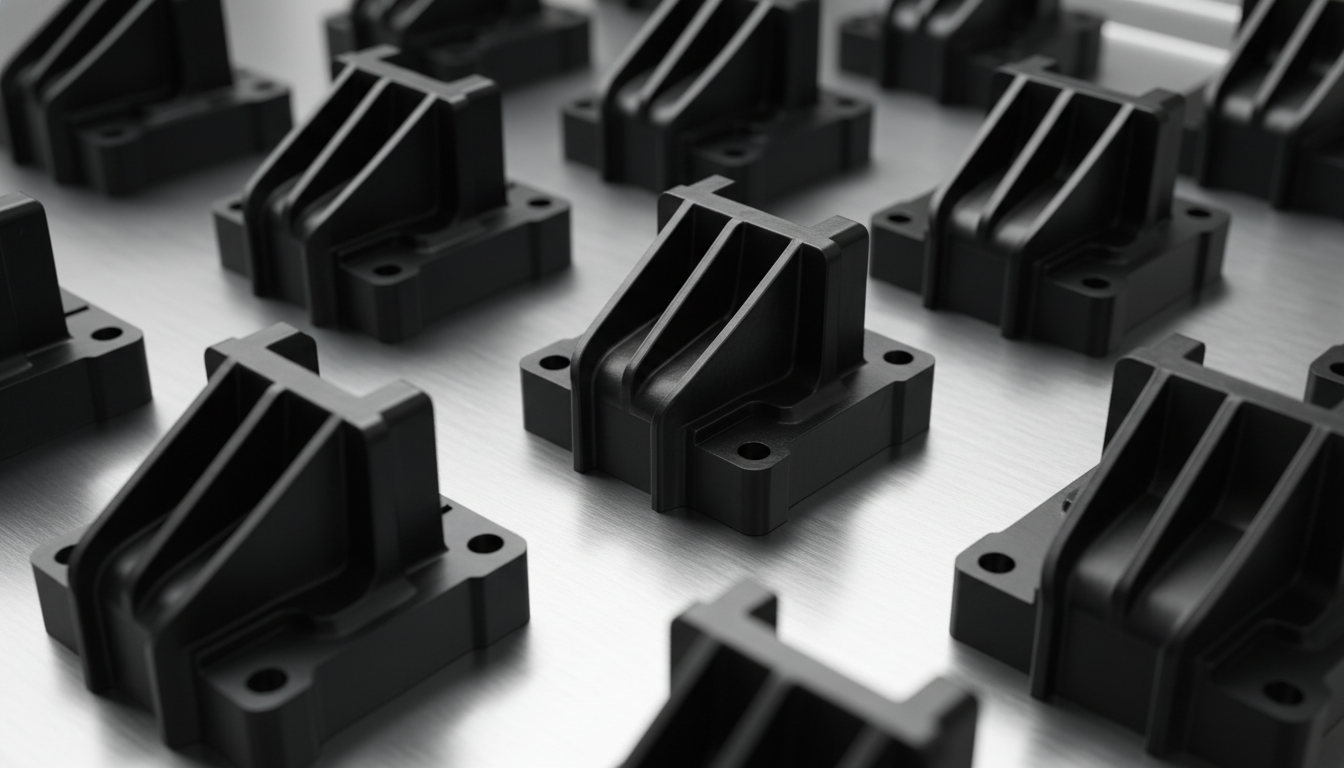
راتنجات مقواة بالألياف الزجاجية (GF) - التي تتضمن إضافة 10% إلى 50% من الألياف الزجاجية إلى البوليمرات الأساسية مثل PA و PBT و PP و PC - مصممة لتحل محل المعادن المصبوبة بالقالب في التطبيقات الهيكلية الحاملة للأحمال. تؤدي إضافة الألياف الزجاجية إلى زيادة هائلة في قوة الشد ومعامل الانحناء ودرجات حرارة الانحراف الحراري (HDT)، ولكنها تقدم تآكلًا شديدًا لأدوات التشغيل، وانكماشًا متباين الخواص (مسببًا الالتواء)، وعيب "الألياف العائمة" التجميلي. في شركة Jucheng Precision، وهي شركة مصنعة حاصلة على شهادتي ISO 9001 و IATF 16949، نخفف من هذه التحديات من خلال استخدام فولاذ القوالب عالي الصلابة (H13/S136، 52 HRC)، وتصميم بوابات متخصص، والتحكم في درجة حرارة القالب بالضغط. نقدم تحليلًا شاملاً ومجانيًا لقابلية التصنيع (DFM) خلال 24 ساعة لمحاكاة اتجاه الألياف، مما يضمن أجزاء عالية الصلابة تم التحقق منها بواسطة فحص CMM من Zeiss.

Precision-injection-molded-PA66-GF30-structural-brackets-with-high-quality-textured-matte-finish-1

Our available materials

PA-BASF Ultramid A3EG10

بديلاً عن الزنك المصبوب وسبائك الألومنيوم الهيكلية في المكونات الهيكلية المعرضة لإجهاد ميكانيكي شديد وأحمال تعب عالية، يوفر Ultramid A3EG10 من BASF حلاً لا هوادة فيه. توفر هذه الدرجة من البولي أميد 66 المقوى بالألياف الزجاجية بنسبة 50% (PA66-GF50) قوة شد هائلة عند التشكيل الجاف (DAM) تبلغ 230 ميجا باسكال ومعامل مرونة يبلغ 16,500 ميجا باسكال، مما يدفع حدود الأداء الهيكلي للبلاستيك. في شركة Jucheng Precision، وهي شركة مصنعة حاصلة على شهادتي ISO 9001 و IATF 16949، نتخصص في القولبة عالية الدقة لـ Ultramid A3EG10. باستخدام أدوات فولاذ H13 مُصنعة باستخدام ماكينات CNC خماسية المحاور، نتحكم في انكماشه متباين الخواص (0.3% بالتوازي، 0.7% بالتعامد) ونمنع الألياف السطحية العائمة، مما يضمن أجزاء هيكلية خالية من العيوب تم التحقق منها بواسطة فحص CMM من Zeiss.
READ MORE

PC-SABIC Lexan 3412

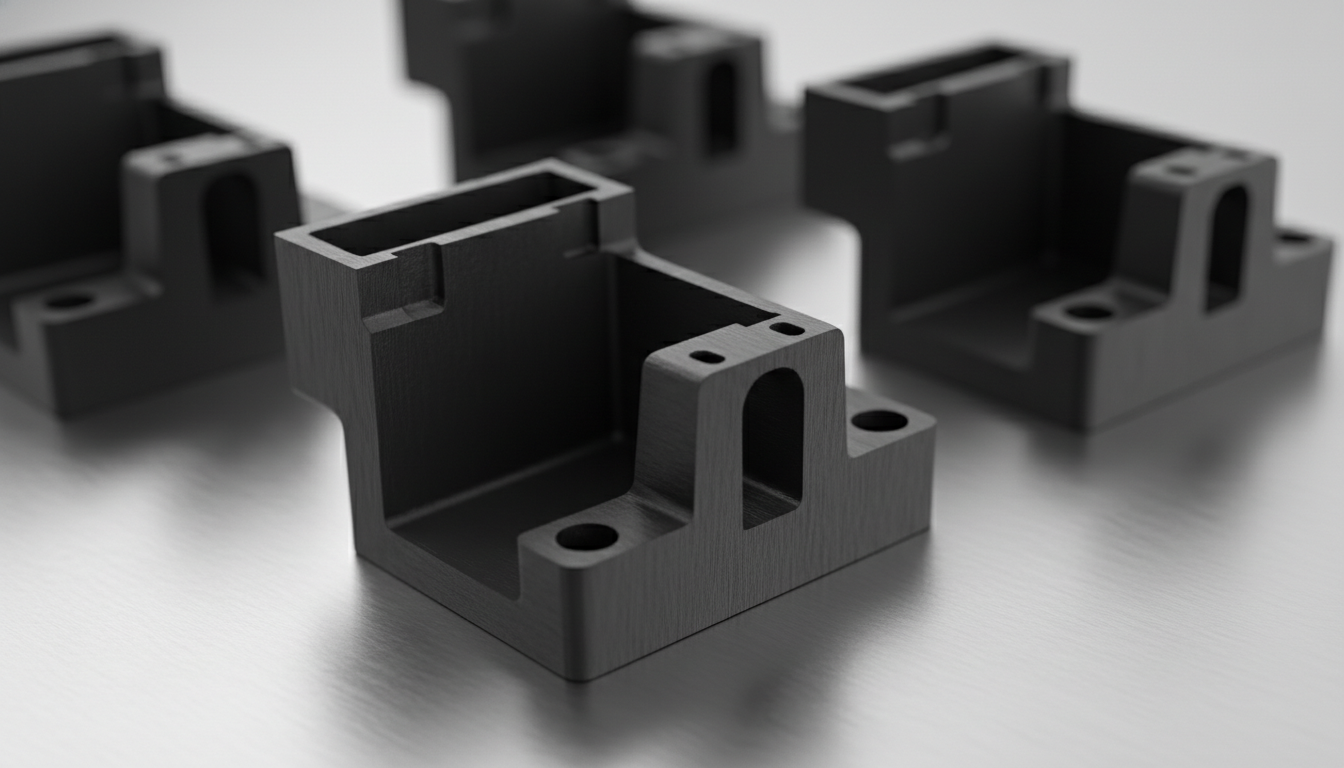
يتطلب تحقيق صلابة هيكلية شبيهة بالمعدن وتمدد حراري منخفض بشكل استثنائي في العلب الكهربائية والسيارات عالية الدقة دون إضافة وزن زائد مركبًا متخصصًا، وهو ما يوفره Lexan 3412 من SABIC. توفر هذه الدرجة من البولي كربونات المقوى بالألياف الزجاجية بنسبة 20% (PC-GF20) معامل شد مثيرًا للإعجاب يبلغ 5,500 ميجا باسكال ودرجة حرارة انحراف حراري (HDT) تبلغ 135 درجة مئوية، مما يضمن ثباتًا أبعاديًا شديدًا تحت الحمل الميكانيكي المستمر. تتخصص شركة Jucheng Precision، التي تعمل وفق أنظمة الجودة IATF 16949 و ISO 9001، في القولبة بالحقن عالية الدقة لـ Lexan 3412. باستخدام أدوات فولاذ S136 المقاوم للصدأ مُصنعة باستخدام ماكينات CNC خماسية المحاور والتبريد المضغوط، نتحكم في انكماشه متباين الخواص (0.25%-0.45%) ونمنع عيوب الألياف العائمة، مما يوفر مكونات سليمة هيكليًا تم التحقق منها بواسطة فحص CMM من Zeiss.

READ MORE

PPS-Toray Torelina A504FG

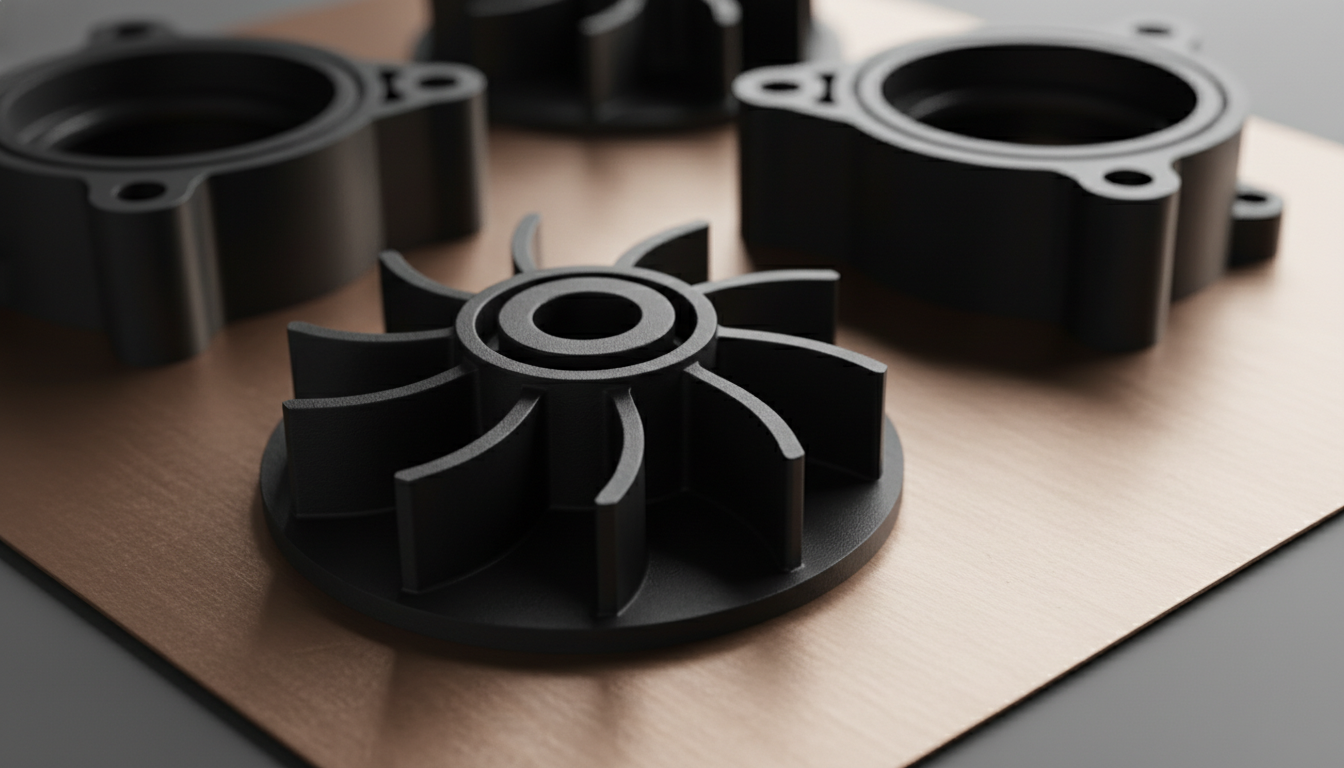
يتطلب استبدال النحاس الأصفر الثقيل والألومنيوم المصبوب بالقالب في أنظمة التبريد الحديثة عالية الحرارة للسيارات وتجميعات المضخات الديناميكية دون المساس بالثبات الأبعادي مركبًا فائقًا، وهو ما يوفره TORELINA™ A504FG من Toray. توفر هذه الدرجة من كبريتيد البولي فينيلين المقوى بالألياف الزجاجية بنسبة 40% (PPS-GF40) معامل شد استثنائي يبلغ 14,500 ميجا باسكال ودرجة حرارة انحراف حراري (HDT) شديدة تبلغ 265 درجة مئوية، مما يضمن تمددًا حراريًا شبه معدوم تحت الحمل. تتخصص شركة Jucheng Precision، التي تعمل وفق أنظمة الجودة IATF 16949 و ISO 9001، في القولبة بالحقن عالية الدقة لـ Torelina A504FG. بدعم من أدوات فولاذ H13 مُصنعة باستخدام ماكينات CNC خماسية المحاور، ندير ميوله للوميض منخفض اللزوجة (فجوات خط الفصل أقل من 0.005 مم) ونمنع الألياف العائمة، مما يضمن مكونات سليمة هيكليًا تم التحقق منها بواسطة فحص CMM من Zeiss.

READ MORE

الدرجات الشائعة المقواة بالألياف الزجاجية التي نقولبها

نقوم بمعالجة مركبات مملوءة بالألياف الزجاجية عالية الصلابة (تتراوح من 10% إلى 50% من حمل GF) باستخدام بوليمرات أساسية متنوعة لتحل محل السبائك المعدنية:

فئة GF المقواة العلامة التجارية والدرجة النموذجية الخصائص والمزايا الرئيسية
PA66-GF30 / GF50
(بولي أميد GF)
• DuPont Zytel 70G33L (33% GF)
• BASF Ultramid A3EG6 (30% GF)
• BASF Ultramid A3EG10 (50% GF)
Extreme tensile strength, exceptional creep resistance, and a Heat Deflection Temperature (HDT) up to 250°C. Engineered to replace die-cast aluminum in engine brackets, intake manifolds, and power tool housings.
PBT-GF30
(Polyester GF)
• Sabic Valox 420 (30% GF)
• DuPont Crastin SK605 (30% GF)
• BASF Ultradur B4300G6 (30% GF)
Outstanding electrical insulation and dimensional stability combined with high rigidity. Minimizes moisture-related swelling. Perfect for automotive connectors, sensor housings, and bobbins.
PC-GF20 / GF30
(Polycarbonate GF)
• Sabic Lexan 3412 (20% GF)
• Covestro Makrolon 9415 (15% GF / FR)
Elevates PC’s tensile modulus and thermal resistance while retaining good impact toughness and low shrinkage. Flame retardant options available. Used in electronic structural frames and external meter enclosures.
PP-GF30 / GF40
(Polypropylene GF)
• Sabic PP Compound 30% GF
• LyondellBasell Hostacom 40% GF
Cost-effective structural reinforcement. Offers low density compared to other GF engineering plastics while maintaining good stiffness. Specified for large automotive inner doors and fan blades.

Applicable Molding Processes for GF Resins

Due to the high viscosity and abrasiveness of glass fibers, specific tooling process structures are recommended:

Molding Process Process Suitability & Application
Standard Injection Molding Excellent. Highly suitable for structural housings, load-bearing frames, brackets, and gearbox shells requiring metal-like stiffness.
Insert Molding Excellent. Highly recommended to encapsulate threaded metal inserts into glass-filled structural components, protecting screw joints from creeping.
Hot Runner Molding Good. Maintains melt temperatures of highly viscous glass-filled polymers, reducing the occurrence of weld line weaknesses.

Glass Fiber (GF) Injection Molding Processing Guide

Adding glass fibers drastically changes the melt viscosity and flow behaviors of base polymers. Strict execution of manufacturing controls is mandatory:

  • Tool Steel Hardness (Abrasive Wear Control): Glass fibers are highly abrasive to steel cavities. To prevent rapid wear on gates and cavity walls, Jucheng’s in-house tooling division uses hardened tool steel (S136 or H13) heat-treated to 48–52 HRC, combined with nitriding or PVD wear-resistant coatings.
  • Eliminating Floating Fibers (Float Fiber): If the mold temperature is cold, the polymer matrix freezes too fast, allowing fibers to rise to the skin layer (causing a rough, whitish surface). We utilize dynamic high mold temperatures (80°C–120°C / 176°F–248°F) to keep the surface matrix resinous and glossy.
  • Managing Anisotropic Shrinkage: Glass-filled resins exhibit low shrinkage along the flow direction (0.15% to 0.3%) but significantly higher shrinkage perpendicular to the flow (0.5% to 0.8%). Our engineering team conducts rigorous 24-hour DFM analysis to optimize gate placement and minimize structural warping.
  • Melt Temperature Compensation: Glass-filled polymers exhibit high melt viscosity. We set barrel temperatures 10°C to 20°C higher than the base polymer’s standard settings to improve melt flow and protect the reciprocating screw from shear fatigue.

Key Application Industries for Molded GF Components

  • Automotive Powertrains (IATF 16949 Certified): Intake manifolds, cylinder head engine covers, radiator water tanks, structural brackets, wiper arms, and accelerator pedals.
  • Electrical & Smart-Grid Hardware: Heavy-duty connector housings, smart-grid meter enclosures, circuit breakers, relay terminals, and electric coil bobbins.
  • Industrial & Fluid Machinery: Water pump impellers, heavy-duty gearboxes, industrial chemical valve bodies, power tool housings, and high-pressure pipe couplings.
  • Consumer & Outdoor Goods: High-stiffness fan blades, heavy-duty structural appliance frames, lawnmower decks, and dynamic sports equipment frames.

Material Properties

Density (PA66-GF30) 1.35 - 1.40 g/cm³
Tensile Strength at Yield (PA66-GF30) 150 - 210 MPa
Tensile Elongation at Break 2.0 - 4.0 %
Flexural Modulus (PA66-GF30) 7,500 - 10,000 MPa
Izod Impact Strength (Notched, 23°C) 80 - 130 J/m
Melting Temperature 260 - 265 °C
Heat Deflection Temperature (HDT @ 1.8 MPa) 230 - 250 °C
Linear Mold Shrinkage (Flow Direction) 0.15 - 0.35 %
Linear Mold Shrinkage (Transverse Direction) 0.50 - 0.80 %
Dielectric Strength 20 - 28 kV/mm
Volume Resistivity 1.0E+14 Ohm·cm
Maximum Part Size 1000 x 800 mm
Minimum Part Size 1 x 1 mm