PSU & PPSU (Polysulfone)

Sulfone polymers, including Polysulfone (PSU) and Polyphenylsulfone (PPSU), are amorphous high-performance thermoplastics revered for their outstanding hydrolytic stability, high heat resistance, and extreme impact toughness (particularly PPSU, which withstands 1,000+ steam sterilization cycles). Jucheng Precision, holding ISO 9001, ISO 13485, and IATF 16949 certifications, specializes in medical-grade and food-contact PSU/PPSU injection molding. Backed by 35+ advanced molding presses (50-650T) and 25+ in-house 5-axis CNC machines, we control the high melt viscosity and internal stresses of sulfones. We provide free DFM analysis within 24 hours to optimize thermal profiles, ensuring stress-free components verified by Zeiss CMM inspection.

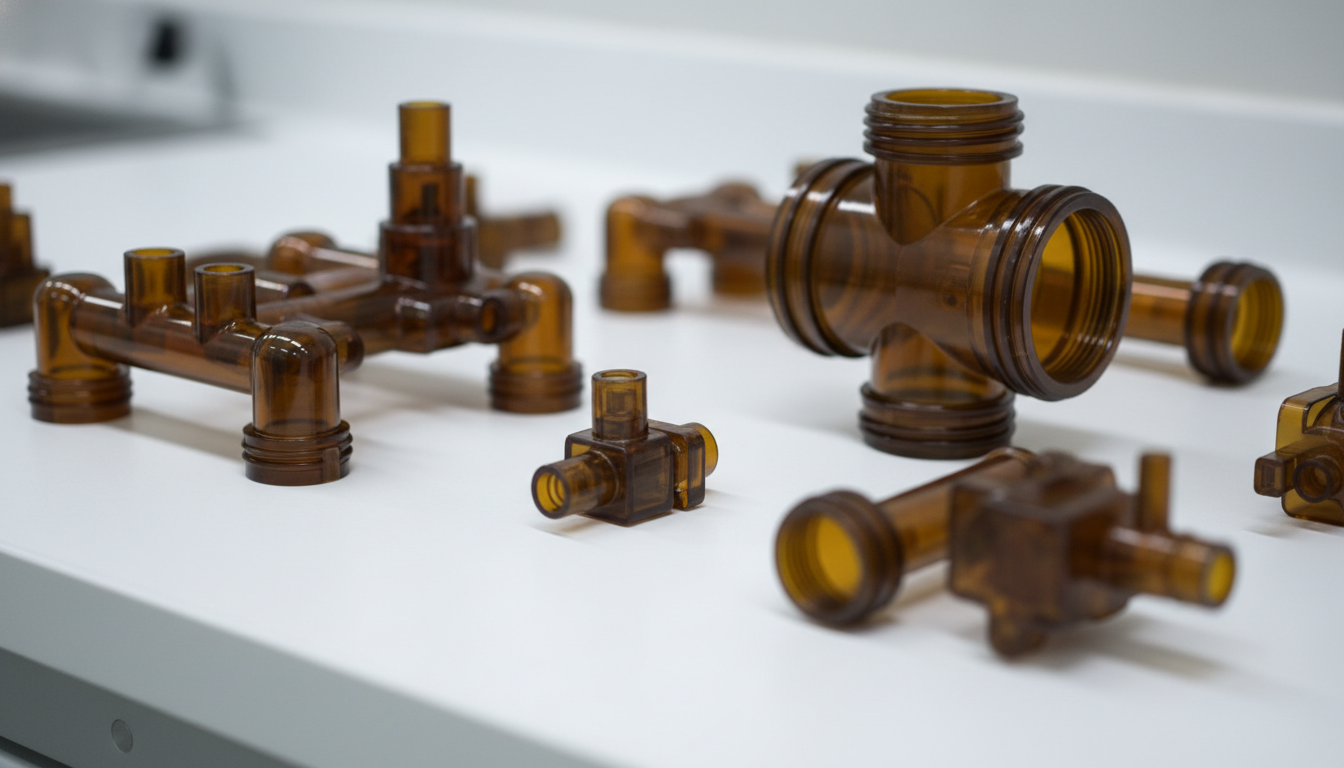
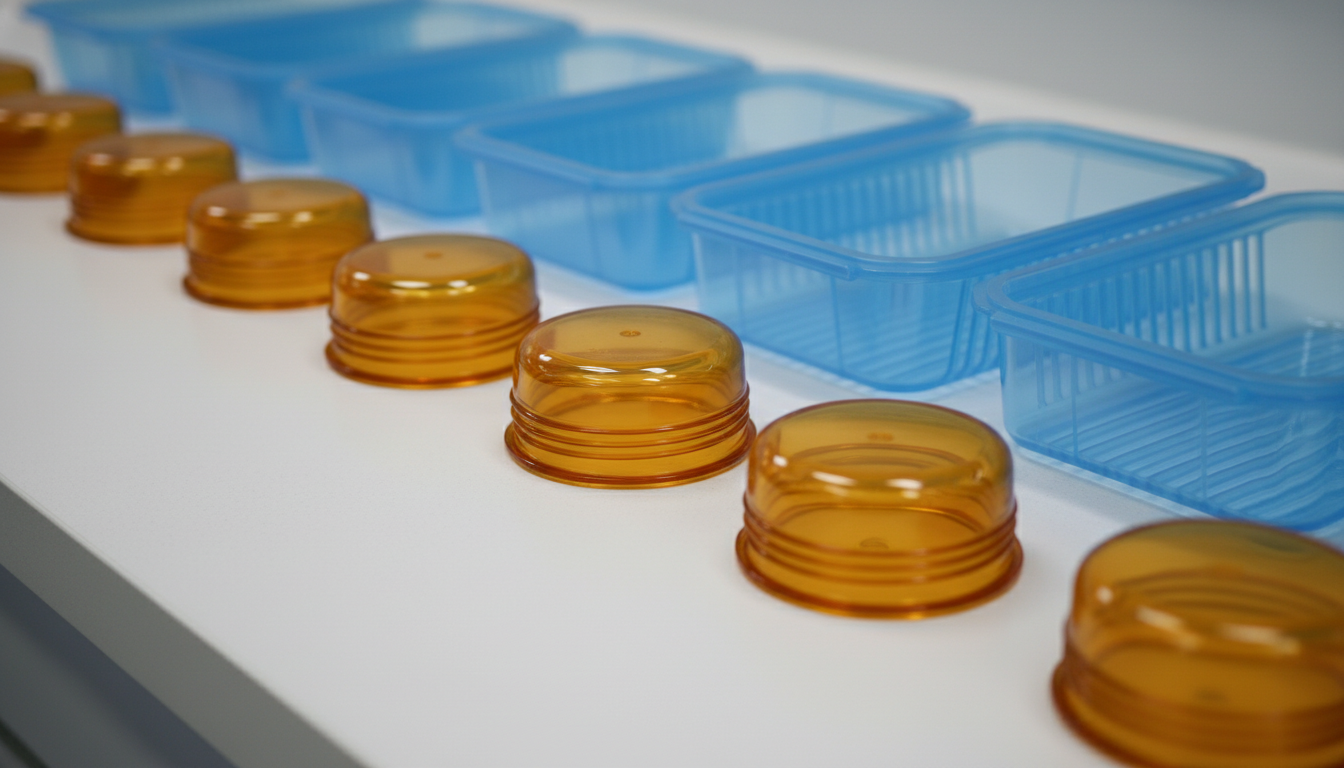
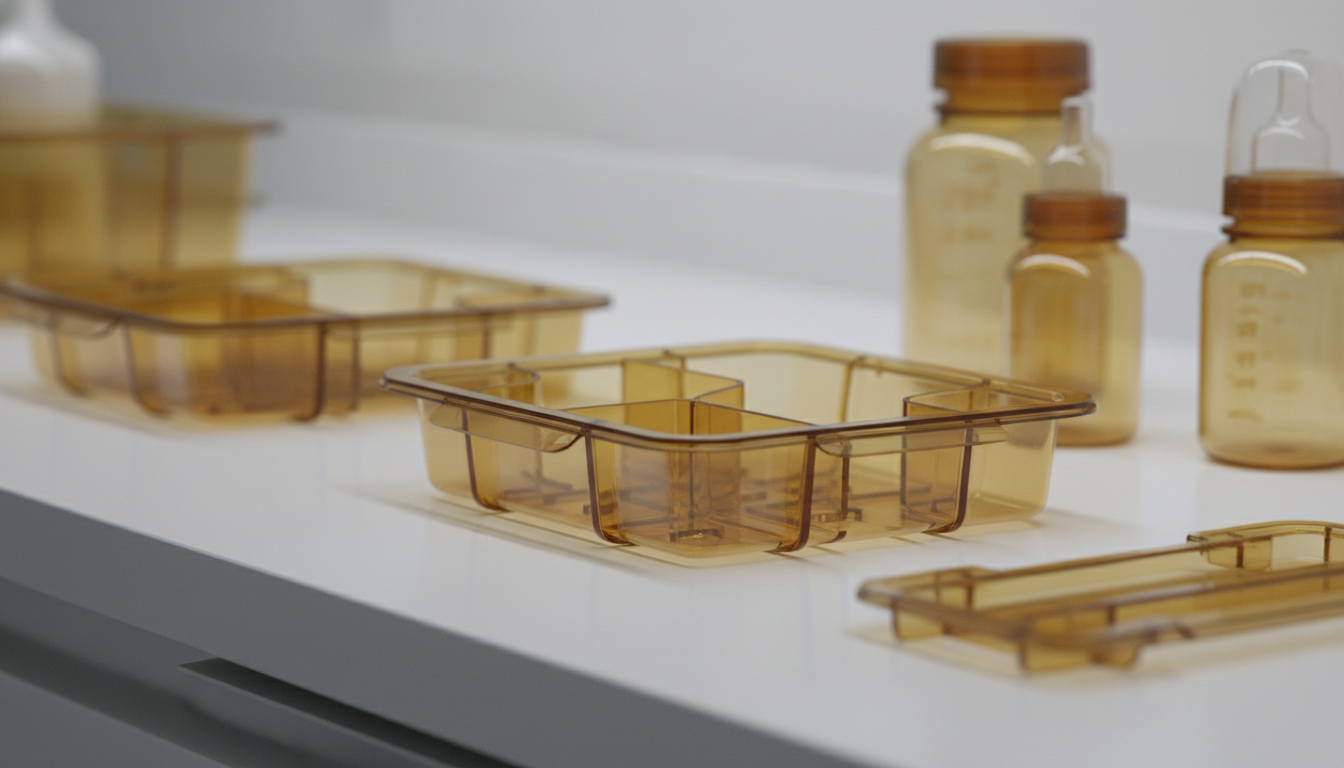
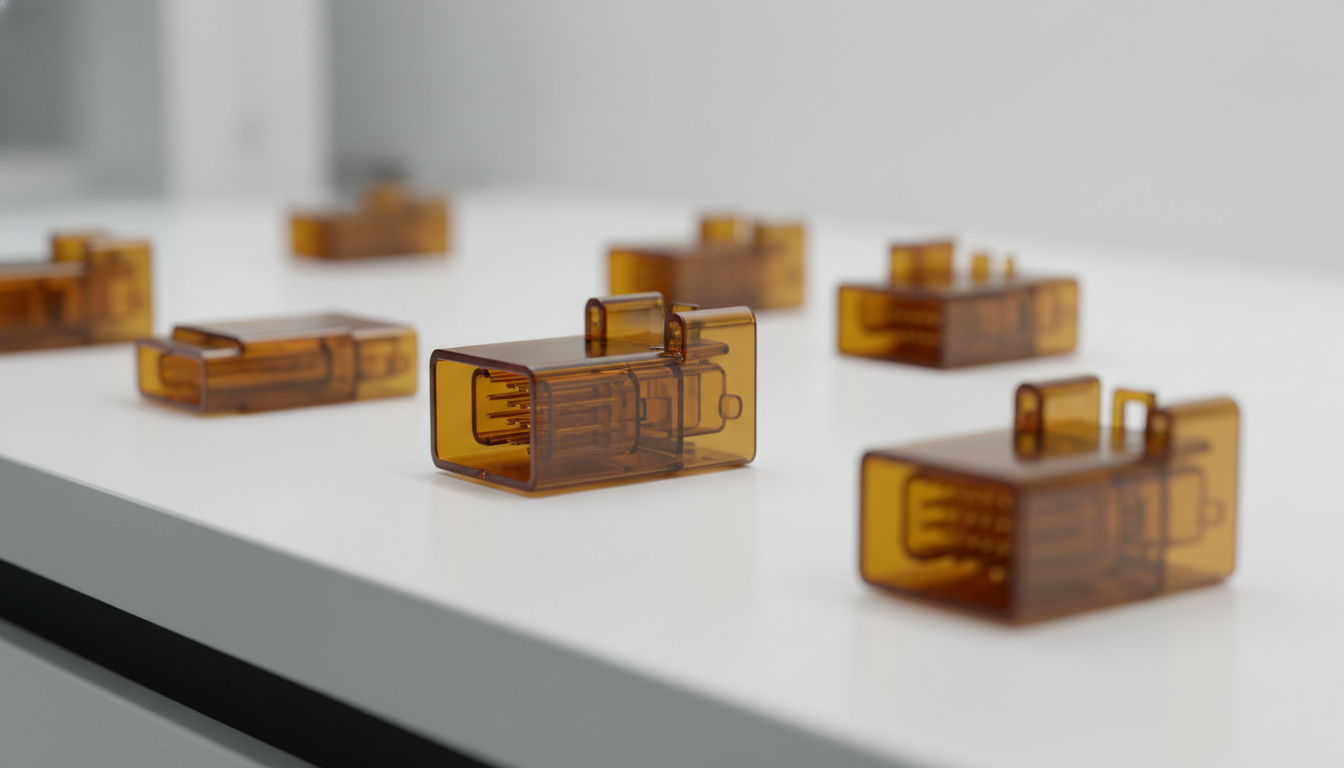
Precision-injection-molded-medical-grade-PPSU-surgical-trays-and-amber-PSU-components-1

Our available materials

PPSU-Solvay Radel R-5000

Achieving virtually unbreakable shatter resistance alongside continuous steam-sterilization stability up to 205°C requires an elite molecular backbone, which Syensqo’s Radel R-5000 (formerly Solvay) delivers through its unreinforced, high-purity polyphenylsulfone (PPSU) matrix. Boasting a density of 1.29 g/cm³ and a glass transition temperature (Tg) of 220°C, this amorphous engineering polymer withstands over 1,000 autoclave cycles without micro-cracking or loss of high-gloss amber transparency. Jucheng Precision, under ISO 13485 and IATF 16949 certified frameworks, specializes in micro-molding Radel R-5000. Operating dedicated ISO Class 7/8 cleanrooms, we eliminate particulate contamination, delivering high-purity medical and infant feeding components verified by Zeiss CMM.
READ MORE

PPSU-Solvay Radel R-5100

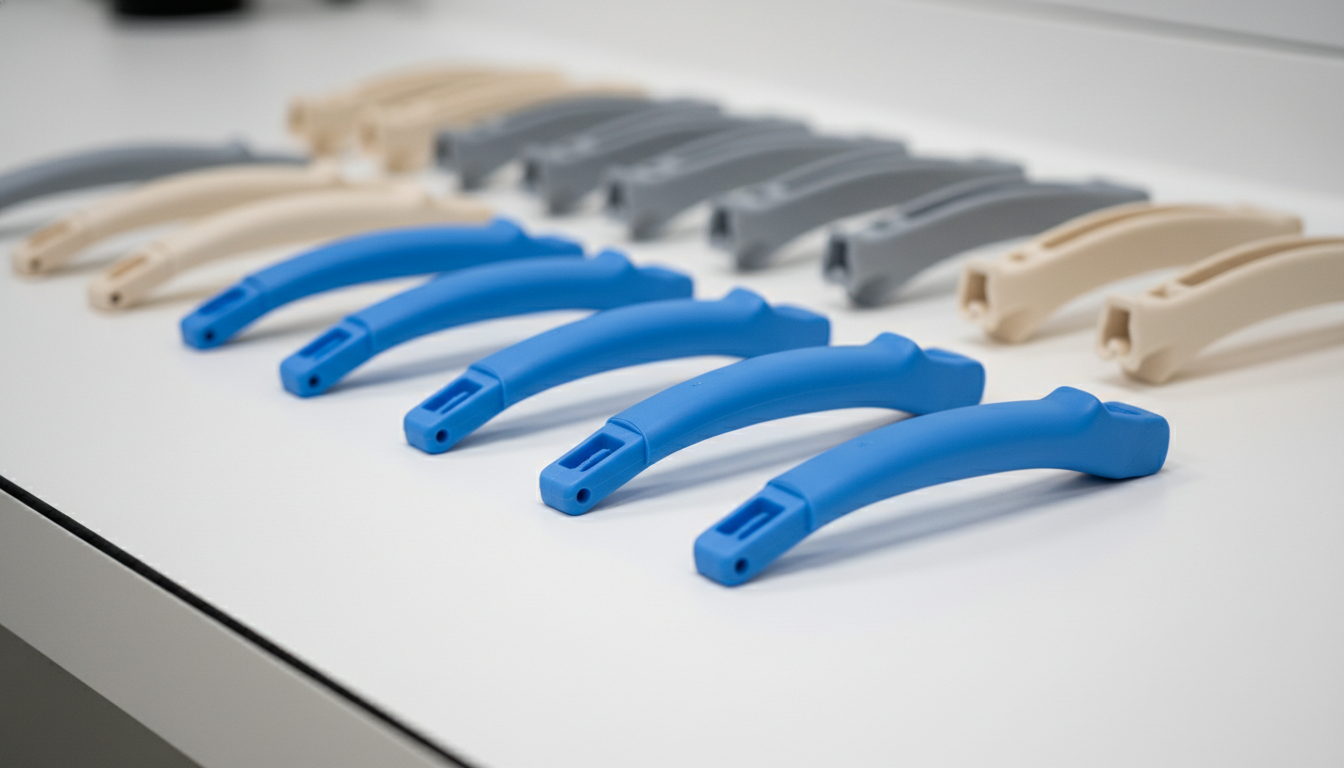
Enabling flawless visual color-coding for surgical sizing trials while maintaining exceptional resistance to repeated autoclaving and high impact forces requires an advanced biocompatible polymer, which Syensqo’s Radel R-5100 (formerly Solvay) delivers through its unreinforced, opaque, pre-colored polyphenylsulfone (PPSU) matrix. Certified to USP Class VI, ISO 10993, and FAA FAR 25.853a flammability standards, this tough thermoplastic resists environmental stress cracking under aggressive clinical detergents. Jucheng Precision, under strict ISO 13485 and IATF 16949 certified frameworks, specializes in micro-molding Radel R-5100 in dedicated ISO Class 7/8 cleanrooms. Utilizing 5-axis CNC-machined S136 stainless steel molds, we control internal stresses and ensure zero particulate contamination, delivering high-purity medical assemblies verified by Zeiss CMM.

READ MORE

PSU-BASF Ultrason S 2010

Achieving low-pressure filling in high-density multi-pin automotive connectors and fuse encapsulations while retaining unyielding 176°C heat deflection requires a specialized amorphous polymer, which BASF’s Ultrason S 2010 delivers through its unreinforced, medium-viscosity polysulfone (PSU) matrix. Boasting a density of 1.23 g/cm³ and an exceptionally high melt volume rate (MVR) of 90 cm³/10 min (at 360°C/10kg), this standard grade provides superb dimensional stability and low isotropic shrinkage. Jucheng Precision, under IATF 16949 and ISO 9001 frameworks, specializes in molding Ultrason S 2010. Backed by 35+ advanced injection presses and five-axis CNC-machined S136 toolings, we eliminate air-traps and residual stresses, ensuring zero-defect components verified by Zeiss CMM.

READ MORE

PSU-Solvay Udel P-1700

Sustaining clear optical transparency and high mechanical strength under continuous steam exposure up to 149°C requires a specialized amorphous backbone, which Syensqo’s Udel P-1700 (formerly Solvay) delivers through its unreinforced, high-purity polysulfone (PSU) matrix. Featuring a density of 1.24 g/cm³ and a melt flow rate of 6.5 g/10 min, this rigid polymer complies with FDA 21 CFR 177.1655, NSF 51, and NSF 61 regulatory standards for food and water contact. Jucheng Precision, operating under ISO 13485 and ISO 9001 certified systems, excels in high-temperature cleanroom molding of Udel P-1700. Utilizing in-house 5-axis CNC-machined S136 stainless steel tooling, we eliminate volatile splay and cooling voids, delivering flawless medical components verified by Zeiss CMM.

READ MORE

Comprehensive Sulfone Polymers (PSU/PPSU) Grades We Mold

We process high-purity Polysulfone and Polyphenylsulfone resins from global engineering polymer manufacturers, supporting strict biocompatibility and thermal sterilization standards:

Sulfone Family Class Typical Brand & Grade Key Characteristics & Advantages
PSU
(Polysulfone)
• Solvay Udel P-1700 (GP)
• Solvay Udel GF-120 (20% GF)
• BASF Ultrason S 2010
Amorphous polymer with a natural transparent light amber hue. Exceptional mechanical rigidity, high heat deflection, and FDA food-contact compliance. Ideal for medical dialyzer housings and commercial food trays.
PPSU
(Polyphenylsulfone)
• Solvay Radel R-5000 (GP / Clear)
• Solvay Radel R-5100 (Colored / Medical)
• BASF Ultrason P 3010
Extreme impact strength (virtually unbreakable), excellent hydrolytic stability, and chemical resistance. Capable of enduring 1,000+ steam autoclave sterilization cycles without degradation. Ideal for medical trays and infant bottles.
PESU
(Polyethersulfone)
• Solvay Veradel A-201 / A-301
• BASF Ultrason E 2010
Provides higher dimensional stability and mechanical properties at elevated temperatures than PSU. Inherently flame retardant with low smoke toxicity. Suited for automotive lamp reflectors and industrial sight glasses.

Applicable Molding Processes for PSU/PPSU

Amorphous sulfone polymers require precise melt shear and mold temperature settings during molding:

Molding Process Process Suitability & Application
Standard Injection Molding Excellent. Configured with specialized wear-resistant, high-temperature barrels to mold medical sterilizing trays and baby bottles.
Thin-Wall Molding Good. Allows high-injection pressure profiles to fill precise plumbing manifold tees and diagnostic cartridges.
Insert Molding Excellent. The extremely low and isotropic shrinkage of amorphous sulfones prevents stress cracks when encapsulating brass hot-water pipe inserts.

PSU & PPSU Manufacturing & Tooling Guide

Sulfone polymers have high melt viscosity and are highly sensitive to moisture and internal molding stress. Execution of exact technical parameters is essential:

  • Pre-Drying: Sulfone resins are highly hygroscopic. Moisture causes cosmetic splay, bubbles, and loss of transparent optical quality. We dry raw material in desiccant hopper dryers at 135°C–150°C (275°F to 302°F) for 3–5 hours to moisture levels below 0.05%.
  • Melt Temperature: Handled between 320°C and 390°C (608°F to 734°F) for PSU, and 340°C to 390°C (644°F to 734°F) for PPSU. Requires machines equipped with high-temperature heating bands.
  • Elevated Mold Temperature: Circulating oil heaters are used to maintain mold temperatures at 120°C–160°C (248°F to 320°F). Maintaining high mold temperatures is critical to prevent high internal molding stresses and weld-line visibility.
  • Internal Stress Management: High-viscosity amorphous resins are prone to molded-in residual stresses. We implement progressive cooling cycles during DFM to avoid micro-cracks. Post-molding annealing is performed when specified.
  • Low Isotropic Shrinkage: Due to their amorphous structure, PSU/PPSU exhibit low and highly uniform shrinkage (0.4% to 0.7%), ensuring excellent post-molding dimensional stability.

Key Application Industries for PSU & PPSU Molded Parts

  • Medical & Biotech (ISO 13485 Certified): Autoclavable surgical instrument trays, sterilization cases, dental trial guides, anesthesia components, and hemodialyzer housings.
  • Food Service & Plumbing: High-grade infant milk bottles, commercial food-service trays, steam oven pans, hot-water plumbing manifold tees, and elbow fittings.
  • Aerospace & Defense: Internal cabin lighting covers, service trays, protective electrical terminal insulators, and high-temperature wire brackets.
  • Automotive Under-the-Hood (IATF 16949 Certified): Hot-water circulation sensor connectors, headlight reflectors, and high-temperature protective brackets.

Material Properties

Density 1.28 - 1.30 g/cm³
Tensile Strength at Yield 70 - 80 MPa
Tensile Elongation at Break 60 - 100 %
Flexural Modulus 2,300 - 2,500 MPa
Izod Impact Strength (Notched, 23°C) 600 - 800 J/m
Melting Temperature (Glass Transition Temp, Tg) 185 - 220 °C
Heat Deflection Temperature (HDT @ 1.8 MPa) 170 - 210 °C
Linear Mold Shrinkage 0.4 - 0.7 %
Dielectric Strength 18 - 22 kV/mm
Volume Resistivity 1.0E+16 Ohm·cm
Maximum Part Size 800 x 600 mm
Minimum Part Size 1 x 1 mm