
PEEK-Victrex PEEK 450G
Victrex PEEK 450G is an unreinforced, semi-crystalline PEEK grade for injection molding and extrusion. Review its March 2026 manufacturer data, property-specific temperature ratings and processing conditions below. Part suitability, size and inspection requirements are confirmed against the drawing and application.
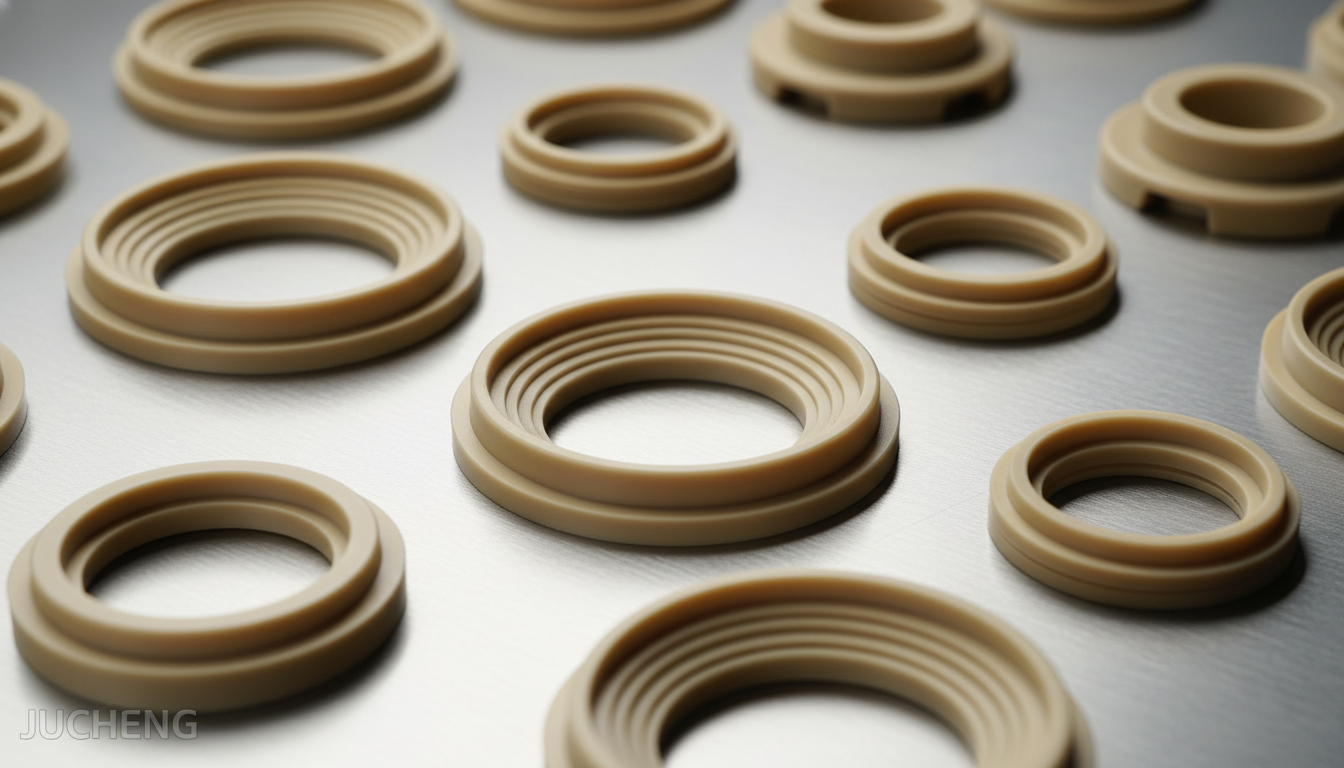
Victrex PEEK 450G: grade and datasheet reference
450G is an unreinforced, semi-crystalline PEEK grade supplied as granules for injection molding and extrusion. The reference below uses the Victrex 450G datasheet, March 2026 revision, checked on 29 September 2026. Typical material data support comparison; they are not finished-part acceptance limits.
Properties with their test conditions
| Property | Typical value | Condition / method |
|---|---|---|
| Density, crystalline | 1.30 g/cm³ | ISO 1183 |
| Tensile modulus | 4,000 MPa | 23°C; ISO 527-1 |
| Tensile stress at yield | 98 MPa | 23°C; ISO 527-2 |
| Tensile strain at break | 25% | 23°C; ISO 527-2 |
| Flexural modulus | 3,800 MPa | 23°C; ISO 178 |
| HDT | 152°C | 1.8 MPa, unannealed; ISO 75-2/Af |
| Molding shrinkage | 0.90% flow / 1.3% across flow | ISO 294-4; 375°C nozzle, 190°C tool |
RTI ratings are property-specific: electrical 260°C, impact 180°C and strength 240°C under UL 746B. Do not substitute the electrical rating for an operating limit for every part.
Processing reference and trial plan
The datasheet lists mold temperature 170–200°C and drying at 150°C for 3 hours or 120°C for 5 hours, with residual moisture below 0.02%. Use these as reference conditions when developing the process.
For the actual drawing, review wall thickness, flow length, gate access, ejection and dimensions that control assembly. Record resin identification, drying, temperature settings and sample measurements during a trial. Agree on dimensional checks after the required conditioning or finishing steps. Shrinkage measured on a standardized specimen does not directly prescribe the tool compensation for every cavity.
Select the grade for the application
Evaluate mechanical loads, temperature exposure, fluids, wear and dimensional stability together. A room-temperature strength value cannot establish long-term creep performance, and a generic “chemically resistant” description cannot confirm compatibility with every fluid and concentration.
For medical enquiries, confirm the exact approved resin grade and the device’s material, traceability and validation requirements before purchasing. The general 450G datasheet does not establish an implant approval, finished-device biocompatibility or a particular factory’s certification. Do not treat general PEEK properties as interchangeable with dedicated medical-grade documentation.
Information needed for a molding quotation
- Controlled drawing and CAD model, part number and revision.
- Exact resin grade, permitted substitutions and required material records.
- Quantity, critical dimensions, service conditions and surface requirements.
- Inspection records, packaging and delivery destination.
Part size, tolerances and production conditions require a drawing-based review. For material-family context, see our PEEK materials overview.
Properties
| Density, crystalline (ISO 1183) | 1.30 g/cm³ |
| Melting temperature (ISO 11357-3) | 343 °C |
| Glass transition, onset / midpoint (ISO 11357-2) | 143 / 150 °C |
| Tensile modulus, 23°C (ISO 527-1) | 4,000 MPa |
| Tensile stress at yield, 23°C (ISO 527-2) | 98 MPa |
| RTI electrical / impact / strength (UL 746B) | 260 / 180 / 240 °C |
| Tensile strain at break, 23°C (ISO 527-2) | 25 % |
| Flexural modulus, 23°C (ISO 178) | 3,800 MPa |
| Flexural stress at yield, 23°C (ISO 178) | 165 MPa |
| Charpy notched, 23°C (ISO 179/1eA) | 7.0 kJ/m² |
| Izod notched, 23°C (ISO 180/A) | 6.0 kJ/m² |
| HDT, 1.8 MPa, unannealed (ISO 75-2/Af) | 152 °C |
| Molding shrinkage, flow / across (ISO 294-4) | 0.90 / 1.3 % |
| Maximum part size | Drawing review required N/A |
| Minimum part size | Drawing review required N/A |