
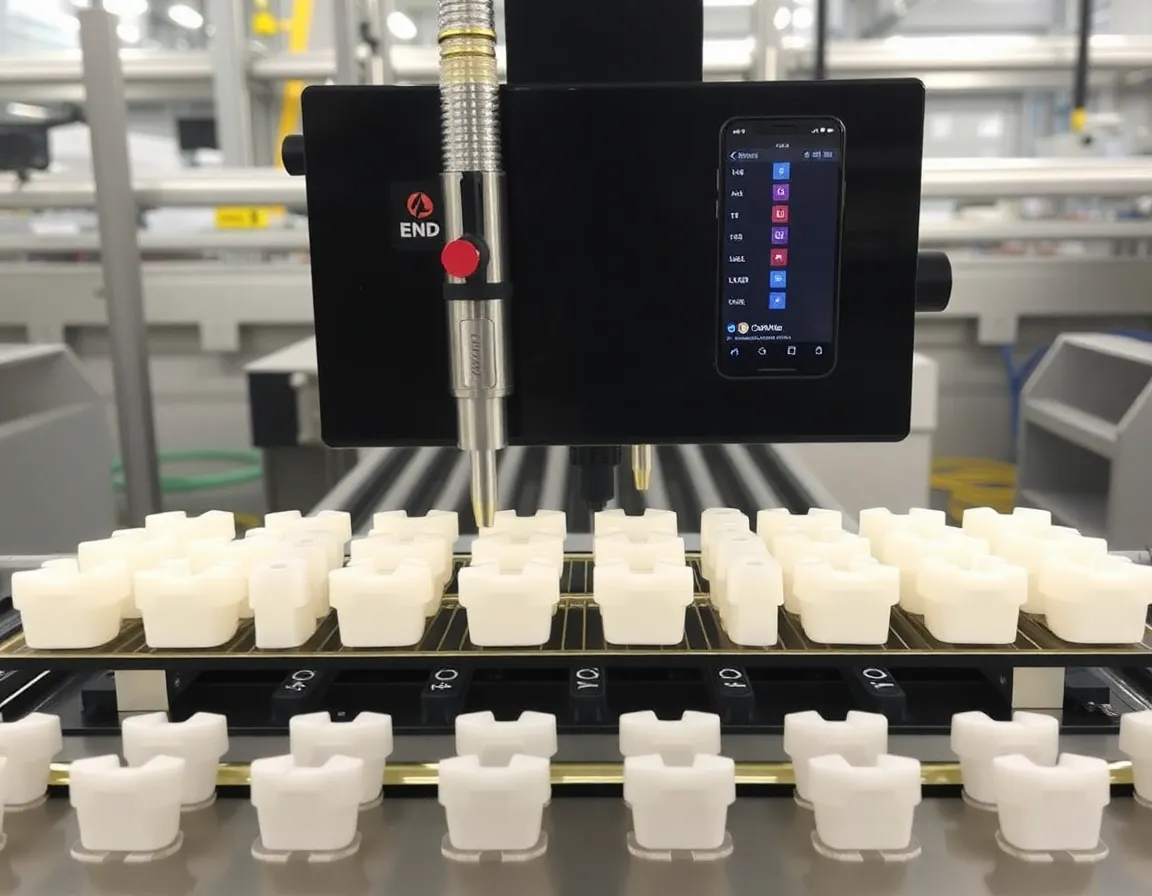
제품 리콜은 제조업체가 직면할 수 있는 가장 비용이 많이 들고 평판을 훼손하는 사건 중 하나입니다. 자동차, 의료 기기, 전자 제품 또는 소비재용 플라스틱 부품을 생산하거나 이에 의존하는 기업에게 현대 공급망의 복잡성은 리콜 가능성을 높이고 비용을 더욱 증가시킵니다. 플라스틱 부품 추적성 시스템은 제조업체가 품질 문제를 정밀하게 식별, 격리 및 해결할 수 있도록 지원하는 강력한 솔루션으로 부상했습니다. 그 결과 리콜 범위, 비용 및 브랜드 손상이 극적으로 감소합니다.
플라스틱 부품 추적성 시스템이란 무엇인가?
플라스틱 부품 추적성 시스템은 제조업체가 원자재 펠릿부터 완제품 조립 및 수명 종료에 이르기까지 플라스틱 부품의 전체 수명 주기를 추적할 수 있게 해주는 기술, 프로세스 및 데이터 관행의 체계적인 프레임워크입니다. 이는 다음과 같은 중요한 질문에 답합니다: 이 부품은 어디에서 왔는가? 누가 만들었는가? 언제? 어떤 재료로? 어떤 조건에서? 그리고 결정적으로, 어디로 갔을까요?
일반적인 재고 추적과 달리, 플라스틱 부품 추적성은 폴리머 제조의 고유한 특성을 고려합니다. 플라스틱 부품은 종종 사출 성형, 압출, 블로우 성형 또는 열성형을 통해 생산되며, 각 공정에는 용융 온도, 사이클 시간, 금형 캐비티, 수지 배치와 같은 변수가 포함됩니다. 강력한 추적성 시스템은 이러한 변수를 포착하여 특정 부품 또는 생산 로트에 연결합니다.
추적성 시스템의 핵심 구성 요소
- 고유 식별자: 부품, 금형 또는 포장에 적용되는 QR 코드, 바코드, RFID 태그 또는 레이저 에칭된 데이터 매트릭스 코드.
- 데이터 캡처 도구: 생산 매개변수를 실시간으로 기록하는 스캐너, 센서 및 머신 비전 시스템.
- 중앙 집중식 데이터베이스: 자재 인증서, 기계 로그, 작업자 ID 및 품질 검사 결과를 저장하는 디지털 저장소(종종 클라우드 기반).
- 통합 계층: ERP, MES 및 공급업체 시스템을 연결하여 원활한 관리 연속성을 구축하는 소프트웨어.
- 분석 및 보고: 신속한 조회, 근본 원인 분석 및 리콜 시뮬레이션을 가능하게 하는 도구.
이러한 구성 요소가 함께 작동하면 제조업체는 결함이 있는 부품을 특정 금형 캐비티, 수지 로트 또는 교대 근무로 역추적하고, 이를 포함하는 모든 제품으로 정방향 추적할 수 있습니다.
추적성이 리콜 비용을 절감하는 방법
리콜의 재정적 영향은 엄청납니다. 업계 연구에 따르면 단일 제품 라인의 평균 리콜 비용은 수십만 달러에서 수천만 달러에 이를 수 있습니다. 이러한 비용에는 규제 벌금, 법률 비용, 역물류, 교체 부품, 고객 통지 및 판매 손실이 포함됩니다. 추적성 시스템은 여러 각도에서 이러한 비용을 공략합니다.
1. 리콜 범위 축소
추적성이 없으면 결함에 직면한 제조업체는 종종 넓은 기간 동안 생산된 모든 부품, 심지어 전체 생산 연도를 리콜할 수밖에 없습니다. 추적성이 있으면 리콜을 정확히 영향을 받은 배치로 제한할 수 있습니다. 예를 들어, 오염된 수지 로트 때문에 플라스틱 클립이 불량이 된 경우, 시스템은 해당 로트로 만들어진 모든 부품을 식별하고 영향을 받지 않은 수천 개의 제품을 제외할 수 있습니다. 범위를 좁히면 리콜되는 제품 수, 교체 비용 및 물류 부담이 직접적으로 줄어듭니다.
2. 근본 원인 분석 가속화
리콜 중에는 시간이 곧 돈입니다. 결함을 조사하는 데 소요되는 하루하루가 리콜 기간을 연장하고 규제 압력을 높이며 고객 신뢰를 훼손합니다. 추적성 시스템은 생산 데이터에 즉시 접근할 수 있게 하여 엔지니어가 몇 주가 아닌 몇 시간 내에 근본 원인을 찾아낼 수 있도록 합니다. 이들은 결함을 특정 기계 설정, 작업자 교대, 금형 유지보수 기록 또는 원자재 공급업체와 연관시킬 수 있습니다. 근본 원인 분석이 빠를수록 시정 조치와 리콜 종료도 빨라집니다.
3. 규제 벌금 감소
FDA, NHTSA, CPSC와 같은 규제 기관은 벌금을 평가할 때 리콜의 신속성과 철저함을 고려합니다. 강력한 추적성 시스템을 갖추고 이를 사용하여 결함 제품을 신속히 식별하고 제거했음을 입증할 수 있는 회사는 종종 더 호의적으로 평가됩니다. 경우에 따라 규제 기관은 영향을 받은 로트만 대상으로 하는 "통제된 리콜"을 허용하여 광범위하고 느린 리콜과 관련된 가장 가혹한 벌금을 피할 수 있습니다.
4. 역물류 및 폐기 비용 최소화
제품을 리콜하려면 반송, 검사, 수리, 교체 또는 폐기가 필요합니다. 이러한 역물류 비용은 리콜되는 제품 수에 비례하여 증가합니다. 결함 부품만 분리함으로써 추적성은 역물류 비용을 50% 이상 절감할 수 있습니다. 또한 완벽하게 좋은 플라스틱 부품을 폐기하는 환경적 및 재정적 부담도 줄입니다.
5. 브랜드 평판 및 고객 충성도 보호
직접적인 비용은 아니지만 평판 손상은 종종 리콜의 유형 비용을 초과합니다. 신속하고 정확한 리콜은 역량과 책임감을 보여줍니다. 고객은 광범위하고 혼란스러운 리콜을 발표하는 회사보다 리콜을 잘 처리하는 회사를 더 용서할 가능성이 높습니다. 추적성 시스템은 명확하고 표적화된 커뮤니케이션을 가능하게 합니다: "로트 번호 X가 있는 부품만 영향을 받습니다." 이러한 투명성은 신뢰를 구축하고 장기적인 판매 손실 가능성을 줄입니다.
6. 보험료 인하
제조물 책임 보험 제공업체는 강력한 추적성 시스템을 갖춘 제조업체가 더 낮은 위험을 제시한다는 점을 점점 더 인식하고 있습니다. 일부 보험사는 엔드투엔드 추적성을 입증할 수 있는 회사에 할인된 보험료나 더 유리한 조건을 제공합니다. 시간이 지나면 이러한 절감액이 추적성 기술에 대한 초기 투자를 상쇄할 수 있습니다.
Applications Across Industries
Plastic part traceability is not limited to one sector. Its benefits apply wherever plastic components are used in safety-critical or regulated products.
자동차
Modern vehicles contain thousands of plastic parts, from interior trim to under-hood connectors. A defective plastic fuel line or brake component can trigger a massive recall. Traceability systems allow automakers to trace a faulty part to a specific injection molding machine and shift, then recall only the affected vehicles. Companies like BMW and Toyota have invested heavily in part-level traceability to meet safety and regulatory demands.
의료 기기
Plastic syringes, IV connectors, and implantable device housings must meet stringent FDA requirements. A single contaminated resin batch can compromise thousands of devices. Traceability systems enable medical device manufacturers to quarantine affected units before they reach patients, avoiding costly Class I recalls and protecting patient safety.
전자 제품
Plastic housings, connectors, and insulators are ubiquitous in consumer electronics. When a plastic part fails—due to brittleness, discoloration, or dimensional error—traceability allows brands to identify the specific production run and notify only affected customers. This precision reduces warranty costs and preserves shelf availability of unaffected products.
Consumer Goods
From toys to kitchenware, plastic parts are subject to safety regulations. Traceability helps manufacturers comply with CPSIA and other standards, and it enables rapid, targeted recalls when issues arise. Retailers increasingly demand traceability data from suppliers, making it a prerequisite for doing business.
Best Practices for Implementing a Traceability System
Building an effective plastic part traceability system requires more than buying software. It demands a strategic approach that integrates people, processes, and technology.
Start with a Clear Data Strategy
Define what data you need to capture, at what granularity, and for how long. For plastic parts, essential data includes resin lot numbers, mold cavity IDs, machine parameters, operator IDs, inspection results, and shipping records. Decide whether you need part-level, batch-level, or pallet-level traceability—each has different cost and complexity implications.
Standardize Identifiers and Formats
Use globally unique identifiers (e.g., GS1 standards) to avoid collisions and ensure interoperability with suppliers and customers. Standardize label formats, data fields, and communication protocols so that data flows smoothly across systems.
Integrate with Existing Systems
Traceability should not be a standalone silo. Integrate it with your ERP, MES, QMS, and supplier relationship management systems. This integration enables automatic data capture, reduces manual errors, and provides a single source of truth.
Train Employees and Suppliers
Traceability fails if people do not follow procedures. Train machine operators, quality inspectors, and warehouse staff on scanning, labeling, and data entry. Extend training to suppliers so they understand your traceability requirements and can provide the necessary material certifications and lot codes.
Conduct Regular Recall Simulations
Test your traceability system by running mock recalls. Can you identify all affected parts within one hour? Can you trace them to specific customers? Simulations reveal gaps in data, process, or technology before a real recall occurs. Treat them as continuous improvement exercises.
Leverage Automation and IoT
Manual data entry is slow and error-prone. Use automated data capture—barcode scanners, RFID readers, machine vision, and IoT sensors—to record production parameters without human intervention. Automation increases data accuracy and reduces the labor burden of traceability.
Ensure Data Security and Privacy
Traceability data can be sensitive, especially when it reveals supplier relationships or proprietary formulations. Implement access controls, encryption, and audit trails to protect data. Comply with data privacy regulations such as GDPR when handling personal data of operators or customers.
The Future of Plastic Part Traceability
Traceability technology is evolving rapidly. Emerging trends include blockchain for tamper-proof supply chain records, digital twins that simulate recall scenarios, and AI-driven analytics that predict quality issues before they occur. As regulations tighten and consumers demand greater transparency, traceability will shift from a competitive advantage to a baseline requirement.
For manufacturers of plastic parts, the message is clear: investing in traceability is not just about avoiding recalls—it is about building a resilient, efficient, and trustworthy operation. The cost savings from narrower recalls, faster investigations, and lower insurance premiums quickly outweigh the implementation costs. In an era of complex global supply chains, traceability is the smartest insurance policy a manufacturer can buy.
By adopting a comprehensive plastic part traceability system, companies can turn a potential crisis into a controlled event, protect their bottom line, and preserve the trust of customers and regulators alike. The question is no longer whether to implement traceability, but how quickly it can be done.