
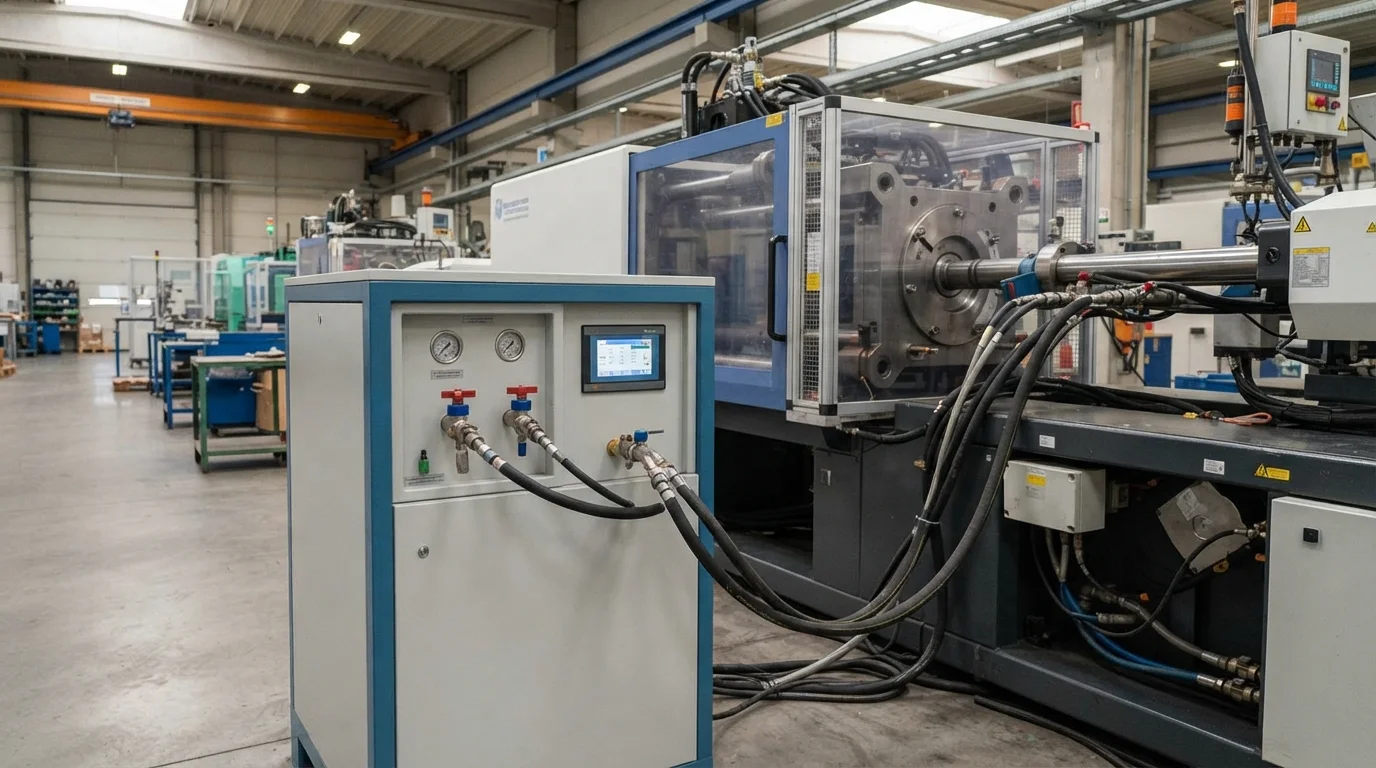
핸들, 그랩 바, 두꺼운 인클로저 리브와 같은 두꺼운 벽 구조 부품을 성형하는 것은 심각한 외관 및 가공 문제를 야기합니다. 두꺼운 고체 플라스틱 단면은 불균일하게 냉각되고 크게 수축하여 깊은 표면 싱크 마크, 내부 보이드, 장시간 사이클 타임을 발생시킵니다. 가스 어시스트 사출 성형 을 지정하면 용융 폴리머 코어에 고압 질소 가스를 직접 주입하여 이러한 물리적 한계를 극복할 수 있습니다. JUCHENG은 특수 가스 어시스트 생산 셀을 운영하며, 고객 CAD 파일에 따라 중공 구조 하드웨어를 엄격하게 제조합니다.
목차
질소 가스 주입 시스템 및 싱크 마크 제거
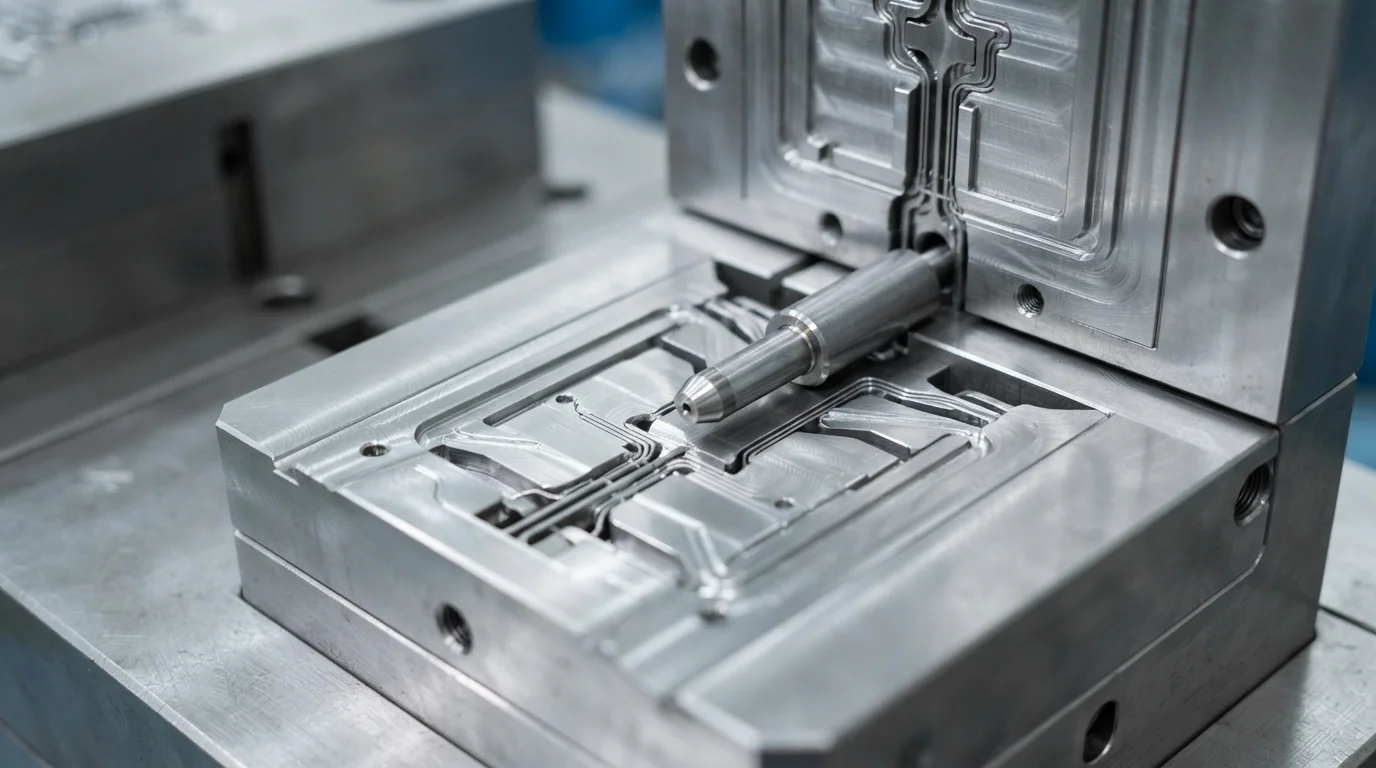
용융 스트림에 고순도 질소 가스를 주입하면 용융 플라스틱이 내부에서 외부로 캐비티 벽에 밀착됩니다. 질소 가스 주입 을 특수 가스 핀 또는 기계 노즐을 통해 실행하면 폴리머 스킨이 냉각된 툴 스틸에 단단히 밀착됩니다. 내부 가스 압력은 냉각 단계 전반에 걸쳐 폴리머의 체적 수축을 지속적으로 보상합니다. 균일한 내부 압력을 적용하면 두꺼운 리브와 보스 위의 표면 싱크 그림자를 완전히 제거할 수 있습니다. 표면 미관은 2차 외관 충전이나 두꺼운 벽 재설계 없이도 깨끗하게 유지됩니다.
가스 어시스트 가공 단계는 다음과 같습니다:
- 숏 샷 수지 도징—용융 수지의 제어된 부분 샷을 주입하여 가스 치환을 위한 캐비티를 준비합니다.
- 가스 핀 침투—고압 질소 가스를 코어에 주입하면 연속적인 중공 가스 채널이 형성됩니다.
- 내부 패킹 압력—질소 압력을 10~30 MPa로 유지하면 폴리머 스킨이 금형 벽에 단단히 밀착됩니다.
- 가스 배출 및 부품 취출—금형을 열기 전에 내부 질소 압력을 장치로 다시 배출하면 부품을 안전하게 취출할 수 있습니다.
핸들 및 튜빙을 위한 경량화 및 중공 구조 설계
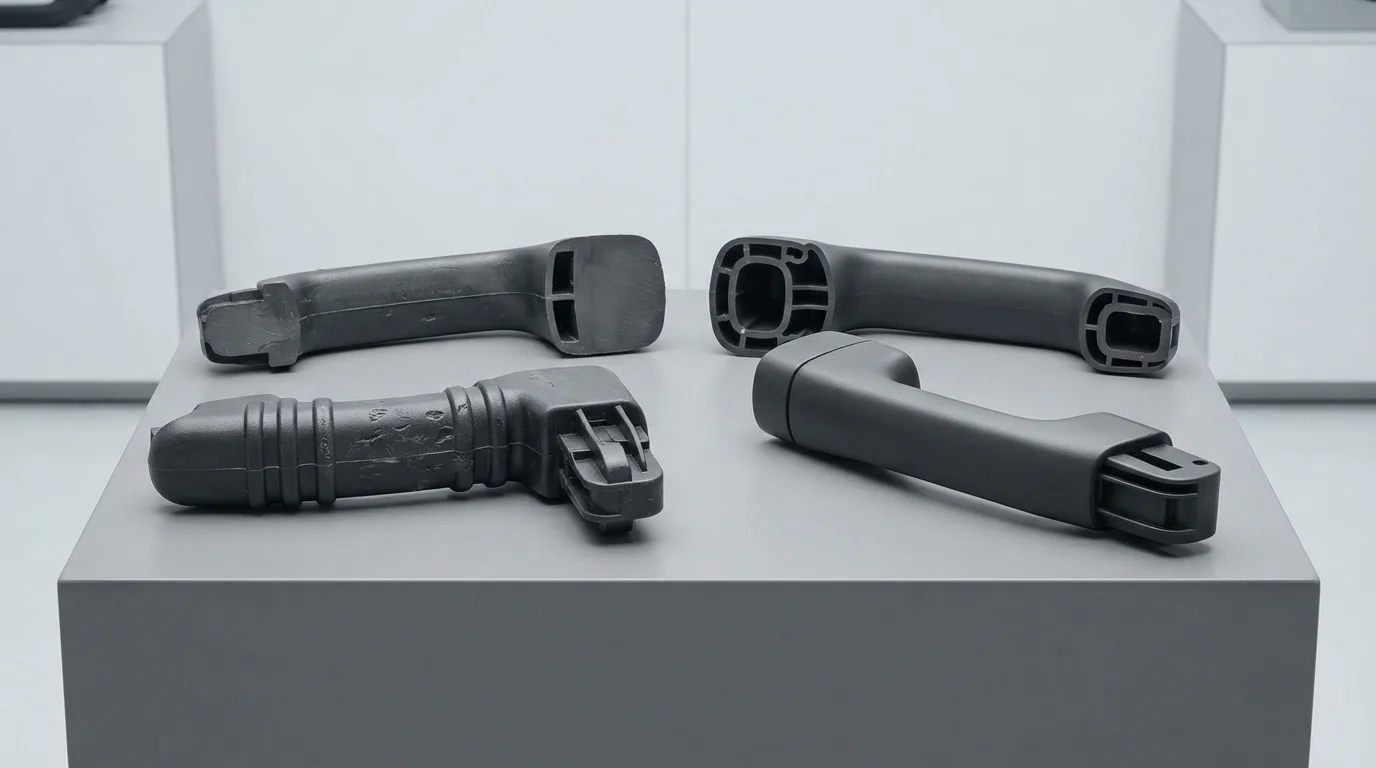
중공 코어 형성은 구조적 굽힘 강성을 유지하면서 부품 중량을 크게 줄입니다. 중공 구조 형상은 재료 사용량을 20%에서 40%까지 절감하여 고가의 엔지니어링 열가소성 수지에서 상당한 비용 절감을 제공합니다. 가스 어시스트로 일반적으로 처리되는 수지에는 폴리프로필렌(PP), ABS, 폴리카보네이트(PC), 그리고 유리 섬유 강화 PA66-GF30. 거대한 고체 수지 코어를 제거하면 열 방출 속도가 극적으로 빨라집니다. 두꺼운 단면 핸들에서 냉각 시간이 최대 50%까지 단축되어 시간당 프레스 처리량이 증가합니다.
| 대상 폴리머 수지 | 가스 압력 범위 (MPa) | 중량 감소 (%) | 냉각 시간 절감 (%) | 주요 가스 어시스트 부품 |
|---|---|---|---|---|
| 폴리프로필렌 (PP) | 10 – 20 MPa | 25% – 40% | 40% – 50% | 자동차 그랩 핸들 및 가전 튜빙 |
| ABS / PC+ABS 합금 | 15 – 25 MPa | 20% – 35% | 35% – 45% | 자동차 도어 핸들 및 미러 브래킷 |
| PA66-GF30 (유리 섬유 강화) | 20 – 30 MPa | 15% – 30% | 30% – 40% | 구조용 페달 및 중하중 프레임 |
내부 가스 압력 제어 및 구조적 무결성
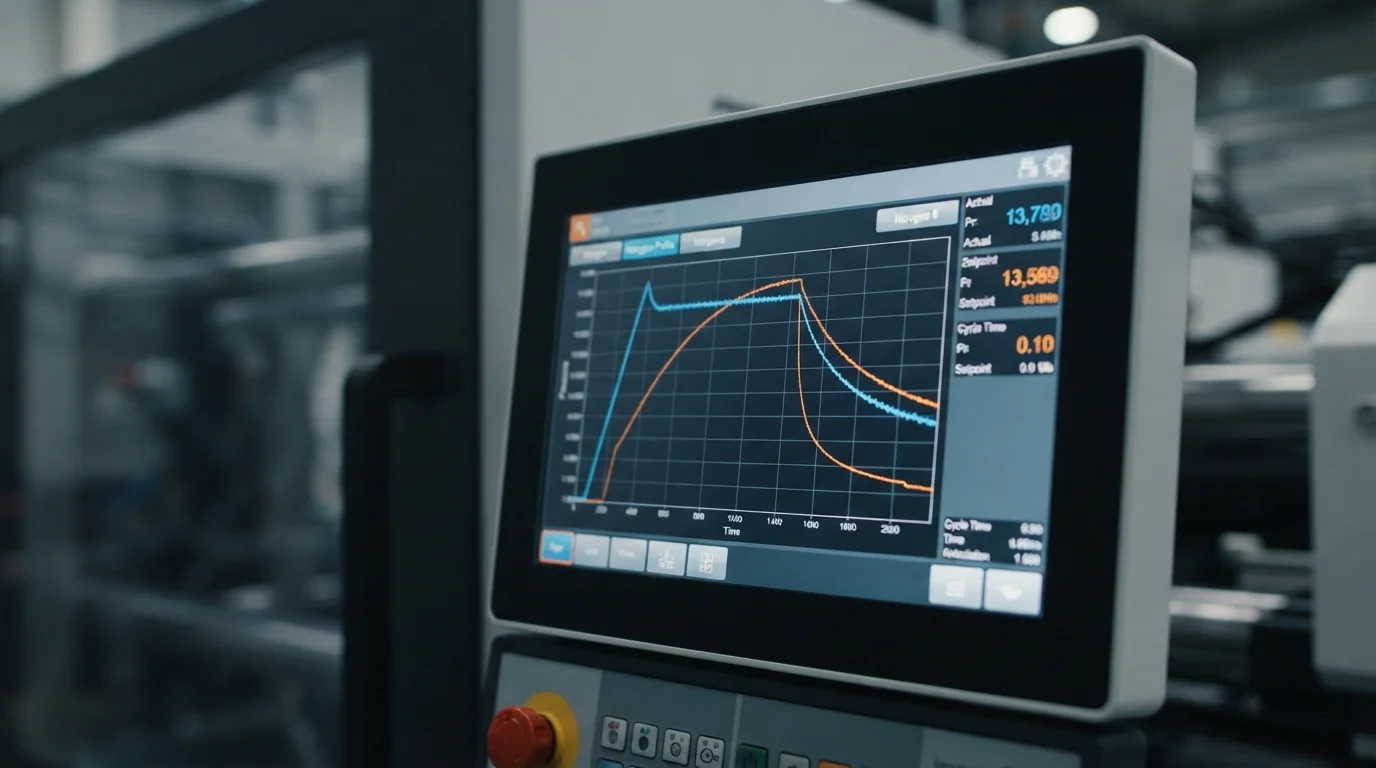
정밀한 내부 가스 압력 제어 를 유지하면 가스 블로우스루 또는 얇은 벽 핑거링과 같은 구조적 결함을 방지합니다. 가스 블로우스루는 스킨층이 충분한 두께를 형성하기 전에 질소가 멜트 프론트를 돌파할 경우 발생합니다. 툴링 엔지니어는 전략적인 가스 핀 노즐 두꺼운 단면에서 지정된 채널을 따라 가스 흐름 경로를 안내합니다. 수지 주입과 가스 유입 사이의 정밀한 타이밍 지연은 균일한 폴리머 스킨 벽 두께를 보장합니다. 공정 최적화는 결함 없는 외관 표면을 제공하면서 기계적 하중 한계를 유지합니다.
자주 묻는 질문 (FAQ)
가스 어시스트 성형은 두꺼운 부품에서 싱크 마크를 어떻게 제거합니까?
가스 어시스트 성형은 고압 질소를 용융 수지 중앙에 주입합니다. 내부 가스 압력은 냉각되는 플라스틱을 캐비티 벽 쪽으로 밀어내어 체적 수축을 지속적으로 보상하고 표면 싱크 그림자를 방지합니다.
숏샷과 풀샷 가스 어시스트 성형의 차이점은 무엇입니까?
숏샷 가스 어시스트는 가스가 용융물을 팽창시켜 금형을 채우기 전에 캐비티의 70%에서 90%를 수지로 채워 중공 코어를 만듭니다. 풀샷 가스 어시스트는 금형을 수지로 완전히 채우고, 큰 중공 채널을 만들지 않고 두꺼운 리브와 보스를 패킹 아웃하는 데만 가스를 사용합니다.
가스 어시스트 사출 성형에는 어떤 가스가 사용됩니까?
고순도 질소 가스(98%~99.9% 순도)는 화학적으로 불활성이며 용융 폴리머와 반응하지 않기 때문에 보편적으로 사용됩니다. 질소는 내부 중공 채널 벽의 산화, 연소 또는 화학적 열화를 방지합니다.