
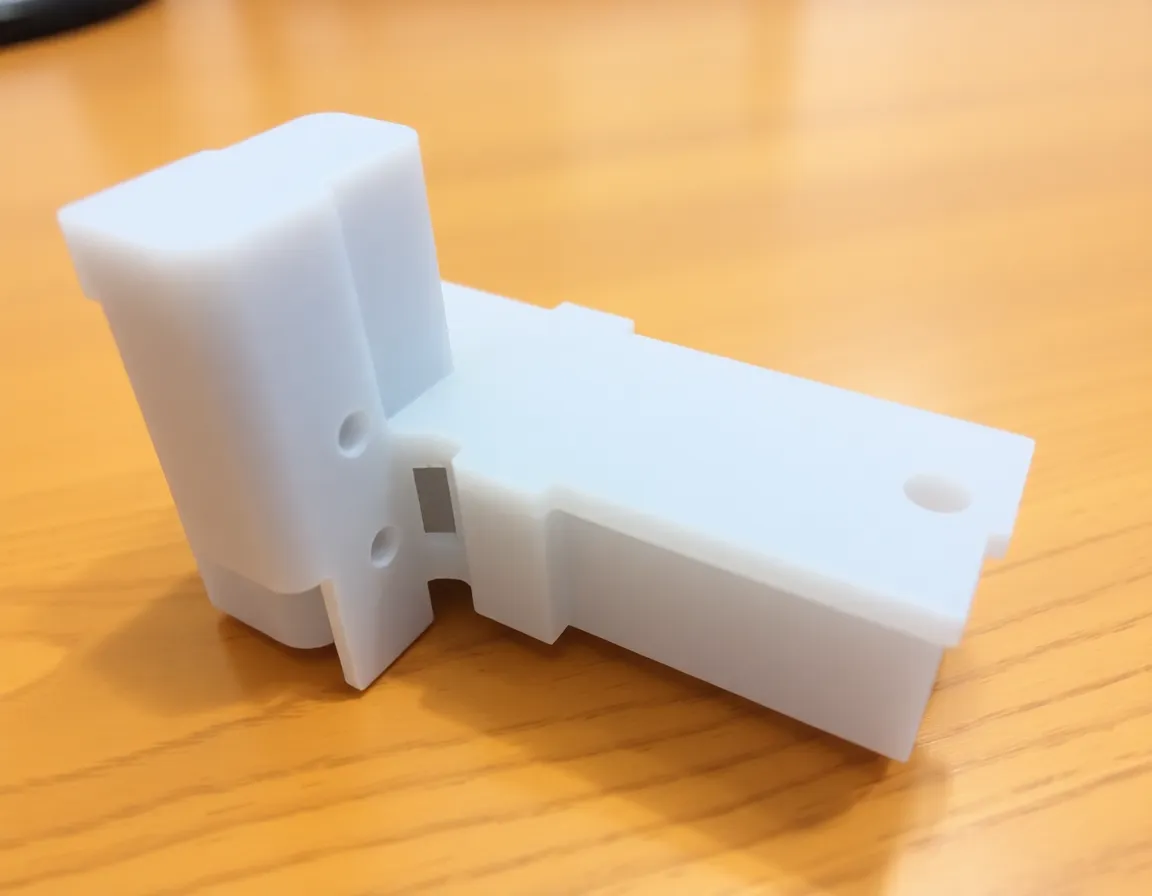
Verständnis der Auftragsfertigung von Smart-Home-Geräten
In der sich schnell entwickelnden Landschaft der Unterhaltungselektronik hat sich der Smart-Home-Sektor als dominierende Kraft erwiesen, mit Geräten, die von intelligenten Thermostaten und Sicherheitskameras bis hin zu sprachaktivierten Assistenten und automatisierten Beleuchtungssystemen reichen. Für Originalgerätehersteller (OEMs) und Start-ups gleichermaßen ist der Weg von einer brillanten Idee zu einem verkaufsfertigen Produkt voller Herausforderungen, von denen die bedeutendste die Fertigung ist. Hier wird Formteilfertigung für Smart-Home-Geräte im Auftrag zu einem strategischen Game-Changer. Auftragsfertigung ist ein Geschäftsmodell, bei dem ein spezialisierter Dritthersteller den gesamten Kunststoffspritzgussprozess – und oft auch mehr – im Namen des Markeninhabers übernimmt. Dieser Ansatz ermöglicht es Unternehmen, die massive Kapitalinvestition für den Bau eigener Fabriken zu umgehen und stattdessen das Fachwissen, die Maschinen und die Arbeitskräfte eines etablierten Partners zu nutzen, um qualitativ hochwertige Komponenten in großem Maßstab zu produzieren.
Die Smart-Home-Branche ist für dieses Modell besonders geeignet, da sie auf komplexe Geometrien, enge Toleranzen und hohe Produktionsmengen angewiesen ist. Im Gegensatz zu einfachen Spielzeugen oder grundlegenden Behältern erfordern Smart-Home-Geräte oft Mehrkomponentenspritzguss, Umspritzen für Soft-Touch-Griffe und präzises Insert-Molding für elektronische Steckverbinder. Auftragsspritzgießer, die auf diese Nische spezialisiert sind, bringen umfangreiches technisches Wissen mit und stellen sicher, dass die Kunststoffgehäuse, Tasten und Innenrahmen nicht nur hochwertig aussehen, sondern auch empfindliche Elektronik vor Hitze, Stößen und elektromagnetischen Störungen schützen. Durch die frühzeitige Einbindung eines Auftragsspritzgießers in die Designphase können Marken ihre Konstruktionen für die Fertigbarkeit (DFM) optimieren, Materialabfall und Zykluszeiten reduzieren, bevor überhaupt eine Produktionsform geschnitten wird.
Die finanzielle Logik ist unbestreitbar. Der Bau einer hochmodernen Spritzgussanlage erfordert Millionen von Dollar für Maschinen, Reinraumbedingungen und qualifizierte Techniker. Für ein Unternehmen, das sich auf Software, UI/UX und Ökosystemintegration konzentriert, ist die Bindung von Kapital in der physischen Fertigung eine schlechte Ressourcenallokation. Auftragsspritzguss wandelt Fixkosten in variable Kosten um. Sie zahlen nur für das, was Sie produzieren, skalieren während der Spitzennachfrage (z. B. in der Weihnachtszeit) hoch und in ruhigeren Monaten herunter, ohne die Belastung durch ungenutzte Maschinen. Diese Flexibilität ist entscheidend für Smart-Home-Marken, die sich in unvorhersehbaren Lieferketten und schnellen Technologie-Updates zurechtfinden müssen.
Die strategischen Vorteile der Auslagerung an einen Auftragsspritzgießer
Die Partnerschaft mit einem Auftragsspritzgießer für Ihre Smart-Home-Geräte ist nicht nur eine Kostensenkungsmaßnahme; es ist ein strategischer Schritt, um die Time-to-Market zu verkürzen und die Produktqualität zu verbessern. Die Vorteile gehen weit über "billigere Teile" hinaus. Lassen Sie uns die Kernvorteile analysieren, die dieses Modell für moderne Hardware-Unternehmen unverzichtbar machen.
Skaleneffekte und Lieferketteneffizienz erschließen
Auftragsspritzgießer arbeiten mit sehr geringen Margen, indem sie die Maschinenauslastung über mehrere Kunden maximieren. Das bedeutet, dass sie Rohstoffe wie ABS, Polycarbonat und flammhemmende Kunststoffe in großen Mengen einkaufen, die eine kleine Marke niemals erreichen könnte. Diese Mengenrabatte werden weitergegeben und senken direkt Ihre Stückkosten. Darüber hinaus haben etablierte Spritzgießer enge Beziehungen zu Werkzeugbaubetrieben und produzieren Formen oft intern oder über vertrauenswürdige Partner in kostengünstigen Regionen. Diese vertikale Integration verkürzt die Vorlaufzeiten für den Formenbau von Monaten auf Wochen. Viele Auftragsspritzgießer bieten außerdem Mehrwertdienste wie Tampondruck, Laserätzen, Ultraschallschweißen und sogar die vollständige Gerätemontage an. Wenn Sie diese Schritte unter einem Dach bündeln, vermeiden Sie den logistischen Albtraum, Teile zwischen mehreren Lieferanten zu versenden, und reduzieren sowohl Frachtkosten als auch das Risiko von Beschädigung oder Verlust.
Zugang zu fortschrittlicher Technologie und Materialwissenschaft
Der Smart-Home-Sektor verlangt hochmoderne Materialien. Zum Beispiel benötigt ein smarter Lautsprecher ein Gitter, das Schall durchlässt, aber Staub blockiert, und ein Sicherheitskameragehäuse muss UV-Strahlen und extremen Temperaturen für den Außeneinsatz standhalten. Top-Auftragsspritzgießer investieren stark in fortschrittliche Spritzgussmaschinen mit elektrischen Servoantrieben, die im Vergleich zu hydraulischen Maschinen überlegene Präzision und Energieeffizienz bieten. Sie verfügen auch über Fachwissen in speziellen Verfahren wie gasunterstütztem Spritzguss für hohle, leichte Strukturen und In-Mold Electronics (IME), die Schaltkreise direkt in die Kunststoffoberfläche integrieren. Dieser technologische Zugang ist für ein Start-up oft unmöglich, unabhängig zu erlangen. Durch die Nutzung der F&E-Fähigkeiten des Spritzgießers können Sie mit biobasierten Kunststoffen oder antimikrobiellen Additiven experimentieren, ohne sich zu großen Lagerbeständen zu verpflichten, und stellen sicher, dass Ihr Produkt den regulatorischen und Verbrauchertrends voraus ist.
Risikominderung und Qualitätssicherung
Produktionsfehler sind die stillen Killer von Smart-Home-Einführungen. Eine einzige Charge verzogener Gehäuse kann eine Einführung um Monate verzögern und den Ruf einer Marke schädigen. Professionelle Auftragsspritzgießer arbeiten unter strengen Qualitätsmanagementsystemen, die oft nach ISO 9001 und IATF 16949 zertifiziert sind. Sie setzen automatisierte Inline-Bildprüfsysteme ein, um kosmetische Mängel, Maßabweichungen und Grat in Echtzeit zu erkennen. Dieses Maß an statistischer Prozesskontrolle (SPC) stellt sicher, dass jedes Teil von der Maschine den genauen CAD-Spezifikationen entspricht. Darüber hinaus verfügen Auftragsspritzgießer über eine Haftpflichtversicherung und sind für ihre eigenen Maschinen und Arbeitskräfte verantwortlich. Wenn eine Form bricht oder eine Maschine ausfällt, tragen sie die Reparaturkosten, nicht Sie. Diese Risikoübertragung ist ein subtiler, aber mächtiger finanzieller Schutz, der Ihr Unternehmen vor katastrophalen, ungeplanten Kapitalausgaben bewahrt.
Wie der Auftragsspritzgussprozess für Smart-Geräte funktioniert
Understanding the workflow of contract molding helps you manage expectations and collaborate effectively. It is not a simple "send a file, get parts" transaction. The process is a rigorous, iterative collaboration that requires clear communication and technical diligence. Below is a breakdown of the typical lifecycle, from concept to mass production.
Design for Manufacturability (DFM) and Prototyping
The journey begins with a DFM review. The contract molder’s engineers will analyze your 3D model, looking for potential issues such as undercuts that require complex side-actions, wall thickness variations that cause sink marks, and sharp corners that create stress fractures. They will suggest modifications to reduce cycle time and improve structural integrity. Once the design is finalized, the molder creates a rapid prototype using 3D printing or a soft tool (aluminum mold) to produce a limited run of functional parts. This stage is crucial for testing the fit of PCBs (printed circuit boards), the tactile feel of buttons, and the acoustic performance of enclosures. It is far cheaper to fix a design flaw at this stage than to modify a hardened steel mold later.
Tooling, Validation, and Pilot Production
After prototype approval, the molder cuts the production tool—a hardened steel mold designed to withstand hundreds of thousands of cycles. This is the most expensive and time-consuming part of the project. Simultaneously, the molder procures the approved resins and begins machine setup. The next phase is EVT (Engineering Validation Test) und DVT (Design Validation Test). During these runs, the molder produces a small batch of parts (50-200 units) under production conditions. These parts are measured using coordinate measuring machines (CMM) to verify tolerances. The brand then assembles these into fully functional devices to test drop performance, thermal dissipation, and Wi-Fi signal penetration through the plastic. Only after these tests pass does the molder move to PVT (Production Validation Test), a larger run that simulates full-scale manufacturing, allowing for the fine-tuning of cycle times and automation parameters.
Mass Production and Supply Chain Logistics
Once PVT is successful, the molder enters full-rate production. Modern facilities use MES (Manufacturing Execution Systems) to track every part, from the raw material lot to the final packaged unit. This traceability is vital for warranty claims and recalls. The molder manages the inventory of raw materials, ensuring a consistent supply of color masterbatches and additives. Many contract molders also handle drop-shipping directly to your distribution centers or even to retail partners. This end-to-end service means you can operate a global hardware business from a small office, relying on the molder’s logistics network for warehousing and fulfillment. This seamless integration allows you to focus on firmware updates, marketing, and customer support, while the physical product flows effortlessly to the market.
Best Practices for Selecting and Working with a Contract Molder
Not all contract molders are created equal. Choosing the wrong partner can lead to quality issues, missed deadlines, and intellectual property theft. To maximize the benefits of contract molding, you must adopt a rigorous vetting process and cultivate a partnership based on transparency and mutual growth. Here are the critical best practices to follow.
Evaluating Technical Capability and Industry Experience
Look for a molder that has a proven track record in the consumer electronics or smart home sector. Ask for case studies involving similar devices—do they have experience with thin-wall molding for sleek wearables, or large-format molding for smart displays? Evaluate their cleanroom capabilities if you have medical-grade or high-optical-clarity components. Inquire about their automation levels. A molder that uses robotic arms for part removal and in-mold labeling is significantly more efficient than one relying on manual labor. Furthermore, check their geographic location. A molder in Mexico or Eastern Europe may offer shorter shipping times to North American or EU markets, respectively, compared to a traditional Asian supplier, though possibly at a higher unit cost. Balance cost against logistics and tariffs.
Protecting Your Intellectual Property (IP)
Your product design is your lifeblood. Before sharing your CAD files, ensure the molder signs a comprehensive NDA (Non-Disclosure Agreement). Inquire about their internal security protocols. Do they restrict access to tooling areas? Do they have secure servers for digital data? Reputable molders will segregate their client projects to prevent cross-contamination of ideas. Additionally, clarify mold ownership upfront. In most contracts, you pay for the mold, so you should own the physical tool. This allows you to move the mold to a different molder if your current partner’s performance declines. Ensure this is explicitly stated in the contract to avoid hostage situations where you cannot leave without abandoning your tooling investment.
Establishing Clear Communication and KPIs
Successful contract molding requires treating the molder as an extension of your own engineering team. Establish weekly calls, share upcoming demand forecasts, and be transparent about your cost targets. Define clear Key Performance Indicators (KPIs) beyond just price. These should include On-Time Delivery (OTD) rate, parts per million (PPM) defect rates, and response time to engineering change requests. Insist on a robust Quality Agreement that outlines who is responsible for what in the event of a field failure. Finally, negotiate payment terms that align with milestones—e.g., 30% upfront for tooling, 40% at tool approval, and 30% at PPAP (Production Part Approval Process) sign-off. This protects your cash flow and incentivizes the molder to hit critical deadlines.
Future Trends in Smart Home Contract Molding
The contract molding industry is not static; it is evolving to meet the demands of the next generation of smart home devices. Sustainability is a massive driver. Consumers are increasingly demanding eco-friendly products, and savvy molders are investing in recycled resins and biodegradable polymers. Look for partners who can process post-consumer recycled (PCR) plastics without compromising structural integrity. Another trend is the integration of Industrie 4.0 technologies. Smart factories use IoT sensors on molding machines to predict maintenance needs, reducing unplanned downtime. This data-driven approach also enables "lot size one" manufacturing, where a single mold can produce customized variations without changing tooling, allowing for regional product variations (e.g., different plug configurations or colorways) at no extra cost.
Furthermore, the rise of AI-driven mold design is shortening development cycles. Simulation software can now predict plastic flow, cooling, and warpage with incredible accuracy, reducing the number of physical trial-and-error iterations. This means your time-to-market can shrink by 20-30% compared to traditional methods. As smart home devices become more integrated with AI and edge computing, the physical housings will need to accommodate more sensors and heat-generating processors. Contract molders are responding by developing advanced thermal management solutions, such as over-molding with thermally conductive plastics that draw heat away from chips without needing metal heat sinks. By partnering with a forward-thinking molder, you position your brand at the forefront of these innovations, ensuring your products are not only cheaper to build but also more advanced than the competition.
In conclusion, smart home device contract molding is the undisputed engine for scaling hardware businesses efficiently. It offers a pathway to professional-grade quality, rapid scalability, and significant cost reduction, all while allowing you to retain your focus on innovation and user experience. By understanding the process, vetting partners meticulously, and embracing emerging trends, you can transform your manufacturing from a bottleneck into a competitive advantage. In a market where speed and agility are paramount, the right contract molding partnership is not just a vendor relationship—it is the foundation of your growth strategy.