
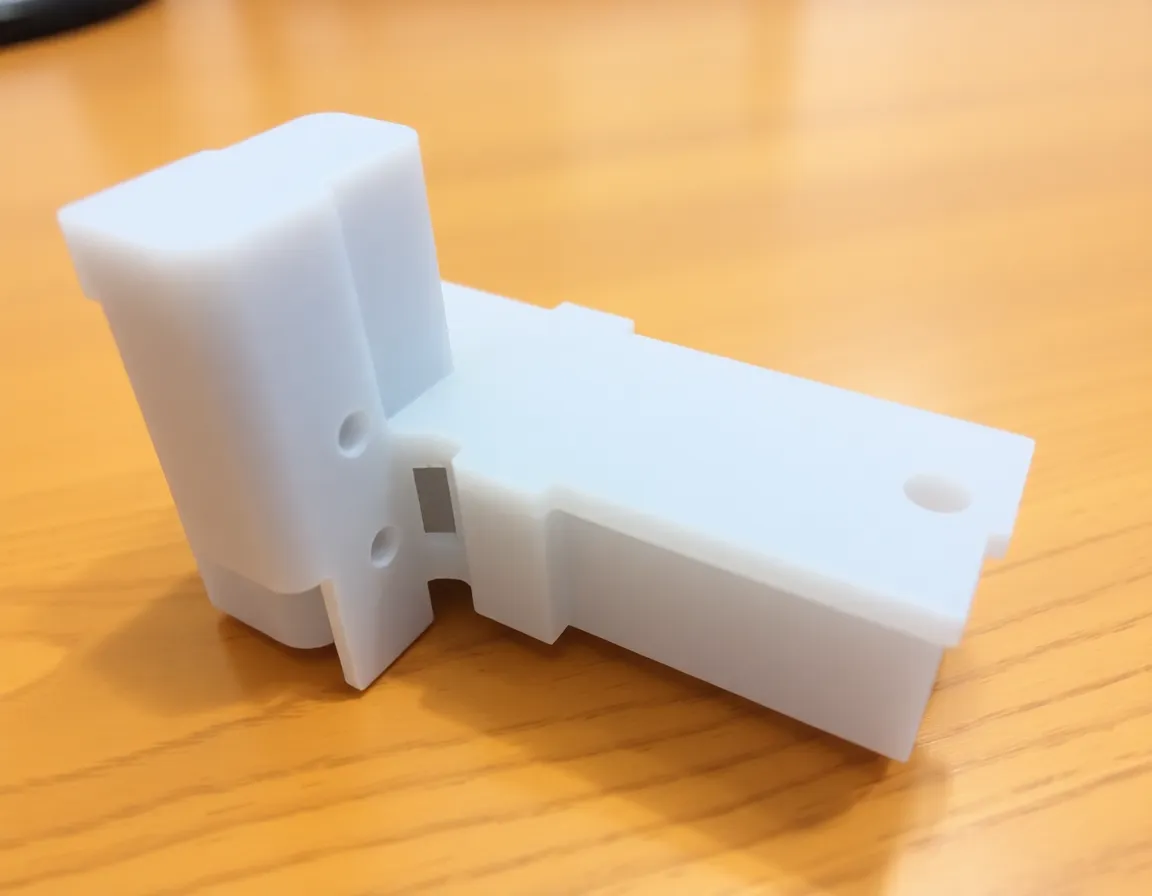
Entendiendo el moldeo por contrato de dispositivos para hogar inteligente
En el panorama en rápida evolución de la electrónica de consumo, el sector del hogar inteligente ha emergido como una fuerza dominante, con dispositivos que van desde termostatos inteligentes y cámaras de seguridad hasta asistentes activados por voz y sistemas de iluminación automatizados. Para los fabricantes de equipos originales (OEM) y las startups por igual, el viaje desde un concepto brillante hasta un producto listo para el estante está lleno de desafíos, el más significativo de los cuales es la fabricación. Aquí es donde Moldeo por contrato de dispositivos para hogar inteligente se convierte en un cambio estratégico de juego. El moldeo por contrato es un modelo de negocio donde un fabricante especializado de terceros maneja todo el proceso de moldeo por inyección de plástico—y a menudo más—en nombre del propietario de la marca. Este enfoque permite a las empresas evitar el gasto de capital masivo de construir sus propias fábricas, en lugar de aprovechar la experiencia, la maquinaria y la fuerza laboral de un socio establecido para producir componentes de alta calidad a escala.
La industria del hogar inteligente es particularmente adecuada para este modelo debido a su dependencia de geometrías complejas, tolerancias estrictas y tiradas de producción de alto volumen. A diferencia de juguetes simples o contenedores básicos, los dispositivos de hogar inteligente a menudo requieren moldeo de múltiples materiales, sobremoldeo para agarres de tacto suave e inserción precisa de moldes para conectores electrónicos. Los moldeadores por contrato especializados en este nicho aportan una gran cantidad de conocimientos de ingeniería, asegurando que las carcasas de plástico, botones y marcos internos no solo se vean premium sino que también protejan los componentes electrónicos sensibles del calor, impacto e interferencia electromagnética. Al involucrar a un moldeador por contrato temprano en la fase de diseño, las marcas pueden optimizar sus diseños para la fabricabilidad (DFM), reduciendo el desperdicio de material y los tiempos de ciclo antes de que incluso se corte un molde de producción.
La lógica financiera es innegable. Construir una instalación de moldeo por inyección de última generación requiere millones de dólares en maquinaria, entornos de sala limpia y técnicos calificados. Para una empresa centrada en software, UI/UX e integración de ecosistemas, inmovilizar capital en fabricación física es una mala asignación de recursos. El moldeo por contrato convierte los costos fijos en costos variables. Pagas por lo que produces, escalando durante los picos de demanda (como la temporada navideña) y reduciendo la escala durante los meses más tranquilos sin la carga de maquinaria inactiva. Esta flexibilidad es fundamental para las marcas de hogar inteligente que deben navegar por dinámicas impredecibles de la cadena de suministro y rápidas actualizaciones tecnológicas.
Las Ventajas Estratégicas de Externalizar a un Moldeador por Contrato
Elegir asociarse con un moldeador por contrato para tus dispositivos de hogar inteligente no es meramente un ejercicio de reducción de costos; es un movimiento estratégico para acelerar el tiempo de comercialización y mejorar la calidad del producto. Los beneficios van mucho más allá de simplemente "piezas más baratas". Analicemos las ventajas principales que hacen que este modelo sea indispensable para las empresas de hardware modernas.
Desbloqueando Economías de Escala y Eficiencia en la Cadena de Suministro
Los moldeadores por contrato operan con márgenes muy reducidos al maximizar la utilización de la maquinaria en múltiples clientes. Esto significa que compran materias primas—como ABS, policarbonato y plásticos retardantes de llama—en cantidades al por mayor que una pequeña marca nunca podría igualar. Estos descuentos por volumen se transmiten, reduciendo directamente tu costo por unidad. Además, los moldeadores establecidos tienen relaciones profundas con talleres de moldes, a menudo produciendo moldes internamente o a través de socios de confianza en regiones de bajo costo. Esta integración vertical acorta los plazos de fabricación de moldes de meses a semanas. Adicionalmente, muchos moldeadores por contrato ofrecen servicios de valor agregado como impresión de tampografía, grabado láser, soldadura ultrasónica e incluso ensamblaje completo del dispositivo. Al consolidar estos pasos bajo un mismo techo, eliminas la pesadilla logística de enviar piezas entre múltiples proveedores, reduciendo tanto los costos de flete como el riesgo de daño o pérdida.
Acceso a Tecnología Avanzada y Ciencia de Materiales
El sector del hogar inteligente exige materiales de vanguardia. Por ejemplo, un altavoz inteligente requiere una rejilla que permita pasar el sonido mientras bloquea el polvo, y una carcasa de cámara de seguridad necesita resistir los rayos UV y temperaturas extremas para uso exterior. Los moldeadores por contrato de primer nivel invierten fuertemente en máquinas de moldeo por inyección avanzadas con accionamientos servoeléctricos, que ofrecen precisión superior y eficiencia energética en comparación con las máquinas hidráulicas. También tienen experiencia en procesos especializados como el moldeo por inyección asistido por gas para estructuras huecas y ligeras y la electrónica en molde (IME) que integra circuitos directamente en la superficie plástica. Este acceso tecnológico es a menudo imposible de adquirir de forma independiente para una startup. Al aprovechar las capacidades de I+D del moldeador, puedes experimentar con plásticos de base biológica o aditivos antimicrobianos sin comprometerte con compras masivas de inventario, asegurando que tu producto se mantenga por delante de las tendencias regulatorias y de consumo.
Mitigación de Riesgos y Aseguramiento de la Calidad
Los defectos de producción son los asesinos silenciosos de los lanzamientos de hogar inteligente. Un solo lote de carcasas deformadas puede retrasar un lanzamiento por meses y empañar la reputación de una marca. Los moldeadores por contrato profesionales operan bajo estrictos sistemas de gestión de calidad, a menudo certificados según las normas ISO 9001 e IATF 16949. Emplean sistemas de inspección visual automatizada en línea para detectar defectos cosméticos, desviaciones dimensionales y rebabas en tiempo real. Este nivel de control estadístico de procesos (SPC) asegura que cada pieza fuera de la prensa cumpla con las especificaciones exactas del CAD. Además, los moldeadores por contrato tienen seguro de responsabilidad civil y son responsables de su propia maquinaria y mano de obra. Si un molde se rompe o una máquina funciona mal, ellos asumen el costo de la reparación, no tú. Esta transferencia de riesgo es un escudo financiero sutil pero poderoso, protegiendo a tu empresa de gastos de capital catastróficos e imprevistos.
Cómo Funciona el Proceso de Moldeo por Contrato para Dispositivos Inteligentes
Entender el flujo de trabajo del moldeo por contrato te ayuda a gestionar las expectativas y colaborar de manera efectiva. No es una transacción simple de "enviar un archivo, obtener piezas". El proceso es una colaboración rigurosa e iterativa que requiere comunicación clara y diligencia técnica. A continuación se presenta un desglose del ciclo de vida típico, desde el concepto hasta la producción en masa.
Design for Manufacturability (DFM) and Prototyping
The journey begins with a DFM review. The contract molder’s engineers will analyze your 3D model, looking for potential issues such as undercuts that require complex side-actions, wall thickness variations that cause sink marks, and sharp corners that create stress fractures. They will suggest modifications to reduce cycle time and improve structural integrity. Once the design is finalized, the molder creates a rapid prototype using 3D printing or a soft tool (aluminum mold) to produce a limited run of functional parts. This stage is crucial for testing the fit of PCBs (printed circuit boards), the tactile feel of buttons, and the acoustic performance of enclosures. It is far cheaper to fix a design flaw at this stage than to modify a hardened steel mold later.
Tooling, Validation, and Pilot Production
After prototype approval, the molder cuts the production tool—a hardened steel mold designed to withstand hundreds of thousands of cycles. This is the most expensive and time-consuming part of the project. Simultaneously, the molder procures the approved resins and begins machine setup. The next phase is EVT (Engineering Validation Test) y DVT (Design Validation Test). During these runs, the molder produces a small batch of parts (50-200 units) under production conditions. These parts are measured using coordinate measuring machines (CMM) to verify tolerances. The brand then assembles these into fully functional devices to test drop performance, thermal dissipation, and Wi-Fi signal penetration through the plastic. Only after these tests pass does the molder move to PVT (Production Validation Test), a larger run that simulates full-scale manufacturing, allowing for the fine-tuning of cycle times and automation parameters.
Mass Production and Supply Chain Logistics
Once PVT is successful, the molder enters full-rate production. Modern facilities use MES (Manufacturing Execution Systems) to track every part, from the raw material lot to the final packaged unit. This traceability is vital for warranty claims and recalls. The molder manages the inventory of raw materials, ensuring a consistent supply of color masterbatches and additives. Many contract molders also handle drop-shipping directly to your distribution centers or even to retail partners. This end-to-end service means you can operate a global hardware business from a small office, relying on the molder’s logistics network for warehousing and fulfillment. This seamless integration allows you to focus on firmware updates, marketing, and customer support, while the physical product flows effortlessly to the market.
Best Practices for Selecting and Working with a Contract Molder
Not all contract molders are created equal. Choosing the wrong partner can lead to quality issues, missed deadlines, and intellectual property theft. To maximize the benefits of contract molding, you must adopt a rigorous vetting process and cultivate a partnership based on transparency and mutual growth. Here are the critical best practices to follow.
Evaluating Technical Capability and Industry Experience
Look for a molder that has a proven track record in the consumer electronics or smart home sector. Ask for case studies involving similar devices—do they have experience with moldeo de pared delgada for sleek wearables, or large-format molding for smart displays? Evaluate their cleanroom capabilities if you have medical-grade or high-optical-clarity components. Inquire about their automation levels. A molder that uses robotic arms for part removal and in-mold labeling is significantly more efficient than one relying on manual labor. Furthermore, check their geographic location. A molder in Mexico or Eastern Europe may offer shorter shipping times to North American or EU markets, respectively, compared to a traditional Asian supplier, though possibly at a higher unit cost. Balance cost against logistics and tariffs.
Protecting Your Intellectual Property (IP)
Your product design is your lifeblood. Before sharing your CAD files, ensure the molder signs a comprehensive NDA (Non-Disclosure Agreement). Inquire about their internal security protocols. Do they restrict access to tooling areas? Do they have secure servers for digital data? Reputable molders will segregate their client projects to prevent cross-contamination of ideas. Additionally, clarify mold ownership upfront. In most contracts, you pay for the mold, so you should own the physical tool. This allows you to move the mold to a different molder if your current partner’s performance declines. Ensure this is explicitly stated in the contract to avoid hostage situations where you cannot leave without abandoning your tooling investment.
Establishing Clear Communication and KPIs
Successful contract molding requires treating the molder as an extension of your own engineering team. Establish weekly calls, share upcoming demand forecasts, and be transparent about your cost targets. Define clear Key Performance Indicators (KPIs) beyond just price. These should include On-Time Delivery (OTD) rate, parts per million (PPM) defect rates, and response time to engineering change requests. Insist on a robust Quality Agreement that outlines who is responsible for what in the event of a field failure. Finally, negotiate payment terms that align with milestones—e.g., 30% upfront for tooling, 40% at tool approval, and 30% at PPAP (Production Part Approval Process) sign-off. This protects your cash flow and incentivizes the molder to hit critical deadlines.
Future Trends in Smart Home Contract Molding
The contract molding industry is not static; it is evolving to meet the demands of the next generation of smart home devices. Sustainability is a massive driver. Consumers are increasingly demanding eco-friendly products, and savvy molders are investing in recycled resins and biodegradable polymers. Look for partners who can process post-consumer recycled (PCR) plastics without compromising structural integrity. Another trend is the integration of Industry 4.0 technologies. Smart factories use IoT sensors on molding machines to predict maintenance needs, reducing unplanned downtime. This data-driven approach also enables "lot size one" manufacturing, where a single mold can produce customized variations without changing tooling, allowing for regional product variations (e.g., different plug configurations or colorways) at no extra cost.
Además, el auge de los AI-driven mold design is shortening development cycles. Simulation software can now predict plastic flow, cooling, and warpage with incredible accuracy, reducing the number of physical trial-and-error iterations. This means your time-to-market can shrink by 20-30% compared to traditional methods. As smart home devices become more integrated with AI and edge computing, the physical housings will need to accommodate more sensors and heat-generating processors. Contract molders are responding by developing advanced thermal management solutions, such as over-molding with thermally conductive plastics that draw heat away from chips without needing metal heat sinks. By partnering with a forward-thinking molder, you position your brand at the forefront of these innovations, ensuring your products are not only cheaper to build but also more advanced than the competition.
In conclusion, smart home device contract molding is the undisputed engine for scaling hardware businesses efficiently. It offers a pathway to professional-grade quality, rapid scalability, and significant cost reduction, all while allowing you to retain your focus on innovation and user experience. By understanding the process, vetting partners meticulously, and embracing emerging trends, you can transform your manufacturing from a bottleneck into a competitive advantage. In a market where speed and agility are paramount, the right contract molding partnership is not just a vendor relationship—it is the foundation of your growth strategy.