
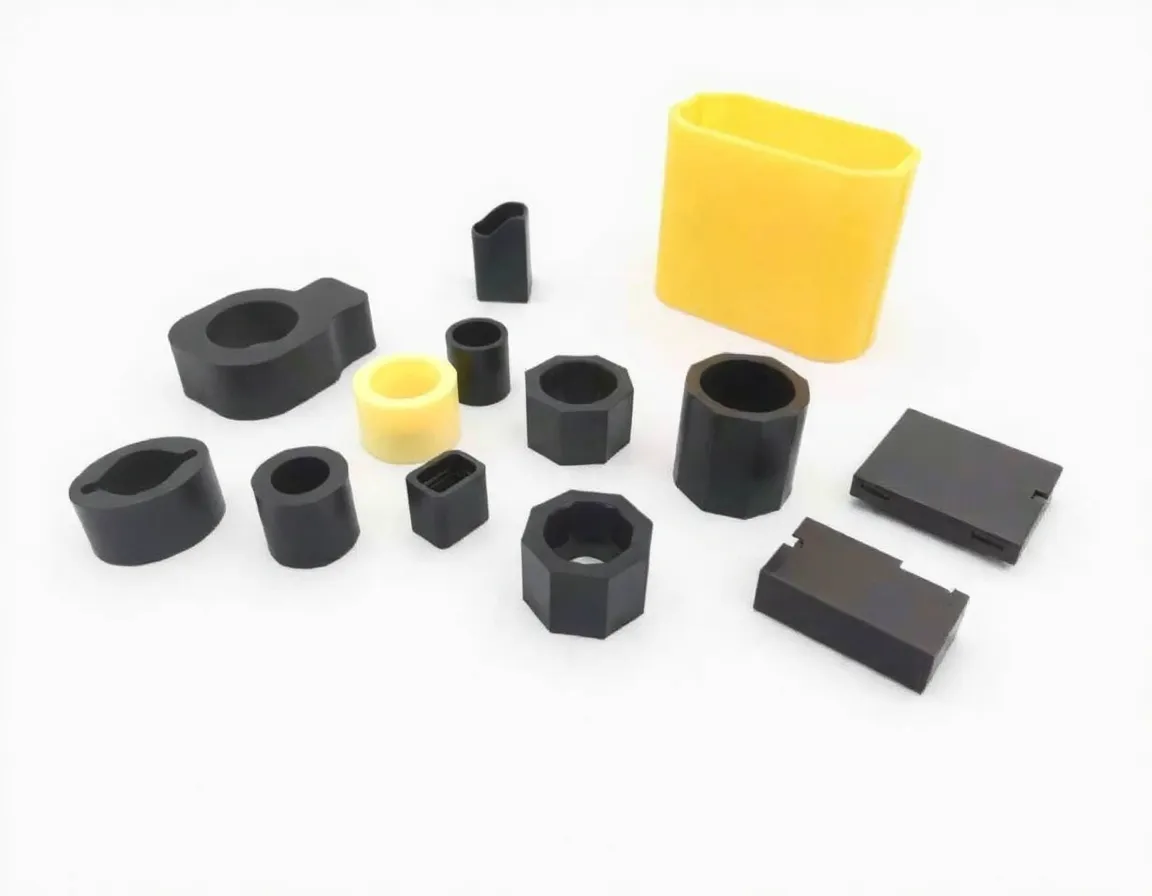
La evolución de la fabricación por contrato de hardware para drones
La industria de los drones comerciales ha experimentado un crecimiento explosivo durante la última década, pasando de ser un mercado de nicho para aficionados a un sector multimillonario que presta servicio a la agricultura, la logística, la defensa y la inspección de infraestructuras. En el centro de esta transformación se encuentra fabricación por contrato (CM) de hardware para drones – la práctica de externalizar la producción de componentes y sistemas completos de vehículos aéreos no tripulados (UAV) a fabricantes especializados externos. Este modelo se ha convertido en la columna vertebral de la industria, permitiendo tanto a las empresas emergentes como a las marcas consolidadas escalar la producción sin una enorme inversión de capital en fábricas y equipos.
La fabricación por contrato de hardware para drones abarca todo, desde el ensamblaje de placas de circuito impreso (PCBA) y marcos de aluminio mecanizados con precisión hasta estructuras de fibra de carbono, sistemas de cardán, unidades de propulsión e integración final del sistema. A diferencia de la fabricación electrónica tradicional, la producción de drones exige una ingeniería excepcionalmente ligera, resistencia a las vibraciones, gestión térmica y cumplimiento de normas de seguridad de grado aeronáutico. A medida que la industria madura, los fabricantes por contrato están evolucionando de simples talleres de "construcción según plano" a socios de ingeniería de servicio completo que ofrecen diseño para la fabricabilidad (DFM), prototipado rápido y gestión integral de la cadena de suministro.
Se proyecta que el mercado global de fabricación por contrato de drones crezca a una tasa de crecimiento anual compuesta (CAGR) de más del 15% hasta 2030, impulsado por el aumento del gasto en defensa, los servicios de entrega comercial y el auge de los conceptos de movilidad aérea urbana (UAM). Este artículo explora las principales tendencias que están transformando este sector crítico, desde materiales avanzados hasta tecnologías de gemelos digitales, y proporciona información práctica para las empresas que buscan asociaciones de fabricación.
Tendencia 1: El cambio hacia la fabricación modular y basada en plataformas
Una de las tendencias más significativas en la fabricación por contrato de hardware para drones es el abandono de los diseños personalizados y únicos en favor de arquitecturas modulares basadas en plataformas. En lugar de diseñar una estructura completamente nueva para cada aplicación, los fabricantes ahora diseñan módulos centrales estandarizados –como controladores de vuelo, unidades de distribución de energía y cargas útiles de sensores– que pueden configurarse para diferentes misiones. Los fabricantes por contrato están invirtiendo fuertemente en líneas de producción flexibles que pueden alternar entre variantes con un reajuste mínimo.
Beneficios del diseño modular para los fabricantes por contrato
Este enfoque ofrece ventajas sustanciales tanto para el fabricante por contrato (CM) como para el fabricante de equipos originales (OEM). Para el fabricante, la modularidad reduce la complejidad del inventario, permite la compra al por mayor de componentes comunes y acorta los plazos de entrega. Para el OEM, significa un tiempo de comercialización más rápido para nuevas variantes, un mantenimiento sobre el terreno más sencillo y menores costos del ciclo de vida. Por ejemplo, un solo fabricante podría producir una plataforma base de cuadricóptero que puede equiparse con cámaras térmicas para la lucha contra incendios, sensores multiespectrales para la agricultura o unidades LiDAR para topografía, todo ello utilizando la misma estructura central y el mismo conjunto de vuelo.
Además, la fabricación modular permite volúmenes de producción escalables. Un fabricante por contrato puede comenzar con una producción inicial de baja tasa (LRIP) de 50 unidades al mes para una startup y luego aumentar sin problemas a 5.000 unidades al mes a medida que aumentan los pedidos, sin rediseñar el proceso de producción. Esta flexibilidad es crucial en un mercado donde la demanda puede dispararse repentinamente debido a aprobaciones regulatorias o contratos de respuesta ante catástrofes.
Tendencia 2: Materiales avanzados e integración de la fabricación aditiva
La segunda tendencia importante es la adopción de materiales ligeros avanzados y la integración de fabricación aditiva (impresión 3D) en los flujos de producción tradicionales. El rendimiento de los drones está directamente ligado a la reducción de peso: cada gramo ahorrado se traduce en tiempos de vuelo más largos, mayor capacidad de carga útil o mejor agilidad. Los fabricantes por contrato están yendo cada vez más allá del aluminio 6061 estándar y el plástico ABS hacia materiales como:
- Polímeros reforzados con fibra de carbono (CFRP) – que ofrecen relaciones resistencia-peso excepcionales para fuselajes y brazos de rotor
- Termoplásticos de alta temperatura (PEEK, PEKK) – para carcasas de motores y componentes expuestos al calor
- Aleaciones de titanio – para sujetadores de alta tensión y tren de aterrizaje
- Compuestos de matriz metálica – para la gestión térmica en electrónica de potencia
Lo que hace que esta tendencia sea particularmente transformadora es la combinación de mecanizado CNC con impresión 3D. Muchos fabricantes por contrato ahora utilizan modelado por deposición fundida (FDM) o sinterización selectiva por láser (SLS) para producir plantillas, utillajes y piezas de uso final complejas que serían imposibles o prohibitivamente costosas de mecanizar. Por ejemplo, un fabricante puede imprimir en 3D una cubierta de ventilador canalizado personalizada con canales de flujo de aire internos que reducen la resistencia, y luego mecanizar con CNC las bridas de montaje para lograr una tolerancia perfecta. Este enfoque híbrido reduce el desperdicio de material hasta en un 40% y permite iteraciones de diseño rápidas durante la fase de prototipado.
Además, el uso de refuerzo de fibra continua en la fabricación aditiva ha madurado significativamente. Empresas como Markforged y Anisoprint ahora ofrecen impresoras que colocan fibra de carbono continua o Kevlar dentro de matrices termoplásticas, produciendo piezas con propiedades mecánicas comparables al aluminio a una fracción del peso. Los fabricantes por contrato están aprovechando esta tecnología para drones de bajo volumen y alto rendimiento utilizados en aplicaciones militares e industriales donde los costos de utillaje tradicional serían prohibitivos.
Tendencia 3: Automatización, robótica y fabricación con gemelo digital
La tercera tendencia que está remodelando la fabricación por contrato de hardware para drones es el despliegue agresivo de automatización de fábrica y tecnología de gemelo digital. A diferencia de la electrónica de consumo, el ensamblaje de drones todavía implica una cantidad significativa de mano de obra manual, especialmente para arneses de cables, calibración de sensores e inspección final. Sin embargo, los principales fabricantes por contrato ahora están desplegando robots colaborativos (cobots) y vehículos de guiado automático (AGV) para agilizar tareas repetitivas mientras mantienen la supervisión humana en las operaciones críticas para la calidad.
Tecnologías clave de automatización en la fabricación por contrato de drones
La automatización se está aplicando en múltiples etapas del proceso de producción:
- Inspección óptica automatizada (AOI) para PCBA – detecta defectos de soldadura y errores de colocación de componentes a velocidades imposibles para los inspectores humanos
- Atornillado robótico y dispensación de adhesivo – garantiza un par de apriete y un espesor de línea de unión consistentes en el ensamblaje del fuselaje
- Sistemas de prueba automatizados (ATS) – realizan pruebas funcionales al 100% de controladores de vuelo, ESC y módulos GPS
- AI-powered vision systems – verifying the correct installation of cables, connectors, and antennas
The concept of a digital twin – a virtual replica of the physical production line – has moved from theory to practice. Contract manufacturers now create digital twins of their drone assembly lines, allowing them to simulate production flows, identify bottlenecks, and optimize line balancing without stopping physical production. Using real-time data from IoT sensors embedded in machines, the digital twin can predict equipment failures before they occur, reducing unplanned downtime by as much as 30%. For drone OEMs, this means greater supply chain reliability and consistent product quality across batches.
Another critical automation trend is the use of in-line metrology and coordinate measuring machines (CMMs) for dimensional inspection. Drones require extremely tight tolerances – especially on motor mounts and propeller hubs – to minimize vibrations that degrade flight stability. Automated CMM systems can measure hundreds of critical dimensions per part in minutes, feeding data back into the manufacturing execution system (MES) for statistical process control (SPC). This closed-loop quality system ensures that any drift in the manufacturing process is corrected before it results in non-conforming parts.
Trend 4: Supply Chain Resilience and Dual-Sourcing Strategies
The COVID-19 pandemic and subsequent geopolitical tensions exposed the fragility of global supply chains, particularly for semiconductor components and rare-earth magnets used in drone motors. As a result, the fourth major trend in drone hardware contract manufacturing is a fundamental shift toward supply chain resilience and dual-sourcing. Contract manufacturers are no longer willing to rely on a single supplier for critical components; instead, they are building redundant supply networks.
Strategies for Supply Chain Security
Leading contract manufacturers are implementing several key strategies to mitigate risk:
- Geographic diversification – qualifying suppliers in different regions (e.g., Mexico, Vietnam, and Eastern Europe) to avoid single-country dependence
- Multi-vendor qualification – maintaining at least two approved suppliers for every critical component, from MCUs to lithium-polymer cells
- Buffer inventory management – strategically stocking long-lead-time items such as specialized connectors and custom ICs
- Vertical integration of bottleneck processes – bringing in-house the manufacturing of high-demand items like precision gears or antenna arrays
This trend is particularly visible in the motor and propulsion system segment. Many contract manufacturers have started producing their own brushless DC motors and electronic speed controllers (ESCs) to avoid the 20-30 week lead times common for imported components. By investing in winding machines and magnetizing equipment, these CMs gain control over the most performance-critical part of the drone. Similarly, battery pack assembly – which requires specialized cell matching and spot welding – is increasingly being brought in-house to ensure quality and safety compliance.
Moreover, contract manufacturers are leveraging long-term supply agreements (LTSAs) with commodity suppliers for aluminum, carbon fiber, and copper. These agreements lock in pricing and guarantee allocation, even during market shortages. For drone OEMs, partnering with a CM that has robust supply chain practices is now a critical selection criterion, often outweighing pure unit cost considerations. The ability to maintain production during global disruptions has become a competitive differentiator.
Trend 5: Regulatory Compliance and Certifications as a Service
The fifth trend is the transformation of regulatory compliance from an afterthought into a core service offering. As drone regulations tighten globally – particularly in the EU (under the European Union Aviation Safety Agency, EASA) and the US (under the FAA's Part 107 and upcoming Remote ID rules) – contract manufacturers are being asked to provide more than just assembly. They are now expected to maintain certifications and documentation that enable their customers to achieve market access.
Modern drone contract manufacturers are obtaining and maintaining certifications such as ISO 9001:2015 for quality management, AS9100D for aerospace applications, and ISO 14001 for environmental management. More importantly, they are developing expertise in specific drone regulations, including:
- FAA Remote ID – integrating broadcast modules and ensuring compliance with broadcast and network-based requirements
- EASA Class C0-C6 classification – designing and manufacturing drones that meet specific operational category requirements
- CE marking and RoHS compliance – for all electronic components and assemblies
- REACH and conflict minerals reporting – providing full material traceability
Contract manufacturers are also offering designated testing and certification support. This includes conducting electromagnetic compatibility (EMC) testing, thermal cycling, and vibration testing in-house, then preparing the necessary documentation for third-party certification bodies. Some advanced CMs have established their own in-house testing laboratories with anechoic chambers and environmental chambers, reducing the time and cost of certification for their clients. This "compliance as a service" model is particularly valuable for startups that lack the resources to navigate complex regulatory landscapes.
Además, el auge de los defense and dual-use drone programs has created demand for ITAR (International Traffic in Arms Regulations) and EAR (Export Administration Regulations) compliance. Contract manufacturers that can handle sensitive technologies under strict security protocols are gaining a competitive edge, as they can serve military and government clients. This requires secure facilities, background-checked personnel, and robust cybersecurity practices to protect intellectual property and technical data.
Best Practices for Selecting a Drone Hardware Contract Manufacturer
Given the complexity and rapid evolution of drone technology, selecting the right contract manufacturing partner is a critical strategic decision. The following best practices can guide OEMs in making an informed choice:
1. Evaluate Engineering Capabilities Beyond Assembly
Look for a CM that offers design-for-manufacturability (DFM) review, value engineering, and prototyping services. The best partners will identify potential manufacturing issues early, suggest alternative materials or processes, and provide samples within days – not months. Ask about their experience with similar drone form factors (quadcopter, fixed-wing, hybrid VTOL) and payload types.
2. Assess Quality Systems and Traceability
Demand to see their incoming inspection protocols, in-process quality checkpoints, and final acceptance test procedures. A reputable CM should provide full lot traceability from raw material to finished product, including batch numbers for all critical components. Request a sample of their inspection reports and failure mode and effects analysis (FMEA) documentation.
3. Verify Capacity and Scalability
Understand the CM's current capacity utilization and their ability to scale. Ask about their peak production rates, existing automation levels, and plans for capacity expansion. A CM that is already running at 90% capacity may struggle to accommodate your growth, while one with idle capacity may lack the experience of high-volume production.
4. Check Financial Stability and References
Contract manufacturing involves long-term commitments and significant financial exposure. Review the CM's financial statements, ask for client references, and visit their facilities in person. Verify that they have a healthy order backlog and a diverse customer base – avoid CMs that depend on a single large client for the majority of their revenue.
5. Prioritize Communication and Supply Chain Transparency
Choose a partner that provides real-time production dashboards, regular status reports, and open access to their supply chain data. You should be able to see where every component is in the pipeline, from raw material to final assembly. Transparent communication about lead times, cost changes, and potential disruptions is essential for building a successful long-term partnership.
Conclusion: The Future of Drone Hardware Contract Manufacturing
The drone hardware contract manufacturing landscape is undergoing a profound transformation, driven by modular design principles, advanced materials, automation, supply chain resilience, and regulatory complexity. The days of simple "build-to-print" outsourcing are over; today's leading contract manufacturers are strategic partners that contribute to design innovation, ensure regulatory compliance, and provide scalable, high-quality production capabilities.
Looking ahead, we can expect further convergence with artificial intelligence in production planning, the use of blockchain for supply chain traceability, and the emergence of micro-factories that can produce drones on-site at deployment locations. Additionally, the push toward sustainable manufacturing – including recyclable thermoplastics and energy-efficient production processes – will become a differentiator. For drone OEMs, from startups to Fortune 500 aerospace companies, understanding these trends and selecting the right contract manufacturing partner is not just a tactical decision – it is a strategic imperative that determines their ability to compete in an increasingly crowded and sophisticated market.
The companies that thrive will be those that view their contract manufacturer as an integral extension of their own engineering and production teams, fostering deep collaboration, continuous improvement, and mutual investment in technology. As the drone industry continues to soar, the contract manufacturers that embrace these trends will be the ones building the wings.