
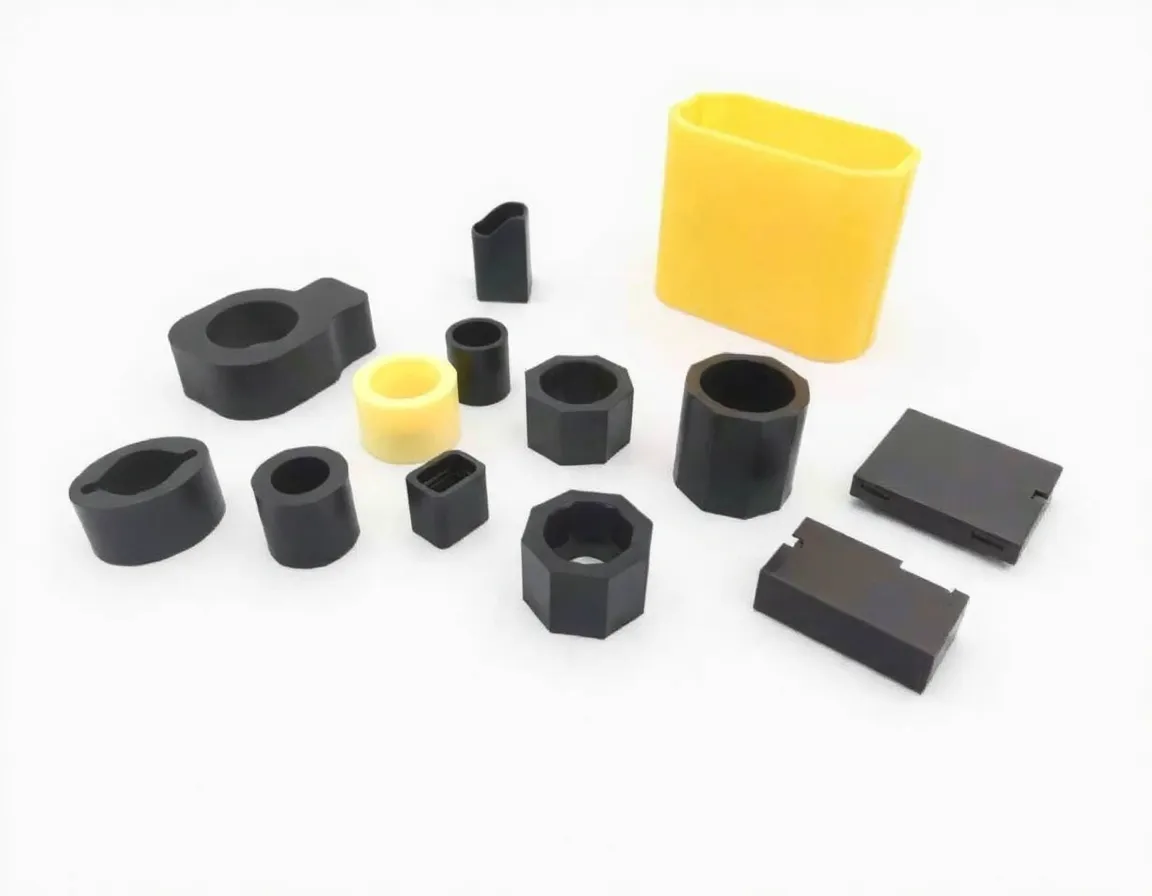
تطور التصنيع التعاقدي لمكونات الطائرات بدون طيار
شهدت صناعة الطائرات بدون طيار التجارية نموًا هائلًا على مدى العقد الماضي، وانتقلت من سوق هواة متخصص إلى قطاع تبلغ قيمته مليارات الدولارات يخدم الزراعة والخدمات اللوجستية والدفاع وتفتيش البنية التحتية. وفي قلب هذا التحول يكمن التصنيع التعاقدي لمكونات الطائرات بدون طيار (CM) – ممارسة الاستعانة بمصادر خارجية لإنتاج مكونات الطائرات بدون طيار (UAV) والأنظمة الكاملة لمصنّعين متخصصين من طرف ثالث. أصبح هذا النموذج العمود الفقري للصناعة، مما يمكّن الشركات الناشئة والعلامات التجارية الراسخة على حد سواء من توسيع نطاق الإنتاج دون استثمارات رأسمالية ضخمة في المصانع والمعدات.
تشمل التصنيع التعاقدي لأجهزة الطائرات بدون طيار كل شيء بدءًا من تجميع لوحات الدوائر المطبوعة (PCBA) والإطارات المصنوعة من الألومنيوم المشغّل بدقة وصولاً إلى هياكل ألياف الكربون وأنظمة الجيمبال ووحدات الدفع والتكامل النهائي للنظام. وعلى عكس تصنيع الإلكترونيات التقليدي، يتطلب إنتاج الطائرات بدون طيار هندسة استثنائية خفيفة الوزن ومقاومة للاهتزاز وإدارة حرارية والامتثال لمعايير السلامة بمستوى الطيران. ومع نضوج الصناعة، يتطور المصنّعون المتعاقدون من ورشات "التصنيع حسب الرسم" البسيطة إلى شركاء هندسيين متكاملين الخدمات يقدمون التصميم من أجل قابلية التصنيع (DFM) والنماذج الأولية السريعة وإدارة سلسلة التوريد من البداية إلى النهاية.
من المتوقع أن ينمو سوق التصنيع التعاقدي العالمي للطائرات بدون طيار بمعدل نمو سنوي مركب (CAGR) يتجاوز 15% حتى عام 2030، مدفوعًا بزيادة الإنفاق الدفاعي وخدمات التوصيل التجارية وصعود مفاهيم التنقل الجوي الحضري (UAM). يستكشف هذا المقال أبرز الاتجاهات التي تعيد تشكيل هذا القطاع الحيوي، من المواد المتقدمة إلى تقنيات التوأم الرقمي، ويقدم رؤى قابلة للتنفيذ للشركات التي تسعى إلى شراكات تصنيعية.
الاتجاه 1: التحول نحو التصنيع المعياري والقائم على المنصات
يُعد أحد أهم الاتجاهات في التصنيع التعاقدي لأجهزة الطائرات بدون طيار هو الانتقال بعيدًا عن التصاميم المخصصة لمرة واحدة نحو البنى المعيارية القائمة على المنصات. فبدلاً من هندسة هيكل طيران جديد بالكامل لكل تطبيق، يصمم المصنّعون الآن وحدات أساسية موحّدة – مثل وحدات التحكم في الطيران ووحدات توزيع الطاقة وحمولات الاستشعار – يمكن تهيئتها لمهام مختلفة. ويستثمر المصنّعون المتعاقدون بكثافة في خطوط إنتاج مرنة يمكنها التبديل بين المتغيرات بأقل قدر من إعادة التجهيز.
فوائد التصميم المعياري للمصنّعين المتعاقدين
يوفر هذا النهج مزايا كبيرة لكل من المصنّع المتعاقد (CM) والشركة المصنّعة للمعدات الأصلية (OEM). فبالنسبة للمصنّع، تقلل المعيارية من تعقيد المخزون وتتيح الشراء بالجملة للمكونات المشتركة وتقصّر أوقات التسليم. وبالنسبة للشركة المصنّعة للمعدات الأصلية، فهي تعني وصولاً أسرع إلى السوق للمتغيرات الجديدة وصيانة ميدانية أسهل وتكاليف دورة حياة أقل. على سبيل المثال، قد ينتج مصنّع واحد منصة رباعية المروحيات أساسية يمكن تجهيزها بكاميرات حرارية لمكافحة الحرائق، أو مستشعرات متعددة الأطياف للزراعة، أو وحدات LiDAR للمسح – وكلها تستخدم نفس هيكل الطيران الأساسي ومجموعة الطيران.
علاوة على ذلك، يتيح التصنيع المعياري أحجام إنتاج قابلة للتوسع. يمكن للمصنّع المتعاقد أن يبدأ بإنتاج أولي منخفض المعدل (LRIP) يبلغ 50 وحدة شهريًا لشركة ناشئة، ثم يتوسع بسلاسة إلى 5,000 وحدة شهريًا مع زيادة الطلبات، دون إعادة تصميم عملية الإنتاج. هذه المرونة حاسمة في سوق يمكن أن يرتفع فيه الطلب فجأة بسبب الموافقات التنظيمية أو عقود الاستجابة للكوارث.
الاتجاه 2: المواد المتقدمة وتكامل التصنيع الإضافي
الاتجاه الرئيسي الثاني هو اعتماد مواد خفيفة الوزن متقدمة ودمج التصنيع الإضافي (الطباعة ثلاثية الأبعاد) في سير الإنتاج التقليدي. يرتبط أداء الطائرات بدون طيار ارتباطًا مباشرًا بتقليل الوزن – فكل غرام يتم توفيره يُترجم إلى أوقات طيران أطول، أو سعة حمولة أعلى، أو قدرة أكبر على المناورة. يتجاوز المصنّعون المتعاقدون بشكل متزايد الألومنيوم القياسي 6061 والبلاستيك ABS إلى مواد مثل:
- بوليمرات معززة بألياف الكربون (CFRP) – توفر نسب قوة إلى وزن استثنائية للهياكل وأذرع الدوار
- اللدائن الحرارية عالية الحرارة (PEEK، PEKK) – لعلب المحركات والمكونات المعرضة للحرارة
- سبائك التيتانيوم – للمثبتات عالية الإجهاد ومعدات الهبوط
- المركبات ذات المصفوفة المعدنية – لإدارة الحرارة في إلكترونيات الطاقة
ما يجعل هذا الاتجاه تحويليًا بشكل خاص هو الجمع بين التصنيع باستخدام الحاسب الآلي (CNC) مع الطباعة ثلاثية الأبعاد. يستخدم العديد من المصنّعين المتعاقدين الآن نمذجة الترسيب المنصهر (FDM) أو التلبيد الانتقائي بالليزر (SLS) لإنتاج أدوات تثبيت وتجهيزات وأجزاء نهائية معقدة كان من المستحيل أو الباهظ التكلفة تصنيعها بالآلات. على سبيل المثال، يمكن للمصنّع أن يطبع ثلاثي الأبعاد غلاف مروحة أنبوبية مخصصًا بقنوات تدفق هواء داخلية تقلل السحب، ثم يشكّل حواف التثبيت بالتحكم الرقمي بالحاسوب (CNC) للحصول على تفاوتات مثالية. يقلل هذا النهج الهجين من هدر المواد بنسبة تصل إلى 40% ويسمح بتكرارات تصميم سريعة خلال مرحلة النماذج الأولية.
بالإضافة إلى ذلك، فإن استخدام التعزيز بالألياف المستمرة في التصنيع الإضافي قد نضج بشكل كبير. تقدم شركات مثل Markforged وAnisoprint الآن طابعات تضع ألياف الكربون المستمرة أو الكيفلار داخل مصفوفات لدائنية حرارية، مما ينتج أجزاء بخصائص ميكانيكية مماثلة للألمنيوم بجزء بسيط من الوزن. يستفيد المصنّعون المتعاقدون من هذه التقنية للطائرات بدون طيار عالية الأداء منخفضة الحجم المستخدمة في التطبيقات العسكرية والصناعية حيث تكون تكاليف الأدوات التقليدية باهظة.
الاتجاه 3: الأتمتة والروبوتات والتصنيع بالتوأم الرقمي
الاتجاه الثالث الذي يعيد تشكيل التصنيع التعاقدي لأجهزة الطائرات بدون طيار هو النشر المكثف لـ أتمتة المصانع وتقنية التوأم الرقمي. على عكس الإلكترونيات الاستهلاكية، لا يزال تجميع الطائرات بدون طيار يتضمن قدرًا كبيرًا من العمل اليدوي – خاصةً بالنسبة لحزم الأسلاك ومعايرة المستشعرات والفحص النهائي. ومع ذلك، ينشر المصنّعون المتعاقدون الرائدون الآن روبوتات تعاونية (cobots) ومركبات موجهة آليًا (AGVs) لتبسيط المهام المتكررة مع الحفاظ على الإشراف البشري للعمليات الحساسة للجودة.
تقنيات الأتمتة الرئيسية في التصنيع التعاقدي للطائرات بدون طيار
يتم تطبيق الأتمتة عبر مراحل متعددة من عملية الإنتاج:
- الفحص البصري الآلي (AOI) لـ PCBA – اكتشاف عيوب اللحام وأخطاء وضع المكونات بسرعات يستحيل على المفتشين البشريين تحقيقها
- الربط البرغي الروبوتي وتوزيع المواد اللاصقة – ضمان عزم دوران ثابت وسماكة خط ربط متسقة عند تجميع هيكل الطائرة
- أنظمة الاختبار الآلي (ATS) – performing 100% functional testing of flight controllers, ESCs, and GPS modules
- AI-powered vision systems – verifying the correct installation of cables, connectors, and antennas
The concept of a digital twin – a virtual replica of the physical production line – has moved from theory to practice. Contract manufacturers now create digital twins of their drone assembly lines, allowing them to simulate production flows, identify bottlenecks, and optimize line balancing without stopping physical production. Using real-time data from IoT sensors embedded in machines, the digital twin can predict equipment failures before they occur, reducing unplanned downtime by as much as 30%. For drone OEMs, this means greater supply chain reliability and consistent product quality across batches.
Another critical automation trend is the use of in-line metrology and coordinate measuring machines (CMMs) for dimensional inspection. Drones require extremely tight tolerances – especially on motor mounts and propeller hubs – to minimize vibrations that degrade flight stability. Automated CMM systems can measure hundreds of critical dimensions per part in minutes, feeding data back into the manufacturing execution system (MES) for statistical process control (SPC). This closed-loop quality system ensures that any drift in the manufacturing process is corrected before it results in non-conforming parts.
Trend 4: Supply Chain Resilience and Dual-Sourcing Strategies
The COVID-19 pandemic and subsequent geopolitical tensions exposed the fragility of global supply chains, particularly for semiconductor components and rare-earth magnets used in drone motors. As a result, the fourth major trend in drone hardware contract manufacturing is a fundamental shift toward supply chain resilience and dual-sourcing. Contract manufacturers are no longer willing to rely on a single supplier for critical components; instead, they are building redundant supply networks.
Strategies for Supply Chain Security
Leading contract manufacturers are implementing several key strategies to mitigate risk:
- Geographic diversification – qualifying suppliers in different regions (e.g., Mexico, Vietnam, and Eastern Europe) to avoid single-country dependence
- Multi-vendor qualification – maintaining at least two approved suppliers for every critical component, from MCUs to lithium-polymer cells
- Buffer inventory management – strategically stocking long-lead-time items such as specialized connectors and custom ICs
- Vertical integration of bottleneck processes – bringing in-house the manufacturing of high-demand items like precision gears or antenna arrays
This trend is particularly visible in the motor and propulsion system segment. Many contract manufacturers have started producing their own brushless DC motors and electronic speed controllers (ESCs) to avoid the 20-30 week lead times common for imported components. By investing in winding machines and magnetizing equipment, these CMs gain control over the most performance-critical part of the drone. Similarly, battery pack assembly – which requires specialized cell matching and spot welding – is increasingly being brought in-house to ensure quality and safety compliance.
Moreover, contract manufacturers are leveraging long-term supply agreements (LTSAs) with commodity suppliers for aluminum, carbon fiber, and copper. These agreements lock in pricing and guarantee allocation, even during market shortages. For drone OEMs, partnering with a CM that has robust supply chain practices is now a critical selection criterion, often outweighing pure unit cost considerations. The ability to maintain production during global disruptions has become a competitive differentiator.
Trend 5: Regulatory Compliance and Certifications as a Service
The fifth trend is the transformation of regulatory compliance from an afterthought into a core service offering. As drone regulations tighten globally – particularly in the EU (under the European Union Aviation Safety Agency, EASA) and the US (under the FAA's Part 107 and upcoming Remote ID rules) – contract manufacturers are being asked to provide more than just assembly. They are now expected to maintain certifications and documentation that enable their customers to achieve market access.
Modern drone contract manufacturers are obtaining and maintaining certifications such as ISO 9001:2015 for quality management, AS9100D for aerospace applications, and ISO 14001 for environmental management. More importantly, they are developing expertise in specific drone regulations, including:
- FAA Remote ID – integrating broadcast modules and ensuring compliance with broadcast and network-based requirements
- EASA Class C0-C6 classification – designing and manufacturing drones that meet specific operational category requirements
- CE marking and RoHS compliance – for all electronic components and assemblies
- REACH and conflict minerals reporting – providing full material traceability
Contract manufacturers are also offering designated testing and certification support. This includes conducting electromagnetic compatibility (EMC) testing, thermal cycling, and vibration testing in-house, then preparing the necessary documentation for third-party certification bodies. Some advanced CMs have established their own in-house testing laboratories with anechoic chambers and environmental chambers, reducing the time and cost of certification for their clients. This "compliance as a service" model is particularly valuable for startups that lack the resources to navigate complex regulatory landscapes.
Furthermore, the rise of defense and dual-use drone programs has created demand for ITAR (International Traffic in Arms Regulations) and EAR (Export Administration Regulations) compliance. Contract manufacturers that can handle sensitive technologies under strict security protocols are gaining a competitive edge, as they can serve military and government clients. This requires secure facilities, background-checked personnel, and robust cybersecurity practices to protect intellectual property and technical data.
Best Practices for Selecting a Drone Hardware Contract Manufacturer
Given the complexity and rapid evolution of drone technology, selecting the right contract manufacturing partner is a critical strategic decision. The following best practices can guide OEMs in making an informed choice:
1. Evaluate Engineering Capabilities Beyond Assembly
Look for a CM that offers design-for-manufacturability (DFM) review, value engineering, and prototyping services. The best partners will identify potential manufacturing issues early, suggest alternative materials or processes, and provide samples within days – not months. Ask about their experience with similar drone form factors (quadcopter, fixed-wing, hybrid VTOL) and payload types.
2. Assess Quality Systems and Traceability
Demand to see their incoming inspection protocols, in-process quality checkpoints, and final acceptance test procedures. A reputable CM should provide full lot traceability from raw material to finished product, including batch numbers for all critical components. Request a sample of their inspection reports and failure mode and effects analysis (FMEA) documentation.
3. Verify Capacity and Scalability
Understand the CM's current capacity utilization and their ability to scale. Ask about their peak production rates, existing automation levels, and plans for capacity expansion. A CM that is already running at 90% capacity may struggle to accommodate your growth, while one with idle capacity may lack the experience of high-volume production.
4. Check Financial Stability and References
Contract manufacturing involves long-term commitments and significant financial exposure. Review the CM's financial statements, ask for client references, and visit their facilities in person. Verify that they have a healthy order backlog and a diverse customer base – avoid CMs that depend on a single large client for the majority of their revenue.
5. Prioritize Communication and Supply Chain Transparency
Choose a partner that provides real-time production dashboards, regular status reports, and open access to their supply chain data. You should be able to see where every component is in the pipeline, from raw material to final assembly. Transparent communication about lead times, cost changes, and potential disruptions is essential for building a successful long-term partnership.
Conclusion: The Future of Drone Hardware Contract Manufacturing
The drone hardware contract manufacturing landscape is undergoing a profound transformation, driven by modular design principles, advanced materials, automation, supply chain resilience, and regulatory complexity. The days of simple "build-to-print" outsourcing are over; today's leading contract manufacturers are strategic partners that contribute to design innovation, ensure regulatory compliance, and provide scalable, high-quality production capabilities.
Looking ahead, we can expect further convergence with artificial intelligence in production planning, the use of blockchain for supply chain traceability, and the emergence of micro-factories that can produce drones on-site at deployment locations. Additionally, the push toward sustainable manufacturing – including recyclable thermoplastics and energy-efficient production processes – will become a differentiator. For drone OEMs, from startups to Fortune 500 aerospace companies, understanding these trends and selecting the right contract manufacturing partner is not just a tactical decision – it is a strategic imperative that determines their ability to compete in an increasingly crowded and sophisticated market.
The companies that thrive will be those that view their contract manufacturer as an integral extension of their own engineering and production teams, fostering deep collaboration, continuous improvement, and mutual investment in technology. As the drone industry continues to soar, the contract manufacturers that embrace these trends will be the ones building the wings.