
Miniaturization in medical diagnostic devices, minimally invasive surgical tools, and micro-electronics requires manufacturing sub-gram polymer components with sub-millimeter features. Conventional injection molding machinery struggles with extremely small shot weights because molten resin remains inside large heating barrels too long, causing thermal degradation. Specifying specialized micro injection molding resolves these thermal and rheological challenges by utilizing dedicated small-diameter injection units and precision cavity evacuation. JUCHENG operates controlled manufacturing cells, producing micro-scale plastic hardware strictly according to customer CAD specifications.
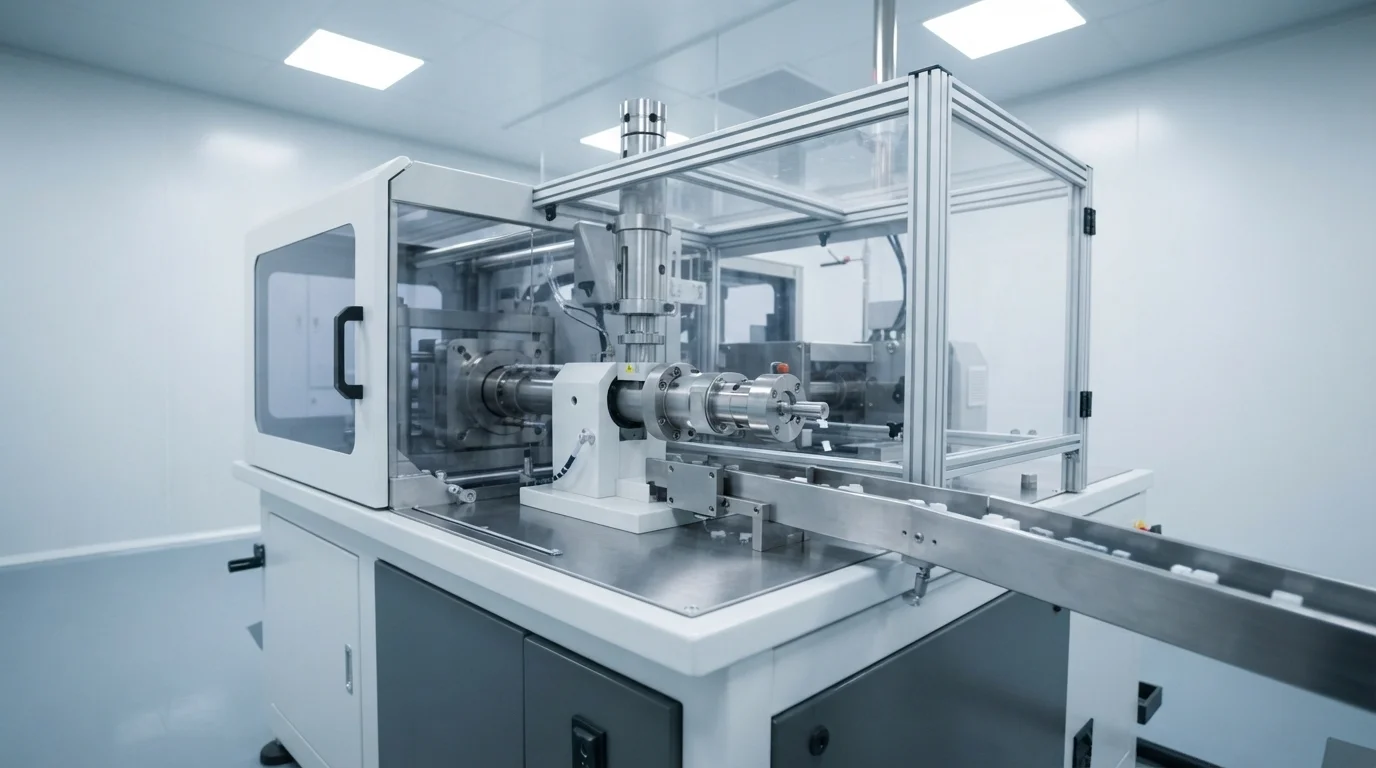
Table of Contents
Micro-Shot Screw Units & Precision Melt Residence Time Control
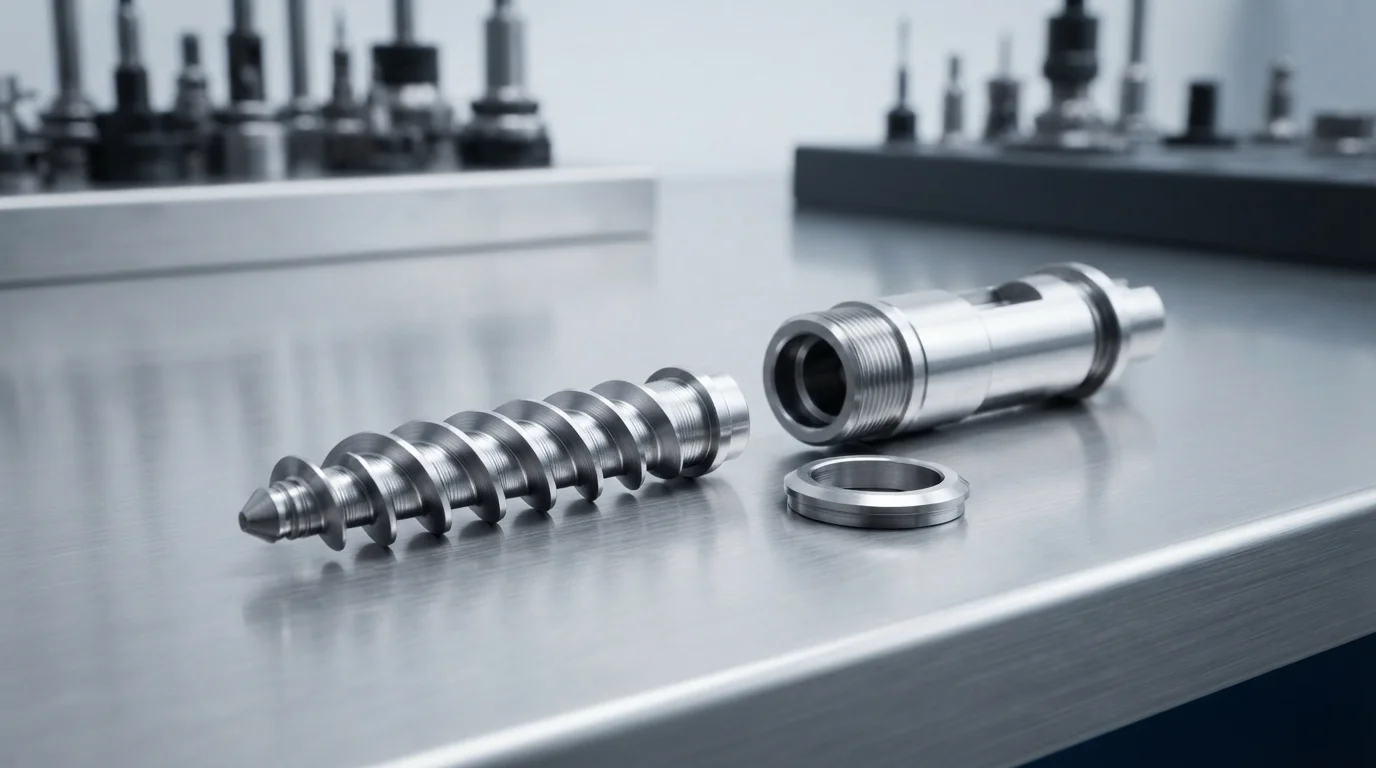
Controlling melt residence time represents a critical processing requirement when injecting sub-gram polymer parts. Standard injection barrels holding large resin volumes subject thermoplastics to prolonged heat exposure, breaking down chemical backbones. Specialized micro injection units equipped with 12 mm or 14 mm diameter screws reduce barrel hold-up volume dramatically. Short residence times prevent thermal degradation in sensitive polymers like liquid crystal polymer (LCP), PEEK, and medical-grade polycarbonate (PC). Electric servo drives regulate screw positioning with sub-millimeter precision, delivering exact volumetric dosing down to fractions of a milligram.
Key micro-shot plasticizing standards include:
- Small-diameter screw scaling—Utilizing 12 mm injection screws minimizes resin inventory inside the barrel, preserving polymer molecular weight.
- Servo-electric drive positioning—Controlling injection stroke movement with high-resolution electric drives ensures dosage repeatability.
- Direct micro-gating execution—Injecting melt directly into micro-cavities eliminates large runner scrap and minimizes thermal pressure losses.
- Residence time optimization—Calculating precise shot-to-barrel ratios prevents thermal discoloration and loss of mechanical strength.
Sub-Micron Tooling Tolerances & Direct Micro-Gating Design
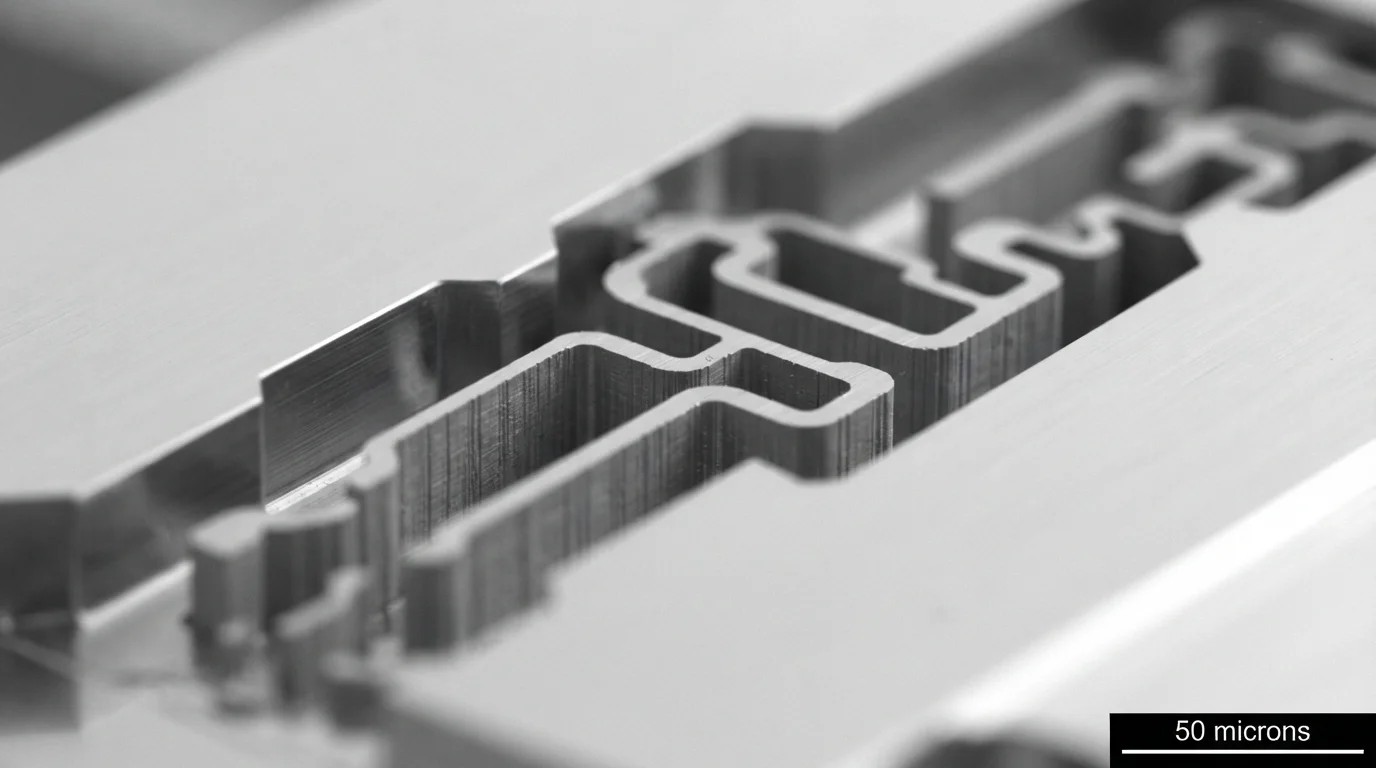
Tooling engineering for micro-scale cavities demands extreme mechanical precision to prevent plastic flash. Parting line shut-off lands must be fitted to sub-micron accuracy because low-viscosity resins seep into tiny gaps under high filling pressure. Direct pin-point micro-gates measuring less than 0.2 mm ensure clean gate vestige removal without damaging delicate part geometry. Designing balanced runner channels minimizes melt pressure drop, ensuring uniform cavity packing across multi-cavity micro tools.
Micro Venting & Vacuum-Assisted Cavity Evacuation
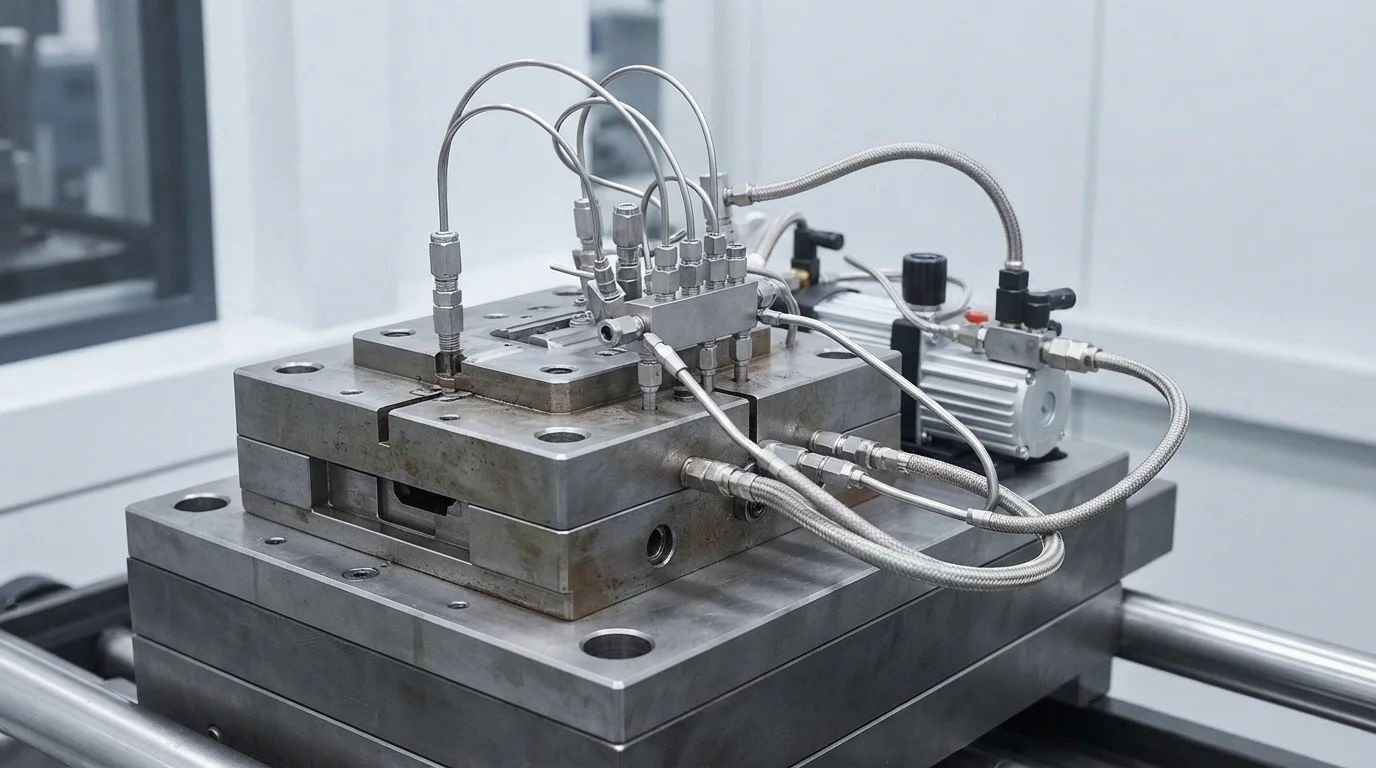
Air displacement presents severe flow resistance inside sub-millimeter mold cavities. Injecting molten resin at high speed traps ambient air, causing compression heating that leaves diesel burn marks on tiny features. Integrating vacuum cavity evacuation systems draws air out of the tool prior to injection. Micro-venting channels measuring 0.005 mm to 0.010 mm allow residual gases to escape without permitting polymer flash. Combining vacuum evacuation with precise temperature control ensures complete filling of micro-fluidic channels and tiny gear teeth.
Non-Contact Optical Metrology & Cleanroom Micro Quality Verification
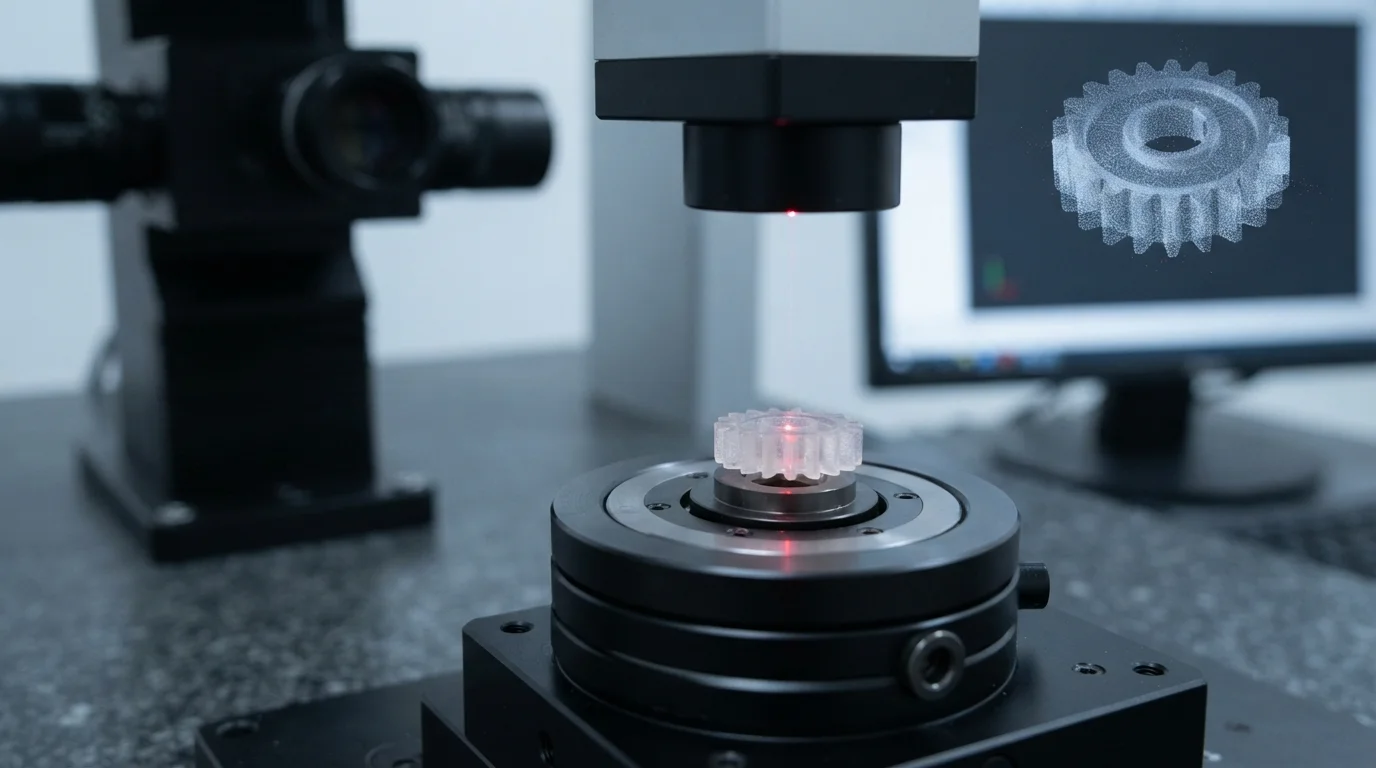
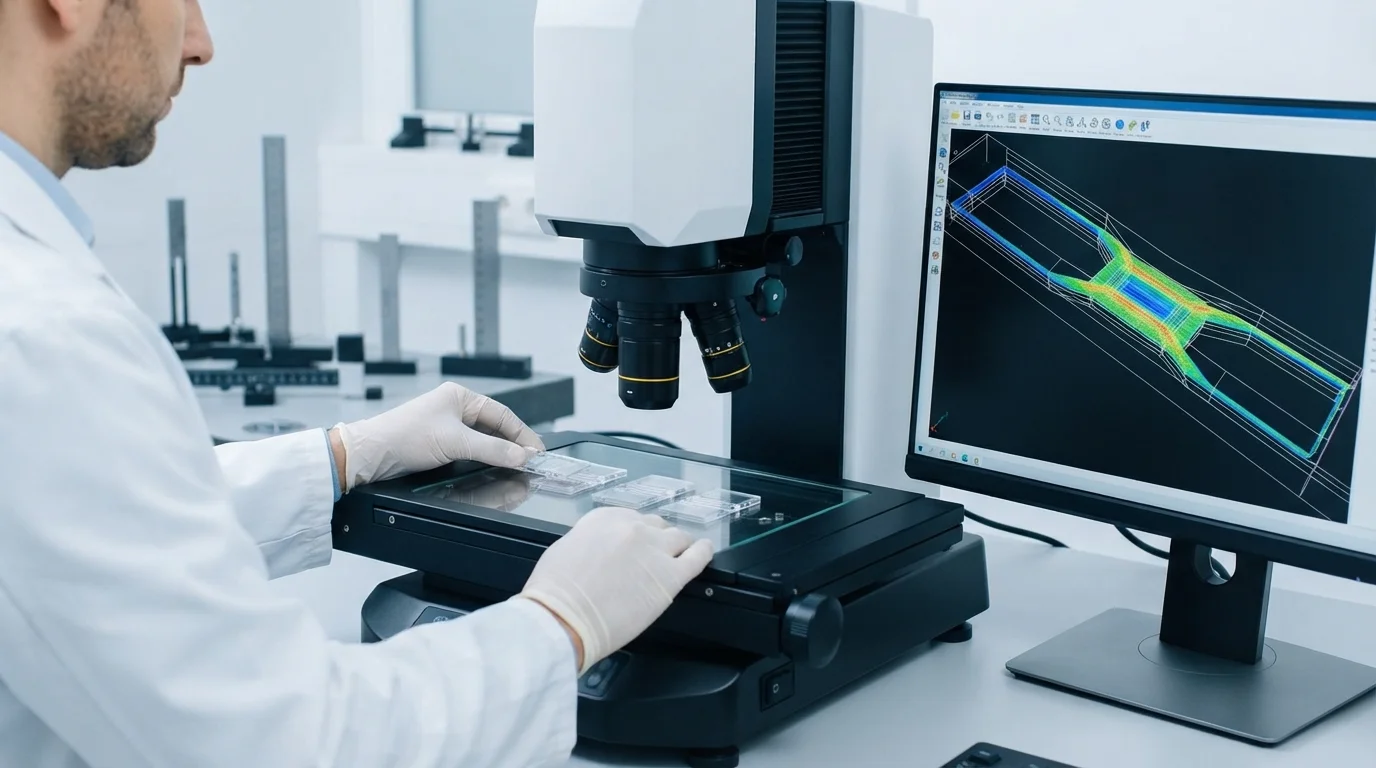
Quality inspection of fragile, sub-gram plastic components requires specialized non-contact metrology systems. Traditional tactile touch-probe CMMs can deflect or deform micro-scale plastic features during measurement. Utilizing high-resolution optical scanning systems and 3D non-contact profilers measures micro-gears, fluidic channels, and wall thicknesses accurately. Operating inside an ISO Class 8 cleanroom molding department under ISO 13485 certification protects medical micro-components from particulate contamination. Processing biocompatible polymers meeting USP Class VI criteria guarantees sterile, high-purity components for clinical applications.
Frequently Asked Questions (FAQs)
What defines a part as a micro-molded component?
Micro-molded parts typically weigh less than one gram, feature dimensions measured in millimeters, or contain functional geometry specified in microns. Micro molding also applies to small components requiring sub-micron tolerances or extremely small shot weights.
How do you prevent material degradation during micro injection molding?
Preventing thermal degradation relies on specialized small-diameter injection screws (12mm to 14mm) that minimize melt residence time inside the barrel. Precise temperature profiling and short heating cycles preserve polymer molecular weight.
Why is non-contact optical metrology preferred for inspecting micro parts?
Non-contact optical profiling utilizes high-magnification lenses and laser sensors to measure features without touching the part. Physical CMM touch probes can flex or damage delicate micro-scale plastic geometry during measurement.