
Low-pressure molding material selection is a substrate-and-risk decision, not a search for the softest or lowest-temperature resin. For electronics encapsulation, compare the exact grade’s processing behavior, adhesion to each substrate, moisture and environmental resistance, flexibility, appearance, and service-temperature requirements. Polyamide- and polyolefin-based hot melts are used in low-pressure molding, but the right grade depends on the application and must be verified against supplier documentation and part-level tests.
Start with the failure the encapsulation must prevent
Define the environmental or mechanical risk first: moisture exposure, vibration, cable pull, impact, contamination, electrical isolation, or handling damage. Then identify what the encapsulant must do and what it must not do. A material that bonds well but transfers too much stress to a fragile component may be a poor fit; a flexible grade may protect wiring but fail a stiffness or dimensional need.
Separate initial protection from long-term performance. A material that flows around a component during molding still needs to retain the required properties after cooling, aging, temperature cycling, cleaning, or other service exposure. The validation plan should reproduce the conditions that matter to the actual assembly.
Map every substrate in the assembly
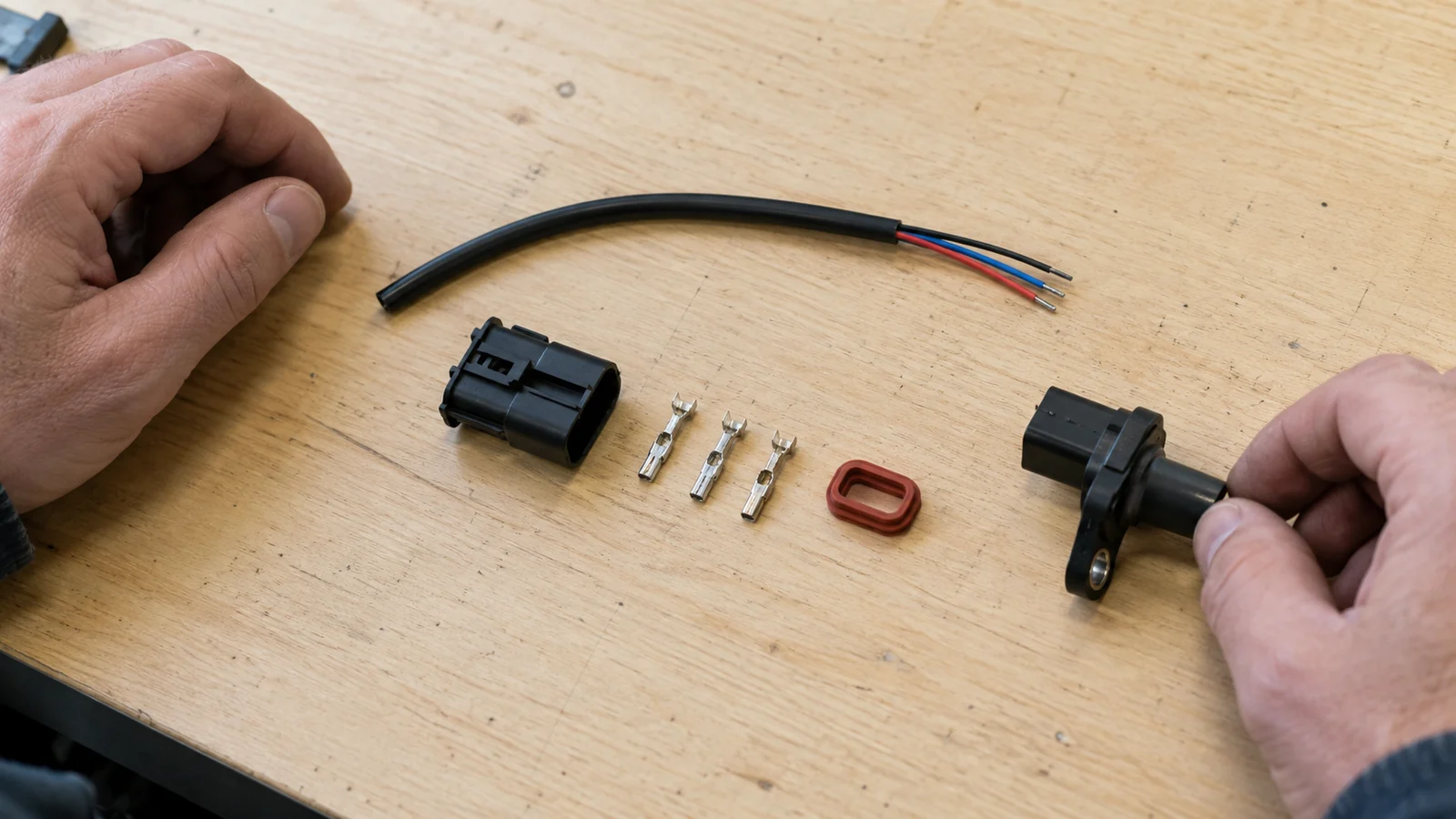
List all surfaces the hot melt contacts: cable insulation, connector housing, PCB or electronic package, metal terminals, coatings, seals, and any existing adhesive. Adhesion can vary by substrate and surface condition. A grade that bonds to one plastic does not automatically bond to another, and a coating or release residue can change the interface.
Also document component fragility and geometry. Identify unsupported wires, solder joints, delicate sensors, small gaps, and regions that must remain free of encapsulant. The mold and parting line should control material flow around those features without placing unintended load on the assembly.
Compare material families by evidence
| Selection need | What to compare for the exact grade |
|---|---|
| Adhesion | Bond performance on each actual substrate and surface condition |
| Component protection | Viscosity, fill behavior, flexibility, and interaction with fragile features |
| Environment | Moisture, temperature, chemicals, and outdoor exposure relevant to use |
| Electrical function | Required electrical properties and assembly-specific test method |
| Production handling | Drying or storage instructions, melt processing, color, and changeover controls |
Low-pressure molding often uses hot-melt materials such as polyamide- or polyolefin-based grades, but those names do not substitute for a grade review. Supplier data may describe a particular formulation or test specimen; it should not be treated as a guarantee for the complete molded assembly. Request the current technical documents and confirm that the selected grade is compatible with the intended substrates and service environment.
Plan the validation before locking a grade
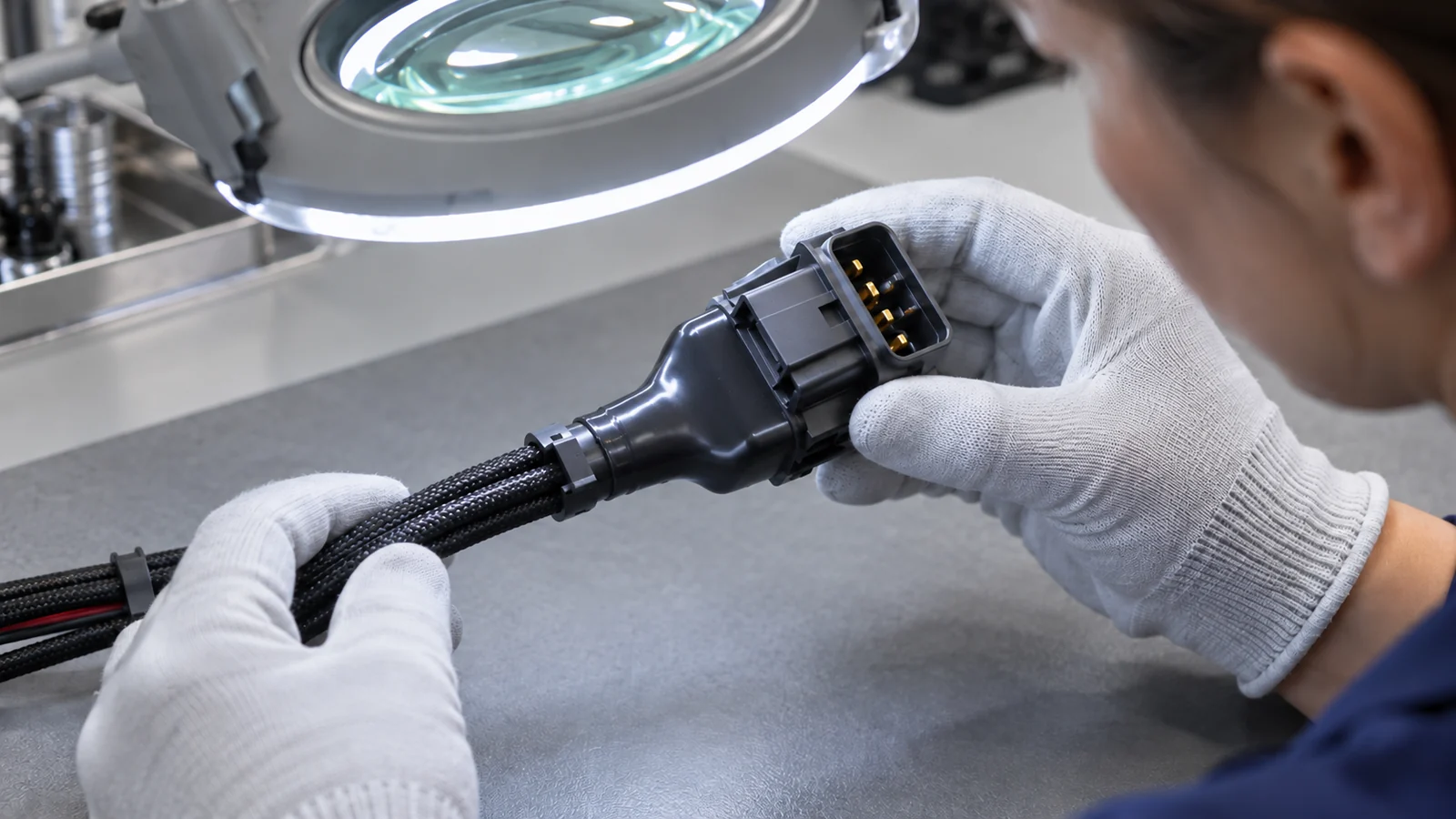
- Submit representative assemblies with identified materials and surface finishes.
- Define protected areas, acceptable coverage, critical interfaces, and the loads or environment the part will face.
- Trial candidate grades using the intended tool concept and document material lot and process conditions.
- Inspect coverage, gaps, adhesion, component movement, and any damage after molding.
- Run the agreed functional or environmental tests before approving the material for production.
Change one key material or design variable at a time when practical. If grade and mold design are changed together, it becomes harder to tell which change improved or weakened the result. For an overview of the application route, see low-pressure molding for electronics protection.
FAQ
Are polyamide and polyolefin the only low-pressure molding materials?
They are common material families described for low-pressure molding, but the available choices depend on suppliers and application requirements. Verify the exact grade rather than relying on a family label.
Can a grade’s adhesion data predict bonding to my assembly?
Only if the data represents the same substrate and relevant surface condition. Test representative parts because coatings, contamination, geometry, and processing can alter the interface.
Should material selection happen before tool design?
Material and tool design should be reviewed together. The chosen grade affects flow and adhesion needs, while gates, vents, shutoffs, and assembly support affect whether that grade can protect the component as intended.