
Automotive battery packs require robust environmental seals to prevent water, dust, and glycol coolant ingress. Ingress protection ratings of IP67 and IP69K are mandatory to safeguard high-voltage electronics from short circuits. Selecting elastomeric materials that maintain physical elasticity under constant compressive loads remains a key design challenge. This technical blog compares thermoplastic elastomers with thermoset rubbers, detailing overmolding processes and sealing performance.
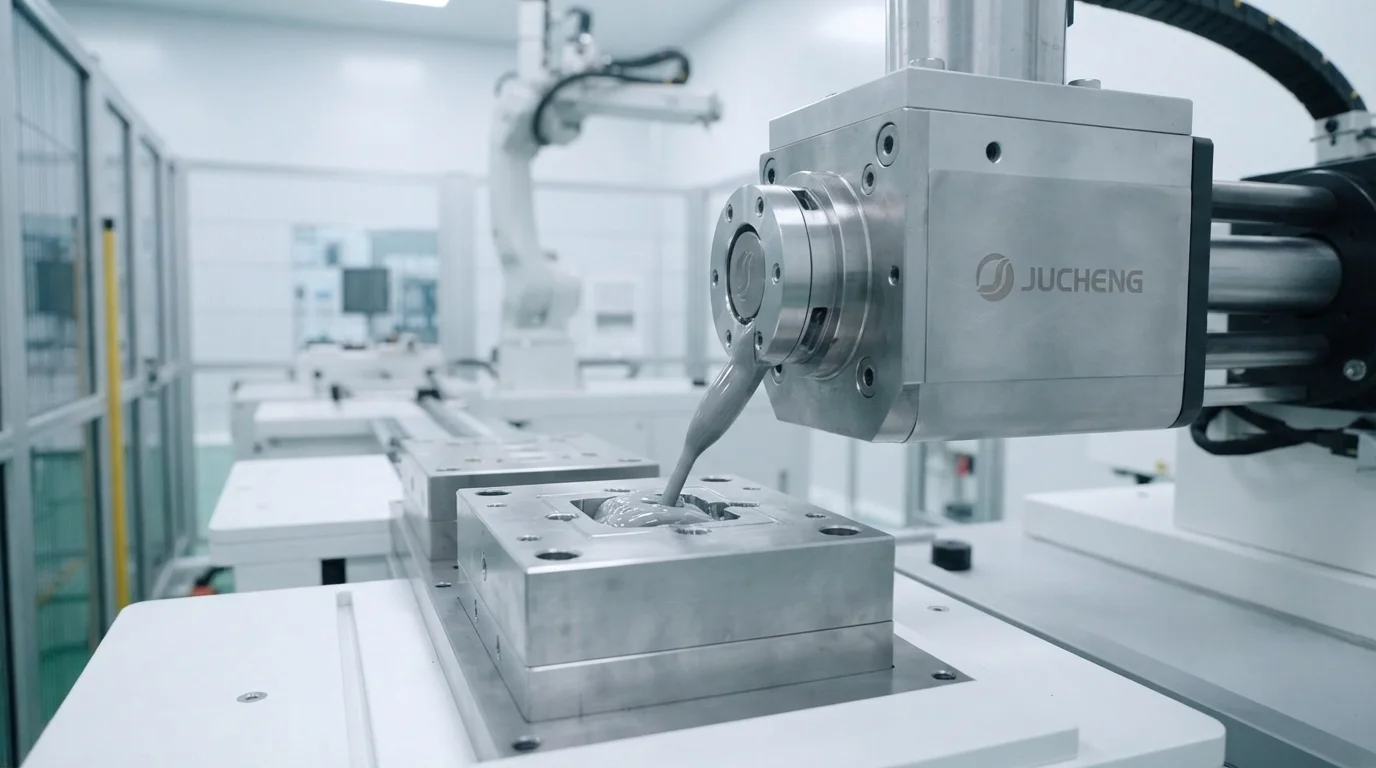
Table of Contents
TPV vs. EPDM: Why Santoprene is the Ideal Choice for EV Seals
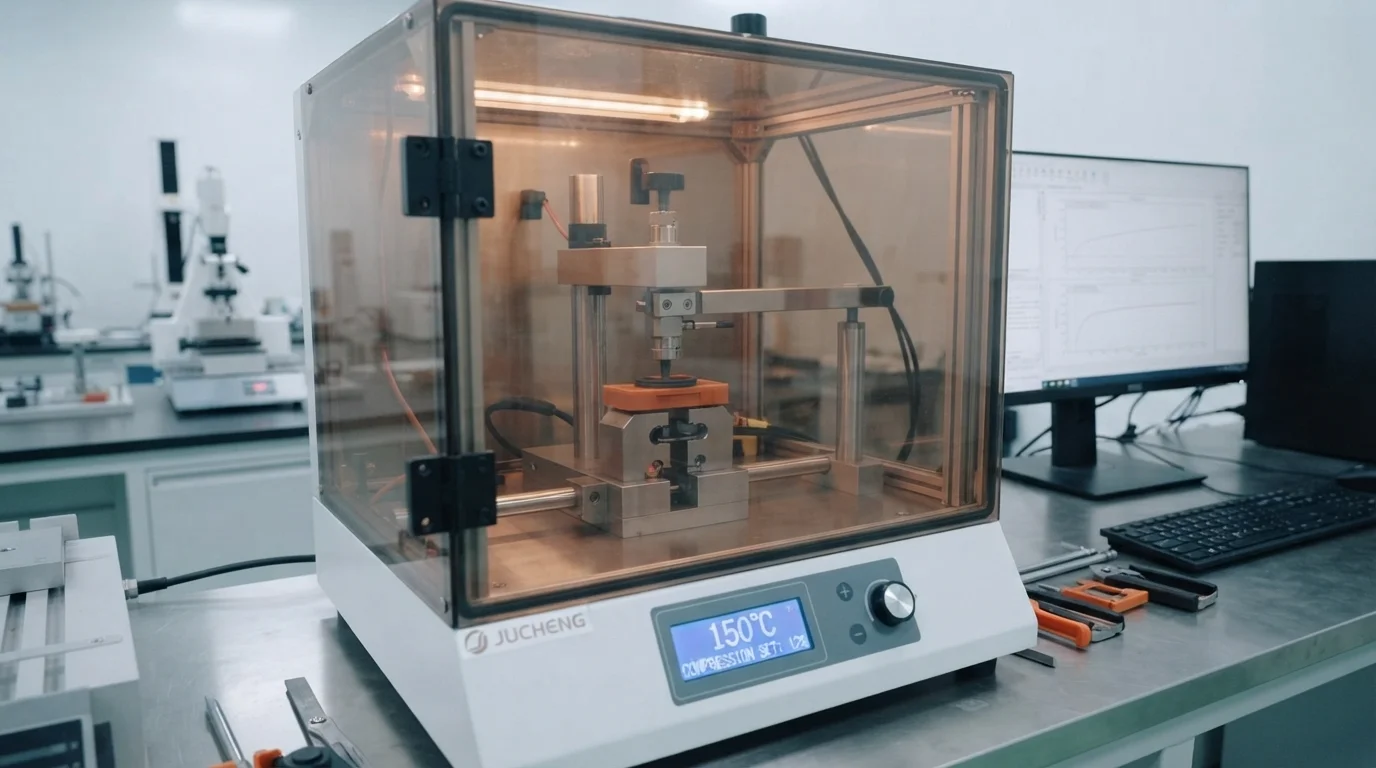
Achieving airtight seal reliability in electric vehicle (EV) battery packs relies heavily on custom molding thermoplastic vulcanizate TPV battery gaskets rather than using traditional thermoset rubbers. EPDM has been the industry standard for industrial sealing for decades. However, processing EPDM requires long curing cycles inside the mold, limiting production throughput. Comparing long-term performance metrics proves why custom molding thermoplastic vulcanizate TPV battery gaskets outperform conventional EPDM seals in modern automated pack designs.
TPV combines the processing ease of thermoplastics with the elastic recovery of vulcanized rubber. Key performance advantages of Santoprene TPV over EPDM include:
- Compression set—TPV retains its elastic recovery under continuous structural load, preventing seal gaps from forming over long vehicular lifetimes.
- Processing speed—Thermoplastic cycle times are up to ten times faster than curing-dependent thermoset EPDM, which maximizes daily output.
- Chemical compatibility—Santoprene grades resist swelling when exposed to glycol-water coolants used in high-voltage thermal systems.
- Recyclability—Scrap material can be re-ground and processed, reducing environmental footprint and manufacturing waste.
Eliminating cure times allows processing engineers to optimize cycle times down to 30 to 45 seconds. Thermoset rubbers can require several minutes per shot, inflating tooling and machinery costs. Consequently, choosing high-performance elastomers reduces non-recurring engineering expenses.
Two-Shot molding & Overmolding of Custom TPV Gaskets
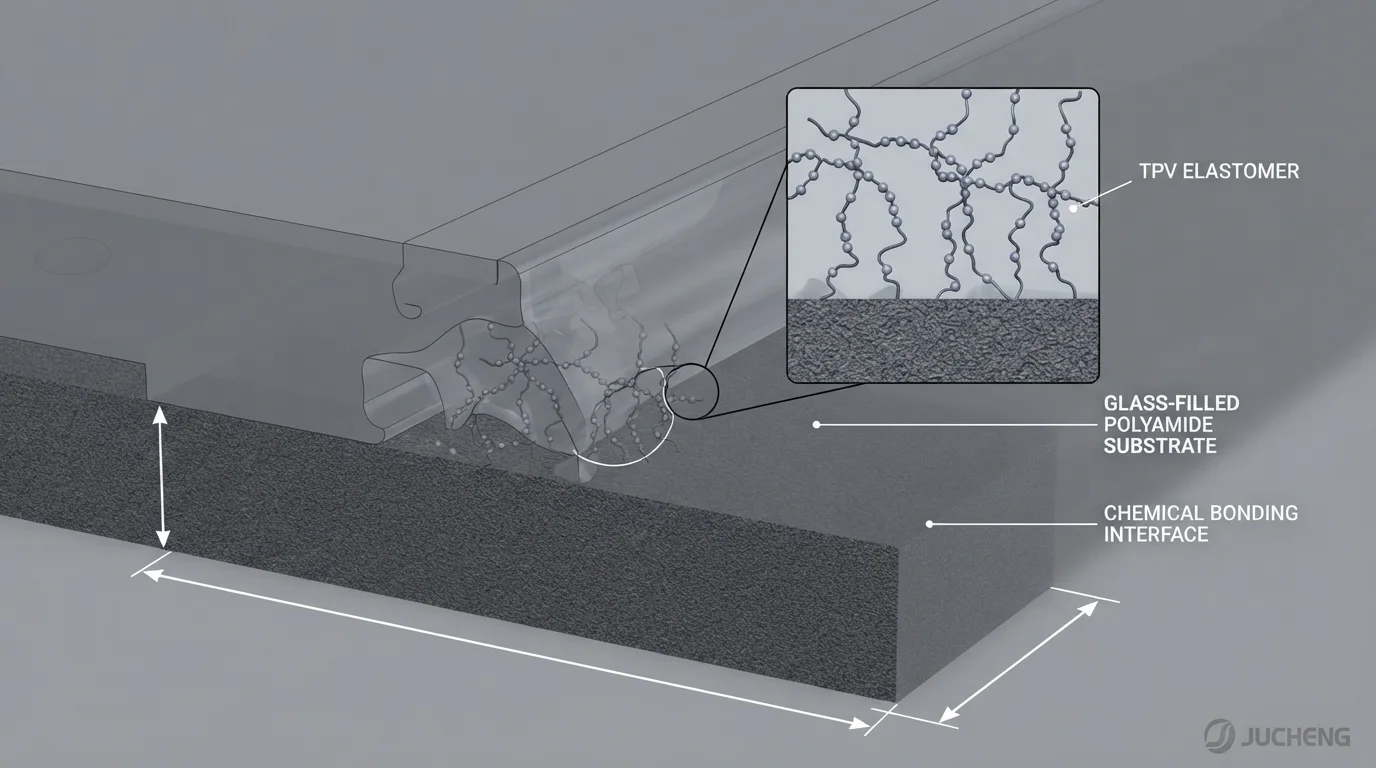
Implementing custom molding thermoplastic vulcanizate TPV battery gaskets via two-shot injection molding eliminates manual gasket insertion. Manual assembly often introduces alignment errors, localized seal twisting, or adhesive failures. Multi-shot injection molding (2K molding) injects the rigid housing substrate and the elastomeric seal concurrently inside a single mold tool. During the first injection shot, the machine molds the rigid frame from glass-filled polyamide or PC/ABS. Once the substrate solidifies, the mold platen rotates, and the second shot injects TPV directly into the sealing groove.
Because both materials are molded in rapid succession, a molecular bond forms at the interface. This chemical adhesion prevents the gasket from peeling or shifting during high-pressure pack assembly. Achieving a robust bond requires precise control over processing parameters:
- Substrate temperature control—Maintaining the rigid housing substrate above its glass transition temperature ensures that TPV chains can interdiffuse at the interface.
- Rotary platen alignment—Rotating the mold core with sub-millimeter precision prevents mold shut-off mismatch, eliminating flashing.
- Interfacial bonding speed—Injecting TPV immediately after the substrate solidifies creates a cohesive interface weld.
- Shut-off seal pressure—Clamping the elastomer mold faces with sufficient pressure prevents the low-viscosity TPV melt from spilling.
Applying high-precision custom molding thermoplastic vulcanizate TPV battery gaskets ensures that our custom plastic battery housings for EV achieve IP67 environmental sealing to pass testing. By combining precision tooling with IATF 16949-certified quality systems, JUCHENG delivers a reliable manufacturing path. Our engineering group provides comprehensive DfM reviews within 24 hours to optimize your structural component designs.
Frequently Asked Questions (FAQ)
What is the typical compression set recovery of TPV at elevated temperatures?
TPV grades like Santoprene exhibit excellent compression set resistance, typically retaining over 75% of their elastic recovery after continuous exposure to 100°C. Thermoset EPDM behaves similarly, but TPV achieves this physical recovery without requiring chemical vulcanization cycles inside the injection tool. This permanent elasticity prevents the seal from relaxing over years of vehicular operation, maintaining robust ingress protection.
How do you achieve strong chemical adhesion between TPV and polyamide substrates?
Selecting the correct adhesion-modified TPV grade is critical to ensure compatibility with polar substrates like glass-filled nylon. Regular TPV does not bond chemically with polyamide without a primer or adhesive. Using specialized overmolding TPV grades allows polymer chains to interdiffuse at the melt interface during the second shot, creating a covalent bond that prevents peeling. Mold temperature control also plays a key role, as warm tool faces facilitate chain mobility.
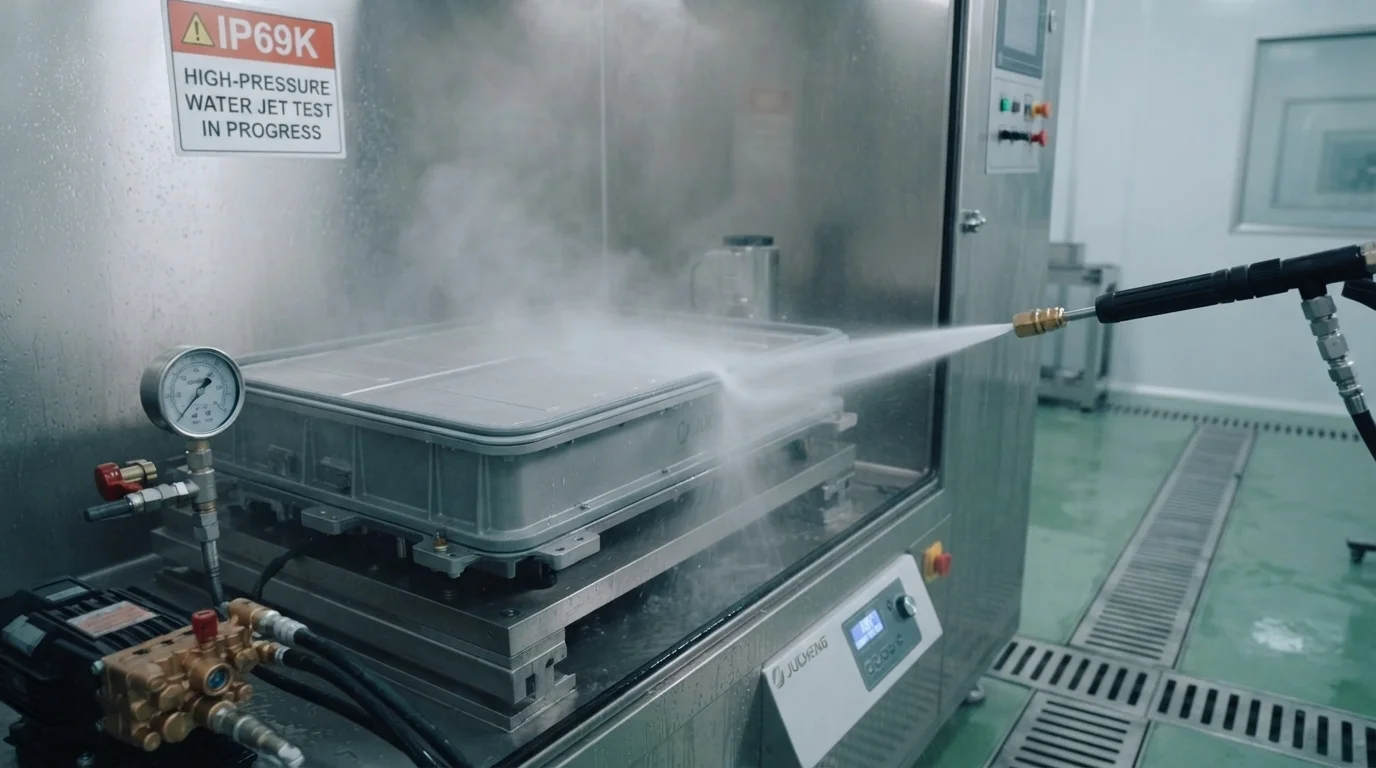
Can overmolded TPV gaskets survive high-pressure water jet washes (IP69K)?
Overmolded gaskets resist high-pressure water jets because they are physically locked inside precision-molded tongue-and-groove channels. Hand-applied foam or adhesive seals can peel off under dynamic water pressures, but overmolded elastomeric boundaries remain securely bonded. Designing deep mechanical interlocking features inside the rigid carrier further enhances the physical retention of the gasket, ensuring survival under IP69K test protocols.