Liquid Crystal Polymer (LCP)

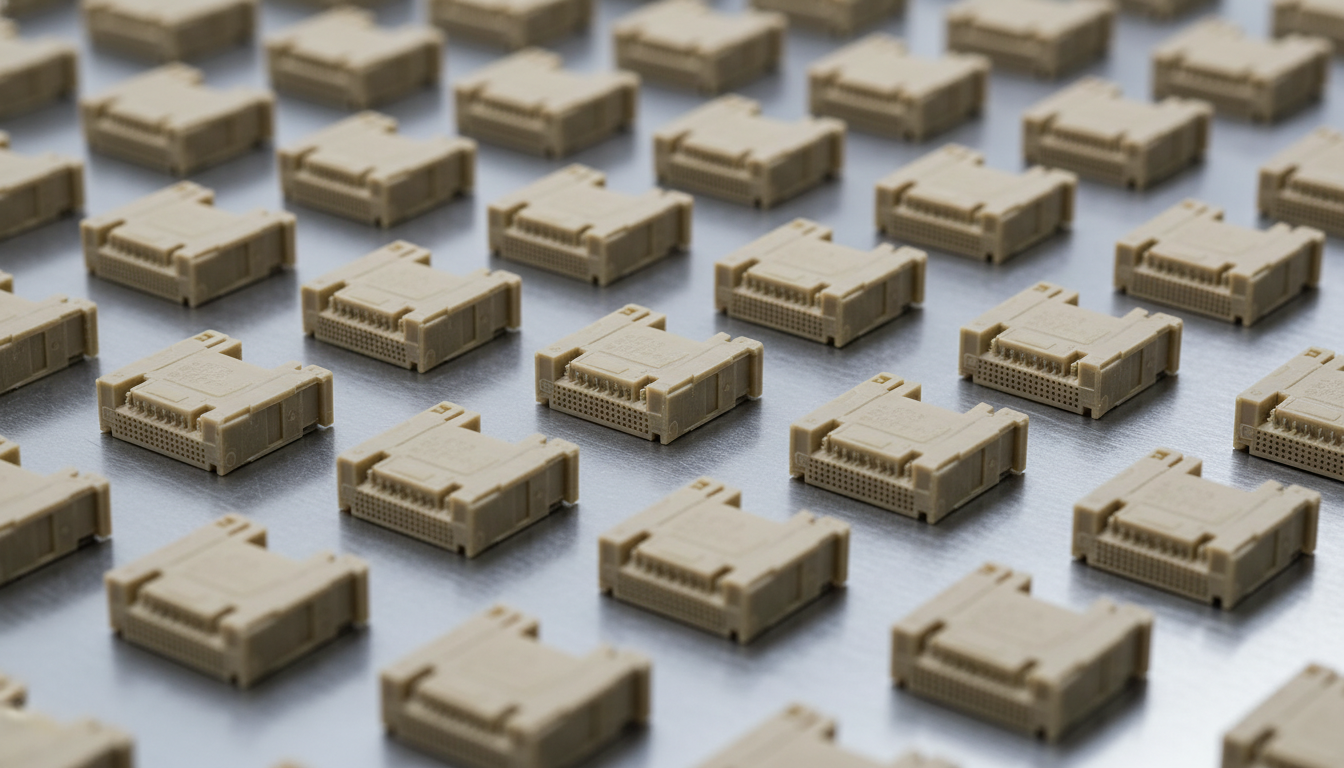
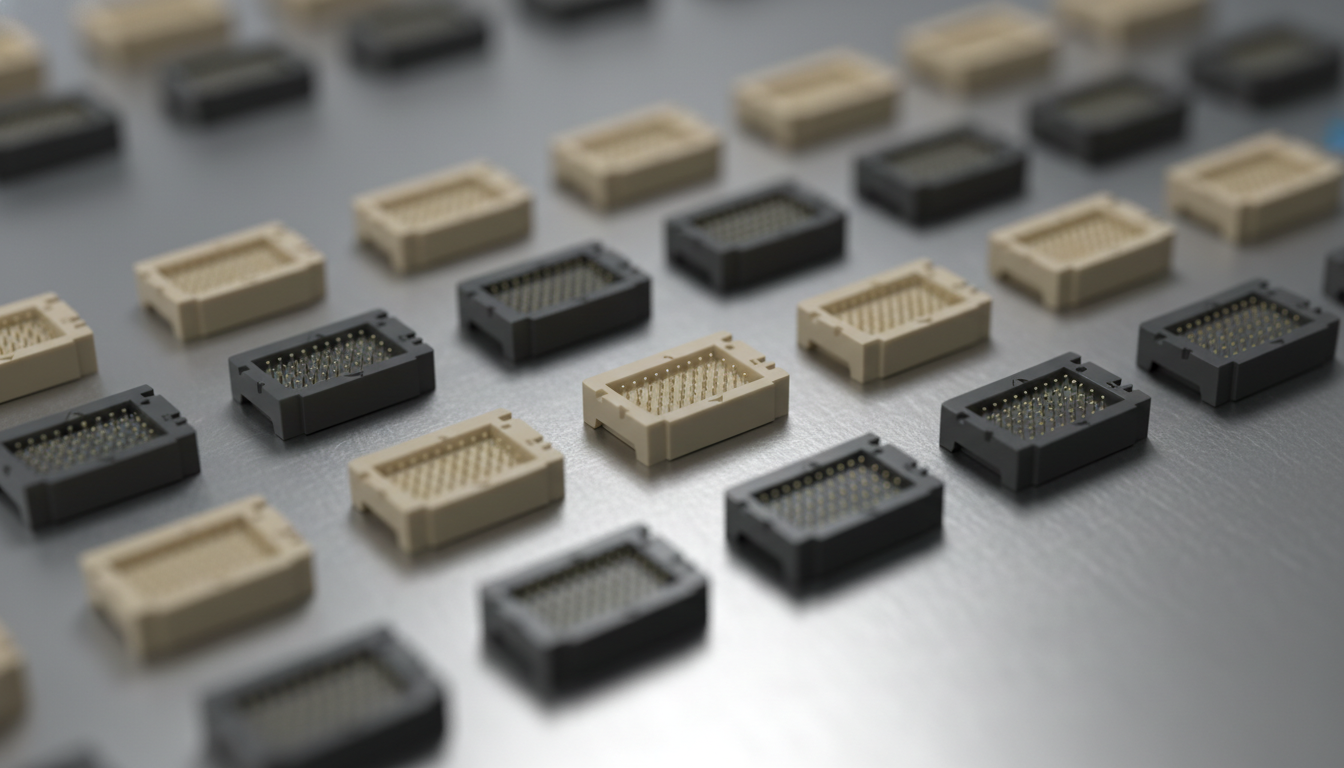
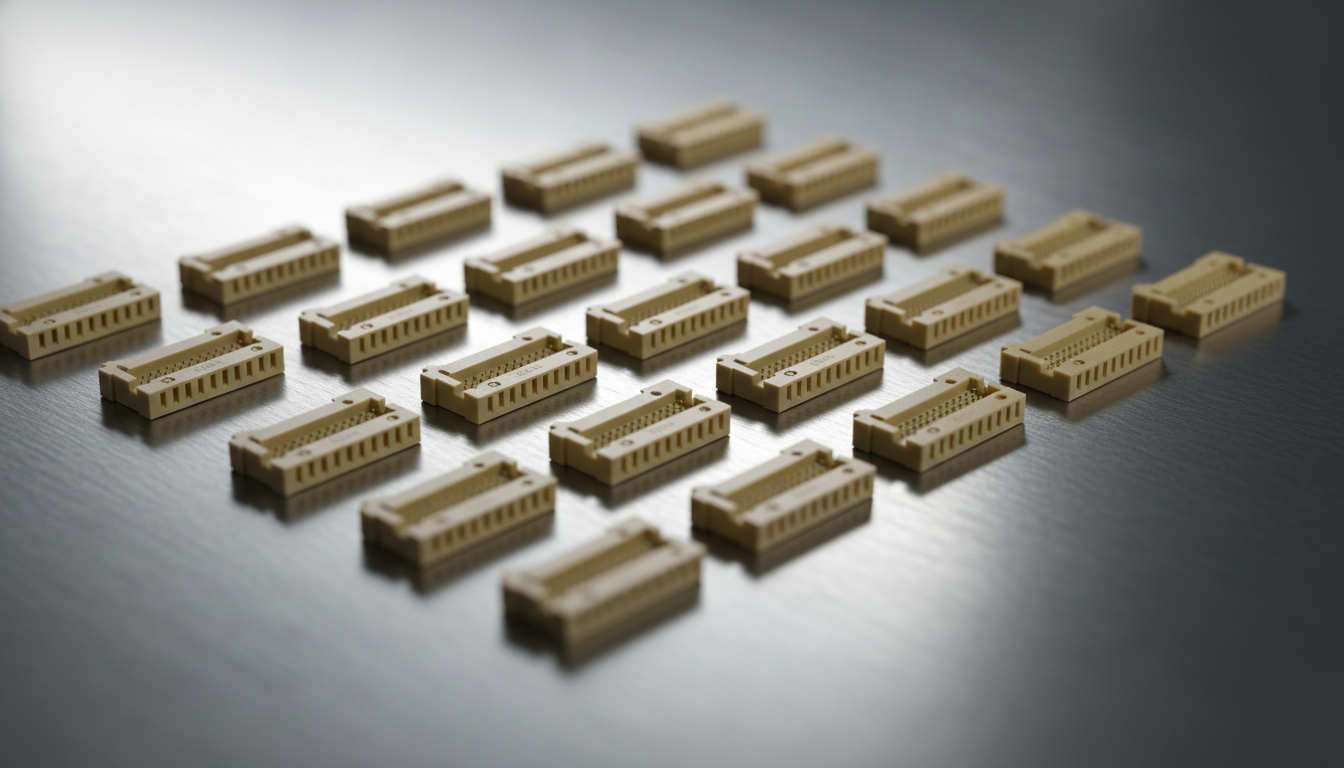
Liquid Crystal Polymer (LCP) is an exceptional high-performance thermoplastic polymer celebrated for its ultra-low melt viscosity, inherent flame retardancy (UL 94 V-0), and extreme dimensional stability. At Jucheng Precision, an ISO 9001, ISO 13485, and IATF 16949 certified facility, we specialize in micro-molding and thin-walled LCP components down to 0.1mm thickness. Supported by 35+ advanced molding presses (50-650T) and 25+ in-house 5-axis CNC machines, we effectively manage LCP’s anisotropic shrinkage and weak weld lines. We offer a free DFM analysis within 24 hours to optimize gate design, delivering zero-defect 5G connectors verified by Zeiss CMM inspection.

High-precision-injection-molded-ultra-thin-LCP-microelectronic-and-board-to-board-connectors-1

Our available materials

LCP-Celanese Vectra E130i

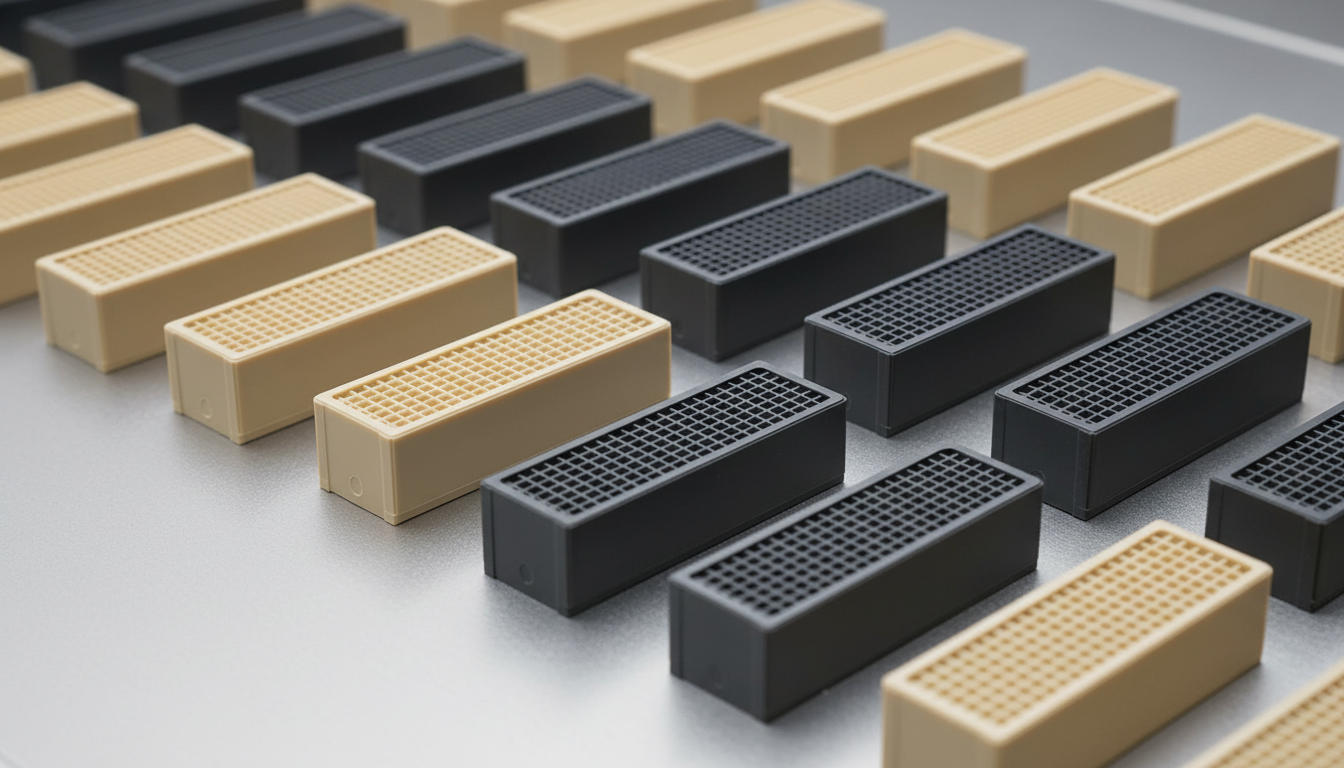
Withstanding lead-free reflow soldering temperatures up to 280°C while maintaining sub-millimeter structural flatness down to 0.1mm thickness requires a specialized self-reinforcing polymer, which Celanese’s Vectra E130i delivers through its 30% glass fiber reinforced Liquid Crystal Polymer (LCP) matrix. Boasting a density of 1.62 g/cm³ and a melting point of 340°C, this high-flow grade provides an exceptional tensile modulus of 15,000 MPa alongside outstanding low-warp dimensional stability. Jucheng Precision, under ISO 9001 and IATF 16949 frameworks, specializes in micro-molding Vectra E130i for high-density 5G telecommunication and connector assemblies. Using our 5-axis CNC-machined H13 tooling, we control its anisotropic shrinkage and optimize weld-line strength, delivering defect-free parts verified by Zeiss CMM.

READ MORE

LCP-Celanese Vectra E840i

Fabricating three-dimensional molded interconnect devices (3D-MID) with integrated circuitry on polymer carriers requires high thermal soldering resistance and selective platability, which Celanese’s Vectra E840i LDS delivers through its 40% mineral-filled, laser-direct-structuring liquid crystal polymer (LCP) matrix. Boasting a density of 1.81 g/cm³ and a melting point of 335°C, this specialized grade contains active metal-catalysts optimized for subsequent chemical plating (copper, nickel, gold) while maintaining ultra-low warpage. Jucheng Precision, operating under strict ISO 9001 and IATF 16949 standards, specializes in high-precision molding of Vectra E840i. Backed by 35+ advanced presses and in-house 5-axis CNC tooling, we control its anisotropic shrink variables (0.1%-0.5%), delivering pristine micro-substrates verified by Zeiss CMM.

READ MORE

LCP-Sumitomo Sumikasuper E6008

To maintain stable dielectric properties and strict coplanarity during lead-free surface mount (SMT) reflow soldering up to 300°C, Sumitomo's Sumikasuper E6008 delivers through its 40% glass fiber reinforced Liquid Crystal Polymer (LCP) matrix. Boasting a density of 1.62 g/cm³ and a heat deflection temperature of 279°C, this high-heat, high-strength grade offers an outstanding ASTM flexural modulus of 12,300 MPa and exceptional low-loss dielectric performance (0.005 dissipation factor at 1GHz). Jucheng Precision, under IATF 16949 and ISO 13485 medical frameworks, specializes in micro-molding Sumikasuper E6008. Utilizing five-axis CNC-machined S136 stainless steel tooling, we control its anisotropic shrinkage, delivering flash-free micro-bobbins verified by Zeiss CMM.

READ MORE

LCP-Toray Siveras LX70G35

Maintaining uncompromised coplanarity and ultra-low outgassing under SMT reflow temperatures up to 255°C requires an exceptionally tough, high-precision polymer, which Toray’s Siveras LX70G35 delivers through its 35% glass fiber reinforced Liquid Crystal Polymer (LCP) matrix. Boasting a density of 1.66 g/cm³ and a heat deflection temperature of 255°C, this high-heat, high-toughness grade offers a massive ASTM flexural modulus of 16,000 MPa and excellent vibration damping properties. Jucheng Precision, under ISO 9001 and IATF 16949 certified frameworks, specializes in micro-molding Siveras LX70G35. Using 5-axis CNC-machined S136 tool cavities and 35+ advanced presses, we control its anisotropic shrinkage to deliver flash-free, thin-walled micro-components verified by Zeiss CMM.

READ MORE

Comprehensive LCP Grades We Mold

We process premium Liquid Crystal Polymer formulations from leading global polymer synthesizers, optimized for ultra-thin wall structures and dimensional stability:

LCP Material Class Typical Brand & Grade Key Characteristics & Advantages
Glass-Fiber Reinforced • Celanese Vectra E130i (30% GF)
• Sumitomo Sumikasuper E6008
• DuPont Zenite 6130
Extremely high tensile modulus, low warpage, and outstanding creep resistance. Demonstrates clean flow behaviors inside multi-cavity hot runner systems. Ideal for precision electrical connectors.
Mineral & Glass Filled • Celanese Vectra S135
• Sumitomo Sumikasuper E5006 / E5008
Formulated to balance molecular orientation and minimize anisotropic shrinkage. Elevates surface flatness and provides excellent heat resistance for lead-free surface mount (SMT) soldering.
Ultra-High Flow / Thin-Wall • Celanese Vectra E840i
• Toray Siveras LX70G35
Exceptional melt flow index (MFI) designed specifically for parts with wall thicknesses below 0.15mm. Ideal for fine-pitch board-to-board (B2B) connectors and SIM card sockets.

Applicable Molding Processes for LCP

LCP’s low melt viscosity and rapid shear-thinning response support highly intricate molding methods:

Molding Process Process Suitability & Application
Thin-Wall Molding Excellent. LCP is the gold standard material for thin-walled electronic sockets and high-density 5G connectors with walls down to 0.1mm.
Micro Injection Molding Excellent. Highly optimized for molding sub-millimeter electronic housings, camera module carriers, and minimally invasive medical catheter tips.
Insert Molding Excellent. Extensively used in automated production lines to encapsulate tiny gold-plated copper terminal pins inside SMT-compatible connector bases.

Liquid Crystal Polymer (LCP) Manufacturing & Tooling Guide

LCP’s highly oriented molecular chains in the melt state provide great strength, but also lead to unique challenges like anisotropic shrinkage and weld-line weakness:

  • Pre-Drying: LCP is slightly hygroscopic. We pre-dry the resin in desiccant dryers at 140°C–160°C (284°F–320°F) for 4–6 hours, maintaining moisture levels under 0.01% to prevent visual splay and mechanical weakness.
  • Melt Temperature: Managed between 310°C and 360°C (590°F to 680°F) depending on the specific LCP type (Type I vs Type II polymer structures).
  • Mold Temperature: Managed between 60°C and 120°C (140°F to 248°F). Higher mold temperatures are recommended for high-temperature LCP grades to improve molecular blending at weld lines.
  • Weld-Line Management: LCP molecules align heavily along the flow direction. This orientation causes weld lines (where two flow fronts meet) to be mechanically weak. Jucheng’s tooling engineers utilize advanced Moldflow analysis to position gates strategically, shifting weld lines away from load-bearing structures.
  • Anisotropic Shrinkage Control: Shrinkage is almost zero in the flow direction (0.0% to 0.1%), but perpendicular to the flow, it can reach 0.3% to 0.5%. Our in-house tooling division uses 5-axis CNC machines to precisely machine mold dimensions to compensate for this variance.

Key Application Industries for Molded LCP Components

  • 5G Telecommunications & Electronics: Fine-pitch board-to-board connectors, USB Type-C sockets, SIM card slots, CPU sockets, camera module frames, and high-frequency antenna components.
  • Automotive Powertrains (IATF 16949 Certified): Ignition coil housings, transmission sensors, powertrain control modules, LED lamp sockets, and electric water pump sensors.
  • Medical Instruments (ISO 13485 Compliant): Minimally invasive surgical tips, high-end medical connectors, diagnostic cartridge bobbins, and catheter components requiring SMT soldering.
  • Aerospace & Defense: High-frequency RF connectors, satellite antenna bases, specialized flight control sensor housings, and electronic switch blocks.

Material Properties

Density (30% GF) 1.60 - 1.63 g/cm³
Tensile Strength at Yield (30% GF) 130 - 180 MPa
Tensile Elongation at Break 1.0 - 2.5 %
Flexural Modulus (30% GF) 12,000 - 15,000 MPa
Izod Impact Strength (Notched, 23°C) 80 - 150 J/m
Melting Temperature 320 - 340 °C
Heat Deflection Temperature (HDT @ 1.8 MPa) 240 - 280 °C
Linear Mold Shrinkage (Flow Direction) 0.0 - 0.1 %
Linear Mold Shrinkage (Transverse Direction) 0.3 - 0.5 %
Dielectric Strength 25 - 35 kV/mm
Volume Resistivity 1.0E+16 Ohm·cm
Maximum Part Size 600 x 400 mm
Minimum Part Size 0.1 x 0.1 mm