
Elevating plastic hardware aesthetics, tactile ergonomics, and electromagnetic performance requires comprehensive post-molding decoration and cavity surface conditioning. Standard raw molded plastic parts frequently display flow lines, parting line seams, or ejection pin marks that compromise visual quality. Applying specialized mold textures, diamond mirror polishes, conductive coatings, or multi-color pad printing transforms bare polymer parts into market-ready retail components. This technical guide reviews SPI polishing standards, VDI texturing, secondary printing methods, and EMI/RFI shielding technologies.

목차
SPI Mold Polishing (A-1 Mirror Finish) & VDI / Mold-Tech Texturing
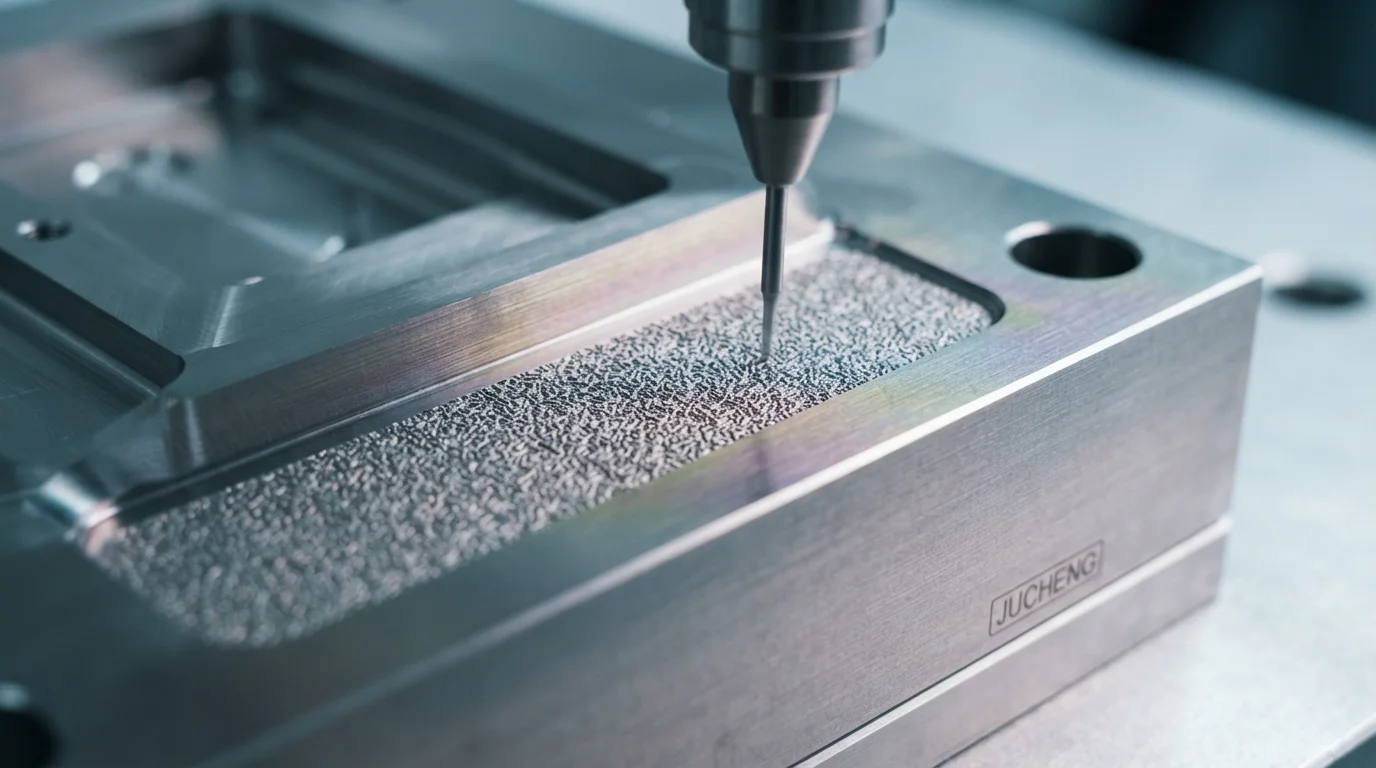
Specifying professional injection molding surface finishing begins during mold cavity toolmaking. Cavity surface preparation follows international Society of the Plastics Industry (SPI) polishing standards. Achieving an SPI A-1 mirror finish requires progressive hand-polishing using diamond paste compounds on hardened S136 스테인리스강, eliminating micro-scratches for optical lenses and high-gloss 폴리카보네이트(PC) covers. Applying VDI 3400 texturing 또는 Mold-Tech chemical etching imparts controlled matte, leather, or geometric textures directly onto mold cavity faces. Chemical texturing masks flow lines and sink mark shadows while enhancing tactile grip on consumer electronic housings.
Mold cavity surface finishing standards include:
- SPI A-1 diamond polishing—Lapping hardened steel with 3-micron diamond paste creates a high-gloss optical mirror surface.
- VDI 3400 spark erosion texturing—Electrical discharge machining produces controlled matte micro-textures ranging from VDI 12 to VDI 36.
- Mold-Tech chemical etching—Acid etching creates complex leather, woodgrain, or geometric patterns directly on cavity steel.
- Draft angle compensation—Increasing vertical draft by 1° for every 0.025 mm of texture depth ensures clean part ejection without scuffing.
Secondary Ops: Pad Printing, Silk Screening, Laser Engraving & Painting

Secondary post-molding operations add functional symbols, branding logos, and protective coatings to molded ABS 또는 PC/ABS parts. Utilizing multi-color pad printing transfers silicone pad ink onto complex three-dimensional curves and textured surfaces seamlessly. Laser engraving burns away superficial paint coats on backlit buttons, creating precise, light-transmitting symbols. Automated liquid spray painting and UV hard-coat applications improve scratch resistance and chemical immunity on automotive interior trims.
전자 인클로저용 전도성 EMI/RFI 차폐 코팅
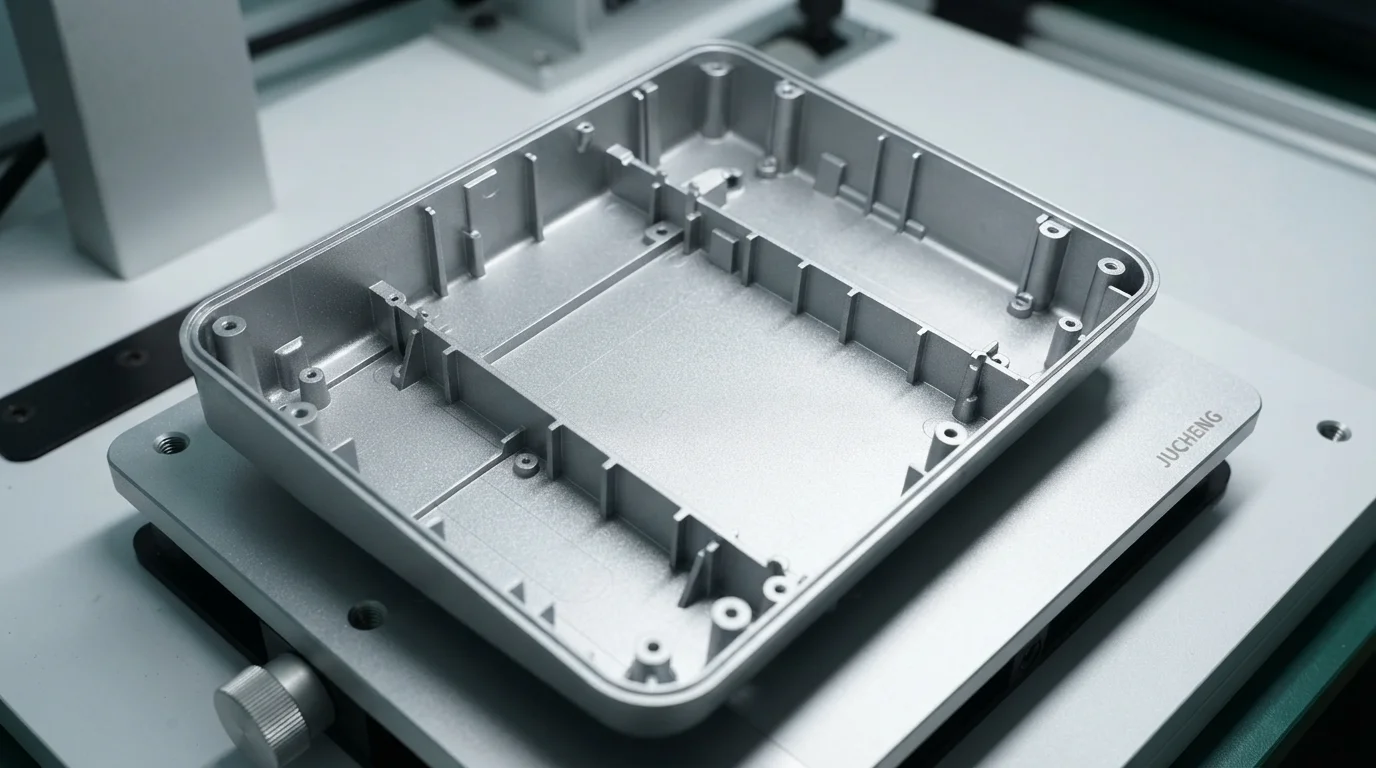
민감한 회로 기판을 수용하는 전자 인클로저는 전자기 간섭으로부터 보호가 필요합니다. 플라스틱 하우징 내부에 전도성 EMI/RFI 차폐 코팅 을 적용하면 원치 않는 무선 주파수 신호가 내부 전자 장치를 방해하는 것을 방지합니다. 특수 스프레이 도장은 니켈, 구리 또는 은 전도성 페인트 제형을 사용하여 연속적인 접지 장벽을 형성합니다. 0.1 Ω/sq 미만의 낮은 표면 저항을 달성하면 의료 및 항공 우주 장치에 대한 글로벌 FCC 및 CE 전자기 적합성 규정을 충족합니다.
| 표면 마감 방법 | 거칠기 / 두께 | 호환 기재 | 주요 미적 / 기능적 이점 |
|---|---|---|---|
| SPI A-1 다이아몬드 폴리싱 | Ra < 0.012 μm | PC, PMMA, 광학 수지 | 광학 렌즈 및 라이트 가이드용 고광택 투명성 |
| VDI 24 스파크 텍스처 | Ra = 1.6 μm | ABS, PC/ABS, PP, PA66 | 싱크 마크 및 스크래치를 숨기는 무광택 촉감 마감 |
| Conductive Nickel Coating | 25 – 50 μm dry film | ABS, PC/ABS, PBT | EMI/RFI shielding (< 0.1 Ω/sq) for electronic housings |
자주 묻는 질문 (FAQ)

What is the difference between SPI A-1 and VDI 24 surface finishes?
SPI A-1 represents an optical diamond mirror finish polished to a smooth surface roughness Ra under 0.012 microns, ideal for transparent lenses. VDI 24 is a matte spark-erosion texture produced by electrical discharge machining, offering a medium tactile grip that masks cosmetic sink marks and scratch defects on opaque enclosures.
Why do textured mold cavities require larger draft angles than polished cavities?
Textured cavity walls feature microscopic peaks and valleys that mechanically grip the shrinking plastic during cooling. Insufficient draft angles cause the plastic skin to drag against the textured steel during ejection, creating unsightly scuff marks. Adding 1° of draft for every 0.025 mm of texture depth ensures smooth release without damaging the pattern.
How do conductive spray coatings provide EMI shielding in plastic housings?
Conductive spray coatings contain microscopic nickel, copper, or silver flakes suspended in a liquid binder. When sprayed onto the internal surfaces of a plastic enclosure, the metal particles form a continuous conductive grid. This metallic layer reflects and absorbs electromagnetic radiation, preventing high-frequency noise from interfering with delicate electronic components.