
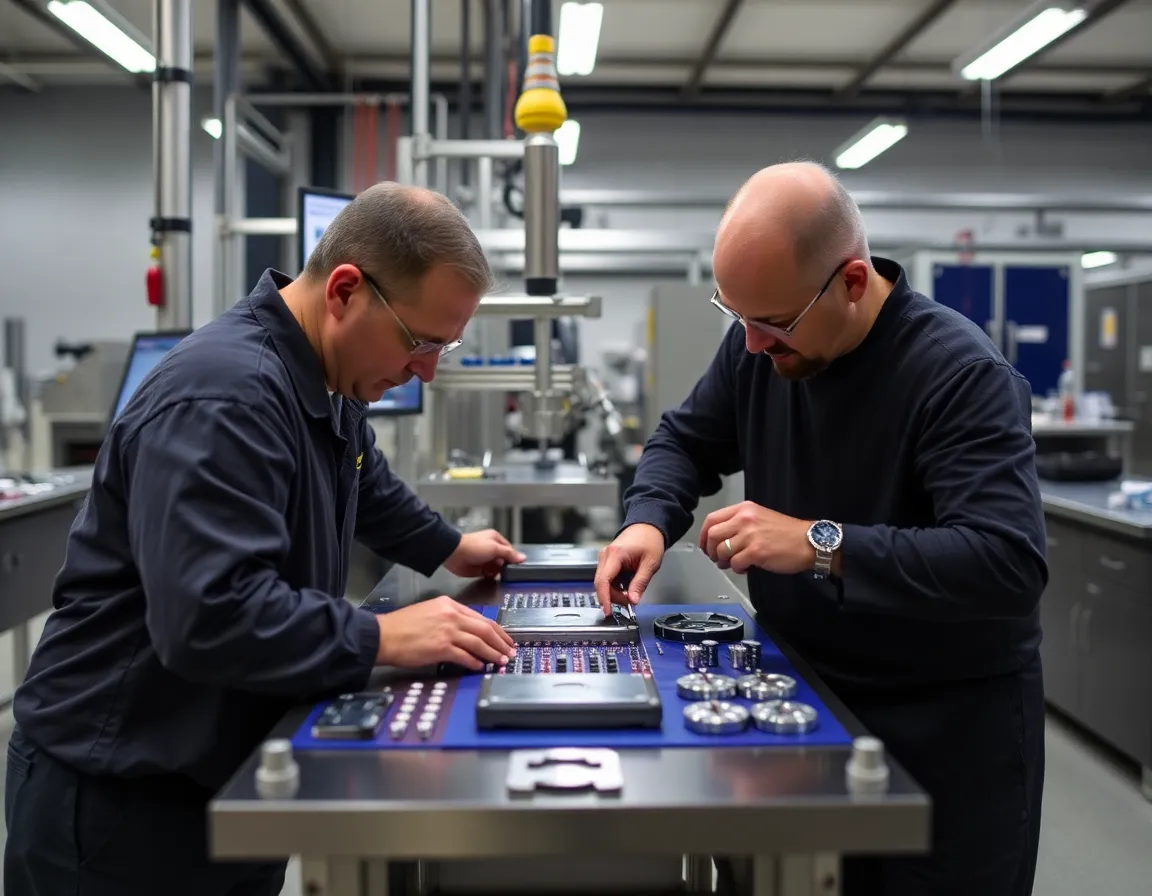
精密製造における医療グレードプラスチックの紹介
医療機器業界は、現代の製造業において最も厳格な規制基準の下で運営されています。この分野の中心にあるのは、以下として知られる特殊な材料クラスです。 医療グレードプラスチック. これらのポリマーは、生体適合性、耐薬品性、機械的強度、滅菌性に関する厳しい要件を満たすように設計されています。標準的な商業用プラスチックとは異なり、医療グレードのものは、有害物質を溶出させたり、微生物の増殖を助長したり、臨床条件下で劣化したりしないことを保証するために、広範な試験を受ける必要があります。本ガイドでは、材料選定から生産のベストプラクティスまで、医療グレードプラスチック製造の包括的な概要を提供し、製造業者が安全で信頼性が高く、高性能な医療部品を提供できるようにします。.
医療グレードプラスチックとは何か?
医療グレードプラスチックは、医療用途での使用のために特別に配合され、認証された合成ポリマーです。これらは、以下のような国際規格への準拠によって特徴づけられます: ISO 10993 (生物学的評価)および USPクラスVI (生物学的反応性試験)。これらの材料は、非毒性、非発熱性、およびエチレンオキシド(EtO)、ガンマ線照射、オートクレーブ、電子ビーム処理などの一般的な滅菌方法との適合性を実証する必要があります。.
一般的な医療グレードプラスチックには以下が含まれます:
- ポリカーボネート(PC) – 高い衝撃強度と透明性により、透明ハウジング、IVコネクタ、手術器具に使用されます。.
- ポリプロピレン(PP) – 耐薬品性と低コストのため、注射器、実験用容器、包装に最適です。.
- ポリエチレン(PE) – 柔軟性と生体適合性が重要なチューブ、カテーテル、インプラントに使用されます。.
- ポリエーテルエーテルケトン(PEEK) – 卓越した強度と放射線透過性により、脊椎インプラント、歯科用デバイス、整形外科部品に使用される高性能熱可塑性樹脂です。.
- 熱可塑性ポリウレタン(TPU) – 弾力性と血液適合性により、カテーテル、創傷被覆材、薬物送達システムで評価されています。.
各材料は独自の特性バランスを提供しており、選択プロセスではデバイスの最終使用環境、規制経路、製造スケーラビリティを考慮する必要があります。.
精密製造プロセス
医療グレードプラスチックの製造には、汚染とばらつきを最小限に抑える管理された再現可能なアプローチが求められます。プロセスは通常、いくつかの段階を経て、それぞれに専門的な設備と専門知識が必要です。.
材料の選定と検証
生産を開始する前に、製造業者は選択したプラスチックがすべての必要な仕様を満たしていることを検証する必要があります。これには以下を確認することが含まれます: 材料安全データシート(MSDS), 、サプライヤーからの適合証明書の取得、およびメルトフローレート、引張強度、抽出可能物質に関する社内試験の実施が含まれます。埋め込み型デバイスの場合、追加の生物学的アッセイが必須です。また、材料は樹脂サプライヤーから製造チェーン全体を通じてトレーサブルでなければなりません。.
射出成形
射出成形は、医療グレードのプラスチック部品を製造するための最も一般的な方法です。このプロセスでは、ポリマーペレットを溶融し、精密加工された金型に高圧で射出します。主要なパラメータは以下の通りです:
- 温度管理 – 溶融温度は、適切な流動性を確保しつつ劣化を防ぐために、狭い範囲内で維持する必要があります。.
- 射出圧力と速度 – これらは、部品の完全性を損なう可能性のある充填パターン、ウェルドライン、残留応力に影響を与えます。.
- 金型設計 – 冷却チャネル、ゲート位置、ベントは、ヒケ、バリ、トラップエアなどの欠陥を避けるために最適化する必要があります。.
医療用途では、金型はしばしば焼入れ工具鋼で作られ、表面は研磨されて摩擦を低減し、一貫した離型を確保します。. クリーンルーム条件 は、粒子状汚染を防ぐために不可欠であり、ISOクラス7またはクラス8環境が標準です。.
押出成形と熱成形
チューブ、カテーテル、フィルムなどの連続プロファイルには、押出成形が好ましい方法です。プラスチックは溶融され、ダイを通して押し出され、均一な断面を作り出します。肉厚やルーメン径などの寸法はデバイスの性能に直接影響するため、精度が重要です。一方、熱成形は、プラスチックシートを加熱し、真空または圧力を用いて金型上で成形する方法です。この技術は、トレイ、ブリスターパッケージ、手術用ドレープに使用されます。.
二次加工
多くの医療機器では、以下のような後処理工程が必要です: レーザー切断, 超音波溶着, アニーリング, または 表面処理. 例えば、カテーテルでは先端成形や親水性コーティングを行い、挿入時の摩擦を低減する必要があります。これらの作業は、汚染物質の混入や材料特性の変化を避けるため、管理された環境で実施しなければなりません。.
医療グレードプラスチックの利点
金属やガラスに代えて医療グレードプラスチックを採用することで、医療分野のイノベーションを促進する数多くの利点が得られます。.
- 生体適合性 – これらの材料は無毒性かつ非免疫原性となるよう設計されており、患者における有害反応のリスクを低減します。.
- 設計の柔軟性 – プラスチックは金属では不可能な複雑な形状に成形でき、小型化や人間工学的な改善を可能にします。.
- コスト効率 – 大量射出成形により部品を低い単価で生産できるため、使い捨て医療機器が経済的に成立します。.
- 滅菌適合性 – Medical grade plastics withstand multiple sterilization cycles without significant degradation, ensuring patient safety.
- Lightweight and durable – Plastics reduce device weight, improving patient comfort and portability, while offering excellent impact resistance.
- Transparency and radiolucency – Clear plastics allow visual inspection of fluid flow, while radiolucent materials like PEEK enable clear X-ray imaging without interference.
Key Applications in Healthcare
Medical grade plastics are ubiquitous in modern medicine. Below are some of the most critical application areas.
Diagnostic and Monitoring Devices
Blood glucose monitors, pulse oximeters, and diagnostic test kits rely on plastic housings that protect sensitive electronics while being easy to clean. Polycarbonate and ABS blends are common choices due to their impact resistance and aesthetic finish. Reagent containers and microfluidic chips also use medical grade plastics to ensure chemical inertness and optical clarity.
Surgical Instruments and Implants
From disposable scalpels to permanent orthopedic implants, plastics play a vital role. PEEK is widely used in spinal cages and dental implants because it mimics the modulus of bone, reducing stress shielding. Ultra-high-molecular-weight polyethylene (UHMWPE) serves as a bearing surface in hip and knee replacements, offering low friction and high wear resistance. Surgical handles and trocars benefit from the ergonomic grip and sterilizability of polypropylene and polycarbonate.
Drug Delivery Systems
Syringes, insulin pens, and IV bags are manufactured from medical grade polypropylene and polyethylene. These materials must be compatible with a wide range of pharmaceuticals, preventing adsorption or leaching that could alter drug potency. Pre-filled syringes often use cyclic olefin copolymer (COC) for its superior barrier properties and clarity.
Wound Care and Catheters
TPU and silicone-based plastics are used in catheters, drainage tubes, and wound dressings. Their flexibility reduces patient trauma during insertion, while surface modifications can impart antimicrobial properties. Advanced wound dressings incorporate hydrocolloid layers made from medical grade plastics that maintain a moist healing environment.
Best Practices for Medical Grade Plastic Manufacturing
To ensure consistent quality and regulatory compliance, manufacturers must adhere to a set of best practices throughout the production lifecycle.
Regulatory Compliance and Documentation
Every batch of medical grade plastic components must be traceable. Maintain detailed records of raw material lot numbers, processing parameters, and quality control results. Implement a quality management system (QMS) aligned with ISO 13485 および FDA 21 CFR Part 820. Regular audits by notified bodies are common, so documentation must be accurate and readily accessible.
Cleanroom and Contamination Control
Particulate contamination is a leading cause of device failure. Establish cleanroom protocols that include:
- HEPA filtration and positive air pressure to minimize airborne particles.
- Strict gowning procedures for personnel.
- Regular monitoring of air quality and surface cleanliness.
- Use of stainless steel or plastic tools that do not shed particles.
Process Validation and Statistical Process Control
Validate all manufacturing processes using IQ/OQ/PQ (Installation Qualification, Operational Qualification, Performance Qualification) protocols. Implement statistical process control (SPC) to monitor critical parameters such as part weight, dimensional tolerances, and flash presence. Real-time data collection allows early detection of drift, reducing scrap and rework.
Sterilization Validation
Choose a sterilization method that is compatible with the plastic and the device design. Validate sterility assurance levels (SAL) of 10⁻⁶ using biological indicators. For ethylene oxide sterilization, ensure adequate aeration to remove residual gas. For gamma irradiation, consider the potential for crosslinking or degradation, which can alter mechanical properties over time.
Supplier Qualification and Material Testing
Partner with resin suppliers who provide certified medical grade materials with consistent lot-to-lot properties. Conduct incoming inspection for key attributes like moisture content, melt flow index, and color. For critical applications, perform bioburden testing および endotoxin testing on raw materials before production begins.
Conclusion
Medical grade plastic manufacturing is a highly specialized discipline that combines material science, precision engineering, and rigorous quality control. As healthcare demands evolve—toward minimally invasive procedures, personalized medicine, and wearable devices—the role of advanced polymers will only grow. By understanding the unique properties of medical grade plastics, adhering to best practices in production, and maintaining unwavering commitment to regulatory compliance, manufacturers can deliver components that save lives and improve patient outcomes. Whether you are developing a new catheter design or scaling production of diagnostic kits, investing in precision manufacturing of medical grade plastics is not just a technical requirement—it is a promise of safety and reliability to the end user.