
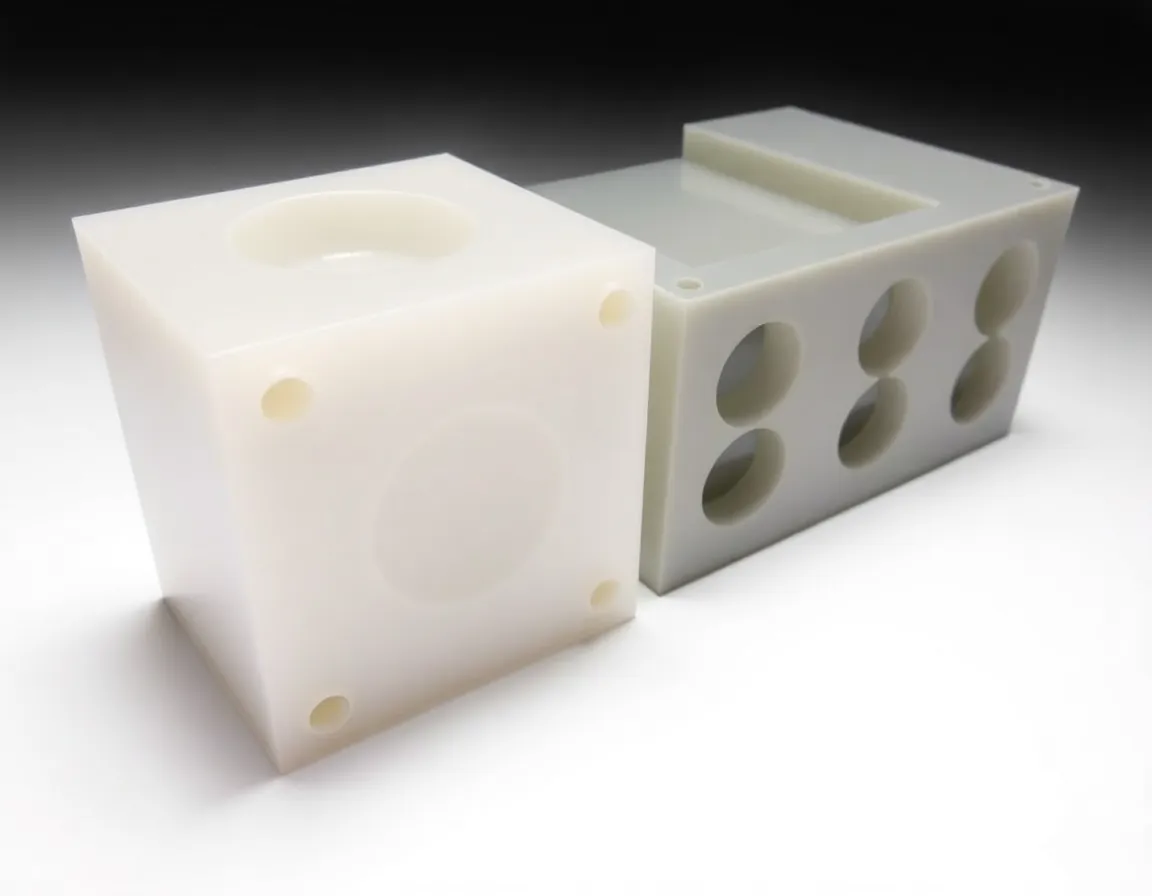
Custom injection molding is one of the most versatile and widely used manufacturing processes in the world. From medical devices and automotive components to consumer electronics and packaging, injection-molded plastic parts are everywhere. Yet for many startups, small businesses, and even established companies launching new products, the perception that custom injection molding is prohibitively expensive can be a major barrier. The truth is that with the right strategy, affordable custom injection molding is entirely achievable—without sacrificing quality or performance.
This article explores seven proven secrets that help buyers reduce costs, avoid costly mistakes, and get the most value from their injection molding projects. Whether you are developing your first product or looking to optimize an existing supply chain, these insights will help you make smarter decisions.
Understanding Custom Injection Molding and Its Cost Drivers
Custom injection molding is a manufacturing process in which molten plastic is injected into a custom-designed mold (tool) to produce parts in high volumes with consistent quality and tight tolerances. Because the mold is created specifically for a given part geometry, the process offers exceptional design freedom, repeatability, and scalability.
Before diving into cost-saving secrets, it helps to understand where the money actually goes. Injection molding costs typically fall into several categories:
- Tooling and mold fabrication: Often the single largest upfront expense, especially for complex or multi-cavity molds.
- 材料費: Resin selection, special additives, and colorants all influence per-part pricing.
- Machine time and labor: Cycle time, tonnage requirements, and production volume affect operating costs.
- 二次加工: Assembly, painting, printing, and packaging add to the total.
- Quality control and logistics: Inspection, testing, and shipping round out the picture.
Understanding these drivers is the foundation for negotiating better pricing and designing smarter parts. The seven secrets that follow build on this foundation.
Secret 1: Design for Manufacturability from Day One
The most powerful cost lever in injection molding is the design itself. Decisions made during the design phase can reduce tooling costs, shorten cycle times, and eliminate defects—long before a single part is molded.
Keep Walls Uniform and Avoid Over-Engineering
Uniform wall thickness is the golden rule of injection molding design. Thick sections cause sink marks, warping, and longer cooling times, while abrupt transitions create stress concentrations. Designing with consistent walls and gradual transitions reduces cycle time and scrap—two of the biggest hidden cost drivers.
Minimize Undercuts and Simplify Geometry
Undercuts require side actions, lifters, or collapsible cores, all of which add complexity and cost to the mold. Where possible, redesign parts to eliminate undercuts or allow them to be molded with simple slides. Similarly, avoiding unnecessary cosmetic features, sharp corners, and tight tolerances in non-critical areas keeps tooling simple and affordable.
Choose the Right Tolerances
Over-specifying tolerances is one of the most common and expensive mistakes. Tight tolerances increase mold complexity, inspection requirements, and cycle time. Specify tight tolerances only where function demands them, and allow standard tolerances elsewhere.
Secret 2: Optimize Mold Design and Tooling Strategy
Tooling is often the biggest upfront cost in a custom injection molding project, but smart tooling decisions can dramatically lower it.
Start with a Prototype or Bridge Mold
For new products, a single-cavity prototype or bridge mold made from aluminum or softer steel can validate design, fit, and function at a fraction of the cost of production tooling. Once the design is proven, invest in a hardened steel production mold. This staged approach avoids expensive rework on a final tool.
Match Cavitation to Volume
Multi-cavity molds reduce per-part cost at high volumes but increase upfront tooling investment. For lower volumes, a single- or two-cavity mold is often more economical. Align cavitation with realistic demand forecasts rather than optimistic projections.
Use Standard Mold Bases and Components
Specifying standard mold bases, ejector systems, and off-the-shelf components reduces engineering time and fabrication cost. Custom mold bases should be reserved for genuinely complex geometries.
Secret 3: Select Materials Strategically
Material choice affects both part price and tooling life. Affordable custom injection molding often hinges on smart resin selection.
Avoid Over-Specifying Performance
Engineering resins such as PEEK, PEI, and glass-filled nylons offer excellent performance but cost significantly more than commodity resins like polypropylene, polyethylene, or ABS. Specify high-performance materials only where temperature, chemical, or mechanical requirements truly demand them.
Consider Material Availability and Lead Times
Specialty resins and custom colorants can carry long lead times and minimum order quantities that inflate costs. Standard, widely available grades reduce both price and supply risk. When color flexibility is possible, masterbatch coloring at the molder can be more economical than pre-compounded resin.
Factor in Regrind Policies
Many molders can incorporate a percentage of regrind material into production, reducing material costs. Discuss regrind policies early, especially for non-critical or hidden parts.
Secret 4: Choose the Right Manufacturing Partner
The molder you choose has enormous influence over cost, quality, and timeline. Affordable custom injection molding is as much about partnership as it is about process.
Match the Molder to Your Project
A large molder with high-tonnage presses may not be cost-effective for small parts or low volumes, while a small shop may lack the capacity for high-volume runs. Look for a partner whose equipment, expertise, and capacity align with your project size and complexity.
Evaluate Total Cost, Not Just Piece Price
A low quoted piece price can hide costs in tooling, setup, secondary operations, freight, or quality issues. Request transparent breakdowns of tooling, unit price, and ancillary costs, and compare total landed cost across suppliers.
Leverage Domestic and Offshore Options Wisely
Offshore molders can offer lower labor costs, but freight, communication challenges, and quality risk can offset savings. Domestic molders offer faster turnaround, easier collaboration, and lower shipping costs. Many companies use a hybrid approach: domestic tooling with offshore production, or vice versa, depending on volume and complexity.
Secret 5: Optimize Production Volume and Order Strategy
Injection molding economics favor volume, but smart ordering strategies can reduce costs even at moderate quantities.
Understand the Break-Even Point
Tooling amortization means per-part cost drops as volume rises. Work with your molder to calculate the break-even volume where injection molding becomes more economical than alternatives like CNC machining or 3D printing. For low volumes, consider family molds that produce multiple parts in one cycle.
Consolidate Parts and Orders
Combining multiple components into a single mold (family tooling) or consolidating orders can reduce setup costs and machine time. Similarly, ordering annual quantities with scheduled releases can secure better pricing than frequent small orders.
Plan for Demand Variability
Over-ordering ties up capital and warehouse space, while under-ordering risks stockouts and premium expediting fees. Use realistic forecasts and consider safety stock levels that balance cost and risk.
Secret 6: Reduce Secondary Operations and Streamline Quality Control
Secondary operations—assembly, painting, printing, ultrasonic welding, and packaging—can account for a significant share of total part cost. Designing parts that require fewer post-molding steps is a powerful cost-saving strategy.
Design for Assembly and Snap-Fits
Integrating snap-fits, living hinges, and self-aligning features reduces or eliminates assembly labor. Similarly, in-mold decoration and textured mold surfaces can replace painting or labeling.
Right-Size Quality Requirements
Overly stringent inspection protocols add cost without adding value. Define critical-to-function dimensions and use statistical process control rather than 100% inspection where appropriate. Work with your molder to establish a quality plan proportionate to the part's application.
Minimize Packaging and Logistics Costs
Bulk packaging, returnable containers, and optimized shipping schedules can reduce packaging and freight expenses. Discuss packaging options with your molder during quoting.
Secret 7: Build a Long-Term Partnership and Communicate Early
The final secret is perhaps the most overlooked: early and ongoing communication with your manufacturing partner.
Engage the Molder During Design
Bringing a molder into the design process early—ideally at the concept stage—allows them to flag manufacturability issues, suggest cost-saving design changes, and recommend appropriate tooling and materials. Design changes made before tooling are inexpensive; changes after tooling are costly.
Be Transparent About Volumes, Budgets, and Timelines
Sharing realistic production forecasts, target costs, and timelines allows molders to propose the most economical approach. Hiding information or inflating forecasts erodes trust and can lead to mismatched tooling and pricing.
Invest in Continuous Improvement
Long-term relationships unlock benefits such as priority scheduling, favorable pricing, and collaborative cost-reduction initiatives. Regular reviews of cycle times, scrap rates, and material usage can identify ongoing savings opportunities.
結論
Affordable custom injection molding is not about cutting corners—it is about making smart, informed decisions at every stage of the process. By designing for manufacturability, optimizing tooling and material choices, selecting the right partner, planning volumes carefully, minimizing secondary operations, and communicating openly, businesses of all sizes can achieve high-quality molded parts at competitive prices.
The seven secrets outlined in this article are proven strategies used by successful product developers and manufacturers every day. Applied together, they transform injection molding from a daunting expense into a predictable, cost-effective investment in product quality and market success. Start with design, engage your molder early, and let the economics of the process work in your favor.