
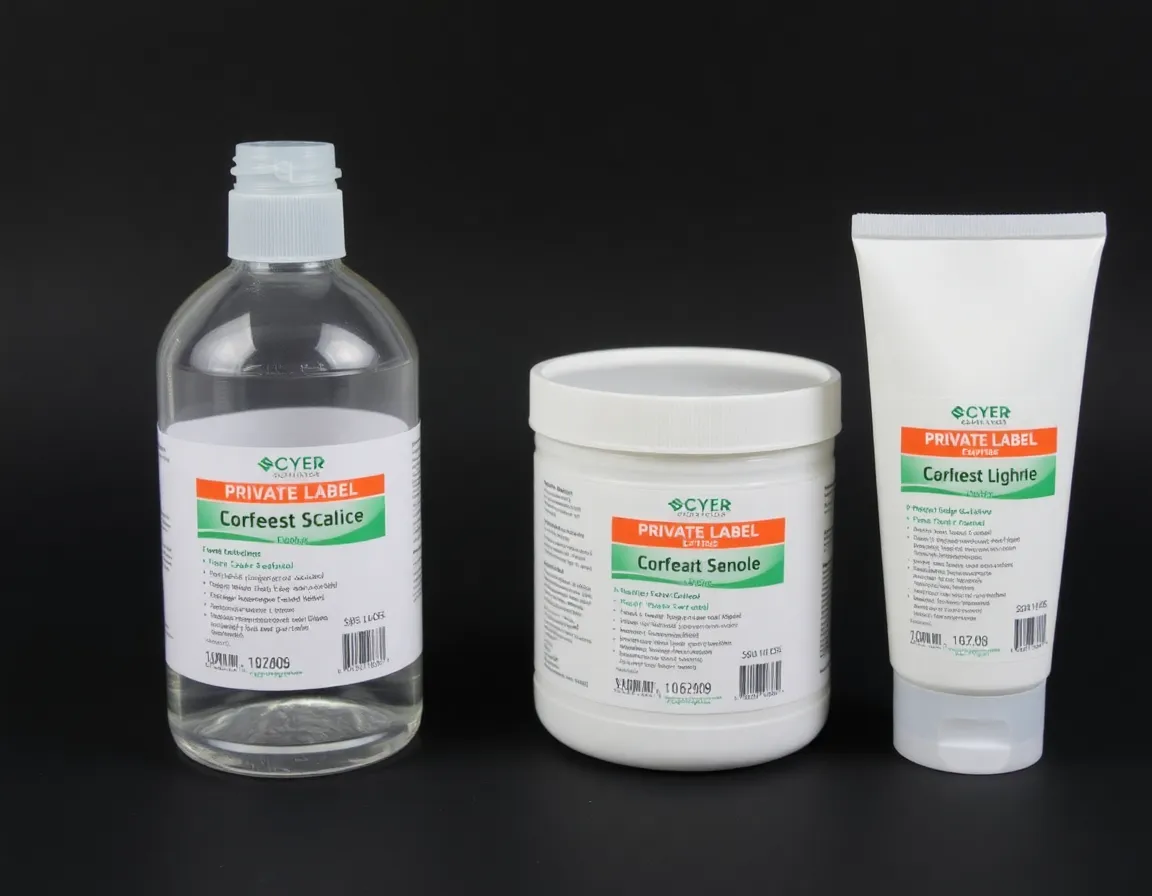
Understanding Private Label Plastics: A Strategic Overview
In the fiercely competitive consumer goods landscape, differentiation is the lifeblood of profitability. While countless brands fight for shelf space with nearly identical products, a powerful and often underutilized strategy lies in private label plastic products. This business model allows you to place your brand name, logo, and unique design on plastic goods—ranging from packaging containers to household utensils—without owning a single injection molding machine. By partnering with established manufacturers, you effectively transform a commodity item into a branded asset that drives customer loyalty and, crucially, higher margins.
The concept is not new; retailers have long used private labels for groceries and apparel. However, the plastics sector offers a unique opportunity due to its ubiquity. Every industry—from food service and cosmetics to automotive and healthcare—relies on plastic components. By leveraging private label manufacturing, you bypass the enormous capital expenditures of tooling, R&D, and factory overhead. Instead, you invest in what truly matters: brand equity, market positioning, and customer experience. This article dissects the mechanics of this strategy, revealing how you can turn everyday plastic items into a substantial profit center while maintaining quality and sustainability standards.
The Mechanics of Private Label Plastic Manufacturing
To truly boost your brand’s profitability, you must first understand the operational framework. Unlike white-label products (which are generic and sold to multiple buyers), private label implies exclusivity and customization. You are not just slapping a sticker on a stock item; you are dictating specifications, colors, materials, and even packaging. The process typically unfolds in three distinct phases.
Phase 1: Material Selection and Supplier Vetting
Your choice of polymer—whether Polyethylene Terephthalate (PET), High-Density Polyethylene (HDPE), Polypropylene (PP), or biodegradable alternatives—defines your product’s functionality and cost. A reputable private label manufacturer will offer a range of food-grade, impact-resistant, or flexible resins. However, your due diligence is critical. You must audit potential partners for ISO 9001 certification, ethical labor practices, and their capacity to handle your order volume. Ask for physical samples and test them rigorously for stress fractures, temperature tolerance, and chemical leaching. The cheapest quote is rarely the most profitable one if it leads to returns or brand damage.
Phase 2: Custom Tooling and Design for Manufacturability
Here lies the critical distinction between private label and simple distribution. If you require a unique shape—say, a squeezable bottle with a custom grip or a tamper-evident lid with a proprietary locking mechanism—you will need to invest in custom molds. This is a significant upfront cost (often $5,000 to $50,000 per mold), but it is amortized over your production run. A skilled engineering team will perform a Conception pour la fabricabilité (DFM) review, suggesting alterations to wall thickness or draft angles that reduce cycle times and material waste. This collaboration ensures that your product is not only aesthetically distinct but also economically viable to produce at scale.
Phase 3: Logistics and Quality Assurance Protocols
Once production begins, your focus shifts to supply chain management. Private label plastics often come from overseas factories, requiring a robust logistics plan. Negotiate Incoterms (e.g., FOB vs. DDP) clearly to avoid hidden freight costs. More importantly, institute a third-party quality inspection before shipment. This should include dimensional checks, drop tests, and visual inspections for blemishes. By catching defects at the source, you protect your brand’s reputation and avoid the costly nightmare of recalling defective plastic products from retail channels.
Why Private Label Plastics Are a Profit Powerhouse
The financial allure of private label plastics extends far beyond simple cost avoidance. When executed correctly, this strategy fundamentally alters your profit and loss statement. The primary driver is the elimination of the "middleman premium." When you buy from a national brand distributor, you pay for their marketing, their overhead, and their margin. When you contract directly with a factory, you pay for raw materials, conversion costs, and a factory profit margin—which is typically 10-20% lower than a branded wholesaler’s markup.
This cost differential allows you to implement one of two aggressive pricing strategies. First, you can undercut established competitors by 15-20%, gaining rapid market share in price-sensitive categories. Second, and often more lucrative, you can maintain a comparable retail price to the market leader while pocketing the extra margin. For example, if a national brand sells a plastic storage container for $4.00 and you can produce a similar, higher-quality version for $1.20, your gross margin could exceed 70%, compared to the 40% typical of reselling branded goods.
Furthermore, private label plastics create non-price competitive advantages. You can pivot quickly to trends—such as adding antimicrobial additives or using ocean-recycled plastics—without waiting for a corporate parent to approve a redesign. This agility allows you to launch limited edition colors or seasonal SKUs that generate buzz and premium pricing. The product becomes a direct reflection of your brand promise, allowing you to charge for perceived value rather than just utility.
Key Applications and Market Niches to Target
While the opportunity is vast, focusing on specific niches maximizes your return. Not all plastic products are created equal; some are far more conducive to private label success due to high repurchase rates or emotional connection.
- Food Service and Takeout Packaging: With the explosion of delivery apps, branded clamshells, cups, and cutlery offer massive advertising exposure. A restaurant chain using private label containers with a distinct logo transforms every meal into a marketing impression.
- Cosmetics and Personal Care: Plastic jars, airless pumps, and lotion bottles are the silent salespeople of your skincare line. Private label allows for unique frosted finishes, custom dispenser mechanisms, and precise volume control that screams luxury.
- Home Organization and Storage: This is a highly fragmented market. By offering unique modular designs or stackable systems with a superior latch mechanism, you can carve out a loyal following that generic bins cannot replicate.
- Pet Products: Durable, non-slip food bowls and interactive treat dispensers are purchased with high emotional involvement. Pet owners are willing to pay a premium for safety-certified, BPA-free plastic that carries a trusted brand name.
- Industrial and Medical Components: While less glamorous, custom plastic trays, cases, and sterile packaging for medical devices or precision tools offer high contract value and long-term repeat orders due to strict compliance needs.
When targeting these niches, consider the customer lifetime value (CLV). A consumer who buys your branded plastic water bottle today is likely to return for your replacement lids or accessories tomorrow. This ecosystem approach locks in recurring revenue and reduces your customer acquisition costs over time.
Best Practices for Quality, Compliance, and Sustainability
Modern consumers are acutely aware of the environmental impact of plastics. Ignoring this reality is a surefire way to erode brand trust. To thrive, your private label strategy must incorporate rigorous compliance and sustainability metrics. First and foremost, ensure your products meet all regional standards, such as the FDA regulations for food contact in the US or the EU Framework Regulation for plastics. Failure to comply can result in severe fines and product seizures. Request full documentation of the resin’s origin and test reports for heavy metals and phthalates.
Sustainability is no longer a differentiator; it is a prerequisite. However, you can use it as a profit lever. Consider transitioning to post-consumer recycled (PCR) resin. While PCR costs slightly more upfront, it allows you to market your product as "Made from 100% Recycled Ocean Plastic," justifying a 20-30% price premium among eco-conscious demographics. Additionally, design for recyclability—avoiding dark pigments and multi-material laminates that contaminate recycling streams—can earn you certification from organizations like the Association of Plastic Recyclers, which major retailers increasingly demand.
Finally, implement a robust traceability system. Assign batch numbers to every production run. If a quality issue arises, you can quickly isolate which units are affected, minimizing the scope of any recall. Document your factory’s energy usage and waste recycling rates. Use this data in your marketing collateral to demonstrate environmental stewardship, effectively turning your compliance department into a revenue-generating asset.
Overcoming Common Pitfalls in Private Labeling
Navigating the pitfalls is essential for sustaining profitability. The most common mistake is ignoring minimum order quantities (MOQs). Some factories require 10,000 units per SKU. If you over-order and the product fails to resonate, you are left with dead inventory that eats into your margins. Mitigate this by negotiating tiered MOQs—start with a smaller pilot run to test the market, then scale up only when you have validated demand. Another frequent error is underestimating the lead time. Custom molding and shipping can take 60-90 days. A delay in launch can miss a critical seasonal window (e.g., summer cooler season). Always build a buffer of 15-20 days into your timeline.
Additionally, do not fall into the trap of over-engineering. Adding unnecessary features, such as complex hinges or multi-part assemblies, increases mold costs and the likelihood of mechanical failure. Focus on the "core functional value" your brand promises. A simple, flawlessly executed bottle cap is worth more than a complex, gimmicky one that breaks. Finally, protect your intellectual property. In the global marketplace, your unique mold design can be copied. Ensure your contract includes strict non-disclosure agreements and that you own the mold tooling outright. Register your design patents in the countries where you manufacture and sell.
Conclusion: From Commodity to Brand Asset
Private label plastics are not merely a cost-cutting tactic; they are a strategic investment in your brand’s future. By taking control of the supply chain, you gain the power to innovate faster, price more aggressively, and build a direct relationship with your end-user through tangible, tactile products. The transition from selling generic plastic to selling a branded experience is challenging, requiring diligent supplier management, meticulous quality control, and a forward-thinking approach to sustainability.
However, the rewards are substantial. You transform a low-margin commodity into a high-margin, loyal customer acquisition tool. In a world where consumers are bombarded with digital ads, a well-designed, durable, and responsibly made plastic product in their hands is a powerful, persuasive touchpoint. By following the best practices outlined above—focusing on niche applications, rigorous testing, and transparent sustainability—you can turn your private label plastic initiative into a durable engine of profit and a formidable barrier against competitors. The mold is yours; the market is waiting. It is time to cast your brand in plastic.