
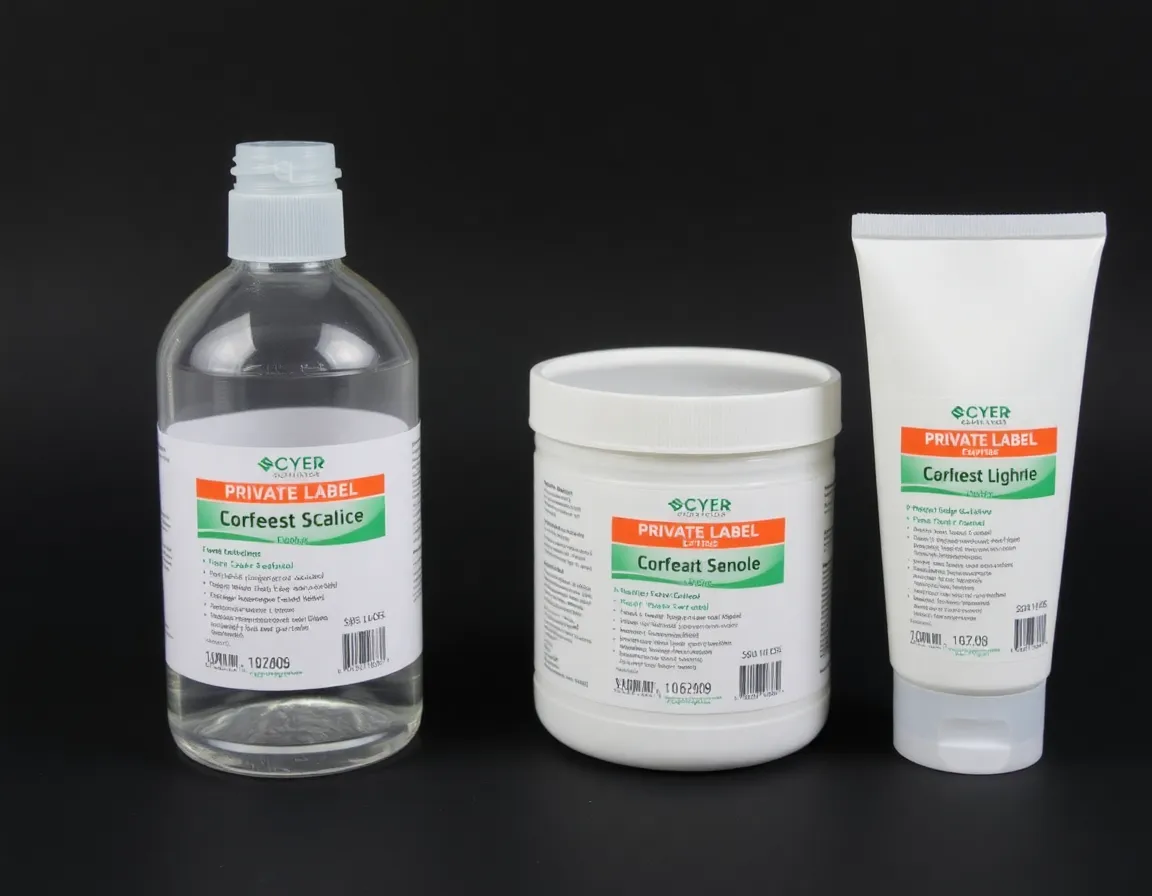
Private-Label-Kunststoffe verstehen: Ein strategischer Überblick
In der hart umkämpften Konsumgüterlandschaft ist Differenzierung der Lebensnerv der Rentabilität. Während unzählige Marken mit nahezu identischen Produkten um Regalfläche kämpfen, liegt eine wirkungsvolle und oft ungenutzte Strategie in Private-Label-Kunststoffprodukte. Dieses Geschäftsmodell ermöglicht es Ihnen, Ihren Markennamen, Ihr Logo und Ihr einzigartiges Design auf Kunststoffwaren anzubringen – von Verpackungsbehältern bis hin zu Haushaltsutensilien –, ohne eine einzige Spritzgussmaschine zu besitzen. Durch die Partnerschaft mit etablierten Herstellern verwandeln Sie einen Massenartikel effektiv in einen Markenwert, der Kundenloyalität und, entscheidend, höhere Margen fördert.
Das Konzept ist nicht neu; Einzelhändler nutzen seit Langem Eigenmarken für Lebensmittel und Bekleidung. Allerdings ist die Kunststoffsektor bietet aufgrund seiner Allgegenwärtigkeit eine einzigartige Chance. Jede Branche – vom Gastgewerbe und der Kosmetik bis hin zur Automobil- und Gesundheitsbranche – ist auf Kunststoffkomponenten angewiesen. Durch die Nutzung der Private-Label-Fertigung umgehen Sie die enormen Investitionsausgaben für Werkzeuge, F&E und Fabrikgemeinkosten. Stattdessen investieren Sie in das, was wirklich zählt: Markenwert, Marktpositionierung und Kundenerlebnis. Dieser Artikel analysiert die Mechanismen dieser Strategie und zeigt, wie Sie alltägliche Kunststoffartikel in ein substanzielles Profitcenter verwandeln können, während Sie Qualitäts- und Nachhaltigkeitsstandards einhalten.
Die Mechanismen der Private-Label-Kunststofffertigung
Um die Rentabilität Ihrer Marke wirklich zu steigern, müssen Sie zunächst das operative Framework verstehen. Anders als White-Label-Produkte (die generisch sind und an mehrere Käufer verkauft werden), impliziert Private Label Exklusivität und Individualisierung. Sie kleben nicht einfach einen Aufkleber auf einen Lagerartikel; Sie bestimmen Spezifikationen, Farben, Materialien und sogar die Verpackung. Der Prozess verläuft typischerweise in drei verschiedenen Phasen.
Phase 1: Materialauswahl und Lieferantenprüfung
Ihre Wahl des Polymers – ob Polyethylenterephthalat (PET), Polyethylen hoher Dichte (HDPE), Polypropylen (PP) oder biologisch abbaubare Alternativen – definiert die Funktionalität und die Kosten Ihres Produkts. Ein renommierter Private-Label-Hersteller wird eine Reihe von lebensmittelechten, schlagfesten oder flexiblen Harzen anbieten. Ihre Sorgfaltspflicht ist jedoch entscheidend. Sie müssen potenzielle Partner auf ISO 9001-Zertifizierung, ethische Arbeitspraktiken und ihre Kapazität zur Bewältigung Ihres Auftragsvolumens prüfen. Fordern Sie physische Muster an und testen Sie sie rigoros auf Spannungsrisse, Temperaturbeständigkeit und chemische Auslaugung. Das günstigste Angebot ist selten das profitabelste, wenn es zu Rücksendungen oder Markenschäden führt.
Phase 2: Individuelle Werkzeuge und Design für die Fertigung
Hier liegt der entscheidende Unterschied zwischen Private Label und einfachem Vertrieb. Wenn Sie eine einzigartige Form benötigen – sagen wir, eine quetschbare Flasche mit individuellem Griff oder einen Originalitätssicherungsdeckel mit proprietärem Verriegelungsmechanismus – müssen Sie in individuelle Formen investieren. Dies ist ein erheblicher Vorabkostenaufwand (oft $5.000 bis $50.000 pro Form), der jedoch über Ihre Produktionsserie amortisiert wird. Ein erfahrenes Engineering-Team wird eine Design for Manufacturability (DFM) Überprüfung durchführen und Änderungen an Wandstärke oder Entformungsschrägen vorschlagen, die Zykluszeiten und Materialverschwendung reduzieren. Diese Zusammenarbeit stellt sicher, dass Ihr Produkt nicht nur ästhetisch einzigartig, sondern auch wirtschaftlich in großem Maßstab produzierbar ist.
Phase 3: Logistik und Qualitätssicherungsprotokolle
Sobald die Produktion beginnt, verlagert sich Ihr Fokus auf das Supply-Chain-Management. Private-Label-Kunststoffe stammen oft aus Übersee-Fabriken, was einen robusten Logistikplan erfordert. Verhandeln Sie Incoterms (z. B. FOB vs. DDP) klar festlegen, um versteckte Frachtkosten zu vermeiden. Noch wichtiger ist die Einrichtung einer Qualitätsprüfung durch Dritte vor dem Versand. Diese sollte Maßprüfungen, Falltests und Sichtprüfungen auf Mängel umfassen. Indem Sie Defekte an der Quelle erkennen, schützen Sie den Ruf Ihrer Marke und vermeiden den kostspieligen Albtraum, fehlerhafte Kunststoffprodukte aus dem Einzelhandel zurückrufen zu müssen.
Warum Private-Label-Kunststoffe ein Profit-Motor sind
Die finanzielle Anziehungskraft von Private-Label-Kunststoffen geht weit über die bloße Kostenvermeidung hinaus. Richtig umgesetzt, verändert diese Strategie Ihre Gewinn- und Verlustrechnung grundlegend. Der Haupttreiber ist die Eliminierung der "Zwischenhändler-Prämie". Wenn Sie von einem Distributor einer nationalen Marke kaufen, zahlen Sie für deren Marketing, deren Gemeinkosten und deren Marge. Wenn Sie direkt mit einer Fabrik einen Vertrag schließen, zahlen Sie für Rohmaterialien, Verarbeitungskosten und eine Fabrikgewinnmarge– die typischerweise 10-20% niedriger ist als der Aufschlag eines Marken-Großhändlers.
Diese Kostendifferenz ermöglicht es Ihnen, eine von zwei aggressiven Preisstrategien umzusetzen. Erstens können Sie etablierte Wettbewerber um 15-20% unterbieten und schnell Marktanteile in preissensiblen Kategorien gewinnen. Zweitens, und oft lukrativer, können Sie einen vergleichbaren Einzelhandelspreis wie der Marktführer beibehalten und die zusätzliche Marge einstreichen. Wenn beispielsweise eine nationale Marke einen Kunststoff-Aufbewahrungsbehälter für $4,00 verkauft und Sie eine ähnliche, hochwertigere Version für $1,20 produzieren können, könnte Ihre Bruttomarge 70% übersteigen, verglichen mit den 40%, die für den Wiederverkauf von Markenware typisch sind.
Darüber hinaus schaffen Private-Label-Kunststoffe preisunabhängige Wettbewerbsvorteile. Sie können schnell auf Trends reagieren – etwa antimikrobielle Zusätze hinzufügen oder ozeanisch recycelte Kunststoffe verwenden –, ohne auf die Genehmigung eines Redesigns durch eine Konzernmutter zu warten. Diese Agilität ermöglicht es Ihnen, limitierte Farben oder saisonale SKUs einzuführen, die Aufmerksamkeit erregen und Premiumpreise rechtfertigen. Das Produkt wird zu einem direkten Spiegelbild Ihres Markenversprechens, sodass Sie für den wahrgenommenen Wert und nicht nur für den Nutzen berechnen können.
Wichtige Anwendungen und Marktnischen, die es zu erschließen gilt
Obwohl die Möglichkeiten groß sind, maximiert die Fokussierung auf bestimmte Nischen Ihre Rendite. Nicht alle Kunststoffprodukte sind gleich; einige eignen sich aufgrund hoher Wiederkaufraten oder emotionaler Bindung weit besser für den Private-Label-Erfolg.
- Gastronomie- und Takeaway-Verpackungen: Mit der Explosion von Liefer-Apps bieten gebrandete Klappschalen, Becher und Besteck enorme Werbewirkung. Eine Restaurantkette, die Private-Label-Behälter mit einem unverwechselbaren Logo verwendet, verwandelt jede Mahlzeit in einen Marketingeindruck.
- Kosmetik und Körperpflege: Plastic jars, airless pumps, and lotion bottles are the silent salespeople of your skincare line. Private label allows for unique frosted finishes, custom dispenser mechanisms, and precise volume control that screams luxury.
- Home Organization and Storage: This is a highly fragmented market. By offering unique modular designs or stackable systems with a superior latch mechanism, you can carve out a loyal following that generic bins cannot replicate.
- Pet Products: Durable, non-slip food bowls and interactive treat dispensers are purchased with high emotional involvement. Pet owners are willing to pay a premium for safety-certified, BPA-free plastic that carries a trusted brand name.
- Industrial and Medical Components: While less glamorous, custom plastic trays, cases, and sterile packaging for medical devices or precision tools offer high contract value and long-term repeat orders due to strict compliance needs.
When targeting these niches, consider the customer lifetime value (CLV). A consumer who buys your branded plastic water bottle today is likely to return for your replacement lids or accessories tomorrow. This ecosystem approach locks in recurring revenue and reduces your customer acquisition costs over time.
Best Practices for Quality, Compliance, and Sustainability
Modern consumers are acutely aware of the environmental impact of plastics. Ignoring this reality is a surefire way to erode brand trust. To thrive, your private label strategy must incorporate rigorous compliance and sustainability metrics. First and foremost, ensure your products meet all regional standards, such as the FDA regulations for food contact in the US or the EU Framework Regulation for plastics. Failure to comply can result in severe fines and product seizures. Request full documentation of the resin’s origin and test reports for heavy metals and phthalates.
Sustainability is no longer a differentiator; it is a prerequisite. However, you can use it as a profit lever. Consider transitioning to post-consumer recycled (PCR) resin. While PCR costs slightly more upfront, it allows you to market your product as "Made from 100% Recycled Ocean Plastic," justifying a 20-30% price premium among eco-conscious demographics. Additionally, design for recyclability—avoiding dark pigments and multi-material laminates that contaminate recycling streams—can earn you certification from organizations like the Association of Plastic Recyclers, which major retailers increasingly demand.
Finally, implement a robust traceability system. Assign batch numbers to every production run. If a quality issue arises, you can quickly isolate which units are affected, minimizing the scope of any recall. Document your factory’s energy usage and waste recycling rates. Use this data in your marketing collateral to demonstrate environmental stewardship, effectively turning your compliance department into a revenue-generating asset.
Overcoming Common Pitfalls in Private Labeling
Navigating the pitfalls is essential for sustaining profitability. The most common mistake is ignoring minimum order quantities (MOQs). Some factories require 10,000 units per SKU. If you over-order and the product fails to resonate, you are left with dead inventory that eats into your margins. Mitigate this by negotiating tiered MOQs—start with a smaller pilot run to test the market, then scale up only when you have validated demand. Another frequent error is underestimating the lead time. Custom molding and shipping can take 60-90 days. A delay in launch can miss a critical seasonal window (e.g., summer cooler season). Always build a buffer of 15-20 days into your timeline.
Additionally, do not fall into the trap of over-engineering. Adding unnecessary features, such as complex hinges or multi-part assemblies, increases mold costs and the likelihood of mechanical failure. Focus on the "core functional value" your brand promises. A simple, flawlessly executed bottle cap is worth more than a complex, gimmicky one that breaks. Finally, protect your intellectual property. In the global marketplace, your unique mold design can be copied. Ensure your contract includes strict non-disclosure agreements and that you own the mold tooling outright. Register your design patents in the countries where you manufacture and sell.
Conclusion: From Commodity to Brand Asset
Private label plastics are not merely a cost-cutting tactic; they are a strategic investment in your brand’s future. By taking control of the supply chain, you gain the power to innovate faster, price more aggressively, and build a direct relationship with your end-user through tangible, tactile products. The transition from selling generic plastic to selling a branded experience is challenging, requiring diligent supplier management, meticulous quality control, and a forward-thinking approach to sustainability.
However, the rewards are substantial. You transform a low-margin commodity into a high-margin, loyal customer acquisition tool. In a world where consumers are bombarded with digital ads, a well-designed, durable, and responsibly made plastic product in their hands is a powerful, persuasive touchpoint. By following the best practices outlined above—focusing on niche applications, rigorous testing, and transparent sustainability—you can turn your private label plastic initiative into a durable engine of profit and a formidable barrier against competitors. The mold is yours; the market is waiting. It is time to cast your brand in plastic.