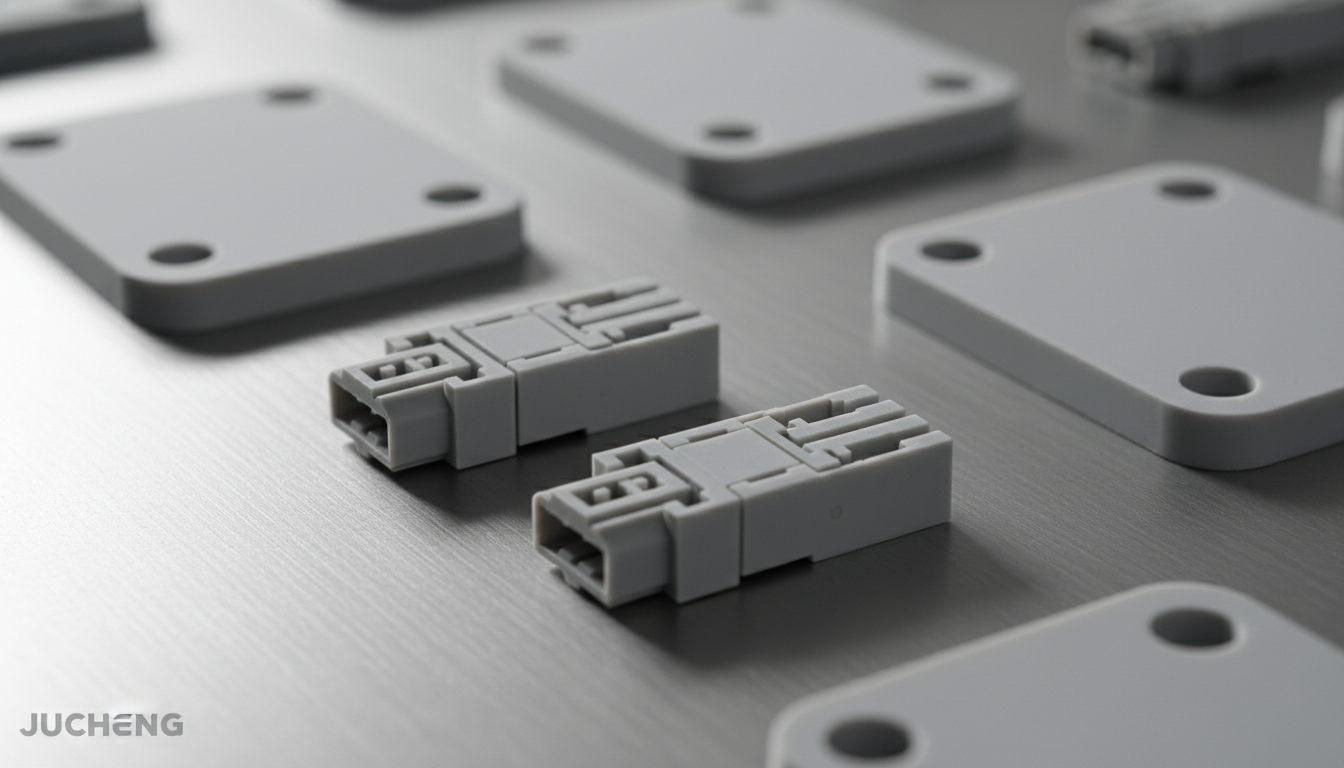
Polyphenylene Sulfide (PPS)

Polyphenylene Sulfide (PPS) is a semi-crystalline high-performance polymer prized for its continuous operating temperature up to 200°C, outstanding chemical insolubility, inherent flame retardancy (UL 94 V-0), and extreme dimensional stability. At Jucheng Precision, an ISO 9001, ISO 13485, and IATF 16949 certified manufacturer, we specialize in high-precision PPS molding, particularly 40% glass-fiber and mineral-filled grades. Utilizing 35+ advanced molding presses (50-650T) and 25+ in-house 5-axis CNC machines, we control PPS’s high fluidity and susceptibility to flashing. We offer a free DFM analysis within 24 hours to optimize parting lines and venting, ensuring zero-flash parts verified by Zeiss CMM inspection.

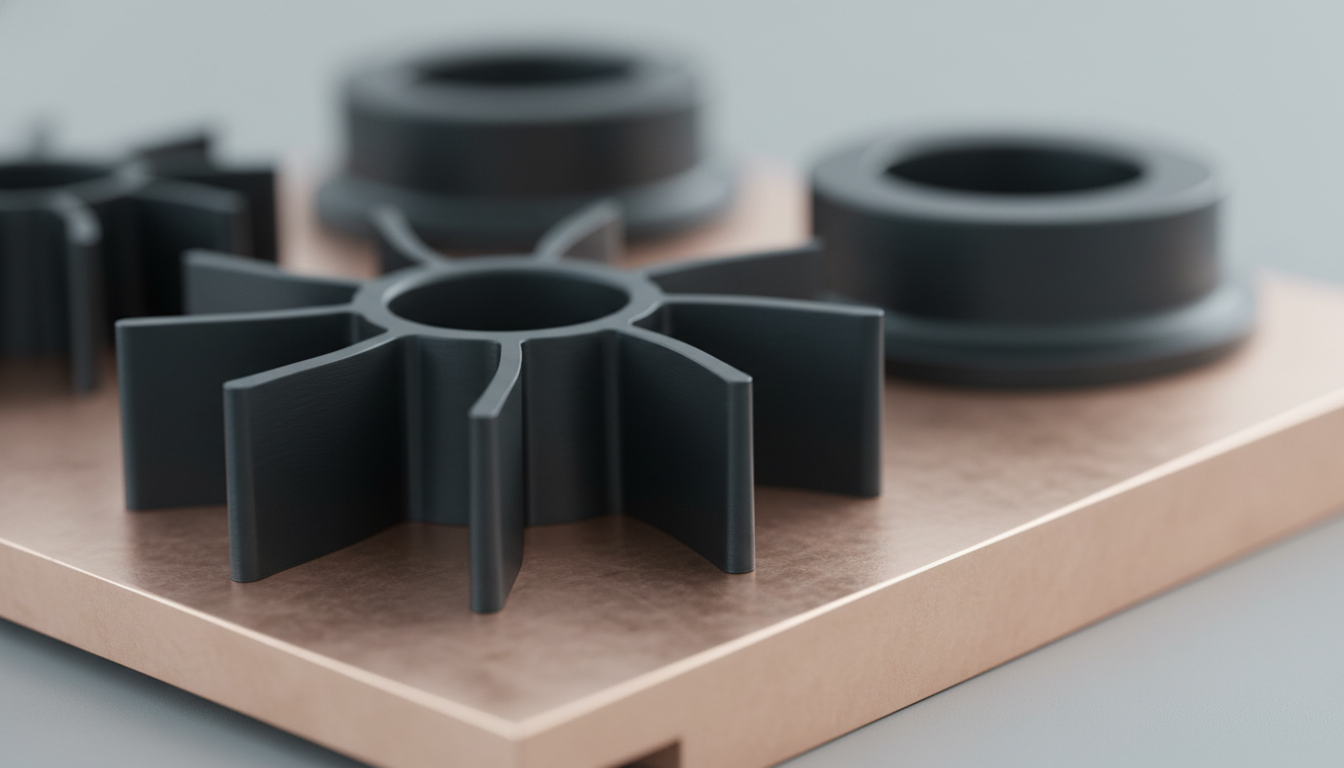
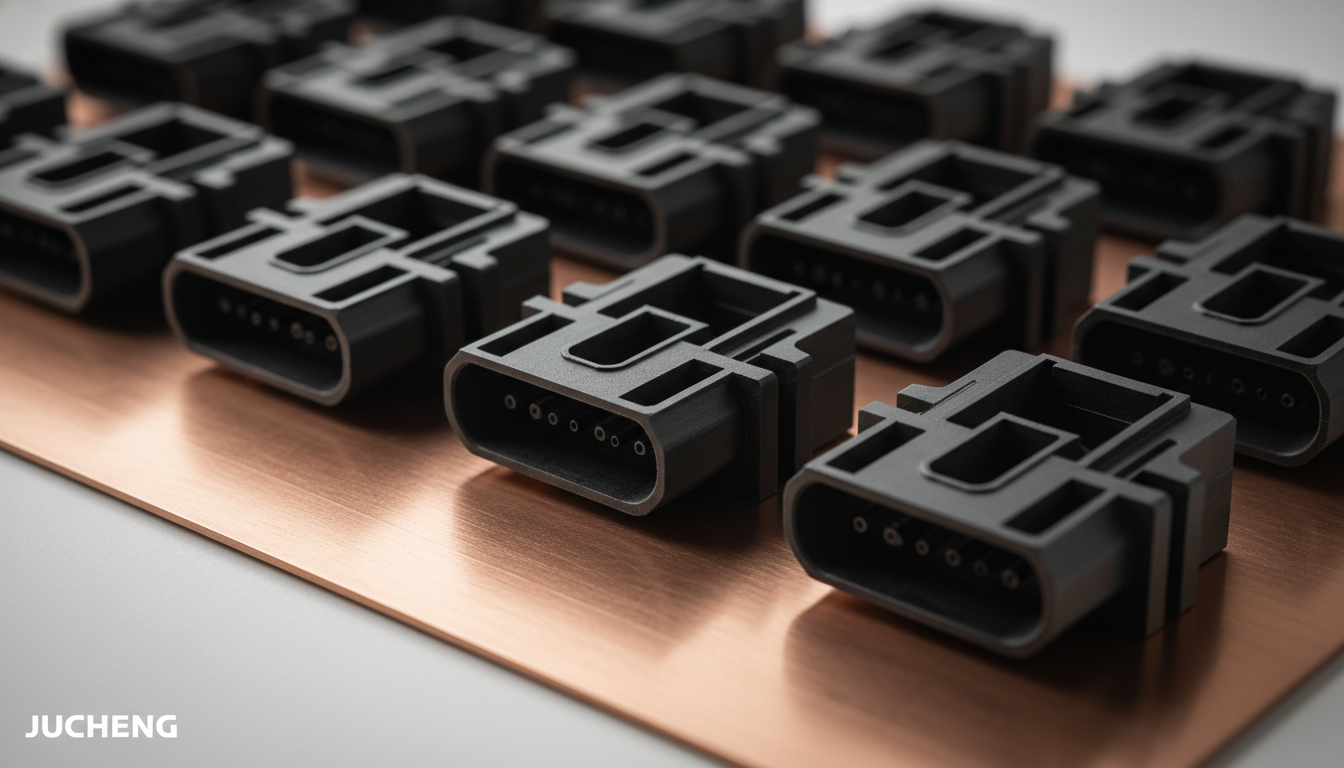
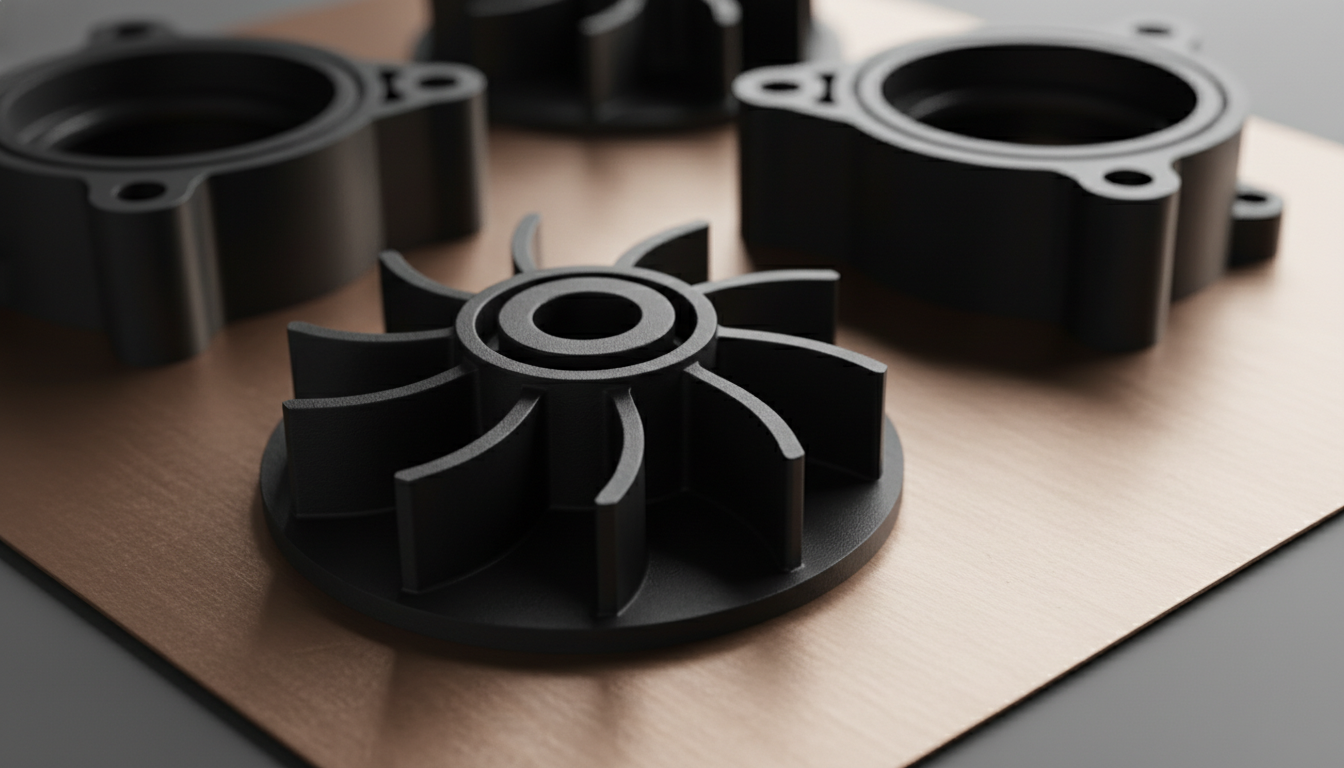
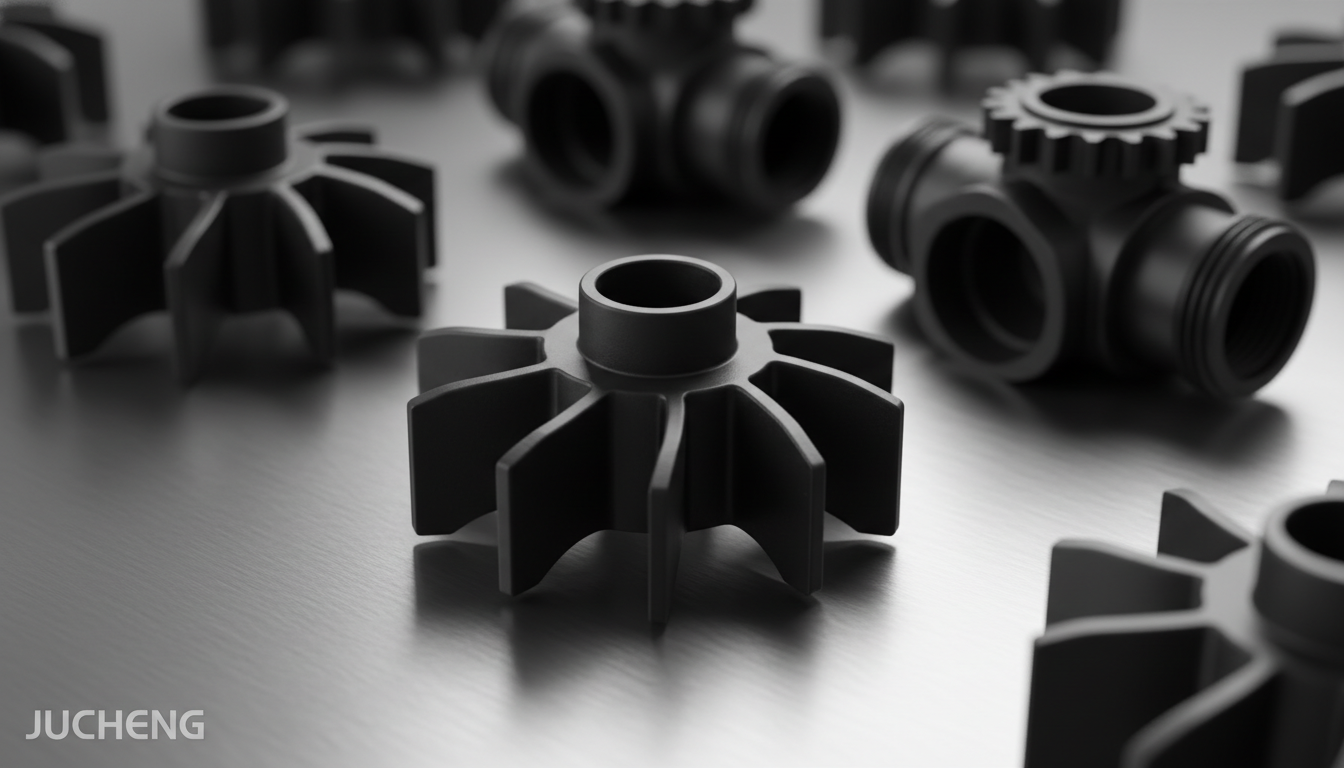
Precision-injection-molded-black-40-glass-filled-PPS-water-pump-impellers-and-connector-housings-1

Our available materials

PPS-Celanese Fortron 1140L4

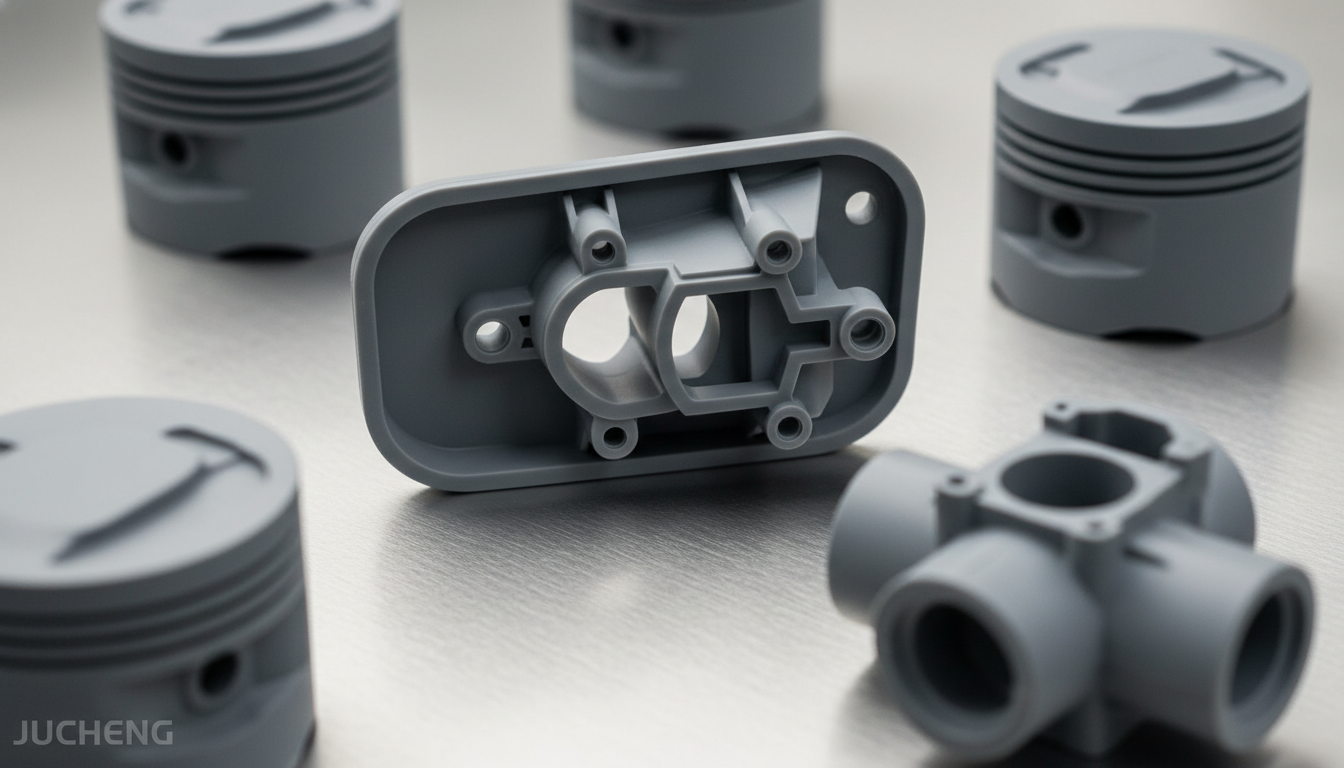
For high-density microelectronics and SMT components that must survive lead-free reflow soldering temperatures up to 260°C without dimensional drift, Celanese’s Fortron 1140L4 provides a revolutionary solution. This 40% glass fiber reinforced linear PPS grade is uniquely formulated to minimize the flashing defects common to highly fluid polymers, offering exceptionally low melt viscosity and high structural weld strength. At Jucheng Precision, an ISO 9001 and IATF 16949 certified facility, we specialize in high-precision molding of Fortron 1140L4. Backed by 35+ advanced injection presses and five-axis CNC-machined S136 stainless steel molds, we control its anisotropic shrinkage (0.15%-0.5%) and manage volatile outgassing, delivering zero-defect components verified by Zeiss CMM.
READ MORE

PPS-Celanese Fortron 6165A6

To replace heavy die-cast metal, ceramics, and thermosets in severe operating environments where absolute flat dimensions and low structural warpage under load are critical, Celanese’s Fortron 6165A6 offers a specialized 65% mineral and glass fiber reinforced, linear polyphenylene sulfide (PPS) matrix. Featuring an elevated density of 1.95 g/cm³ and a heat deflection temperature (HDT) of 270°C, this easy-flow grade delivers a massive flexural modulus of 19,000 MPa and excellent dimensional stability under high continuous stress. Jucheng Precision, under IATF 16949 and ISO 9001 frameworks, specializes in precision molding of Fortron 6165A6. Utilizing five-axis CNC-machined H13 toolings, we manage its high filler loading to deliver pristine components verified by Zeiss CMM.

READ MORE

PPS-Polyplastics Durafide 1140A6

Replacing die-cast aluminum and brass in severe, high-temperature automotive cooling and fluid-handling systems requires exceptional weld strength and chemical resistance, which Polyplastics’ Durafide 1140A6 delivers through its 40% glass fiber reinforced linear polyphenylene sulfide (PPS) matrix. Featuring a density of 1.66 g/cm³ and a heat deflection temperature (HDT) of 270°C, this high-stiffness grade provides a massive flexural modulus of 14,000 MPa and excellent resistance to hot water and glycols. Jucheng Precision, operating under IATF 16949 and ISO 9001 frameworks, specializes in molding Durafide 1140A6. Utilizing 5-axis CNC-machined H13 steel toolings, we manage its low-viscosity flash tendencies (gaps < 0.005mm) to deliver pristine parts verified by Zeiss CMM.

READ MORE

PPS-Solvay Ryton CF30

Sustaining extreme dynamic wear resistance, mechanical stiffness, and chemical inertness in harsh industrial and aerospace environments without adding weight requires a premier structural composite, which Syensqo’s Ryton CF30 (formerly Solvay) delivers through its 30% carbon fiber reinforced polyphenylene sulfide (PPS) matrix. Featuring an optimized density of 1.45 g/cm³ and a heat deflection temperature (HDT) of 265°C, this high-performance grade provides a massive tensile modulus of 21,000 MPa alongside inherent electrostatic dissipation (ESD). Jucheng Precision, under IATF 16949 and ISO 9001 frameworks, specializes in precision molding of Ryton CF30. Utilizing 5-axis CNC-machined S136 stainless steel toolings, we control its anisotropic shrink variables (0.1%-0.3%) to deliver dynamic sliding components verified by Zeiss CMM.

READ MORE

PPS-Solvay Ryton R-4-200

To maintain stable dielectric insulation and extreme mechanical rigidity under high-voltage EV and severe under-the-hood thermal loads, Syensqo’s Ryton R-4-200 stands as the premier 40% glass fiber reinforced polyphenylene sulfide (PPS) compound. Featuring a high specific gravity of 1.68 and an exceptional heat deflection temperature of 265°C, this high-performance grade achieves an outstanding UL 94 V-0 and 5VA flammability rating at 1.6mm. Jucheng Precision, under IATF 16949 and ISO 9001 quality systems, specializes in high-precision molding of Ryton R-4-200. Utilizing S136 stainless steel tooling and pressurized oil mold heating, we control its anisotropic shrinkage (0.2%-0.5%) to deliver flash-free electrical components verified by Zeiss CMM.

READ MORE

PPS-Toray Torelina A504FG

Substituting heavy brass and die-cast aluminum in modern high-temperature automotive cooling systems and dynamic pump assemblies without compromising dimensional stability requires an elite composite, which Toray’s TORELINA™ A504FG delivers. This 40% glass fiber reinforced polyphenylene sulfide (PPS-GF40) grade provides an exceptional tensile modulus of 14,500 MPa and an extreme heat deflection temperature (HDT) of 265°C, ensuring near-zero thermal expansion under load. Jucheng Precision, operating under IATF 16949 and ISO 9001 quality systems, specializes in high-precision injection molding of Torelina A504FG. Supported by five-axis CNC-machined H13 steel toolings, we manage its low-viscosity flash tendencies (parting line gaps under 0.005mm) and prevent floating fibers, ensuring structurally flawless components verified by Zeiss CMM.

READ MORE

Comprehensive PPS Grades & Brands We Mold

We process high-rigidity, high-temperature PPS formulations from world-renowned producers, supporting strict tolerances and extreme thermal environments:

PPS Material Class Typical Brand & Grade Key Characteristics & Advantages
Glass-Fiber Reinforced (GF) • Toray Torcon 1140-A6 / 1140-T6 (40% GF)
• Celanese Fortron 1140L4 (40% GF)
• Solvay Ryton R-4-200 / R-4-220 (40% GF)
• DIC.PPS FZ-1140 (40% GF)
Exceptional tensile and flexural strength, outstanding creep resistance, low water absorption, and chemical insolubility under 200°C. Perfect for automotive cooling systems, pump impellers, and high-load electrical parts.
Mineral & Glass Filled • Celanese Fortron 6165A6 (65% GF/MF)
• Solvay Ryton R-7-120 (65% GF/MF)
• DIC.PPS FZ-6600
Maximum dimensional stability, extremely high compressive strength, superior heat deflection temperature, and excellent tracking resistance (electrical). Used in switches, bobbins, and heater cores.
Wear Resistant & Tribological • Toray Torcon 1430-D5
• Solvay Ryton Wear-Resistant Custom Compounds
Modified with carbon fiber, PTFE, or graphite lubricants to reduce the friction coefficient and increase wear resistance. Suited for bearing bushings, valve seats, and sliding pistons.

Applicable Molding Processes for PPS

PPS has excellent melt fluidity, but its high mineral/fiber load requires strict control of tooling structures:

Molding Process Process Suitability & Application
Standard Injection Molding Excellent. Highly optimized for chemical-resistant flow valves, industrial pump housings, boiler components, and large automotive grilles.
Thin-Wall Molding High. PPS’s superior fluidity (low viscosity) enables high-pressure injection into thin-walled electronic connector slots and bobbin walls.
Insert Molding Excellent. Widely applied in the automotive electronics sector to mold delicate copper pins and brass bushings directly within rigid PPS sensor housings.

Polyphenylene Sulfide (PPS) Injection Molding Guide

PPS’s high fluidity makes it highly susceptible to flashing, while its semi-crystalline structure demands rigorous mold temperature control:

  • Pre-Drying: While PPS has low water absorption, we dry raw resin at 120°C–140°C (248°F–284°F) for 3–4 hours. This eliminates surface splay and prevents weld-line micro-voids, securing cosmetic and physical perfection.
  • Melt Temperature: Set between 295°C and 330°C (563°F to 626°F). Processing temperatures must not exceed 350°C to prevent thermal degradation and outgassing.
  • Critical Mold Temperature: Pressurized oil heaters are mandatory to keep mold temperatures at 120°C–150°C (248°F to 302°F). Low mold temperatures (below 90°C) prevent correct crystalline formulation, severely degrading structural rigidity and heat deflection properties.
  • Micron-Level Flash Control: Due to PPS’s low melt viscosity, flash can occur even at mold gaps as small as 0.01mm. Jucheng’s in-house tooling division uses 5-axis CNC machines to achieve ultra-tight tolerances (parting line clearances within 0.005mm) to secure zero-flash parts.
  • Low Shrinkage: Volumetric shrinkage is exceptionally low (typically 0.2% to 0.5% for GF40 grades). The extremely high dimensional stability makes PPS an ideal replacement for aluminum castings.

Key Application Industries for Molded PPS Components

  • Automotive Under-the-Hood (IATF 16949 Certified): Water pump impellers, thermostat housings, heater valves, cooling fluid pipes, throttle bodies, and fuel injection systems.
  • Electrical & Electronic Hardware: High-density connectors, coil bobbins, micro-switches, relay sockets, transistor packages, and semiconductor test sockets.
  • Fluid & Chemical Handling: Chemical chemical pump housings, boiler water mixing valves, gas flow meters, hot-water pump gears, and high-pressure gaskets.
  • Aerospace Structural Fittings: Lightweight brackets, electrical harness connectors, interior structural brackets, and aerospace sensor housings.

Material Properties

Density (40% GF) 1.65 - 1.68 g/cm³
Tensile Strength at Yield (40% GF) 140 - 180 MPa
Tensile Elongation at Break 1.0 - 2.5 %
Flexural Modulus (40% GF) 13,000 - 15,000 MPa
Izod Impact Strength (Notched, 23°C) 70 - 110 J/m
Melting Temperature 280 - 285 °C
Heat Deflection Temperature (HDT @ 1.8 MPa) 260 - 275 °C
Linear Mold Shrinkage 0.15 - 0.45 %
Dielectric Strength 18 - 22 kV/mm
Volume Resistivity 1.0E+16 Ohm·cm
Maximum Part Size 800 x 600 mm
Minimum Part Size 1 x 1 mm