
Encapsulating fragile electronic assemblies, printed circuit boards (PCBs), and delicate micro-sensors requires packaging that limits mechanical loads. Higher-pressure thermoplastic molding can damage exposed gold wire bonds and delicate surface-mount components, depending on the assembly and process. Liquid epoxy two-part potting provides gentle encapsulation, but long curing times extending across hours severely restrict daily manufacturing throughput. This technical guide reviews solvent-free hot melt processing, low-stress clamping mechanics, and environmental sealing standards.
Mục lục
Bao Bọc Keo Nóng Chảy Polyamide cho Bảng Mạch PCB, Cảm Biến & Bó Dây
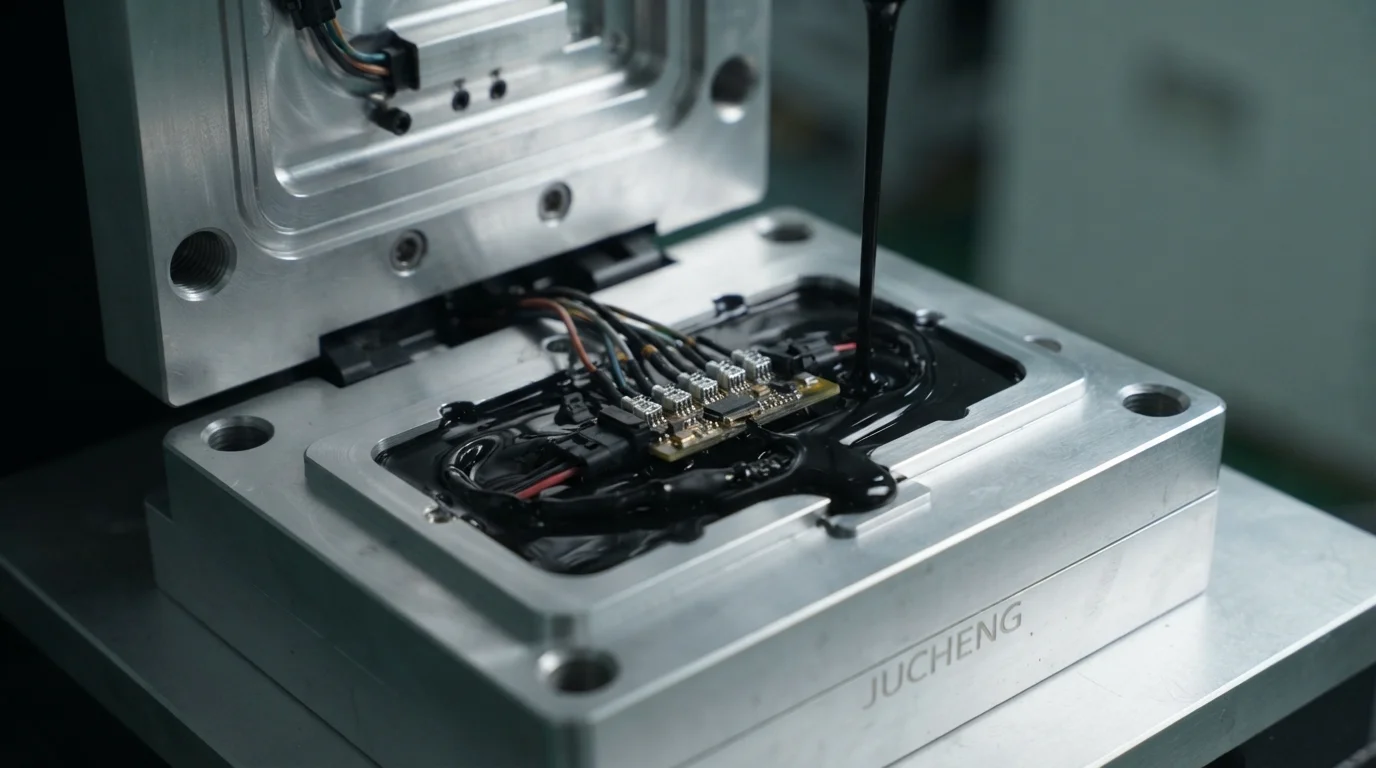
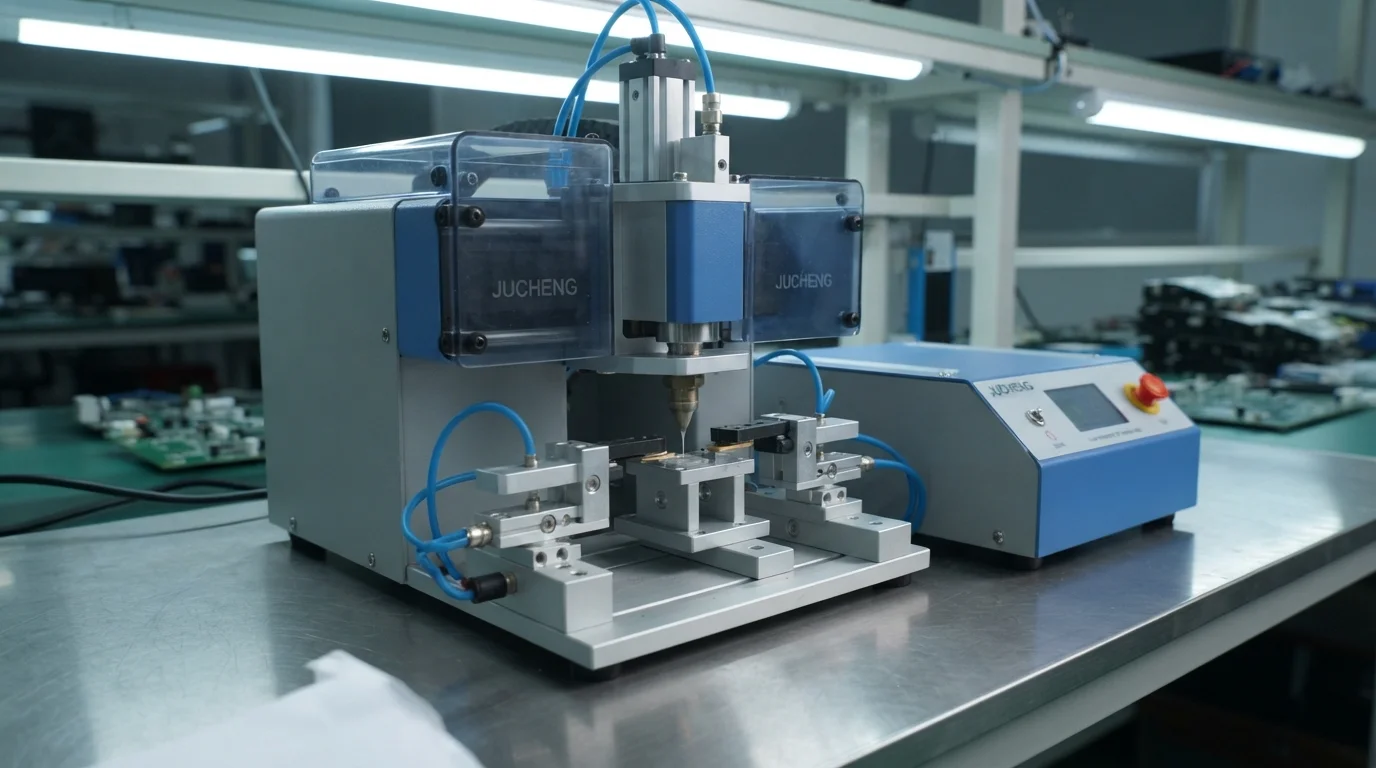
Thực hiện nhẹ nhàng đúc áp suất thấp sử dụng nhựa polyamide nóng chảy (PA) resins to encapsulate sensitive electronics safely. Injection pressures from 1.5 to 3.0 MPa can reduce mechanical loads on fragile solder joints. Processing temperatures between 190°C and 230°C may be used for some dimer-acid-based polyamides; check the selected grade and verify thermal exposure on the actual circuit board. Single-component dimer polyamides flow freely into complex housing geometries, forming a seamless dielectric jacket. Solidifying within 15 to 45 seconds accelerates assembly speeds compared to liquid potting techniques.
Các bước xử lý bao bọc áp suất thấp bao gồm:
- Cấp keo nóng chảy áp suất thấp—Pumping low-viscosity hot melt resin at 1.5 to 3.0 MPa can reduce mechanical loads on surface-mount components; check the actual assembly.
- Tản nhiệt khuôn nhôm—Việc sử dụng các dụng cụ nhôm nhẹ giúp làm nguội nhanh chóng khối polyamide nóng chảy, giảm thiểu thời gian tiếp xúc nhiệt.
- Đóng gói trực tiếp vỏ hộp—Việc bơm nhựa trực tiếp lên các bảng mạch điện tử lộ ra ngoài giúp loại bỏ nhu cầu sử dụng vỏ nhựa bên ngoài riêng biệt.
- Đông đặc vật lý nhanh chóng—Việc làm nguội polyamide nóng chảy trong vòng 30 giây cho phép xử lý và kiểm tra điện ngay lập tức ở các công đoạn tiếp theo.
Bảo vệ các linh kiện điện tử dễ tổn thương khỏi áp suất, độ ẩm và rung động
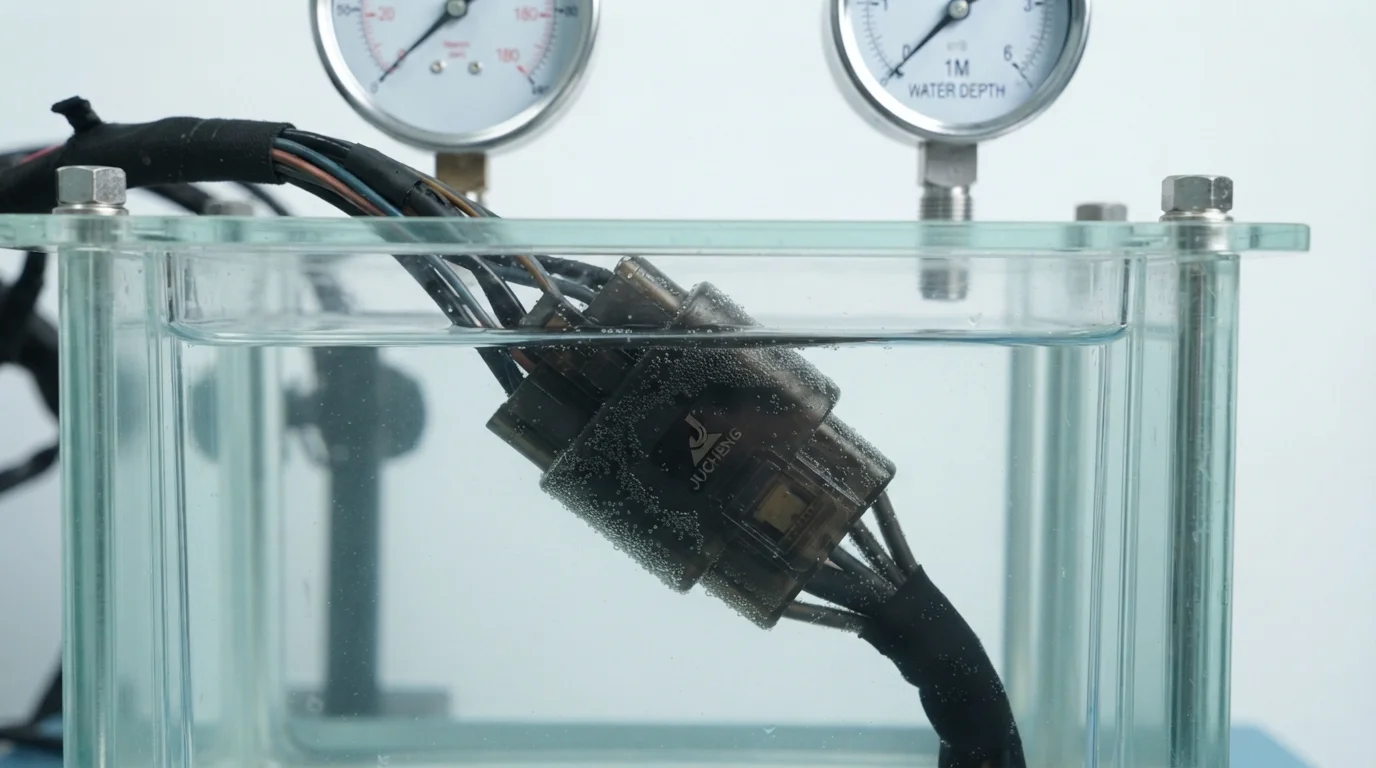
IP67 and IP68 describe the ingress protection of a tested finished enclosure, not a property of low pressure molding. Hot melt adhesion depends on the grade and the actual PCB, cable jacket and connector materials, such as polycarbonate (PC) or PVC. Check sealing at interfaces on the finished assembly, and evaluate salt spray and automotive-fluid exposure separately where relevant. Elastic properties inherent in hot melt materials absorb mechanical road vibration and prevent flex fatigue along cable strain relief zones. Deploying low pressure molding for electronic sensors safeguards sensitive internal components against thermal shock and mechanical impact.
Đúc phủ chống nước IP67 với ứng suất nhiệt thấp
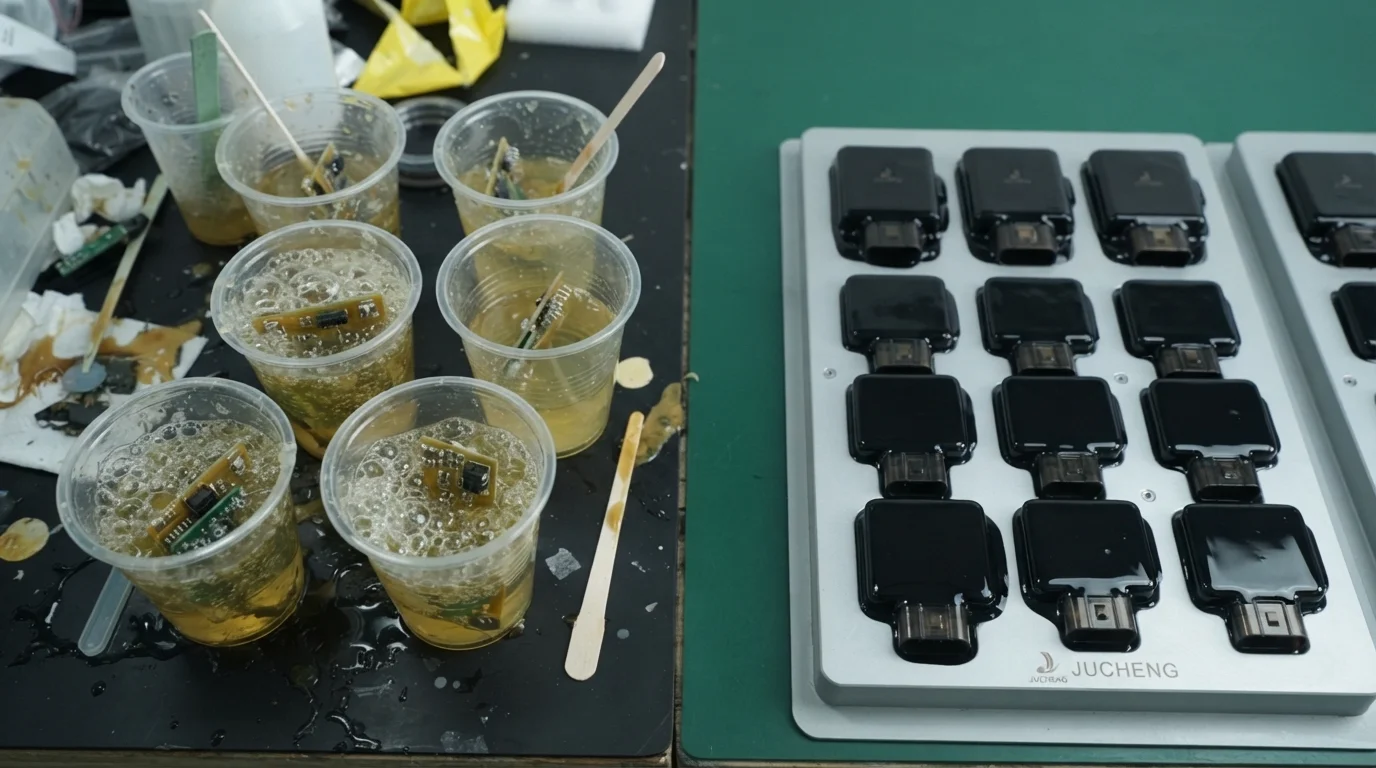
For an IP67 overmolding target, compare low-pressure hot melt and two-part epoxy potting on processing needs and test results for finished assemblies. Liquid potting requires multi-station curing racks, expensive mixing nozzles, and toxic chemical handling procedures that complicate cleanroom operations. Hot melt polyamides are non-toxic, solvent-free thermoplastics that melt and cool through purely physical state changes. Zero curing time eliminates inventory bottlenecks, while low clamp-force machines dramatically cut tooling equipment costs. Low pressure molding can limit mechanical loads during sensor encapsulation, but ingress protection and acceptable thermal exposure must be demonstrated on the finished assembly.
| Công nghệ đóng gói | Áp suất phun (MPa) | Thời gian chu kỳ xử lý | Xếp hạng niêm phong môi trường | Rủi ro hư hỏng mối hàn dây |
|---|---|---|---|---|
| Đúc áp suất thấp (PA nóng chảy) | 1,5 – 3,0 MPa | 15 – 45 Giây | Test finished enclosure | Lower molding loads possible; verify bonds |
| Đổ keo epoxy lỏng truyền thống | 0,1 – 0,5 MPa (Trọng lực/Thấp) | 2 – 24 Giờ (Đóng rắn hóa học) | Test finished enclosure | Depends on fill and cure; verify bonds |
| Phun áp suất cao tiêu chuẩn | 50 – 150 MPa | 30 – 60 Giây | Test finished enclosure | Higher molding loads possible; verify bonds |
Các câu hỏi thường gặp (FAQ)
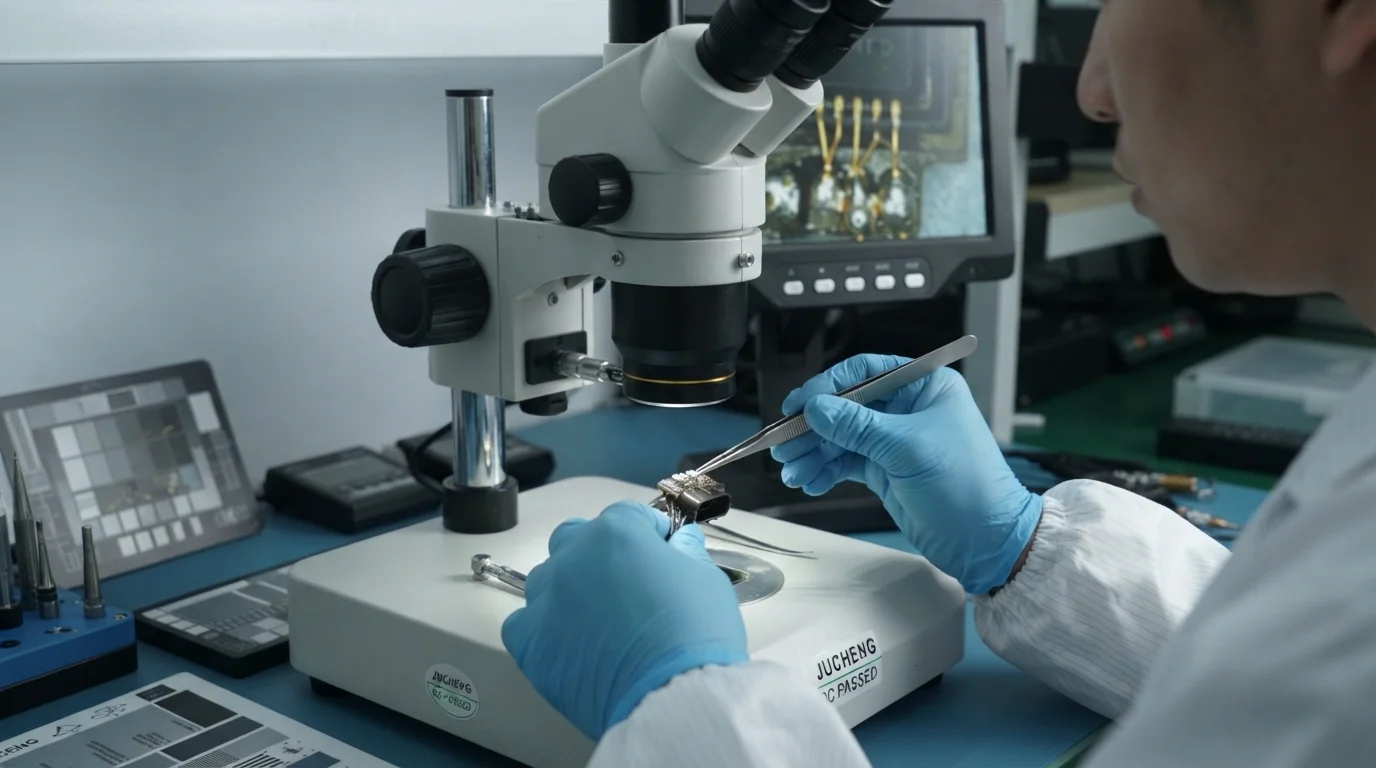
Tại sao đúc áp suất thấp không làm hỏng các mối liên kết dây vàng mỏng manh trên PCB?
Low pressure molding operates at injection pressures between 1.5 and 3.0 MPa, which is vastly lower than standard injection pressures exceeding 80 MPa. Lower pressure and a low-viscosity melt can reduce loads on exposed joints and wires, but do not eliminate the risk of damage. Verify bond integrity and electrical function on representative assemblies after molding, and check the thermal exposure of sensitive components.
Sự khác biệt giữa đúc kín polyamide nóng chảy và đổ keo truyền thống là gì?
Đổ keo truyền thống rót epoxy hai thành phần dạng lỏng hoặc polyurethane vào vỏ nhựa ngoài đã đúc sẵn, cần vài giờ để đóng rắn hóa học. Đúc áp suất thấp phun polyamide nóng chảy không dung môi trực tiếp lên linh kiện điện tử, đóng vai trò vừa là vỏ vừa là lớp niêm phong. Làm nguội vật lý hoàn tất trong vòng 30 giây, loại bỏ chi phí vỏ ngoài và tăng tốc thông lượng sản xuất.
Cảm biến đúc áp suất thấp có thể vượt qua thử nghiệm ngâm nước IP67 không?
They can pass if the finished assembly meets the applicable IEC 60529 tests, including its cable exits and connectors as installed. Adhesion after thermal cycling depends on the resin grade, substrates and service profile. If service calls for cycling between -40°C and 125°C, validate that requirement on representative assemblies rather than assuming the bond will hold.