
Việc lập ngân sách cho các bộ phận polymer đa vật liệu đòi hỏi phải cân bằng giữa đầu tư phát triển khuôn ban đầu và kinh tế sản xuất linh kiện với khối lượng lớn. Các nhà quản lý mua hàng và giám đốc kỹ thuật thường gặp phải cú sốc về chi phí vốn khi xem xét báo giá khuôn ban đầu cho khuôn quay hai lần (dual-shot rotary molds). Việc đánh giá sản xuất đa lần ép chỉ dựa trên chi phí khuôn ban đầu sẽ tạo ra một bức tranh tài chính sai lệch, bỏ qua việc giảm đáng kể chi phí nhân công lắp ráp thứ cấp.
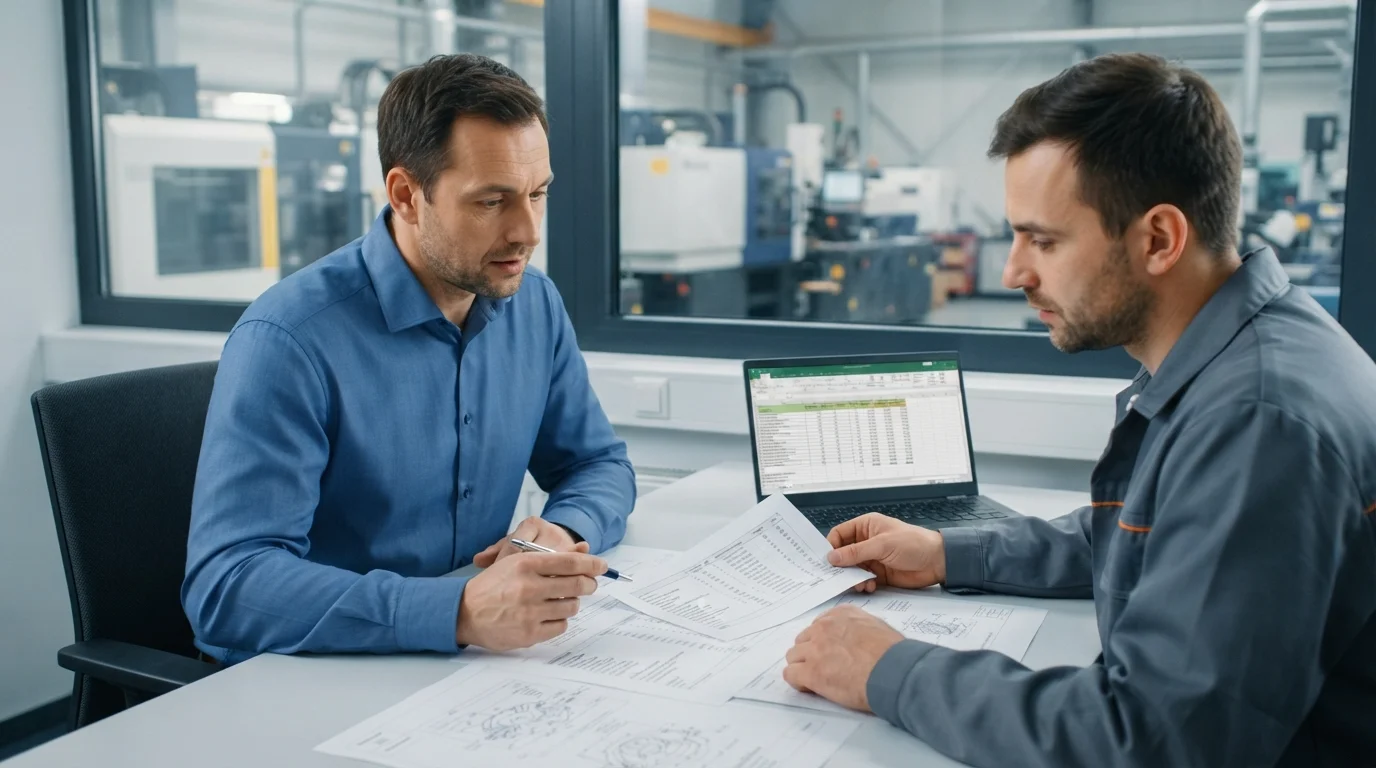
Hiểu cách xử lý tự động trong một chu kỳ giúp loại bỏ việc dán thủ công, hàn siêu âm và xử lý phế liệu cho phép các nhóm tính toán thời gian hoàn vốn chính xác. Hướng dẫn kỹ thuật thương mại này phân tích các yếu tố chi phí kỹ thuật không lặp lại (NRE) của khuôn, đường cong hòa vốn theo khối lượng và các phương pháp giảm chi phí DfM thực tế.
Đầu tư khuôn mẫu (khuôn quay 2K) so với tiết kiệm nhân công lắp ráp
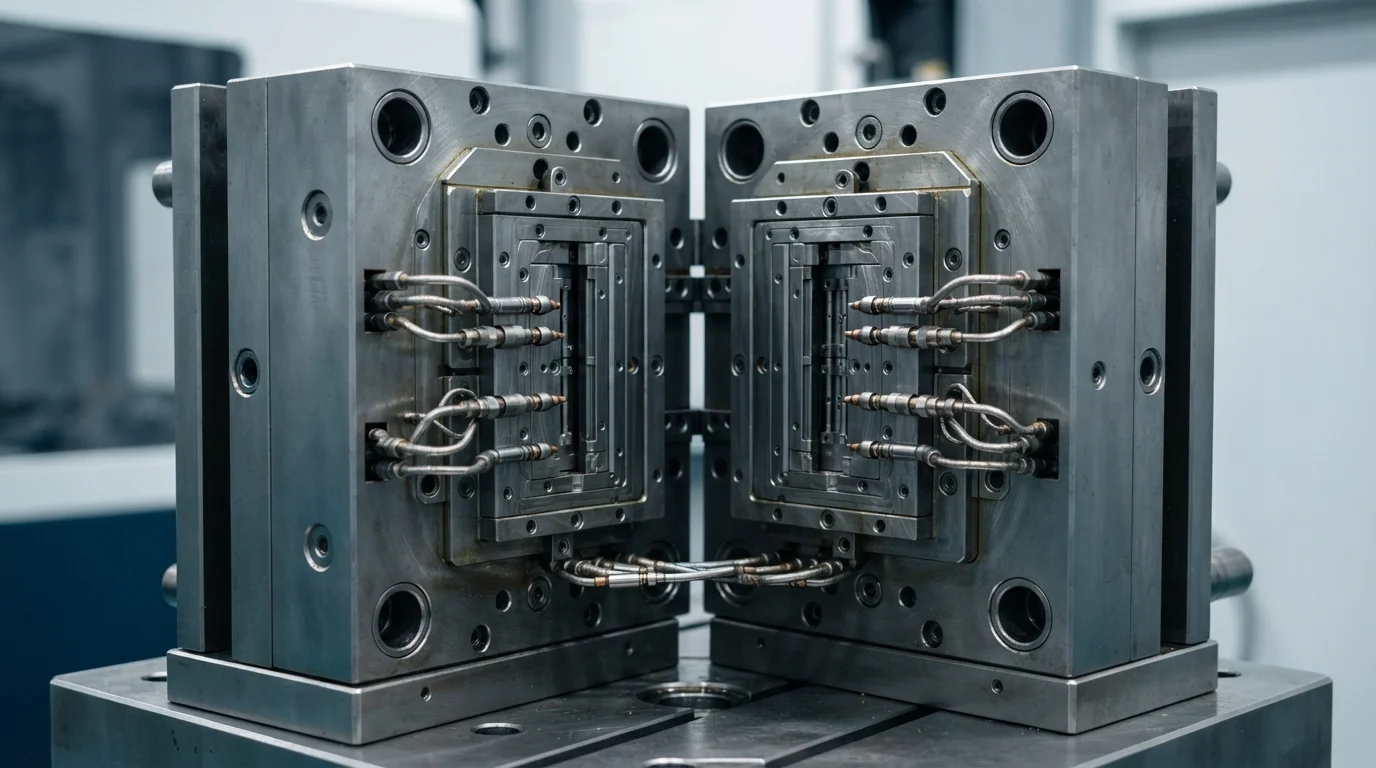
Ước tính chi phí ép phun hai lần đòi hỏi phải cân bằng giữa cam kết vốn ban đầu và chi phí nhân công lặp lại cho từng bộ phận. Việc chế tạo khuôn quay 2K tùy chỉnh đòi hỏi các đế khuôn phức tạp được trang bị cơ cấu bàn xoay chỉ mục 180 độ, các ống dẫn nhựa nóng kép và các van đóng mở khoang độc lập. Chi phí NRE ban đầu cho khuôn thường dao động từ $25.000 đến $75.000+, thể hiện ngưỡng vốn cao hơn so với khuôn ép phun vật liệu đơn tiêu chuẩn.
Tuy nhiên, xử lý 2K trong một máy ép duy nhất mang lại chi phí thấp hơn đáng kể chi phí đơn vị sản phẩm trong sản xuất hàng loạt khối lượng lớn. Việc loại bỏ lắp ráp phụ thủ công, bảo trì đồ gá và nhân công kiểm tra giúp thu hồi vốn đầu tư khuôn mẫu ban đầu nhanh chóng khi sản lượng tăng.
Khối lượng hòa vốn: Khi nào ép phun 2K trở nên rẻ hơn ép phủ?
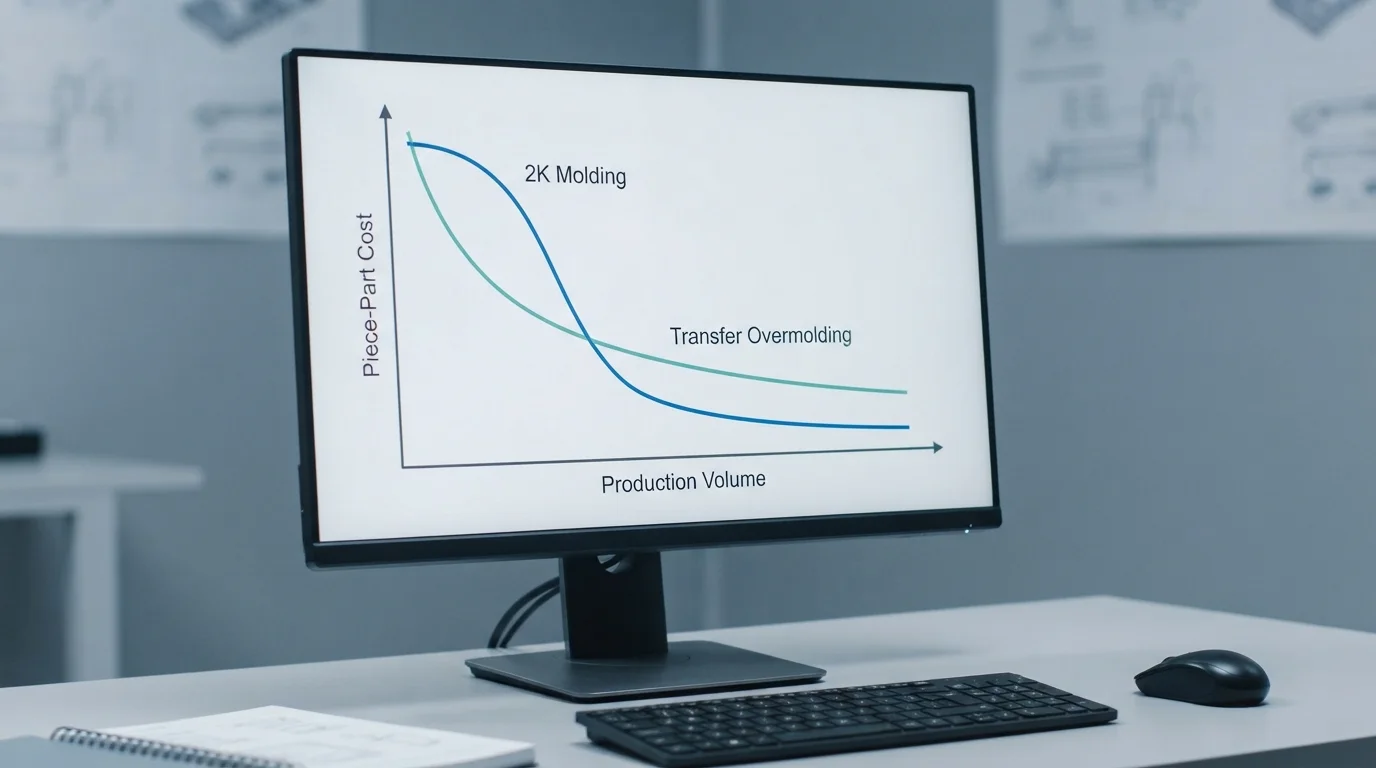
Phân tích động lực chi phí ép phun hai thành phần theo các mức khối lượng cho thấy rõ ràng ngưỡng khối lượng hòa vốn. Ép phủ chuyển hai bước vẫn kinh tế cho khối lượng thấp đến trung bình từ 1.000 đến 20.000 đơn vị vì vốn đầu tư khuôn mẫu ban đầu thấp hơn. Sản lượng hàng năm vượt quá 50.000 đơn vị đánh dấu điểm bước ngoặt tài chính khi ép quay 2K trở nên rẻ hơn đáng kể.
Ép khung cứng polycarbonate (PC) và gioăng mềm TPE trong một chu kỳ máy ép 2K duy nhất giúp giảm thời gian chu kỳ 40%. Bảng 1 dưới đây phác thảo mô hình tổng chi phí sản xuất theo các mức khối lượng hàng năm khác nhau:
| Sản lượng hàng năm | Chi phí ép phủ chuyển hai bước | Chi phí ép hai thành phần (2K) một máy ép | Chi phí mỗi sản phẩm (2K so với chuyển) | Quyết định sản xuất tối ưu |
|---|---|---|---|---|
| 5.000 đơn vị (Nguyên mẫu / Thử nghiệm) | $12.000 Tiền công cụ + $3,50/đơn vị (tổng $29.500) | $35.000 Tiền công cụ + $1,20/đơn vị (tổng $41.000) | +$2,30/chi tiết (2K đắt hơn) | Chọn Ép phun chuyển tiếp hai bước |
| 25.000 đơn vị (Mở rộng quy mô trung bình) | $15.000 Tiền công cụ + $2,80/đơn vị (tổng $85.000) | $38.000 Tiền công cụ + $1,00/đơn vị (tổng $63.000) | -$0,88/chi tiết (2K hòa vốn) | Chuyển sang Ép phun hai lần 2K |
| 100.000 đơn vị (Khối lượng lớn) | $20.000 Tiền công cụ + $2,40/đơn vị (tổng $260.000) | $42.000 Tiền công cụ + $0,65/đơn vị (tổng $107.000) | -$1,53/chi tiết (Tiết kiệm 58% tổng chi phí) | Ép phun hai lần 2K mang lại ROI tối đa |
Tối ưu hóa DfM để giảm ngân sách công cụ 2K
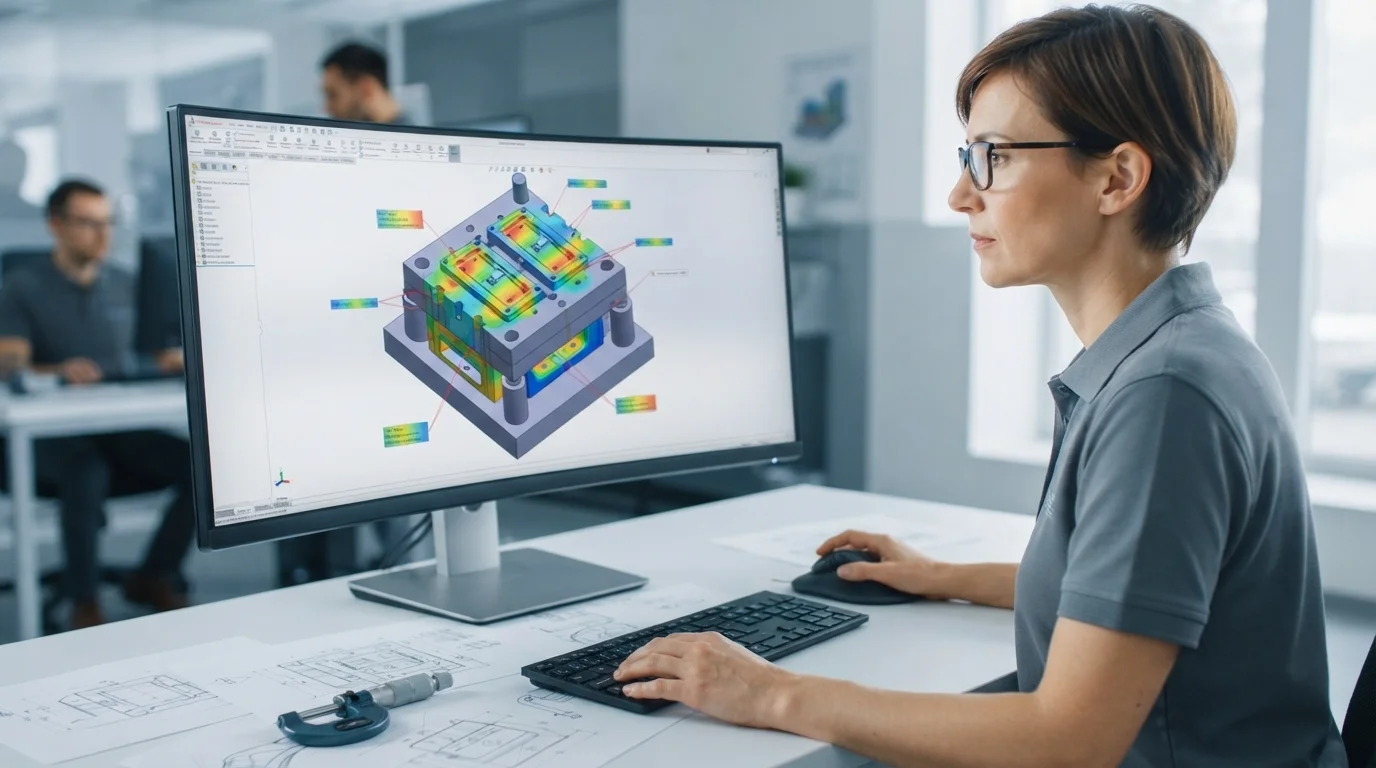
Triển khai các hướng dẫn kỹ thuật DfM chủ động trước khi cắt thép khuôn mang lại khoản tiết kiệm vốn đáng kể. Đơn giản hóa hình học vùng chặn kín bằng cách thiết kế vai niêm phẳng 90 độ giúp tránh gia công EDM theo đường viền 3D đắt đỏ. Thiết kế độ dày thành đồng đều trên cả hai lớp vật liệu giúp tránh độ trễ làm nguội cục bộ, tối đa hóa năng suất ép theo giờ.
Đánh giá các yếu tố chi phí ép phun hai lần trong quá trình mô hình hóa CAD giúp loại bỏ các thanh trượt tác động bên phức tạp, giảm độ phức tạp của khuôn xuống 20%.
Các quy tắc giảm chi phí dụng cụ cốt lõi bao gồm:
- Thiết kế chặn kín theo đường rút—Thiết kế các vùng chặn kín phẳng 90 độ giúp loại bỏ các cơ cấu trượt tác động bên phức tạp.
- Cân bằng độ dày thành—Duy trì độ dày thành đồng đều từ 1,5 mm đến 2,5 mm trên cả hai vật liệu giúp rút ngắn thời gian làm nguội chu kỳ.
- Hợp nhất vị trí cổng phun—Định vị các điểm phun kênh nóng đối xứng giúp cân bằng dòng chảy nóng chảy và giảm thiểu chi phí vùng ống góp.
- Đế khuôn quay tiêu chuẩn hóa—Sử dụng khung chính quay MUD tiêu chuẩn hóa giúp giảm chi phí mua tấm thép thô.
Tại sao chọn JUCHENG cho dụng cụ & ép phun 2K tiết kiệm chi phí
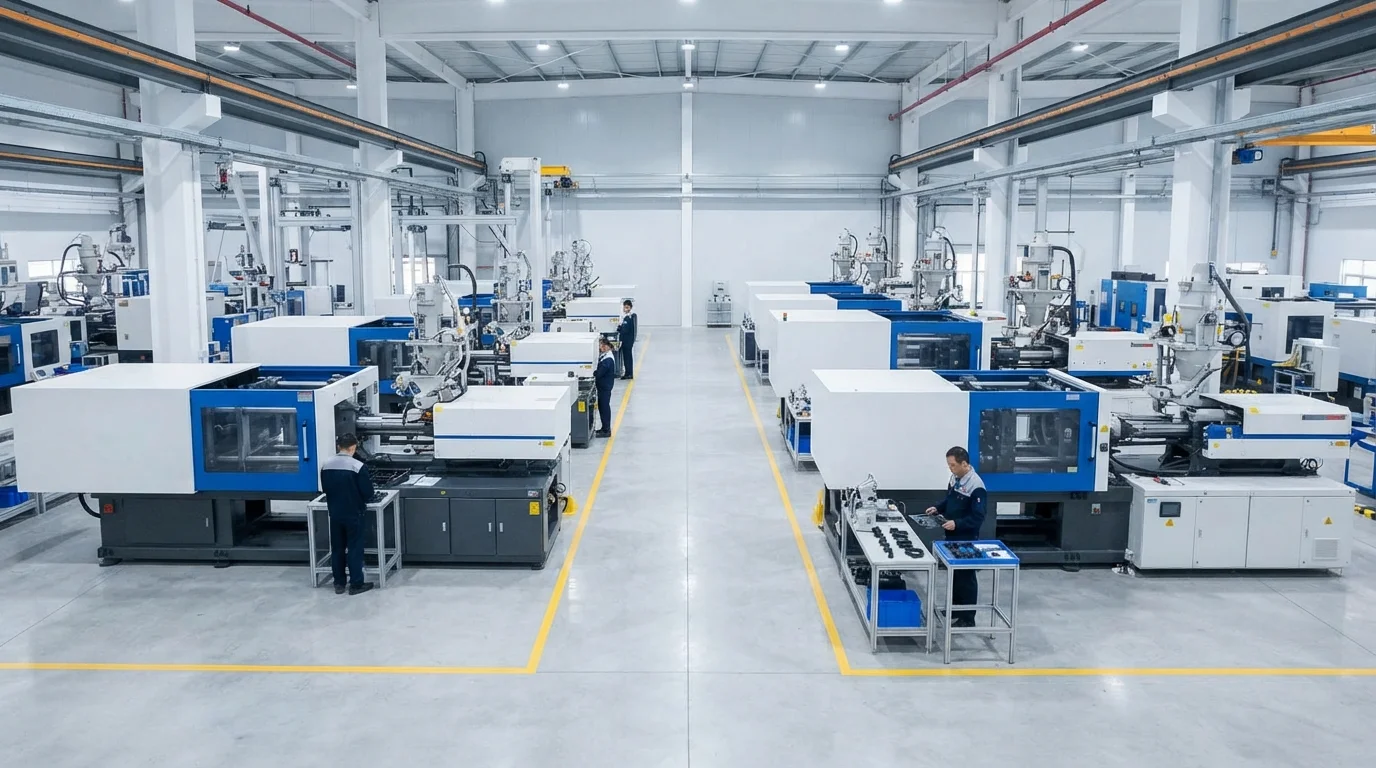
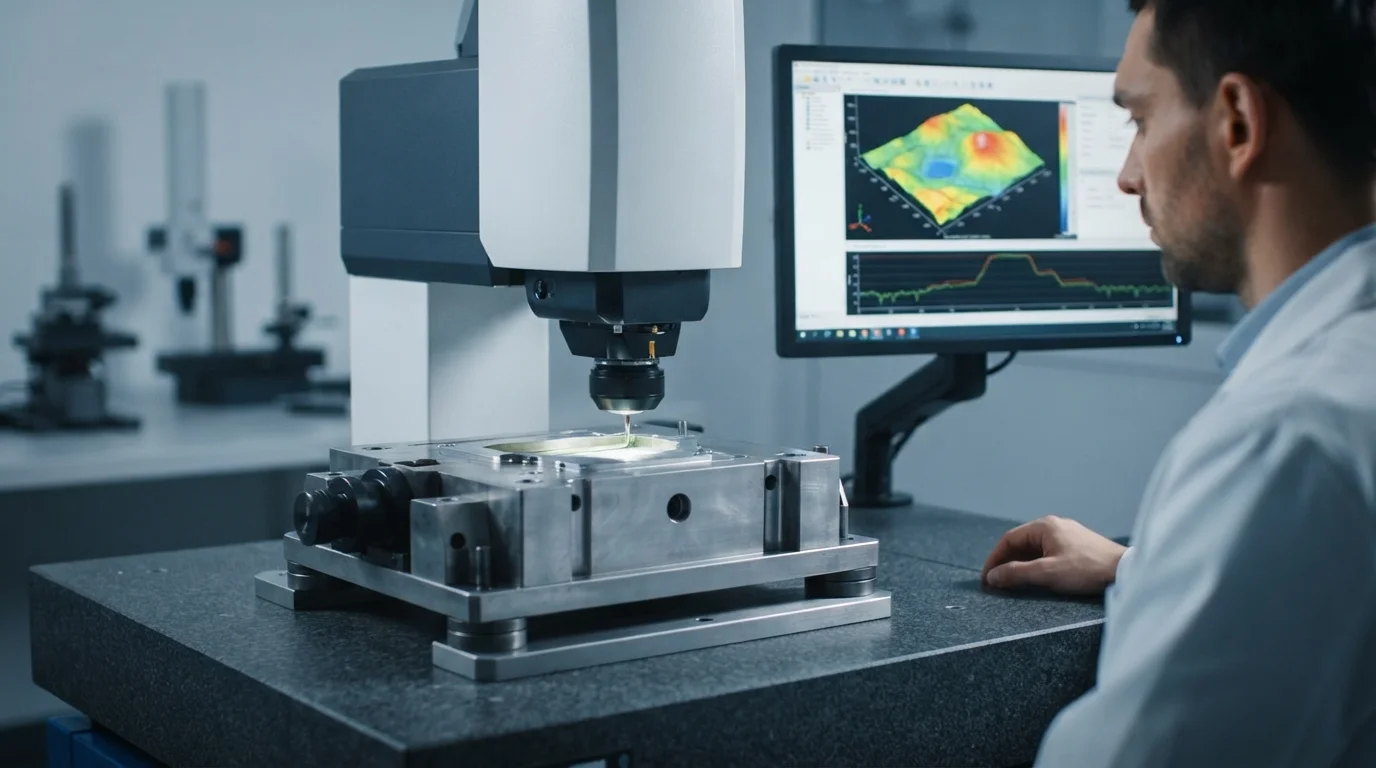
Hợp tác với JUCHENG mang lại quyền truy cập vào cơ sở sản xuất tiên tiến với hơn 35 máy ép phun tự động từ lực kẹp 15T đến 3000T. Vận hành xưởng dụng cụ nội bộ với 25 bộ máy CNC 5 trục giúp cắt lõi khuôn từ thép đã tôi cứng S136不锈钢 hoặc H13工具钢, đảm bảo làm kín không có ba via qua hơn 1.000.000 chu kỳ.
Đội ngũ kỹ thuật của chúng tôi cung cấp đánh giá DfM miễn phí trong 24 giờ cho mọi bản CAD gửi đến, phân tích độ dày thành của vật liệu nền, góc thoát khuôn và tính khả thi của bề mặt chặn trước khi cắt thép. Hệ thống quản lý chất lượng được chứng nhận IATF 16949 và ISO 13485 hỗ trợ mọi lô sản xuất ép nhiều vật liệu, cung cấp tài liệu PPAP Cấp 3 đầy đủ cho các chương trình ô tô. Đánh giá chi phí ép phun hai vật liệu giúp đội ngũ thu mua biện minh cho ROI của khuôn đối với ép phun hai thành phần.
Các câu hỏi thường gặp (FAQ)
Chi phí khuôn mẫu điển hình cho khuôn ép phun hai vật liệu 2K là bao nhiêu?
Chi phí khuôn mẫu cho khuôn ép phun hai vật liệu 2K thường dao động từ 25.000 USD đến hơn 75.000 USD tùy thuộc vào kích thước chi tiết, số lòng khuôn và độ phức tạp của cơ cấu quay. Chi phí khuôn ban đầu cao hơn được biện minh bằng thời gian chu kỳ ngắn hơn và không tốn nhân công lắp ráp thủ công thứ cấp.
Ép hai vật liệu giúp giảm chi phí sản xuất đơn vị của chi tiết như thế nào?
Ép hai vật liệu kết hợp hai lần ép vật liệu vào một chu kỳ máy tự động duy nhất. Loại bỏ việc chuyển chi tiết thủ công, dán keo thứ cấp, hàn siêu âm và nhân công phân loại giúp cắt giảm chi phí trực tiếp của chi tiết từ 30% đến 50% trong sản xuất khối lượng lớn.
Sản lượng sản xuất hòa vốn cho ép 2K so với ép phủ là bao nhiêu?
Điểm hòa vốn thường rơi vào khoảng 20.000 đến 50.000 đơn vị. Dưới 20.000 đơn vị, ép phủ chuyển hai bước tiết kiệm hơn do chi phí NRE khuôn ban đầu thấp hơn. Trên 50.000 đơn vị, ép quay 2K mang lại tiết kiệm tổng chi phí đáng kể.
Độ phức tạp của thiết kế chi tiết ảnh hưởng đến chi phí phát triển khuôn 2K như thế nào?
Đường phân chia 3D phức tạp, hốc âm sâu và bề mặt chặn có đường viền làm tăng thời gian phay CNC và chi phí chế tạo điện cực EDM. Thiết kế các bề mặt chặn phẳng 90 độ và các đặc điểm theo đường rút khuôn giúp việc chế tạo khuôn đơn giản và tiết kiệm.
Sử dụng nhựa tái nghiền có giúp giảm chi phí vật liệu sản xuất 2K không?
Pha trộn nhựa tái nghiền vào vật liệu nền cứng chính (như ABS hoặc PP) có thể giảm chi phí vật liệu từ 10% đến 20%. Tuy nhiên, lớp phủ đàn hồi thứ cấp (TPE/TPU) nên sử dụng vật liệu nguyên sinh để đảm bảo liên kết hóa học tối đa và ngăn ngừa hiện tượng bong tróc bề mặt.
Tại sao đánh giá DfM trong 24 giờ lại quan trọng để kiểm soát ngân sách khuôn 2K?
Thực hiện đánh giá DfM sớm phát hiện độ dày thành không đồng đều, góc nhọn và nhiễu bề mặt chặn khi mô hình CAD vẫn còn ở dạng kỹ thuật số. Sửa chữa hình học trước khi cắt thép khuôn giúp loại bỏ việc làm lại khuôn tốn kém, sửa đổi khuôn và chậm trễ khởi động dự án.