
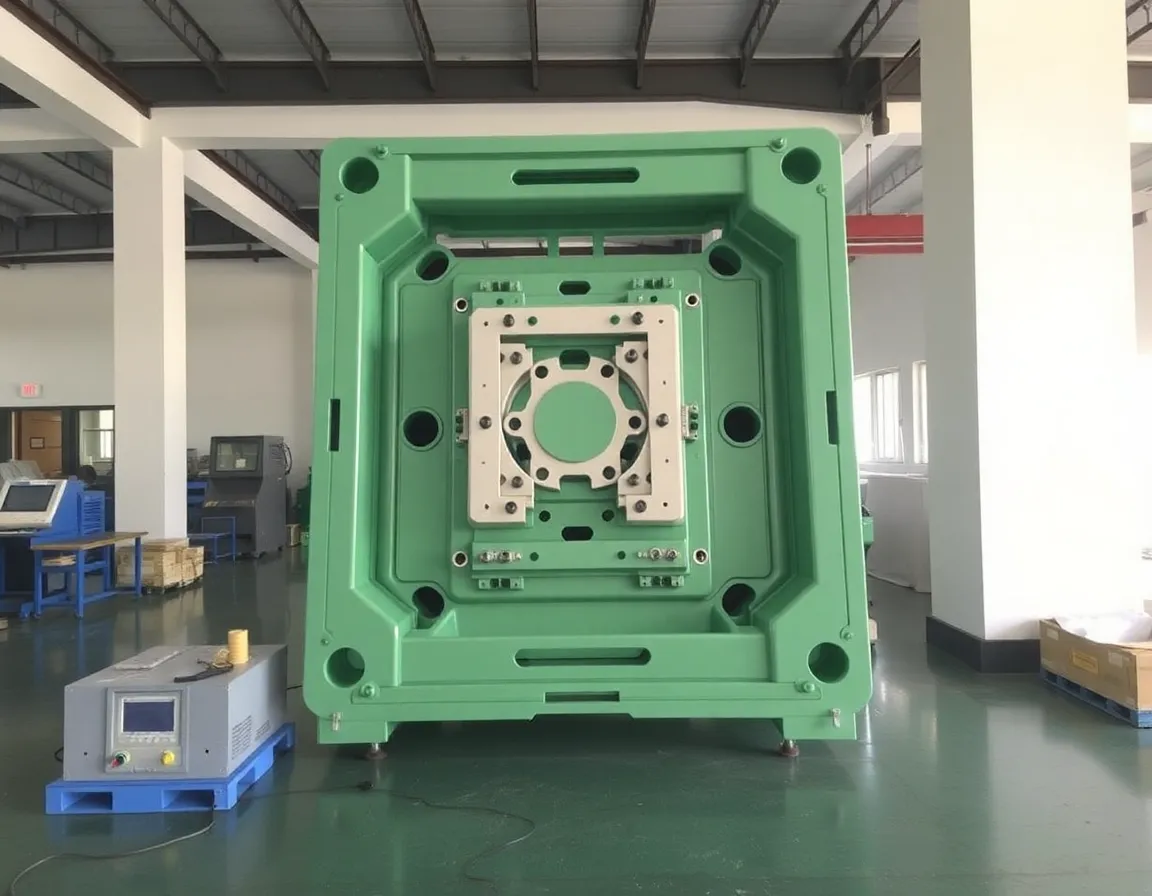
Dongguan, a sprawling industrial city in China's Guangdong province, has earned a reputation as one of the world's most important hubs for plastic manufacturing. Every year, thousands of buyers from Europe, North America, and beyond source millions of plastic parts from Dongguan injection molding factories. Yet behind the competitive quotes and polished factory brochures lies a complex supply chain full of nuances that can make or break a product launch. Whether you are an experienced sourcing manager or a first-time buyer, understanding the realities of working with a Dongguan injection molding factory is essential.
This article reveals seven secrets that experienced buyers know—and that newcomers often learn the hard way. From pricing structures to tooling ownership, quality control, and communication pitfalls, these insights will help you navigate the Dongguan injection molding landscape with confidence.
1. The Dongguan Injection Molding Ecosystem: What Buyers Are Really Tapping Into
Before diving into the secrets, it helps to understand what makes Dongguan unique. The city is not just home to a handful of factories; it hosts an entire ecosystem. Within a 30-kilometer radius, you can find mold makers, resin suppliers, secondary processing shops, plating and painting facilities, and logistics providers. This density is a major advantage: a Dongguan injection molding factory can often source materials and subcontract specialized processes faster than factories in almost any other region.
Why the Ecosystem Matters for Your Project
This clustering means shorter lead times and greater flexibility. If your product requires overmolding, ultrasonic welding, or precision mold polishing, the factory likely has trusted partners nearby. However, it also means quality varies dramatically from one supplier to the next. The ecosystem's density is both a blessing and a trap—buyers must vet suppliers carefully rather than assuming that proximity to a strong supply chain guarantees strong performance.
Small, Medium, and Large Factories
Dongguan injection molding factories range from small workshops with a dozen machines to large-scale operations with hundreds of presses and in-house tooling divisions. Small factories may offer lower prices and more personalized service, while larger ones typically provide better process control, documentation, and capacity for high-volume orders. Matching factory size to your project scope is one of the first strategic decisions you will make.
2. Secret #1: The Quoted Price Is Rarely the Final Price
One of the most common surprises for buyers is that the initial quotation from a Dongguan injection molding factory is often a starting point, not a final number. Many quotes are based on assumptions about part design, material grade, mold complexity, and order volume that may not hold true once production begins.
Watch for Hidden Cost Drivers
- Material substitutions: A quote may assume a generic resin grade, while your application requires a specific brand or flame-retardant grade.
- Mold modifications: Design changes after tooling begins can trigger significant additional charges.
- Secondary operations: Painting, printing, assembly, and packaging are often quoted separately.
- Payment terms and currency: Exchange rate fluctuations and payment schedules can affect the effective price.
Experienced buyers insist on itemized quotations that break down material costs, mold costs, machine time, labor, and secondary operations. This transparency makes it easier to compare suppliers and to anticipate cost changes during the project.
3. Secret #2: Tooling Ownership and Mold Quality Decide Your Long-Term Fate
The injection mold is the heart of your project. In Dongguan, mold quality varies enormously, and the cost of a mold is often the most negotiated line item. Some factories quote very low mold prices to win the order, then recover costs through production or charge heavily for maintenance and repairs.
Who Owns the Mold?
This is a critical question. In many sourcing arrangements, the buyer pays for the mold but the factory retains physical possession and, in some cases, claims ownership. Always insist on a written mold ownership agreement stating that the mold is your property and must be returned or transferred upon request. Reputable Dongguan injection molding factories will agree to this without hesitation; suppliers who resist should be treated with caution.
Mold Steel and Maintenance
Ask what mold steel is being used and how many shots the mold is rated for. A mold built with inexpensive steel may produce only tens of thousands of parts before showing wear, while a properly built mold with hardened steel can last hundreds of thousands or millions of cycles. Also clarify who pays for routine mold maintenance and how repairs are handled during the warranty period.
4. Secret #3: Quality Control Is Not Automatic—You Must Build It In
Many buyers assume that a factory with ISO 9001 certification delivers consistent quality. In reality, certification indicates that a quality management system exists, not that every order meets your specifications. In Dongguan's competitive market, quality control practices range from rigorous to rudimentary.
Practical Steps to Protect Your Order
- Request a pre-production sample: Approve a golden sample before mass production begins.
- Define inspection standards: Provide clear drawings, tolerance requirements, and cosmetic criteria.
- Arrange third-party inspection: For critical orders, hire an independent inspection firm to check dimensions, appearance, and functionality before shipment.
- Ask about in-process controls: Good factories monitor injection parameters, conduct first-article inspections, and keep traceability records.
Communication is equally important. Language barriers and cultural differences can lead to misunderstandings about specifications. Written confirmation of every change, backed by photos and drawings, prevents disputes later.
5. Secret #4: Material Selection Drives Cost, Performance, and Compliance
Plastic resin is typically the largest cost component in an injection molded part, and the choice of material affects everything from durability to regulatory compliance. Dongguan factories have access to a vast range of resins, but buyers must specify requirements precisely.
Key Considerations
For products sold in Europe or North America, compliance with regulations such as RoHS, REACH, and FDA food-contact standards is non-negotiable. Ask the factory for material certificates and test reports from the resin supplier. Be wary of factories that offer unusually low prices by substituting recycled or off-grade material without disclosure—this can lead to product failures, recalls, and legal liability.
Also consider the processing implications. Some engineering resins require specialized drying, high mold temperatures, or slower cycle times, which affect both quality and price. A factory experienced with your chosen material is worth more than one offering the lowest quote.
6. Secret #5: Communication and Project Management Make or Break the Relationship
Perhaps the most underrated factor in sourcing from a Dongguan injection molding factory is communication. Time zone differences, language gaps, and differing business norms can cause delays and errors. The best factories assign English-speaking project managers, respond promptly to emails, and provide regular production updates with photos and videos.
Red Flags to Watch
- Slow or vague responses during the quotation stage
- Reluctance to share factory photos, videos, or audit reports
- Frequent changes to the quoted price or timeline without explanation
- No clear point of contact for production issues
Building a strong relationship with your supplier pays dividends. Factory visits—or at least video walkthroughs—help verify capabilities and demonstrate your commitment. Many successful buyers schedule regular reviews and treat their Dongguan partners as long-term collaborators rather than transactional vendors.
7. Secrets #6 and #7: Lead Times and Logistics Deserve as Much Attention as Price
Two final secrets concern timing and shipping. First, quoted lead times in Dongguan often assume everything goes smoothly. In practice, Chinese New Year, national holidays, and peak production seasons can add weeks to schedules. Plan buffer time, confirm production slots in writing, and avoid placing urgent orders during holiday periods.
Second, logistics is not an afterthought. The factory may quote FOB prices, but freight, customs clearance, insurance, and port congestion all affect your landed cost. Work with a reliable freight forwarder, understand Incoterms, and factor shipping time into your inventory planning. Factories with export experience can often recommend forwarders, but the final responsibility for logistics remains with you.
Conclusion: Sourcing Smart in Dongguan
Dongguan remains one of the best places in the world to manufacture injection molded parts—if you know how to navigate it. The seven secrets covered here—realistic pricing, mold ownership, proactive quality control, careful material selection, strong communication, realistic lead times, and disciplined logistics—form the foundation of a successful sourcing strategy. Buyers who treat the Dongguan injection molding factory as a strategic partner, verify claims with documentation and inspections, and plan for contingencies consistently achieve better outcomes than those who simply chase the lowest quote.
By applying these insights, you can turn the complexity of Dongguan's manufacturing ecosystem into a competitive advantage for your business.