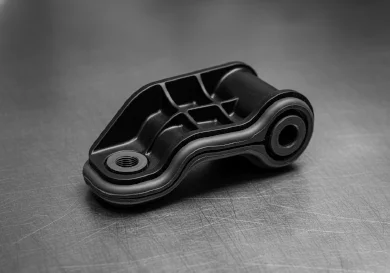
Overmolding Services: Soft Touch, Hard Performance
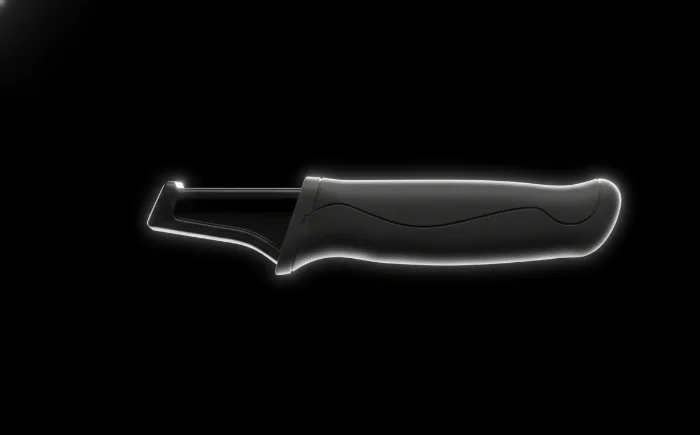
What is Overmolding?
Overmolding (also known as two-shot or multi-shot molding depending on the machine setup) is a specialized injection molding process where a single part is created using two or more different materials in combination.
Typically, the first material (the substrate, usually a rigid plastic like PC or ABS, or a machined metal part) is molded or placed into the tool. The second material (the overmold, usually a soft-touch elastomer like TPE or TPU) is then injected over, around, or through the substrate to form a chemical or mechanical bond.
The Jucheng Precision Tooling Advantage
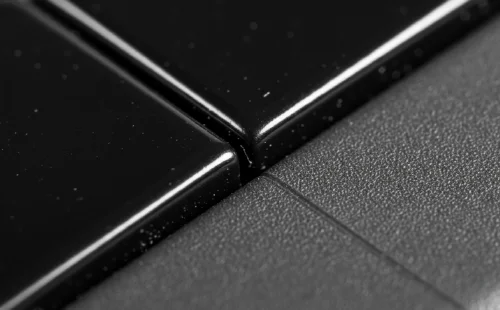
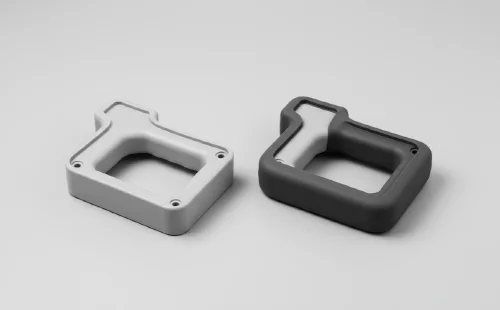
The greatest risk in overmolding is “flashing”—where the soft overmold material bleeds over the edges of the rigid substrate, ruining the aesthetic and function.
This is entirely prevented by extreme mold precision. Because Jucheng operates an in-house tool room with 25+ high-end 5-axis CNC machines, we machine our overmold cavities with zero-tolerance shut-offs. Combined with our 35+ advanced injection presses, we deliver crisp, perfect boundary lines on every part.
Why Engineers Specify Overmolding
Waterproofing (IP67/IP68)
Ergonomics & Grip
Shock & Vibration Absorption
The Science of Chemical Bonding
Overmolding with TPE (Elastomer)
- Substrate: ABS
Excellent Bond
- Substrate: PC (Polycarbonate)
Excellent Bond
- Substrate: PC/ABS Blend
Excellent Bond
- Substrate: PP (Polypropylene)
Good Bond (Specific TPE required)
- Substrate: POM (Delrin)
Poor (Requires Mechanical Lock)
Overmolding with TPU & LSR
- TPU over ABS/PC
Excellent Bond
- LSR over PC
Excellent Bond (Requires Primer or Self-Adhesive LSR)
- LSR over Medical Stainless Steel
Excellent (Requires Primer)
Proven Overmolding Applications
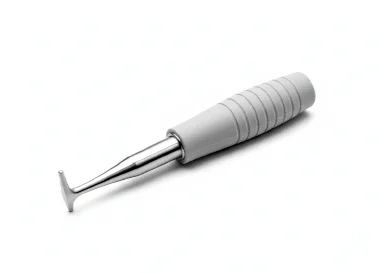
Medical Devices & Surgical Tools
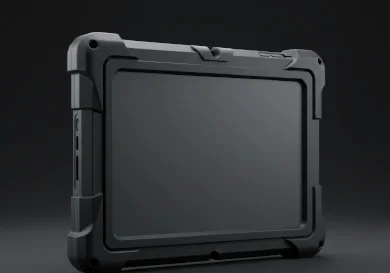
Rugged Electronics & Wearables