
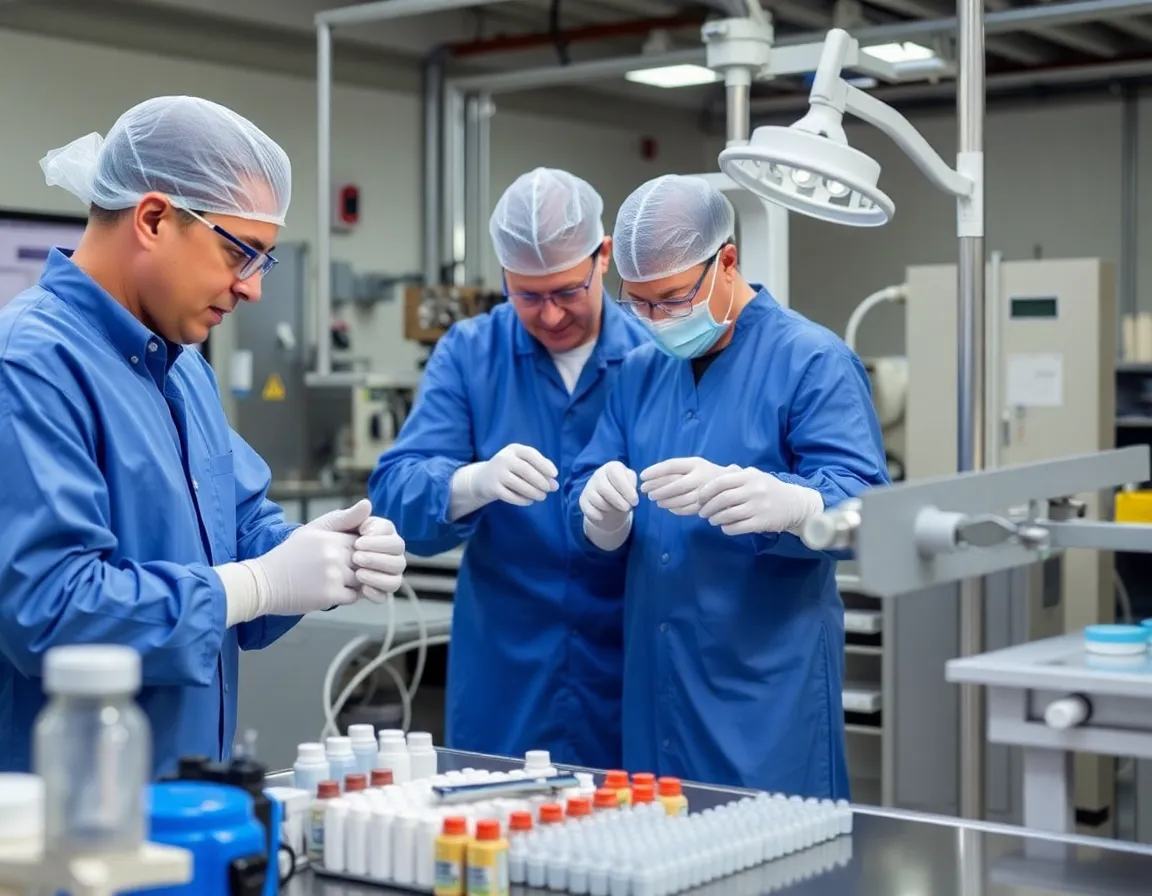
Введение: Критическая роль точности в производстве медицинских устройств
Индустрия медицинских устройств работает под не подлежащим обсуждению требованием: абсолютная точность и надежность. От имплантируемых кардиостимуляторов до сложной хирургической робототехники, компоненты, составляющие эти спасающие жизнь устройства, должны соответствовать допускам, измеряемым в микронах. Здесь прецизионная обработка для производства компонентов медицинских устройств становится краеугольным камнем инноваций и безопасности пациентов. В отличие от общей обработки, медицинская прецизионная обработка включает передовые технологии, строгий контроль качества и материалы, которые должны выдерживать требовательную среду человеческого тела. Эта статья исследует тонкости этой специализированной области, подробно описывая, как она работает, ее глубокие преимущества, ключевые применения и лучшие практики, обеспечивающие совершенство каждого производимого компонента.
Что такое прецизионная обработка в производстве компонентов медицинских устройств?
Прецизионная обработка — это субтрактивный производственный процесс, который удаляет материал с заготовки для создания высокоточных компонентов. В контексте производства компонентов медицинских устройств этот процесс возводится в ранг искусства и науки, где размеры выдерживаются с допусками до ±0,0001 дюйма (2,5 микрона). Такой уровень точности необходим для устройств, которые должны безупречно функционировать внутри человеческого тела или в критических хирургических условиях.
Основные технологии обработки
Сектор медицинского оборудования полагается на несколько основных технологий, каждая из которых подходит для конкретных применений:
- Фрезерование с ЧПУ: Фрезерование с числовым программным управлением (ЧПУ) использует вращающиеся режущие инструменты для удаления материала с неподвижной заготовки. Оно идеально подходит для создания сложных геометрий, карманов и элементов на плоских или контурных поверхностях. Для медицинских устройств часто используется 5-осевое фрезерование с ЧПУ для производства сложных ортопедических имплантатов и корпусов инструментов.
- Токарная обработка с ЧПУ: При токарной обработке заготовка вращается, а неподвижный режущий инструмент придает ей форму. Этот процесс идеально подходит для цилиндрических компонентов, таких как костные винты, фитинги для катетеров и абатменты зубных имплантатов. Токарная обработка швейцарского типа, специализированная форма, особенно ценна для производства крошечных, длинных и тонких деталей, используемых в микрохирургии.
- Электроэрозионная обработка (EDM): EDM использует электрические искры для разрушения материала с заготовки. Она незаменима для создания деталей из очень твердых материалов (например, титановых сплавов) и для получения сложных полостей, острых внутренних углов и микроотверстий, которые невозможно достичь обычной резкой.
- Шлифование и притирка: Эти финишные процессы обеспечивают исключительное качество поверхности и сверхточные допуски. Они критически важны для компонентов, требующих гладких поверхностей без трения, таких как суставные протезы и седла клапанов.
Материалы, используемые в медицинском оборудовании
Выбор материала так же критичен, как и процесс обработки. Аппаратное обеспечение медицинских устройств должно быть биосовместимым, коррозионностойким и прочным. К распространенным материалам относятся:
- Нержавеющая сталь (304, 316L): Широко используется для хирургических инструментов и имплантатов благодаря своей прочности и коррозионной стойкости.
- Титан и титановые сплавы (Ti-6Al-4V): Предпочтительны для имплантатов (например, эндопротезов тазобедренного и коленного суставов) из-за высокого соотношения прочности к весу и отличной биосовместимости.
- Кобальт-хромовые сплавы: Известны своей износостойкостью, часто используются в стоматологических и ортопедических приложениях.
- Медицинские полимеры (PEEK, UHMWPE): Используются для неметаллических имплантатов и компонентов, требующих гибкости и низкого трения.
- Керамика (оксид алюминия, диоксид циркония): Применяется в головках тазобедренных эндопротезов и зубных коронках благодаря своей твердости и биоинертности.
Как работает прецизионная обработка для медицинских устройств
Путь от сырья до готового компонента медицинского устройства — это многоэтапный, строго контролируемый процесс. Он начинается задолго до того, как станок начнет резать.
1. Проектирование и разработка с учетом технологичности (DFM)
Производство аппаратного обеспечения медицинских устройств начинается с детального цифрового проектирования, обычно с использованием CAD-программ (систем автоматизированного проектирования). Инженеры должны учитывать не только функциональные требования устройства, но и технологичность детали. Они анализируют такие факторы, как доступ инструмента, свойства материала и необходимость определенной чистоты поверхности. Проектирование с учетом технологичности (DFM) представляет собой совместные усилия конструкторов и станочников по оптимизации детали для эффективного, высококачественного производства при минимизации отходов и затрат.
2. CAM-программирование и симуляция
После того как CAD-модель окончательно утверждена, она импортируется в CAM-программное обеспечение (Computer-Aided Manufacturing). Здесь станочник или программист определяет траектории движения инструмента, скорости резания, подачи и выбор инструмента. Современное CAM-программное обеспечение включает мощные инструменты симуляции, которые позволяют программисту визуализировать весь процесс обработки в виртуальной среде. Этот этап важен для выявления потенциальных столкновений, проверки траекторий инструмента и обеспечения соответствия детали спецификациям до начала обработки металла. Симуляция значительно снижает риск дорогостоящих ошибок и потерь материала.
3. Настройка и калибровка станка
Настройка прецизионного станка с ЧПУ для медицинских работ — это тщательный процесс. Заготовка должна быть надежно закреплена, часто с использованием специально разработанных приспособлений для минимизации вибрации и деформации. Сам станок должен быть откалиброван для обеспечения идеального выравнивания осей. Держатели инструмента балансируются, а режущие инструменты измеряются с помощью лазерных датчиков для проверки их точных размеров. Этот этап настройки может занять несколько часов, но он необходим для достижения требуемых допусков.
4. Процесс обработки
Когда все готово, начинается фактическая обработка. Станок с ЧПУ следует запрограммированным инструкциям, выполняя последовательность черновых и чистовых проходов. Черновые проходы быстро удаляют основную массу материала, в то время как чистовые проходы используют более легкие резы для достижения окончательных размеров и качества поверхности. На этом этапе, часто используется охлаждающая жидкость для управления теплом и удаления стружки, что предотвращает тепловое расширение, которое может исказить деталь. Для компонентов медицинского класса процесс часто контролируется в реальном времени с помощью датчиков и щупов, которые проверяют размеры в середине цикла.
5. Контроль и обеспечение качества
После обработки каждая критическая характеристика компонента проверяется. Это самый строгий этап в производстве аппаратного обеспечения медицинских устройств. Методы контроля включают:
- КИМ (координатно-измерительная машина): Использует контактный щуп для измерения размеров с точностью до микрона.
- Оптические компараторы и системы технического зрения: Бесконтактные методы измерения сложных профилей и проверки поверхностных характеристик.
- Измерители шероховатости поверхности: Обеспечивают соответствие поверхности детали заданным значениям Ra (средней шероховатости), что критически важно для имплантатов и уплотнительных поверхностей.
- Сертификация материалов: Каждая партия материала прослеживается до источника, и заказчику предоставляются сертификаты соответствия.
Ключевые преимущества прецизионной обработки для медицинского оборудования
Инвестиции в прецизионную обработку дают значительные преимущества, которые напрямую влияют на результаты лечения пациентов и успех бизнеса.
Бескомпромиссное качество и безопасность
Наиболее важным преимуществом является гарантия качества. Отказ медицинского устройства может иметь катастрофические последствия. Прецизионная обработка в сочетании со строгими протоколами контроля гарантирует, что каждый компонент соответствует своим проектным спецификациям. Эта надежность напрямую влияет на безопасность пациентов, снижая риск отказа устройства во время операции или длительной имплантации.
Сложная геометрия и миниатюризация
Современные медицинские устройства становятся меньше и сложнее. Прецизионная обработка отлично подходит для создания сложных элементов, таких как микрорезьба, внутренние каналы для доставки лекарств и острые режущие кромки для хирургических лезвий. Такие технологии, как швейцарская обработка и микро-ЭЭО позволяют производителям создавать детали размером меньше рисового зерна, что обеспечивает возможность малоинвазивных процедур и передовых диагностических инструментов.
Универсальность материалов
Not all materials can be easily formed or cast. Precision machining can handle the full spectrum of medical-grade materials, from soft polymers to hardened stainless steel and brittle ceramics. This versatility allows device designers to choose the optimal material for a specific application without being limited by manufacturing constraints.
Repeatability and Scalability
Once a machining program is proven, it can be replicated thousands of times with consistent results. CNC machines are capable of producing identical parts 24/7, making precision machining highly scalable. This is crucial for medical device companies that need to ramp up production from prototypes to full-scale manufacturing while maintaining the same level of quality.
Reduced Waste and Cost Efficiency
While precision machining can be more expensive per part than some other methods (like injection molding), it offers significant cost advantages for low-to-medium volume production. There are no expensive molds or dies to create. Furthermore, advanced CAM software and toolpath optimization minimize material waste, which is particularly important when working with expensive materials like titanium. This makes precision machining a cost-effective solution for specialized medical devices and custom implants.
Applications in Medical Device Hardware Manufacturing
The reach of precision machining extends across virtually every category of medical devices. Here are some of the most prominent applications:
Orthopedic Implants and Instruments
This is one of the largest segments. Precision machining is used to create:
- Knee and Hip Replacements: Femoral components, tibial trays, acetabular cups, and femoral heads require complex curves and high-precision bearing surfaces.
- Spinal Implants: Pedicle screws, rods, and interbody cages must be machined to exacting standards to ensure proper alignment and fusion.
- Trauma Devices: Bone plates, screws, and intramedullary nails for fracture fixation are machined from strong, biocompatible metals.
- Хирургические инструменты: Reamers, drills, saw guides, and screwdrivers used in orthopedic surgery are all precision-machined for reliability and tactile feel.
Cardiovascular Devices
The cardiovascular field demands micro-scale precision. Examples include:
- Stents and Stent Delivery Systems: While stents are often laser-cut, the delivery catheters and handles require precision-machined components.
- Pacemaker and Defibrillator Housings: Hermetically sealed titanium cases are machined to protect sensitive electronics from bodily fluids.
- Heart Valve Components: The frames and leaflets of mechanical and transcatheter valves are machined to exact dimensions for reliable function.
Dental Implants and Prosthetics
Dental hardware manufacturing relies heavily on precision machining for:
- Implant Abutments and Screws: These tiny components must match the patient’s anatomy and the implant system perfectly.
- Crowns and Bridges: While often milled from ceramic blocks, the underlying metal frameworks for bridges are precision-machined.
- Surgical Guides: Custom 3D-printed or machined guides that help dentists place implants with pinpoint accuracy.
Neurological and Surgical Robotics
As surgery becomes more automated and precise, the hardware must follow:
- Robotic Arm Components: Joints, actuators, and end-effectors for surgical robots require exceptional stiffness and positional accuracy.
- Deep Brain Stimulation (DBS) Leads: The thin, flexible leads and their connectors are machined to deliver electrical pulses to specific brain regions.
- Endoscopic Tools: Graspers, scissors, and biopsy forceps for minimally invasive procedures are machined from small diameter tubing.
Best Practices for Excellence in Medical Machining
Achieving excellence in medical device hardware manufacturing requires more than just advanced machines. It demands a culture of quality and continuous improvement.
1. Implement Rigorous Quality Management Systems (QMS)
Compliance with standards like ISO 13485 (Medical devices – Quality management systems) is non-negotiable. A robust QMS ensures that every process, from incoming material inspection to final shipping, is documented and controlled. It also includes procedures for corrective and preventive actions (CAPA), which are essential for identifying and eliminating root causes of defects.
2. Invest in Advanced Metrology and In-Process Inspection
Relying solely on post-process inspection is risky. Best-in-class manufacturers integrate in-process measurement using probes and laser systems. This allows for real-time adjustments, reducing scrap and ensuring that parts are within tolerance before the machine finishes. статистическим управлением процессами (SPC) is also used to monitor trends and predict potential quality issues before they occur.
3. Maintain a Clean and Controlled Environment
Medical device components, especially implants, must be free of contaminants. The machining area should be a controlled environment with proper air filtration, temperature control, and humidity management. Chips and coolant must be managed carefully to prevent cross-contamination between different materials. Cleanroom-compatible machining is often required for certain applications.
4. Prioritize Tooling and Cutting Strategy
The choice of cutting tools and their maintenance is critical. High-performance carbide or diamond-coated tools are preferred for their durability and ability to maintain sharp edges. Tool life must be monitored, and tools should be replaced proactively based on usage or tool-wear monitoring systems. Additionally, using optimized cutting strategies (e.g., trochoidal milling, high-efficiency milling) reduces heat buildup and tool stress, leading to better surface finishes and longer tool life.
5. Foster a Skilled Workforce and Continuous Training
Even with the most advanced automation, skilled machinists and programmers are the heart of precision machining. Companies must invest in ongoing training for their employees on the latest CAM software, machine technologies, and quality standards. A culture that encourages problem-solving and attention to detail is essential for maintaining the highest levels of excellence.
Заключение
Precision machining is the silent enabler behind countless life-saving and life-enhancing medical devices. In the world of medical device hardware manufacturing, the difference between a successful procedure and a catastrophic failure often lies in a few microns. By combining advanced CNC technologies, rigorous quality control, and a deep understanding of biocompatible materials, precision machinists deliver components that meet the highest standards of safety, reliability, and performance. As medical technology continues to advance toward smaller, more complex, and more personalized devices, the role of precision machining will only grow in importance, ensuring that the hardware inside our bodies is as flawless as the science that designs it.