
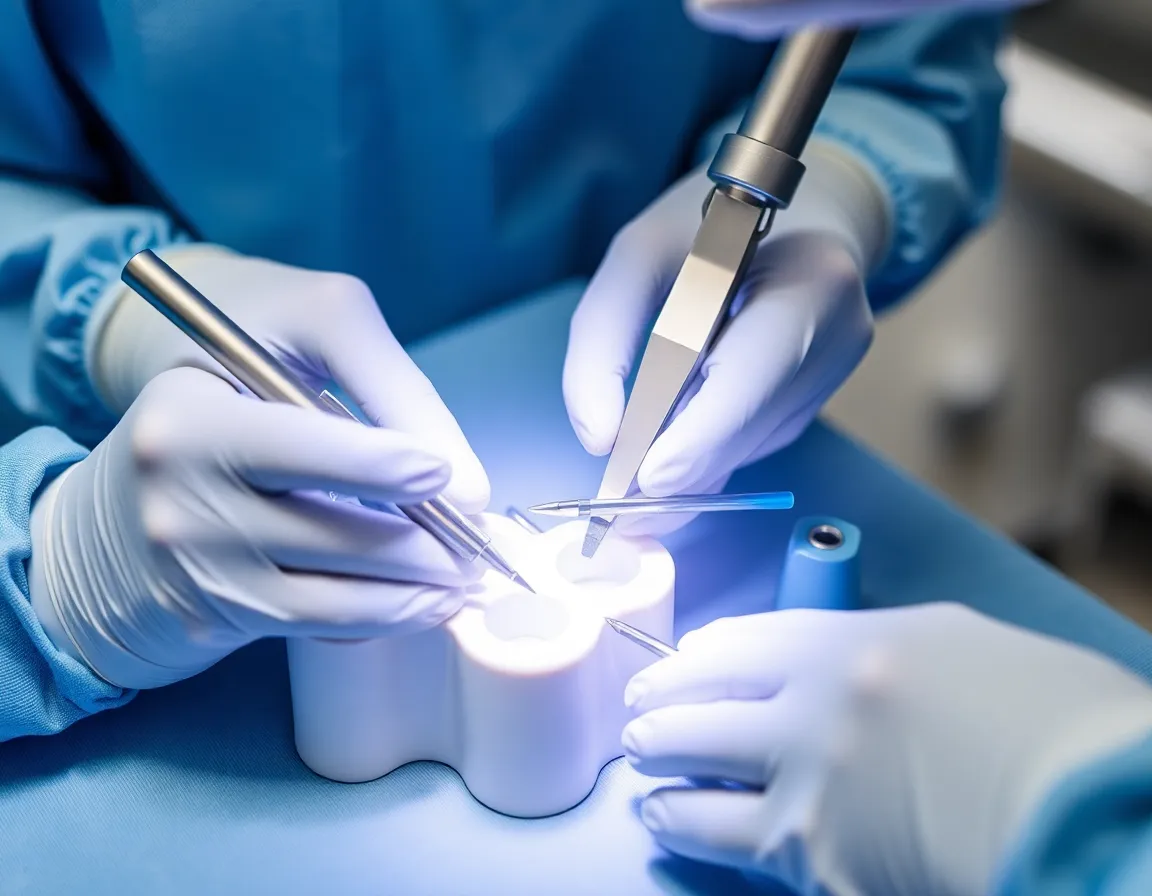
Введение: Тихая революция в ортопедическом производстве
На протяжении десятилетий в ортопедической хирургии доминировали металлы — титан, нержавеющая сталь и кобальт-хромовые сплавы. Эти материалы хорошо служили пациентам, обеспечивая прочность, необходимую для поддержки сломанных костей и замены изношенных суставов. Однако индустрия медицинских изделий сейчас переживает смену парадигмы. Ортопедические пластмассы, также известные как полимеры медицинского назначения, стремительно становятся будущим производства медицинских изделий. Они предлагают уникальное сочетание биосовместимости, гибкости дизайна и эксплуатационных характеристик, которые металлы просто не могут обеспечить. Эта статья представляет всестороннее исследование производства пластиковых ортопедических изделий, подробно описывая, что это такое, как это работает, его критические преимущества и лучшие практики, формирующие следующее поколение ухода за пациентами.
Что такое производство ортопедических пластиков?
Производство ортопедических пластиков относится к специализированному процессу проектирования и производства медицинских устройств, таких как суставные имплантаты, пластины для фиксации костей, спинальные кейджи и хирургические инструменты, с использованием высокоэффективных полимеров вместо традиционных металлов. Это не обычные бытовые пластики; это современные инженерные термопласты и термореактивные пластмассы, которые были тщательно протестированы на биосовместимость, механическую прочность и долгосрочную стабильность внутри человеческого тела.
Ключевые материалы в ортопедических пластиках
Успех производства ортопедических пластиков зависит от выбора правильного полимера. Наиболее часто используемые материалы включают:
- PEEK (полиэфирэфиркетон): Высокоэффективный термопласт, известный своей отличной механической прочностью, химической стойкостью и рентгенопрозрачностью (прозрачностью для рентгеновских лучей). Он широко используется в спинальных кейджах для сращения и фиксации при травмах.
- UHMWPE (сверхвысокомолекулярный полиэтилен): Золотой стандарт для поверхностей трения в эндопротезах тазобедренного, коленного и плечевого суставов. Его исключительная износостойкость и низкий коэффициент трения имитируют естественный хрящ.
- PMMA (полиметилметакрилат): Костный цемент, используемый для фиксации имплантатов, особенно при эндопротезировании суставов и вертебропластике.
- PLA и PLGA (полимолочная кислота и поли(лактид-ко-гликолид)): Биорезорбируемые полимеры, используемые во временных фиксирующих устройствах, таких как винты и штифты, которые постепенно растворяются по мере заживления кости.
Как работает производство ортопедических пластиков
Производство ортопедических пластиков — это высокоточный многоэтапный процесс, требующий строгого соблюдения нормативных стандартов, таких как ISO 13485 и FDA 21 CFR Part 820. В отличие от обработки металлов, которая часто включает субтрактивные процессы (удаление материала), производство пластиков часто является аддитивным или близким к конечной форме, что снижает количество отходов и позволяет создавать сложные геометрии.
Основные методы производства
Существует несколько основных технологий, используемых для преобразования сырых полимерных гранул или порошков в готовые ортопедические изделия:
- Литье под давлением: Расплавленный полимер впрыскивается под высоким давлением в точно обработанную стальную форму. Этот метод идеально подходит для крупносерийного производства таких компонентов, как тибиальные плато или ацетабулярные чашки. Он обеспечивает исключительную повторяемость и качество поверхности.
- Компрессионное формование: Особенно важный процесс для СВМПЭ, который использует тепло и давление для консолидации полимерного порошка в твердую форму. Это критически важно для достижения высокой кристалличности и молекулярной массы, необходимых для износостойкости.
- Обработка на станках с ЧПУ: Для сложных деталей малых серий или прототипов твердые блоки медицинского пластика обрабатываются на токарных и фрезерных станках с компьютерным управлением. Это распространено для индивидуальных имплантатов, адаптированных под конкретного пациента.
- 3D-печать (аддитивное производство): Такие технологии, как селективное лазерное спекание (SLS) и моделирование методом наплавления (FDM), совершают революцию в этой области. Они позволяют создавать пористые структуры, способствующие врастанию костной ткани (остеоинтеграции), и производить сложные решетчатые геометрии, невозможные при использовании форм или механической обработки.
Постобработка и стерилизация
После формирования деталь проходит важные этапы постобработки. Они включают отжиг для снятия внутренних напряжений, полировку поверхности для снижения трения и тщательную очистку для удаления производственных остатков. Наконец, изделие должно быть стерилизовано, обычно с использованием гамма-излучения, газа этиленоксида (EtO) или паровой автоклавной обработки. Выбор метода стерилизации имеет решающее значение, так как некоторые полимеры могут разрушаться под воздействием высокой температуры или доз радиации.
Преимущества ортопедических пластиков перед металлами
Переход к ортопедическим пластикам обусловлен реальными клиническими и производственными преимуществами. Эти преимущества меняют подход хирургов и инженеров к проектированию имплантатов.
1. Улучшенная биосовместимость и снижение стресс-экранирования
Металлы значительно жестче, чем человеческая кость. Когда металлический имплантат установлен, он принимает на себя большую часть нагрузки, что приводит к недостаточной нагрузке окружающей кости и ее ослаблению со временем — это явление называется стресс-экранирование. Ортопедические пластики, особенно PEEK, имеют модуль упругости, гораздо более близкий к модулю кортикальной кости. Это обеспечивает более физиологичную передачу нагрузки, сохраняя плотность кости и снижая риск расшатывания имплантата или перипротезных переломов.
2. Радиопрозрачность для лучшей послеоперационной визуализации
Металлические имплантаты создают значительные артефакты на рентгеновских снимках, КТ и МРТ, скрывая вид интерфейса кость-имплантат и затрудняя оценку заживления или выявление осложнений. Ортопедические пластики радиопрозрачны, то есть они в значительной степени прозрачны для медицинской визуализации. Это позволяет хирургам четко визуализировать рост кости, состояние сращения и возможные переломы без помех, что приводит к более точной диагностике.
3. Свобода дизайна и снижение веса
Пластики можно формовать, экструдировать или печатать в формы, которые невозможно получить из металла. Это позволяет создавать пористые покрытия для врастания кости, сложные внутренние решетки для снижения жесткости и анатомические геометрии, специфичные для конкретного пациента. Кроме того, пластиковые имплантаты значительно легче металлических аналогов, что может снизить хирургическую травму и улучшить комфорт пациента, особенно в крупных устройствах, таких как спинальные конструкции.
4. Износостойкость и управление трением
UHMWPE has been the workhorse of joint replacement for over 50 years due to its outstanding wear properties. When used as a bearing surface against a metal or ceramic counterface, it provides exceptionally low friction, minimizing the generation of wear debris—a primary cause of implant failure and osteolysis (bone loss). Advanced cross-linked UHMWPE has further improved this performance, extending implant longevity.
Key Applications in Modern Orthopedics
Orthopedic plastics are not a one-size-fits-all solution; they are specialized for different anatomical and functional requirements. Their applications are expanding rapidly.
Spinal Surgery
PEEK is the dominant material for interbody fusion cages used in spinal surgery. Its radiolucency allows surgeons to assess bone fusion through the implant, while its bone-like stiffness promotes a healthy fusion environment. Carbon fiber-reinforced PEEK is also gaining traction for its enhanced strength and fatigue resistance.
Joint Replacement (Arthroplasty)
In total hip and knee replacements, the bearing surface is almost exclusively UHMWPE or highly cross-linked polyethylene (HXLPE). The metal or ceramic component articulates against this plastic surface. Modern designs also utilize PEEK for tibial trays and patellar components, offering a metal-free alternative that reduces allergic reactions in sensitive patients.
Trauma and Fracture Fixation
Bioresorbable plastics (PLA, PLGA) are increasingly used for screws, pins, and plates in non-load-bearing or low-load applications, such as ankle fractures or pediatric fractures. These devices provide temporary fixation and then dissolve, eliminating the need for a second surgery to remove hardware. This reduces infection risk, recovery time, and overall healthcare costs.
Surgical Instruments and Guides
Beyond implants, high-performance plastics are used to manufacture surgical instruments. PEEK and polysulfone are used for trial implants, cutting blocks, and patient-specific surgical guides (often 3D-printed). These instruments are lightweight, autoclavable, and do not interfere with surgical navigation systems.
Best Practices in Orthopedic Plastic Manufacturing
To ensure safety, efficacy, and regulatory compliance, manufacturers must adhere to a strict set of best practices. Failure to do so can result in device failure, patient harm, and costly recalls.
Выбор и валидация материалов
The first and most critical step is rigorous material validation. Every polymer batch must be tested for molecular weight, viscosity, purity, and mechanical properties. Manufacturers must work only with suppliers who provide full material traceability and biocompatibility data per ISO 10993 standards.
Process Control and Cleanroom Manufacturing
All orthopedic plastic manufacturing should take place in a controlled environment, typically a certified cleanroom (ISO Class 7 or better). Key parameters—temperature, humidity, injection pressure, cooling rates, and dwell times—must be continuously monitored and recorded. Statistical Process Control (SPC) is employed to detect any deviation before it produces a defective part.
Проектирование с учетом технологичности (DFM)
Engineers must design implants with the manufacturing process in mind. For injection molding, this means avoiding sharp corners and thin walls that can cause warpage or incomplete fill. For 3D printing, it means optimizing support structures and orientation to minimize post-processing. Collaboration between design engineers and manufacturing engineers is essential to create a product that is both clinically effective and economically viable to produce.
Совместимость со стерилизацией
Every plastic material has a unique response to sterilization. For example, gamma radiation can cause cross-linking in UHMWPE (which is actually beneficial) but can cause chain scission and embrittlement in other polymers. Manufacturers must validate that the chosen sterilization method does not degrade the material’s mechanical properties or biocompatibility. Packaging must also be designed to maintain sterility until the point of use.
Regulatory Compliance and Documentation
Comprehensive documentation is non-negotiable. This includes Device Master Records (DMR), Device History Records (DHR), and detailed risk management files per ISO 14971. Every batch of implants must be fully traceable from raw material to the finished, sterile product. Post-market surveillance is also critical to monitor long-term clinical performance and identify any emerging failure modes.
Challenges and Future Directions
Despite their many advantages, orthopedic plastics are not without challenges. Issues such as creep deformation (gradual shape change under constant load), notch sensitivity, and the potential for oxidative degradation over time require ongoing research. Furthermore, the cost of medical-grade polymers and the specialized manufacturing equipment can be higher than traditional metalworking.
However, the future is bright. Research into bioactive plastics that can release growth factors or antibiotics, self-lubricating composites, и fully resorbable scaffolds for tissue engineering is accelerating. The integration of smart sensors into plastic implants for remote patient monitoring is also on the horizon. As manufacturing technologies like high-resolution 3D printing and automated micro-molding continue to advance, the capabilities of orthopedic plastics will only expand.
Conclusion: A Material Revolution in Patient Care
Orthopedic plastics are not merely an alternative to metals; they represent a fundamental advancement in medical device manufacturing. By offering a unique combination of bone-like mechanical properties, imaging transparency, design flexibility, and biocompatibility, these materials are enabling safer surgeries, faster recoveries, and longer-lasting implants. For manufacturers, mastering the complexities of plastic processing—from material selection to sterilization validation—is the key to success in this rapidly evolving field. As the demand for personalized, high-performance orthopedic solutions grows, one thing is clear: the future of orthopedics is being molded, machined, and printed from plastics.