
Medical device manufacturing and diagnostic microfluidics demand extreme environmental purity during polymer processing. Ambient airborne dust, particulate matter, and bio-burden contamination can ruin optical diagnostic chips or cause critical defects in sterile healthcare components. Specifying Cleanroom-Spritzguss provides medical product development teams with a controlled particle-free environment, ensuring that high-purity plastic parts remain sterile throughout processing. JUCHENG operates certified particle-controlled manufacturing cells, translating complex medical CAD models into compliant, high-yield plastic hardware.
Inhaltsverzeichnis
Particle Control, HEPA Filtration & Environmental Monitoring
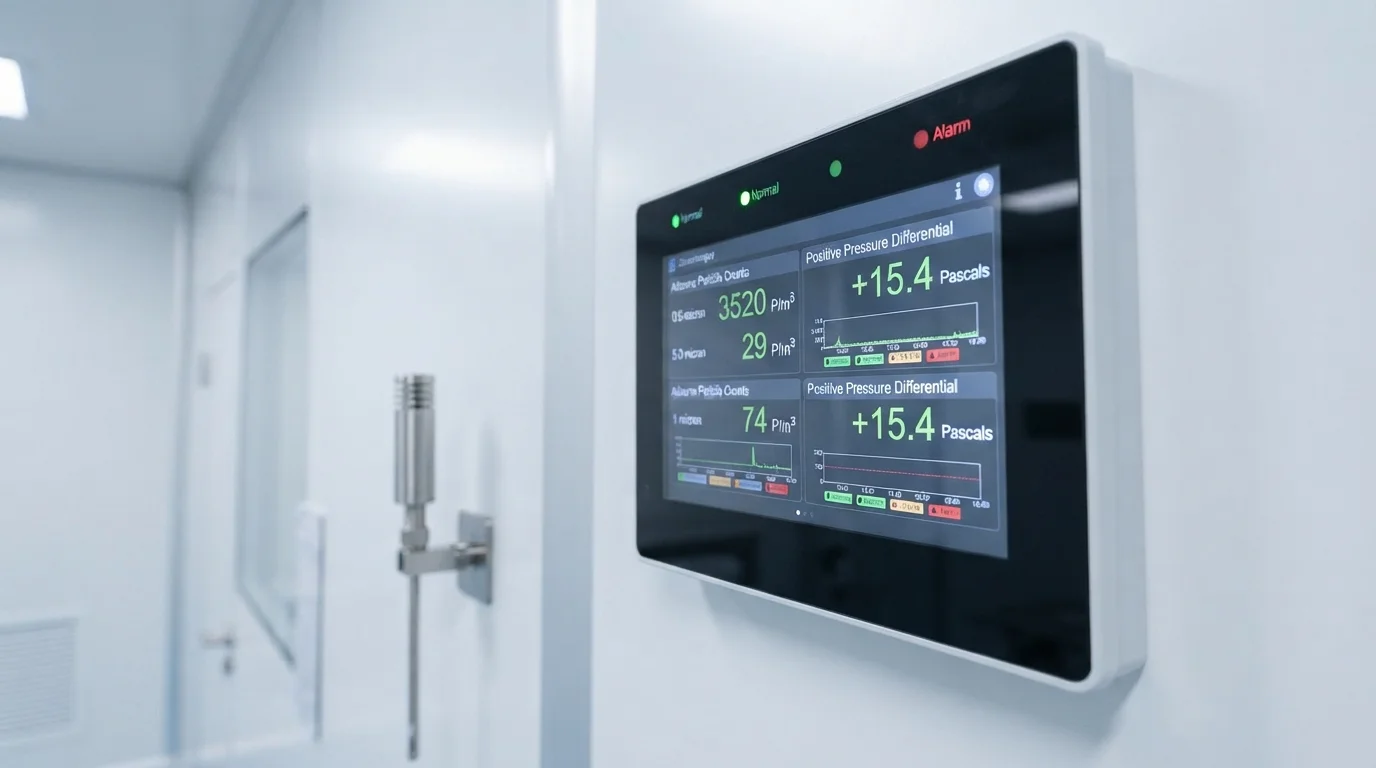
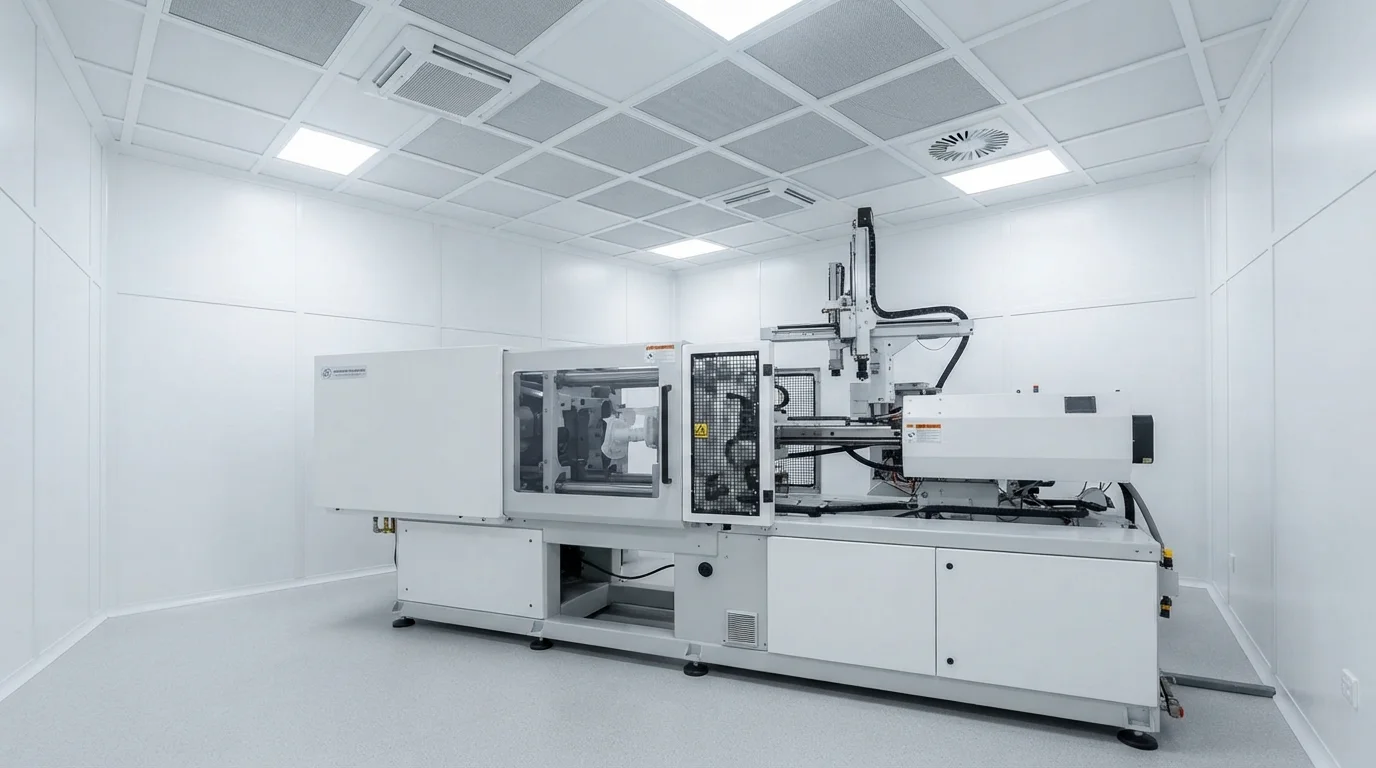
Operating a certified ISO Class 8 cleanroom molding environment requires continuous positive air pressure and multi-stage HEPA filtration. Air handling systems exchange cleanroom atmosphere up to twenty times per hour, removing airborne particles down to 0.5 microns. Particle counters continuously monitor environmental cleanliness to maintain strict international healthcare manufacturing limits. Automated robotic arms extract plastic parts directly from injection press cavities, dropping them onto enclosed cleanroom conveyors. Eliminating human touch during the molding cycle prevents skin oil transfers and micro-particulate contamination. Anti-static air ionizers eliminate surface electrostatic charges on plastic parts, preventing airborne dust from adhering during drop-packaging.
Environmental control standards inside our cleanroom department include:
- HEPA filtration exchange—Circulating air through high-efficiency particulate air filters maintains positive pressure and removes 99.97% of airborne micro-contaminants.
- Automated robotic handling—Utilizing three-axis servo robots removes molded parts from mold cavities, bypassing manual handling risks.
- Electrostatic ionizer control—Neutralizing static electrical charges on molded polymer surfaces prevents dust attraction during part cooling.
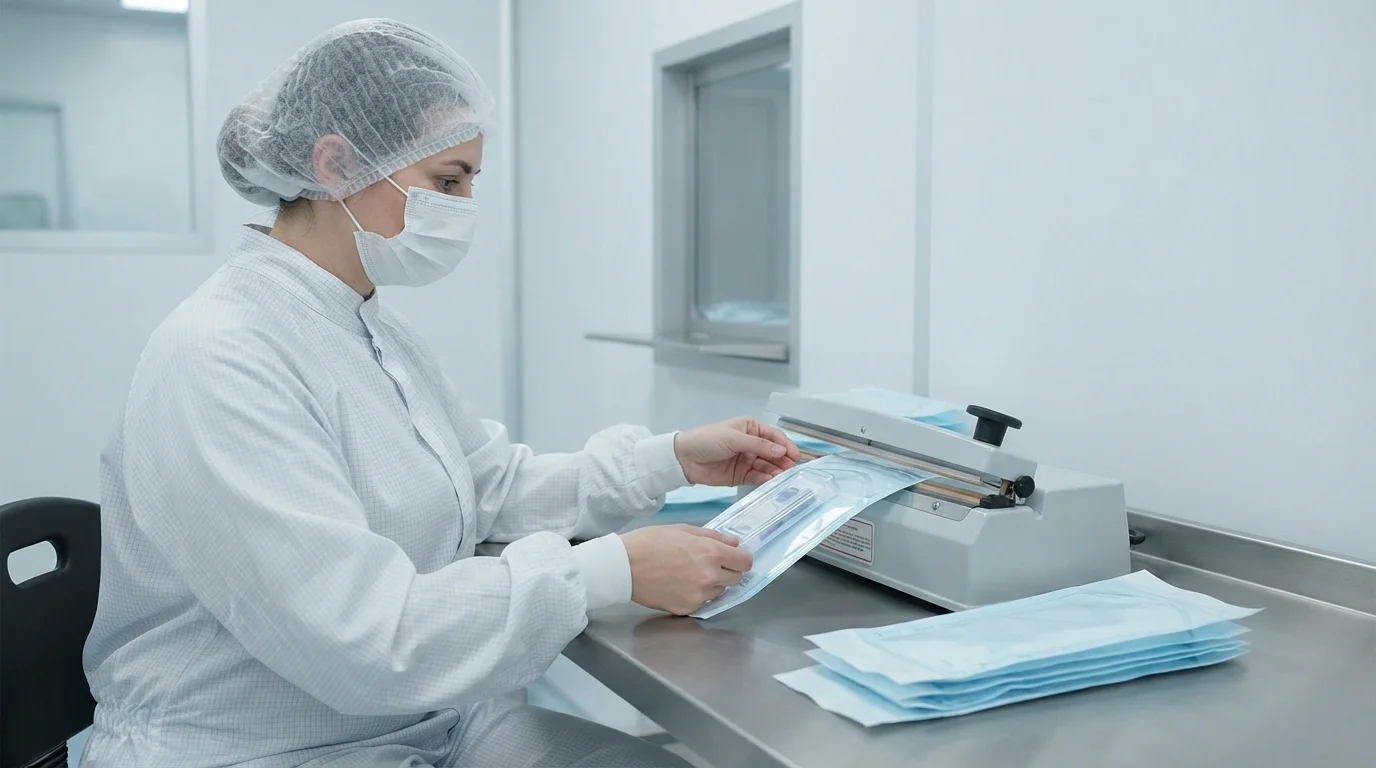
- Cleanroom pouch sealing—Enclosing sterile plastic components inside medical-grade Tyvek pouches protects finished goods during shipment.
ISO 13485 System & Full Lot Traceability (COA Reports)
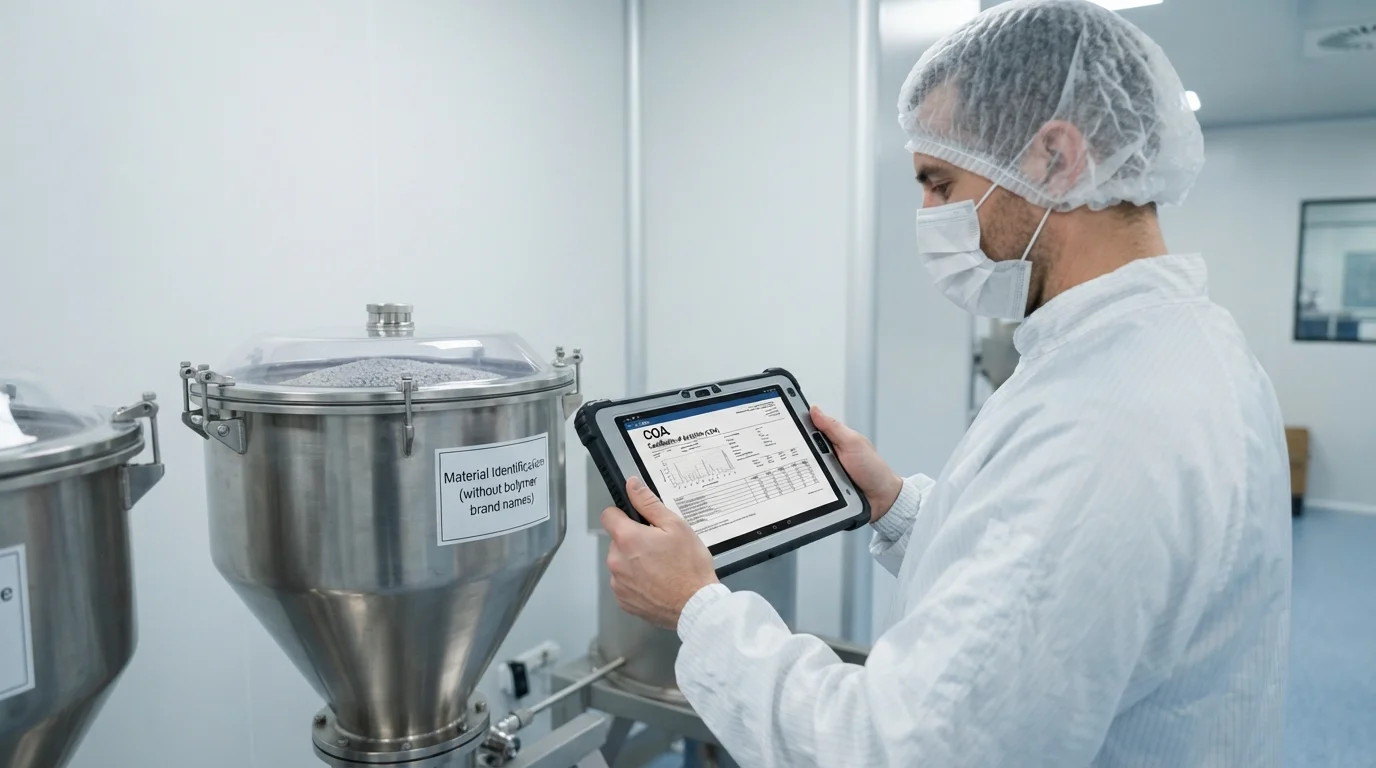
Quality management systems for medical plastic components conform strictly to ISO 13485 certification criteria. Processing clinical polymers requires verifying raw material certificates of analysis (COA) for every incoming resin shipment. Sourcing medical-grade resins meeting USP Class VI and ISO 10993 biocompatibility standards ensures zero cell toxicity or tissue irritation. Typical medical polymers processed in cleanroom environments include cyclic olefin copolymer (COC), cyclic olefin polymer (COP), medical-grade polypropylene, and biocompatible Polycarbonat (PC). Complete lot traceability tracks raw material lot numbers, machine operator logs, drying dew points, and cleanroom environmental data for every production batch. Sterilization compatibility verification ensures that molded parts withstand ethylene oxide (EtO), gamma irradiation, or autoclave steam processing without physical degradation.
| Medical Polymer Resin | Optische Klarheit | Biocompatibility Grade | Sterilisationskompatibilität | Primary Medical Application |
|---|---|---|---|---|
| Cyclic Olefin Copolymer (COC) | Glass-Like (>92%) | USP Class VI / ISO 10993 | EtO, Gamma, Autoclave | IVD microfluidic chips & cuvettes |
| Medical PC (Makrolon Rx1805) | High Transparent | USP Class VI Approved | Gamma, EtO Gas | Dialysis housings & IV connectors |
| Medical Polypropylene (PP) | Translucent | USP Class VI Compliant | Autoclave, Gamma | Syringe barrels & pipette tips |
Cleanroom Assembly, Ultrasonic Welding, and Kitting
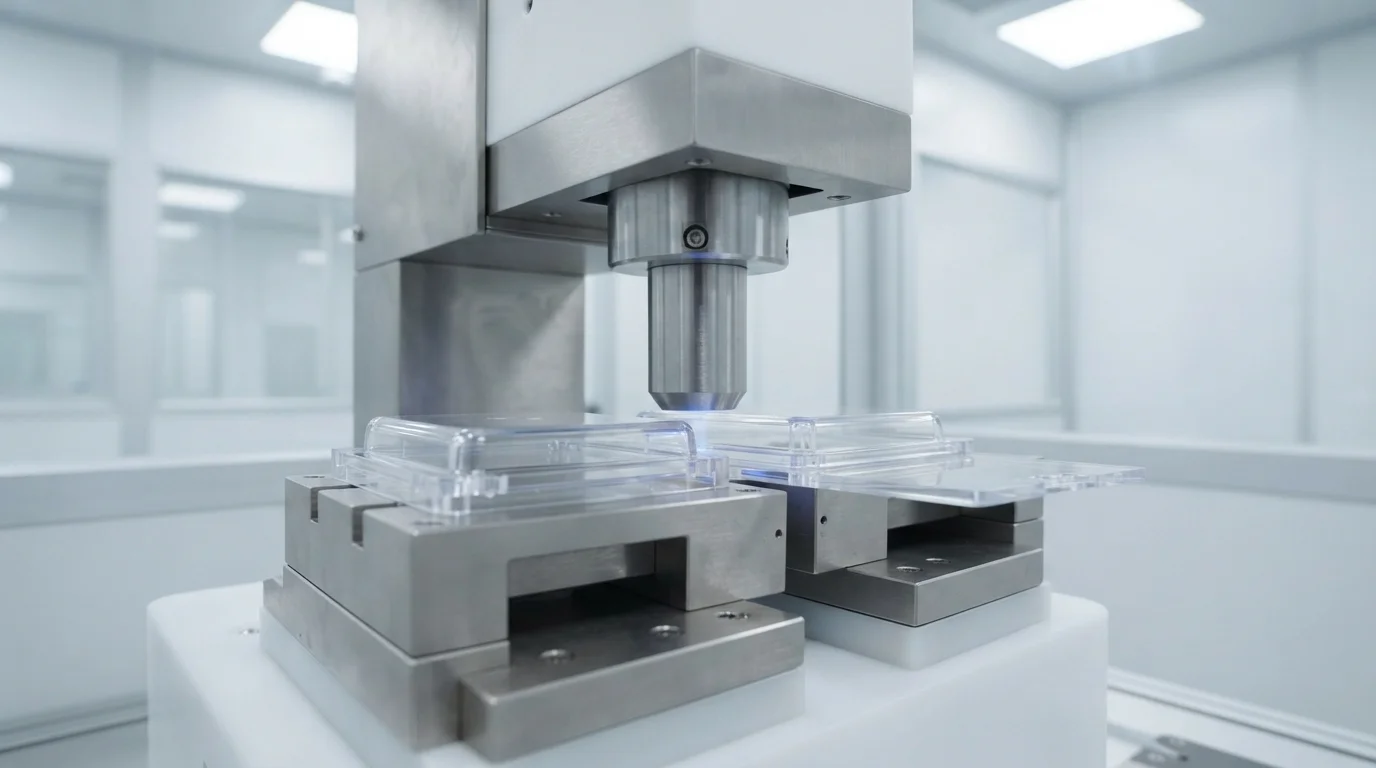
Completing medical devices often requires secondary operations executed inside the same particle-controlled environment. Executing ultrasonic plastic welding inside the cleanroom seals microfluidic diagnostic chips and multi-cavity fluid manifolds without using chemical adhesives. High-frequency ultrasonic vibrations fuse plastic mating surfaces within milliseconds, creating hermetic seals that resist fluid pressure. Secondary cleanroom services include fluidic leak testing, automated optical inspection, tamper-evident pouch sealing, and custom kit packaging. Integrating molding, welding, and primary packaging under one cleanroom roof streamlines supply chain logistics while preserving medical sterility.
Cleanroom secondary operations capabilities include:
- Ultrasonic plastic bonding—Hermetically joining microfluidic channels without introducing solvent adhesives or chemical outgassing.
- Fluidic pressure leak testing—Verifying seals on 100% of diagnostic cartridges using automated differential pressure decay sensors.
- Medical pouch thermal sealing—Enclosing sterile assemblies inside sealed pouches ready for downstream sterilization.
Häufig gestellte Fragen (FAQs)
What airborne particle limits define an ISO Class 8 cleanroom for plastic molding?
ISO Class 8 cleanroom standards permit a maximum of 3,520,000 particles per cubic meter for particles measuring 0.5 microns or larger. Air handling systems utilize continuous positive pressure and HEPA filtration to maintain this purity level during molding operations.
Which plastic resins are most commonly used for IVD diagnostic microfluidic chips?
Cyclic olefin copolymers (COC) and cyclic olefin polymers (COP) are preferred for IVD microfluidic chips due to their glass-like optical clarity, low autofluorescence, and superior chemical resistance. Medical-grade PMMA and polycarbonate are also widely processed for diagnostic housings.
How do you prevent bio-burden accumulation during medical plastic molding?
Preventing bio-burden accumulation relies on automated robotic part extraction, anti-static air ionizers, and strict operator cleanroom gowning protocols. Molding and primary Tyvek pouch sealing occur within the same particle-controlled cell to maintain sterile integrity.