
تعريض أجهزة الاستشعار الإلكترونية وقضبان توصيل البطاريات عالية الجهد وتجميعات الكابلات لسوائل السيارات القاسية والرطوبة المحيطة يسرع من الفشل التآكلي. مركبات التغليف التقليدية وأختام السيليكون الثانوية تتشقق تحت الاهتزاز الميكانيكي المستمر، مما يسمح للسوائل الإلكتروليتية بقصر الدوائر الداخلية. تغليف التلامسات المعدنية ولوحات الدوائر المطبوعة مباشرة داخل اللدائن الهندسية الحرارية يخلق حاجزًا متجانسًا يوقف تسرب البيئة.
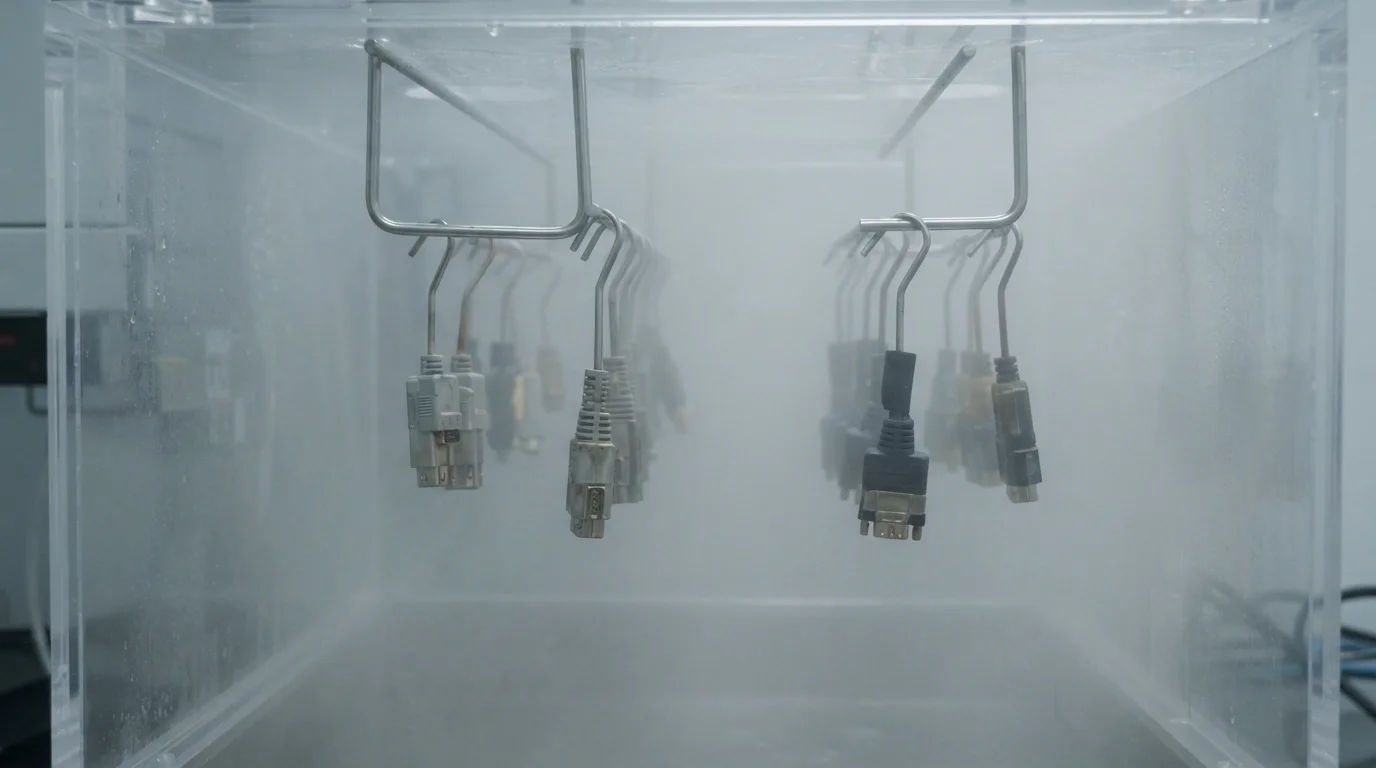
تحقيق رابطة قوية عبر المواد غير المتجانسة يتطلب موازنة طاقات سطح المعدن مع درجات حرارة انصهار البوليمر. يستكشف هذا الدليل الهندسي التقني تصميم الإغلاق المتاهي، وتعويض التمدد الحراري التفاضلي، ومعايير العزل عالي الجهد.
جدول المحتويات
تغليف مقاوم للماء بمعيار IP67 لأجهزة الاستشعار والمكونات الكهربائية
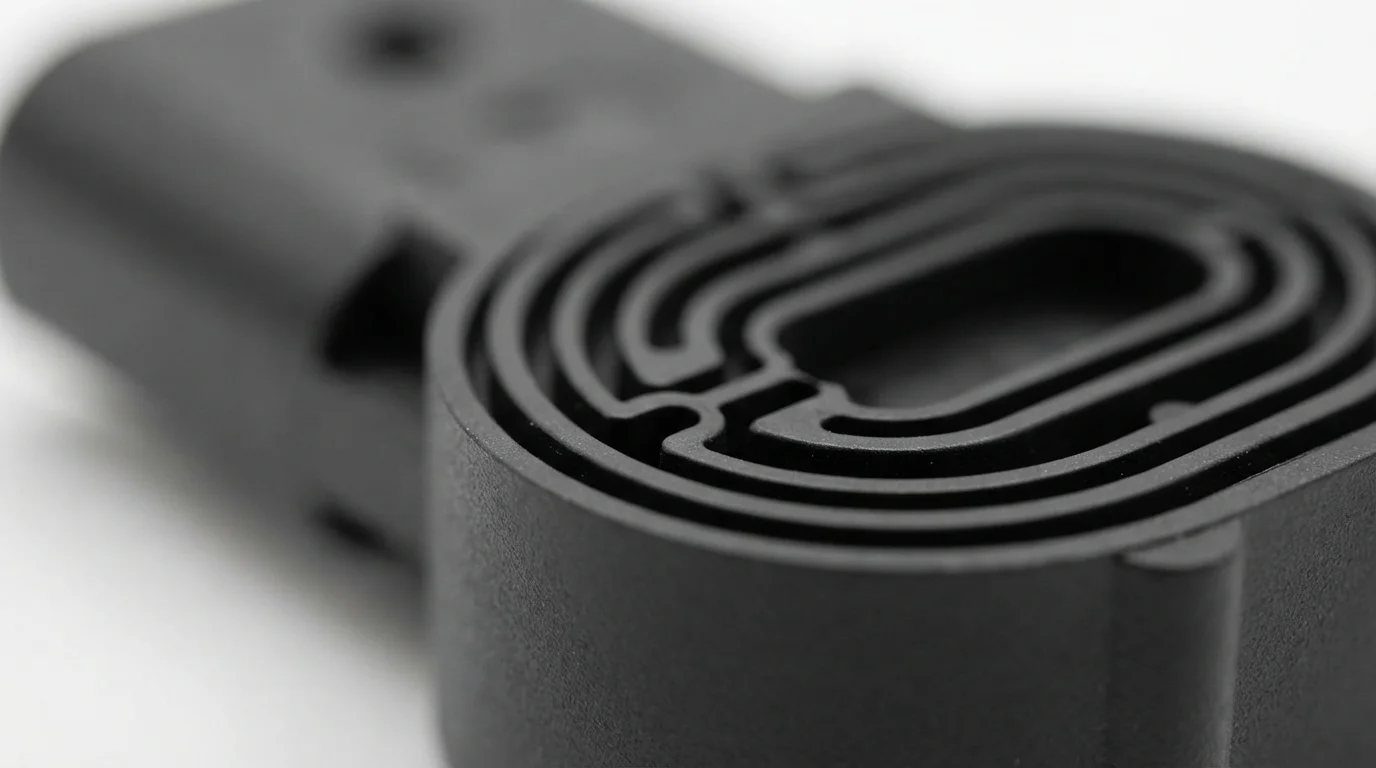
حماية المكونات الداخلية الحساسة من الرطوبة ورذاذ ملح الطريق والغسيل بالضغط الديناميكي يتطلب حماية قوية من الدخول. تحقيق إحكام بمعيار IP67 أو IP69K مع منع تسرب السوائل أثناء إدراج القولبة الزائدة يتطلب إنشاء سلس أسطح إحكام مانعة للتسرب. يجب أن يتدفق البوليمر المنصهر بشكل وثيق حول الملامح المعدنية، مما يلغي الفجوات الدقيقة التي تعمل كمسارات شعرية لدخول الرطوبة. تصميم حواف متعرجة مرتفعة على طول الحدود المعدنية البلاستيكية يطيل مسافات الزحف الفيزيائية، مما يمنع الانحناء الكهربائي عالي الجهد.
الجدول 1 أدناه يقارن آليات الإحكام وتصنيفات البيئة عبر تكوينات تغليف الإدراج الشائعة:
| بنية التغليف | المعدن الأساسي للركيزة | البوليمر المقولب الزائد | تصنيف الحماية من الدخول | المقاومة البيئية الرئيسية |
|---|---|---|---|---|
| جسم المستشعر المختوم بالمتاهة | دبابيس نحاسية مطلية بالذهب | PBT / PA66-GF30 | غمر IP67 / IP68 | يقاوم زيت ناقل الحركة وسائل الفرامل |
| قضيب توصيل عالي الجهد للسيارات الكهربائية | شريط نحاسي مختوم (C11000) | PA66 برتقالي (UL94 V-0) | غسيل عالي الضغط IP69K | يمنع الانهيار العازل بجهد 800 فولت |
| حزام توصيل الموصلات الصناعية | ملامسات فولاذية مطلية بالنيكل | سانتوبرين TPV / TPU | حماية من الغبار والرطوبة IP67 | يقاوم التنظيف الكيميائي والتعرض للأشعة فوق البنفسجية |
قولبة البلاستيك فوق الإدخالات المعدنية والمجموعات الفرعية
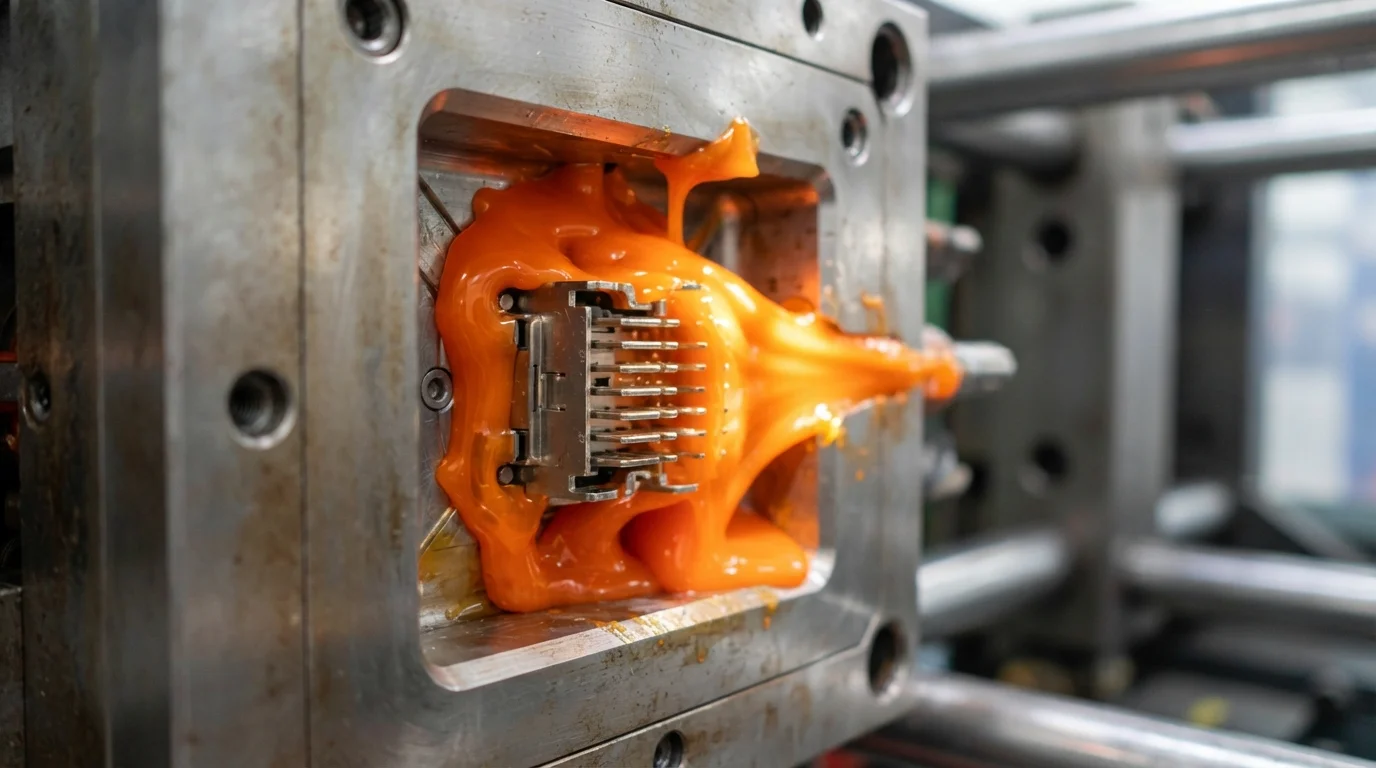
تجميعات هندسية معقدة تجمع بين مثبتات نحاسية ملولبة مُشكّلة مسبقًا مثبتات نحاسية ملولبة, قضبان توصيل نحاسية, وأحزمة أسلاك مرنة في غلاف بلاستيكي موحد. تتمحور التحديات التقنية الرئيسية في قولبة الإدخالات حول منع إزاحة الإدخال تحت ضغوط الحقن الهيدروديناميكية الشديدة. الراتنجات الهيكلية مثل PA66-GF30 أو بولي كربونات (PC) توفر قدرة تحميل عالية الصلابة، بينما المركبات المطاطية مثل Santoprene TPV توفر توسيدًا خارجيًا. تقوم الأتمتة الروبوتية بتحميل التجميعات الفرعية المعدنية المشكلة مسبقًا في تجاويف اللب بدقة تحديد موضع دون المليمتر قبل كل دورة إغلاق.
تشمل خطوات التغليف غير المتجانسة:
- تحميل الإدخالات المعدنية تلقائيًا—باستخدام أدوات نهاية الذراع الروبوتية لوضع جهات الاتصال المعدنية بشكل آمن فوق دبابيس تحديد موضع اللب.
- تسخين الركائز المعدنية مسبقًا—تسخين الإدخالات المعدنية إلى 100 درجة مئوية يقلل من التدرجات الحرارية أثناء ملامسة البوليمر.
- الحقن المتحكم في السرعة—حقن الراتنج تحت تحكم حلقة مغلقة في السرعة يملأ التجاويف الضيقة دون إزاحة الإدخالات.
- الضغط العالي—الحفاظ على ضغط الضغط يضمن انكماش البوليمر بإحكام حول النتوءات المعدنية.
التغلب على إجهاد التمدد الحراري التفاضلي (CTE)
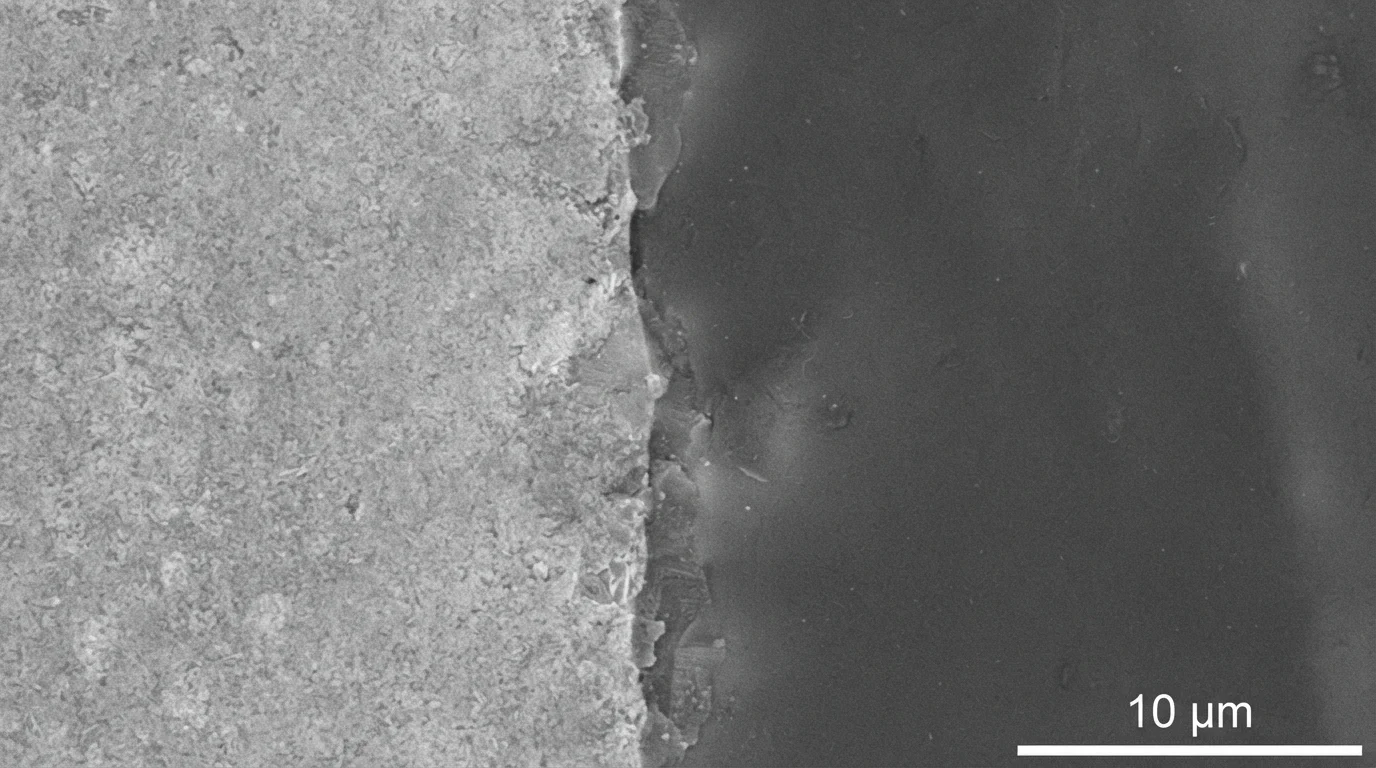
إدارة عدم تطابق CTE بين المعادن الصلبة والبوليمرات المحيطة يمنع التشقق الناتج عن الإجهاد بعد القولبة. يتمدد النحاس والبرونز بمعدل 16.5 إلى 18.5 جزء في المليون/كلفن، بينما تتمدد البوليمرات الهندسية غير المعبأة بمعدل 60 إلى 100 جزء في المليون/كلفن عند التسخين. أثناء thermal shock testing spanning -40°C to 125°C, thermal expansion differentials generate severe tensile hoop stress inside the plastic boss wall.
Executing successful insert overmolding depends on selecting high-elongation resin formulations that absorb elastic strain without cracking. Adding glass fibers to the resin matrix lowers polymer CTE, bringing it into close alignment with metallic expansion rates.
Why Choose JUCHENG for Complex Insert Overmolding
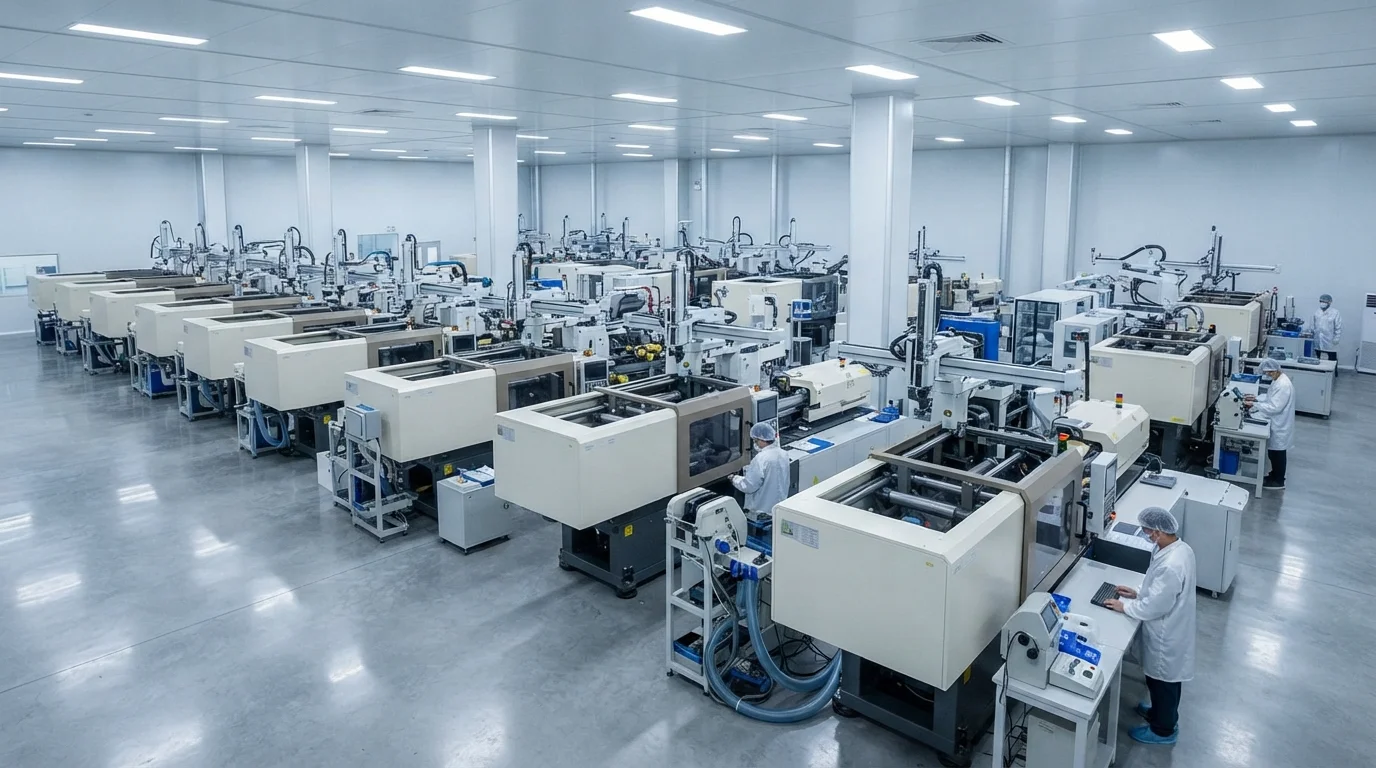
Partnering with JUCHENG for metal-plastic encapsulation projects provides access to an extensive production floor equipped with 35+ automated injection presses ranging from 15T to 3000T clamping force. Operating an in-house tool room with 25 sets of 5-axis CNC machines permits precise machining of shut-off steel lands from hardened الفولاذ المقاوم للصدأ S136 أو فولاذ الأدوات H13. Combining metal inserts with rubber layers via insert overmolding complements our core حقن القولبة الزائدة capabilities.
Quality management systems certified to IATF 16949 and ISO 13485 back every multi-shot production run, offering full PPAP Level 3 documentation for automotive programs. Operating an ISO Class 8 cleanroom molding department protects medical components from particulate contamination during molding and drop-packaging.
الأسئلة الشائعة (FAQs)
What is the main difference between insert molding and insert overmolding?
Insert molding typically encapsulates metal fasteners inside a single rigid plastic resin. Insert overmolding involves a multi-layer process where a metal insert is encapsulated in rigid plastic and subsequently covered with a flexible elastomer layer like TPE or TPU.
How do you prevent plastic from leaking onto metal contact pins during molding?
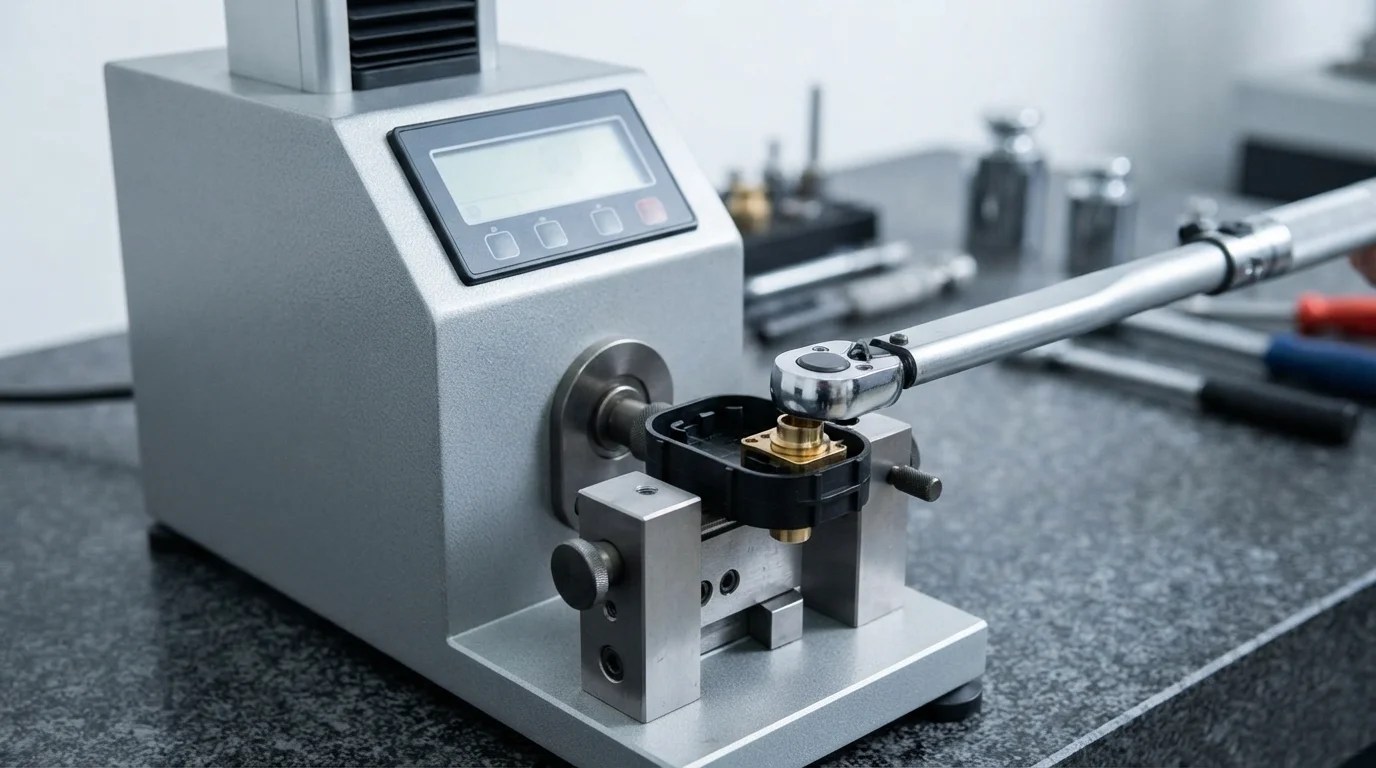
Preventing plastic flash requires machining mold shut-off lands with tolerances tighter than 0.01 mm. Precision-ground steel lands clamp firmly against the metal insert shoulder, forming a mechanical barrier that blocks molten plastic.
Why is preheating metal inserts critical before overmolding?
Preheating metal inserts to 100°C reduces the temperature differential between cold metal and molten plastic. Lower thermal gradients prevent the polymer skin from freezing prematurely, reducing residual stresses that cause cracking.
How does insert overmolding achieve IP67 waterproof sealing?
تحقيق إحكام IP67 يعتمد على قولبة راتنجات الإيلاستومر مثل Santoprene TPV مباشرة فوق الأسلاك المعدنية وطبقات الهيكل. يتمدد الإيلاستومر المنكمش بإحكام حول المقطع المعدني، مكونًا حشية مستمرة.
ما هي أفضل أنواع البلاستيك لتغليف قضبان التوصيل ذات الجهد العالي في المركبات الكهربائية؟
يفضل استخدام بولي أميد 66 المثبط للهب (PA66-GF30) وعديد بوتيلين تيريفثالات (PBT) لقضبان التوصيل ذات الجهد العالي. تجمع هذه الراتنجات بين الصلابة الميكانيكية العالية، ومثبطات اللهب UL94 V-0، وقيم مؤشر التتبع المقارن (CTI) التي تتجاوز 600 فولت.
هل يمكن تغليف لوحات الدوائر الإلكترونية (PCBs) مباشرة باستخدام القولبة الزائدة بالحقن؟
يتم التغليف المباشر للوحات الدوائر الإلكترونية باستخدام راتنجات بولي أميد منصهرة منخفضة الضغط أو حقن ثانوي لطيف. تحمي ضغوط الحقن المنخفضة وصلات اللحام الدقيقة والوصلات السلكية من التلف الناتج عن السحق الميكانيكي.