Polybutylene Terephthalate (PBT)

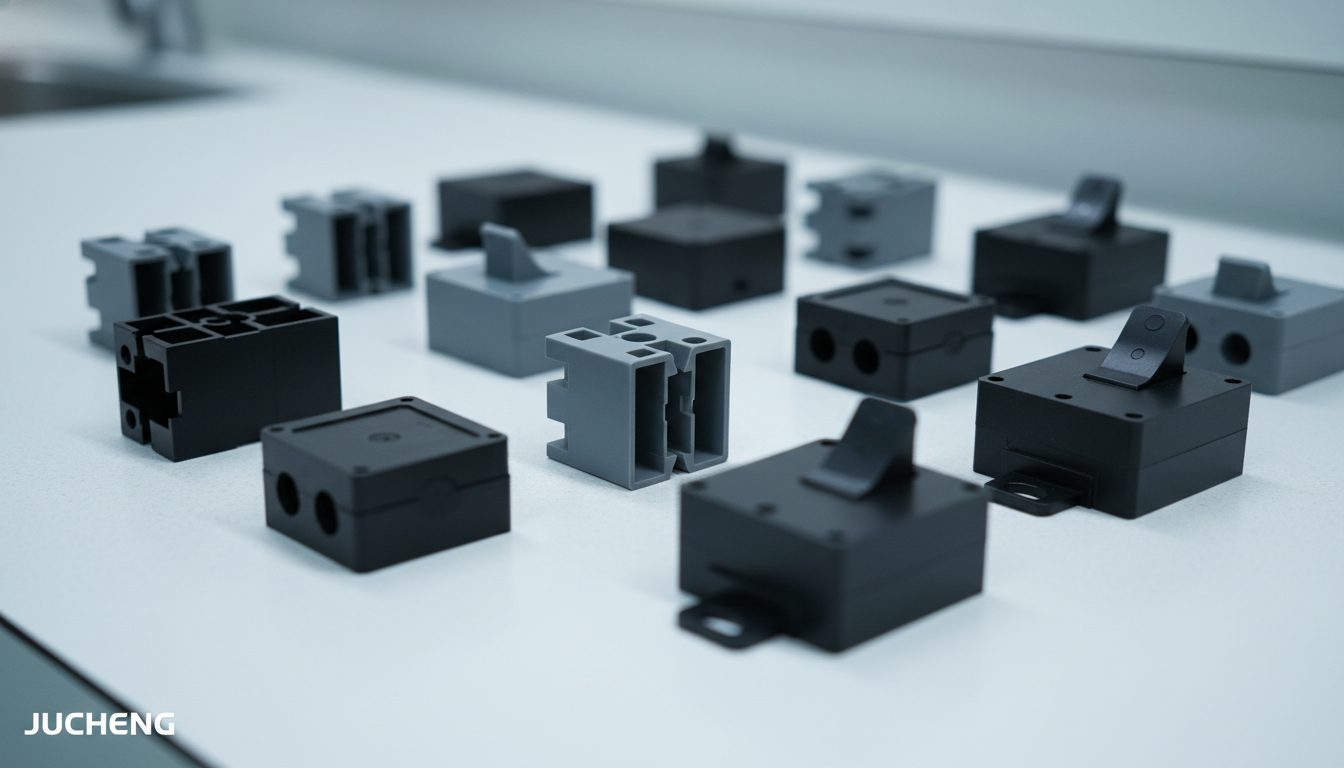
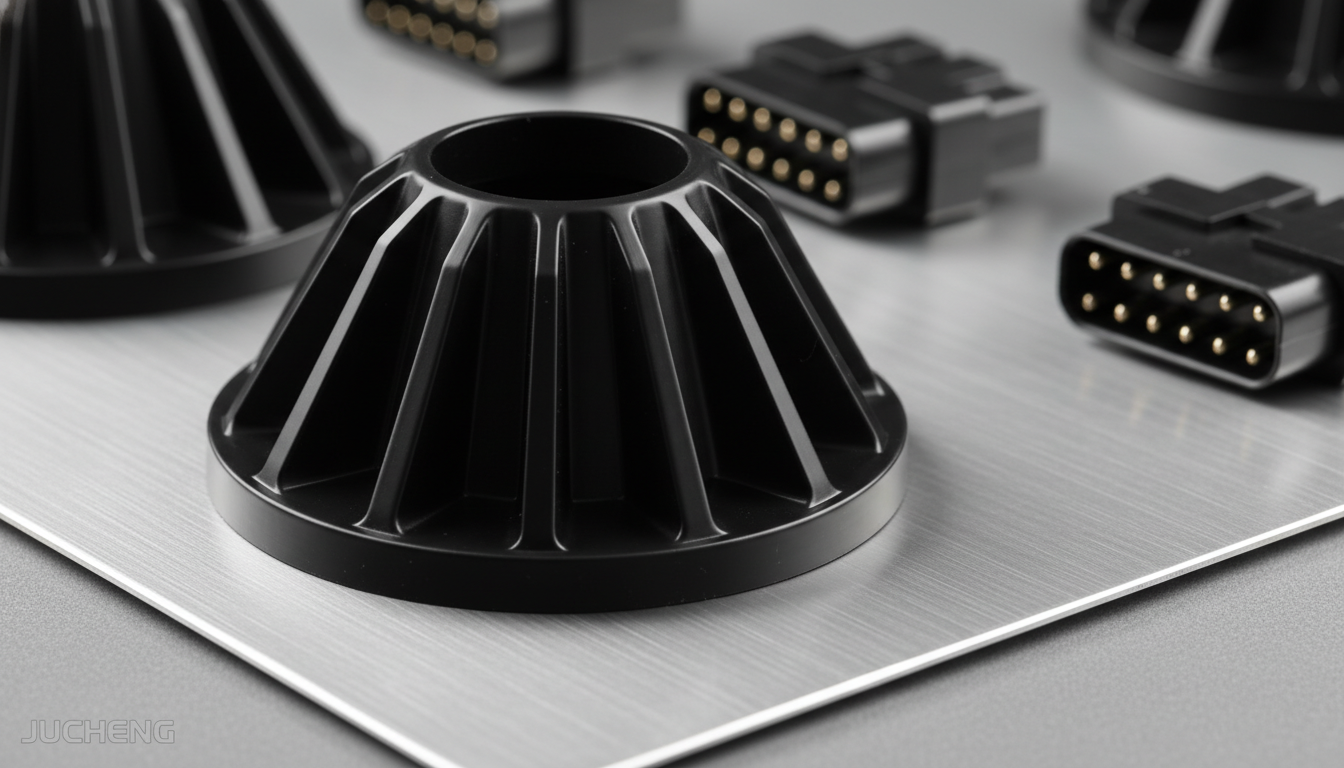
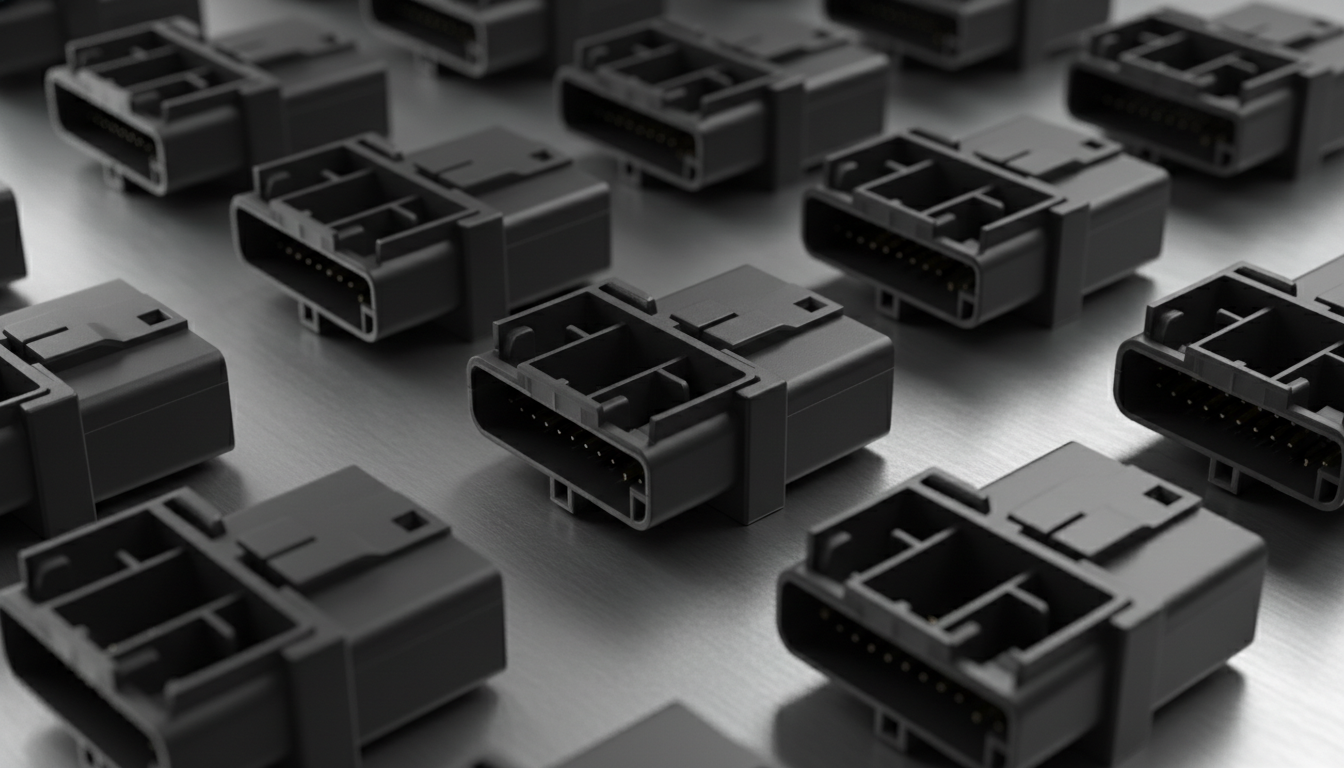
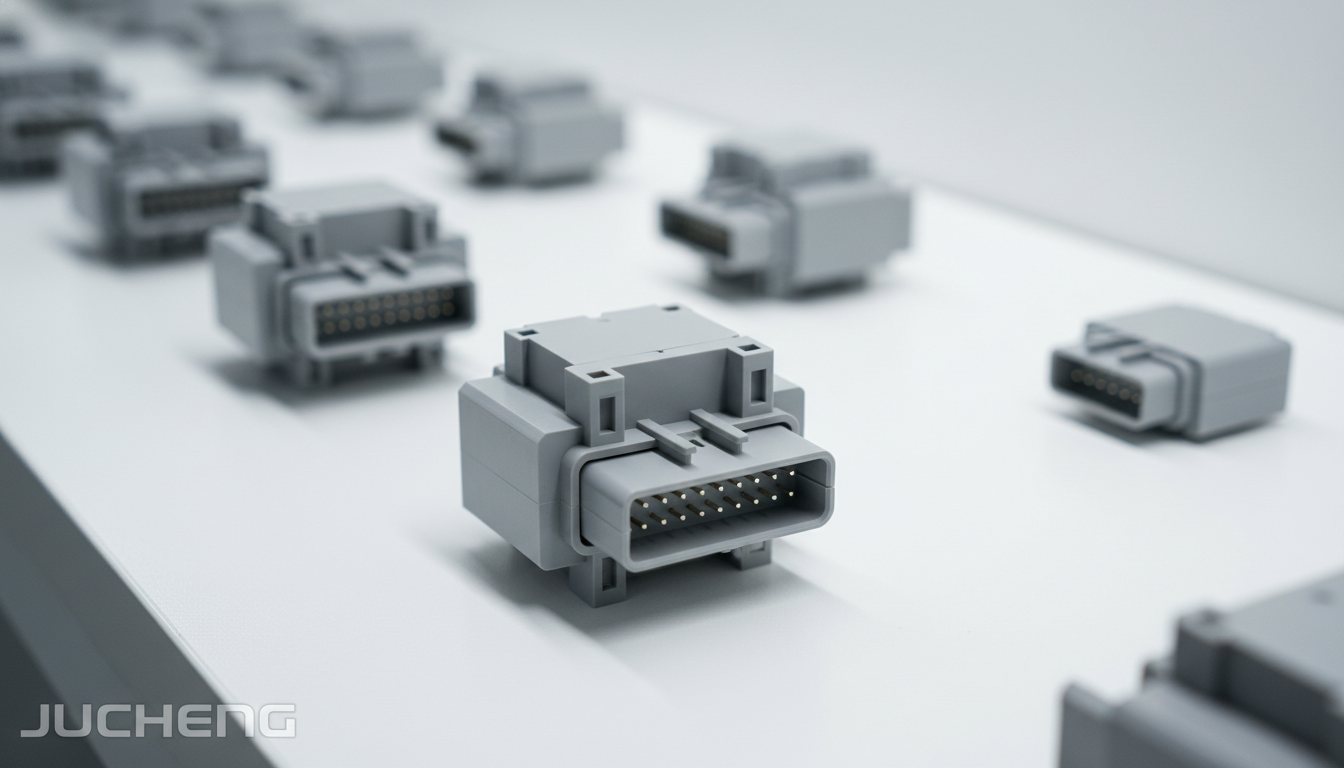
Polybutylene Terephthalate (PBT) is a high-performance semi-crystalline engineering polyester valued for its outstanding electrical insulation properties, high mechanical strength, chemical resistance, and rapid crystallization rate. At Jucheng Precision, an ISO 9001, ISO 13485, and IATF 16949 certified manufacturer, we specialize in high-precision PBT injection molding (both unreinforced and glass-fiber reinforced). Utilizing 35+ advanced molding presses (50-650T) and 25+ in-house 5-axis CNC machines, we strictly control PBT's hydrolytic sensitivity and anisotropic mold shrinkage (0.3%-2.2%). We provide a free DFM analysis within 24 hours to optimize gate design and cooling, delivering zero-defect automotive connectors verified by Zeiss CMM inspection.

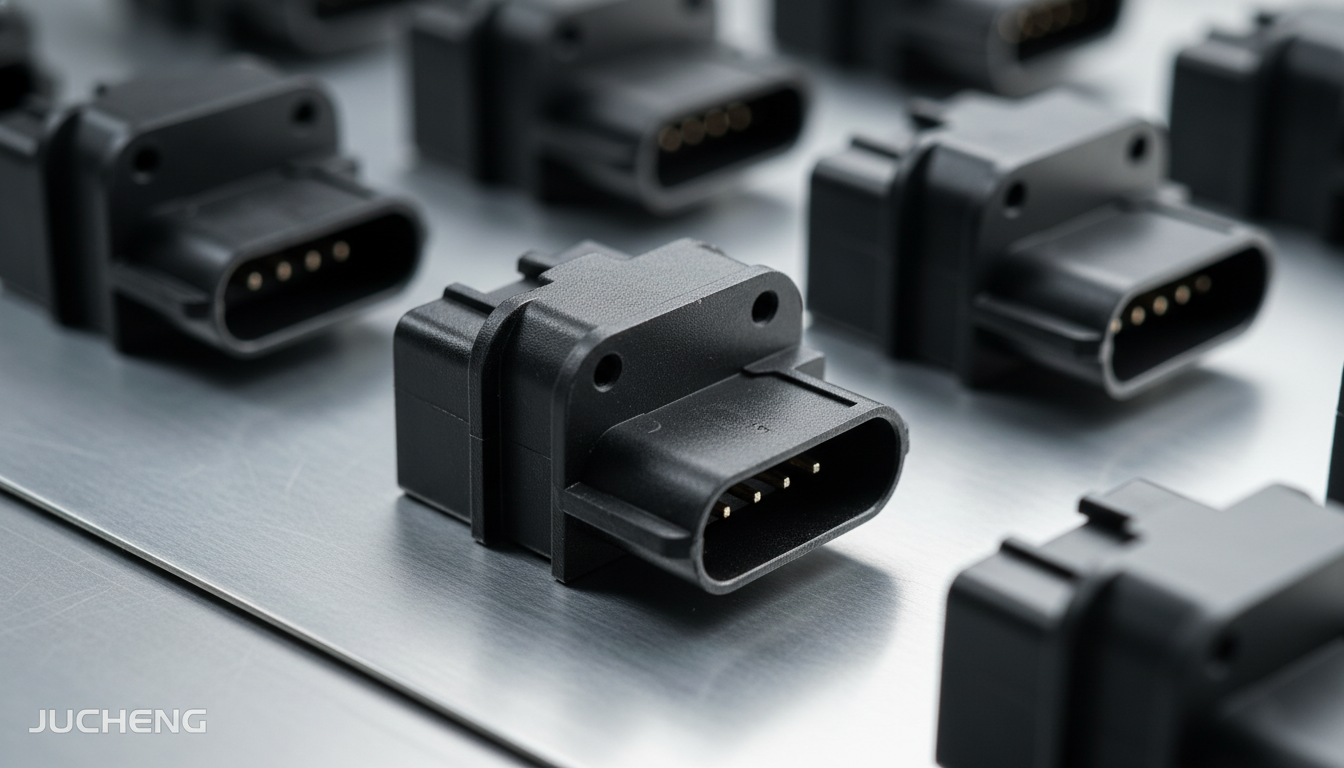
Precision-injection-molded-black-PBT-automotive-connectors-and-electrical-terminal-blocks-1

Our available materials

PBT-BASF Ultradur B4406

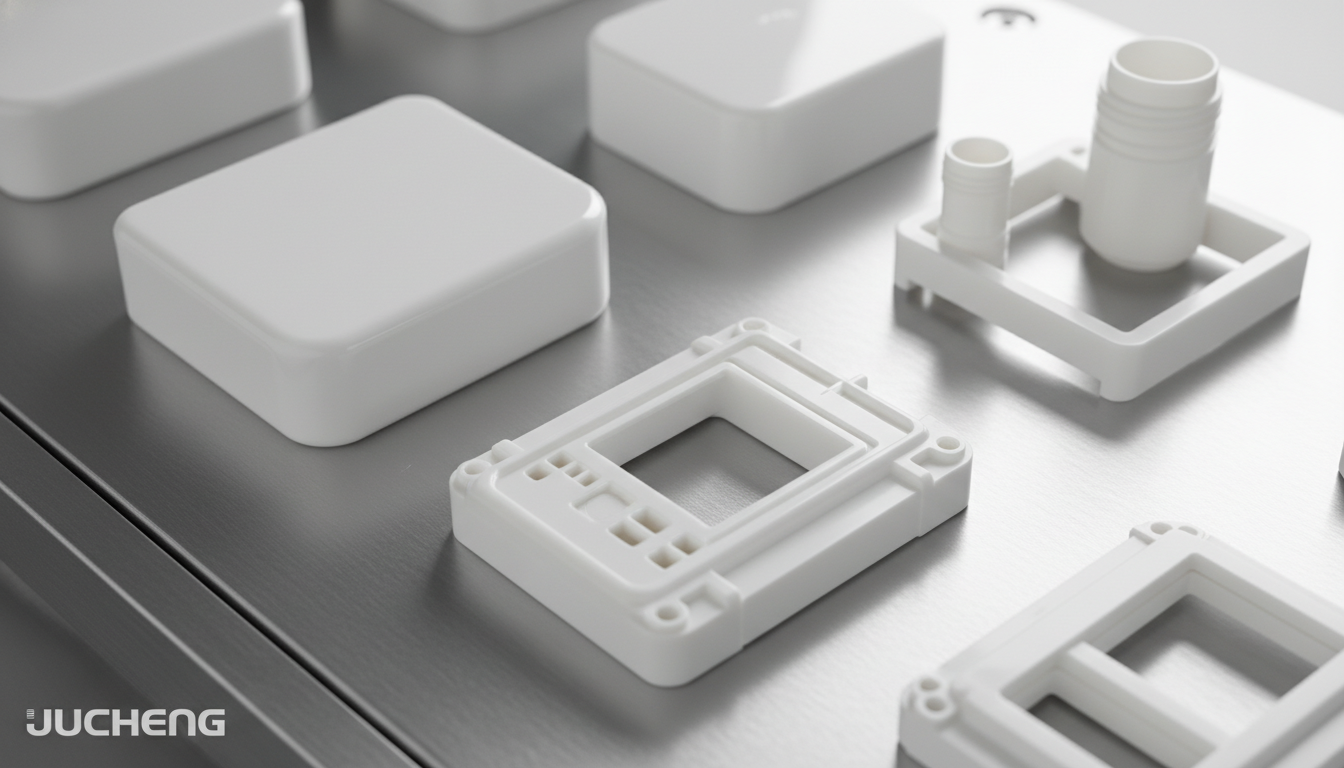
To satisfy critical fire safety requirements in high-voltage microelectronics without compromising electrical insulation or physical finish, BASF’s Ultradur B4406 leverages an unreinforced, polybutylene terephthalate matrix with a specialized, migration-free flame retardant package. Boasting a density of 1.45 g/cm³ and a melt volume-flow rate of 19 cm³/10 min, this pure PBT grade achieves an outstanding UL 94 V-0 rating down to a thin-walled 0.4mm. Jucheng Precision, under ISO 9001 and IATF 16949 certified systems, excels in high-precision molding of Ultradur B4406. Using S136 stainless steel molds, we prevent corrosive outgassing wear, delivering flash-free, stable electronic connectors verified by Zeiss CMM.
READ MORE

PBT-BASF Ultradur B4500

Securing excellent dimensional stability and high elongation-at-break without the added weight of glass fibers requires a balanced engineering polymer, which BASF’s Ultradur B4500 delivers through its unreinforced, medium-viscosity polybutylene terephthalate matrix. Boasting a density of 1.30 g/cm³ and a melt volume rate of 19 cm³/10 min (at 250°C/2.16kg), this pure PBT grade is globally specified for high-precision components, food-contact systems, and thin-walled profiles. Jucheng Precision, operating under IATF 16949 and ISO 9001 frameworks, specializes in molding Ultradur B4500. Backed by 35+ advanced presses and five-axis tooling, we control its high semi-crystalline shrinkage (1.6%-1.9%) to eliminate warpage, delivering flawless components verified by Zeiss CMM.

READ MORE

PBT-DuPont Crastin SK605

Achieving uncompromised electrical insulation alongside heavy-duty mechanical stiffness under high heat requires a high-performance polyester, which Celanese’s Crastin SK605 (formerly DuPont) delivers through its 30% glass fiber reinforced polybutylene terephthalate matrix. Featuring a density of 1.53 g/cm³ and a melt mass-flow rate of 10 g/10 min, this lubricated, semi-crystalline grade is the global benchmark for intricate automotive connector arrays, electrical bobbins, and consumer appliances. Jucheng Precision, under IATF 16949 and ISO 9001 frameworks, specializes in molding Crastin SK605. Supported by our 5-axis CNC-machined H13 steel tooling, we control its anisotropic shrinkage (0.3% parallel, 1.1% normal) to eliminate warpage, verified by Zeiss CMM.

READ MORE

PBT-Sabic Valox 357

To achieve ultimate dielectric isolation, high-heat flammability resistance, and superior impact toughness in electrical enclosures, SABIC's Valox 357 stands as the premier unreinforced PBT+PC alloy benchmark. Featuring a density of 1.34 g/cm³ and a non-blooming flame retardant package, this material delivers a V-0 flammability rating at 0.75mm and a 5VA rating at 2.5mm. Jucheng Precision, operating under IATF 16949 and ISO 13485 frameworks, specializes in molding Valox 357. Backed by 35+ advanced injection presses and 5-axis CNC-machined H13 tooling, we control its complex alloy shrinkage (0.8%-1.4%) to eliminate weld-line weakness, delivering high-gloss, pristine electrical components verified by Zeiss CMM.

READ MORE

PBT-Sabic Valox 420

Sustaining high mechanical torque and exceptional dimensional stability under high-voltage EV and under-the-hood thermal loads requires a heavy-duty composite, which SABIC's Valox 420 delivers through its 30% glass fiber reinforced polybutylene terephthalate matrix. Boasting a high density of 1.53 g/cm³ and a heat deflection temperature (HDT) of 207°C, this semi-crystalline grade is globally specified for electric motor components, spotlight housings, and heavy-duty connectors. Jucheng Precision, operating under IATF 16949 and ISO 9001 frameworks, specializes in molding Valox 420. Utilizing 5-axis CNC-machined S136 tool steel cores hardened to 50 HRC, we control its anisotropic shrinkage (0.3%-1.0%) to prevent warpage, delivering flash-free structural parts verified by Zeiss CMM.

READ MORE

Comprehensive Polybutylene Terephthalate (PBT) Grades We Mold

We process high-performance PBT resins and blends from world-class petrochemical leaders, delivering optimal electrical isolation and structural integrity:

PBT Material Class Typical Brand & Grade Key Characteristics & Advantages
Unreinforced PBT • Sabic Valox 357
• BASF Ultradur B4500
• DuPont Crastin SO653
Excellent electrical properties, high flowability, and smooth surface aesthetics. Widely used for coil bobbins, decorative switches, and electrical components.
Glass-Filled Reinforced • Sabic Valox 420 (30% GF)
• BASF Ultradur B4300G6 (30% GF)
• DuPont Crastin SK605 (30% GF)
Drastically elevated tensile strength, dimensional stability, and Heat Deflection Temperature (HDT up to 210°C). Ideal for automotive sensor housings, connector housings, and structural brackets.
Flame Retardant (FR) • Sabic Valox 420SEO (30% GF FR)
• BASF Ultradur B4406 (Unreinforced FR)
• DuPont Crastin FR684
Meets UL 94 V-0 flammability standards with excellent dielectric strength and insulation resistance under high thermal stress. Specified for switches, circuit breakers, and relay housings.
Modified Alloys / Blends • Sabic Valox 855 (PBT/ASA)
• Lanxess Pocan TS3220 (PBT/PET)
Engineered to minimize differential shrinkage and warpage while improving surface gloss and weatherability. Used in large automotive grilles and aesthetic outer trims.

Applicable Molding Processes for PBT

PBT’s fast crystallization speed and low melt viscosity make it exceptionally suitable for complex structural molds:

Molding Process Process Suitability & Application
Standard Injection Molding Excellent. Highly optimized for manufacturing high-insulation electrical sockets, switches, coil bobbins, and functional industrial covers.
Thin-Wall Molding High. PBT’s easy-flow characteristics support high-pressure injection to fill extremely thin-walled electronic connector grids without short shots.
Insert Molding Excellent. Widely applied in the automotive electronic industry to encapsulate brass terminal pins and conductive strips directly inside PBT housings.

Polybutylene Terephthalate (PBT) Injection Molding Guide

PBT is a polyester material that is highly sensitive to hydrolytic degradation at elevated processing temperatures. Strict manufacturing protocol execution is essential:

  • Pre-Drying: PBT undergoes rapid hydrolysis if molded wet, causing polymer chain cleavage and severe brittle failure. Raw resin must be dried in desiccant dryers at 120°C (248°F) for 3–4 hours, keeping moisture content strictly below 0.02%.
  • Melt Temperature: Processed between 240°C and 275°C (464°F to 527°F). Temperatures exceeding 285°C can cause PBT to degrade thermal structures.
  • Mold Temperature: Managed between 40°C and 80°C (104°F to 176°F) for unreinforced grades, and up to 100°C for glass-filled grades to reduce fiber visibility on part surfaces.
  • Warping and Shrinkage Control: Pure PBT exhibits high isotropic shrinkage (1.5% to 2.2%), whereas glass-filled PBT reduces shrinkage to 0.3%–0.8% but introduces anisotropic (differential) shrinkage along flow paths. Jucheng’s tooling engineers use advanced Moldflow analysis to optimize gate placement and minimize warping.

Key Application Industries for Molded PBT Parts

  • Automotive Powertrains & Sensors (IATF 16949): Ignition coil bobbins, sensor housings, distributor caps, headlight bezels, wiper arms, fuse boxes, and electric throttle bodies.
  • Electrical & Electronic Hardware: Electrical connector shells, terminal blocks, circuit breaker parts, relays, and optical fiber buffer tubes.
  • Consumer & Household Appliances: Hair dryer grilles, iron housings, microwave oven door handles, toaster bodies, and oven rotary switches.
  • Industrial Machinery & Telecommunications: Chemical pump housings, impeller blades, industrial valve components, and telecommunication fiber enclosures.

Material Properties

Density (Unreinforced) 1.30 - 1.33 g/cm³
Density (30% GF) 1.50 - 1.55 g/cm³
Tensile Strength at Yield (Unreinforced) 50 - 65 MPa
Tensile Strength at Yield (30% GF) 120 - 150 MPa
Tensile Elongation at Break 10 - 50 %
Flexural Modulus (Unreinforced) 2,500 - 3,000 MPa
Flexural Modulus (30% GF) 8,000 - 10,500 MPa
Izod Impact Strength (Notched, 23°C) 40 - 90 J/m
Melting Temperature 220 - 225 °C
Heat Deflection Temperature (HDT @ 0.45 MPa) 150 - 215 °C
Linear Mold Shrinkage 0.3 - 2.2 %
Dielectric Strength 20 - 30 kV/mm
Volume Resistivity 1.0E+16 Ohm·cm
Maximum Part Size 1000 x 800 mm
Minimum Part Size 1 x 1 mm