
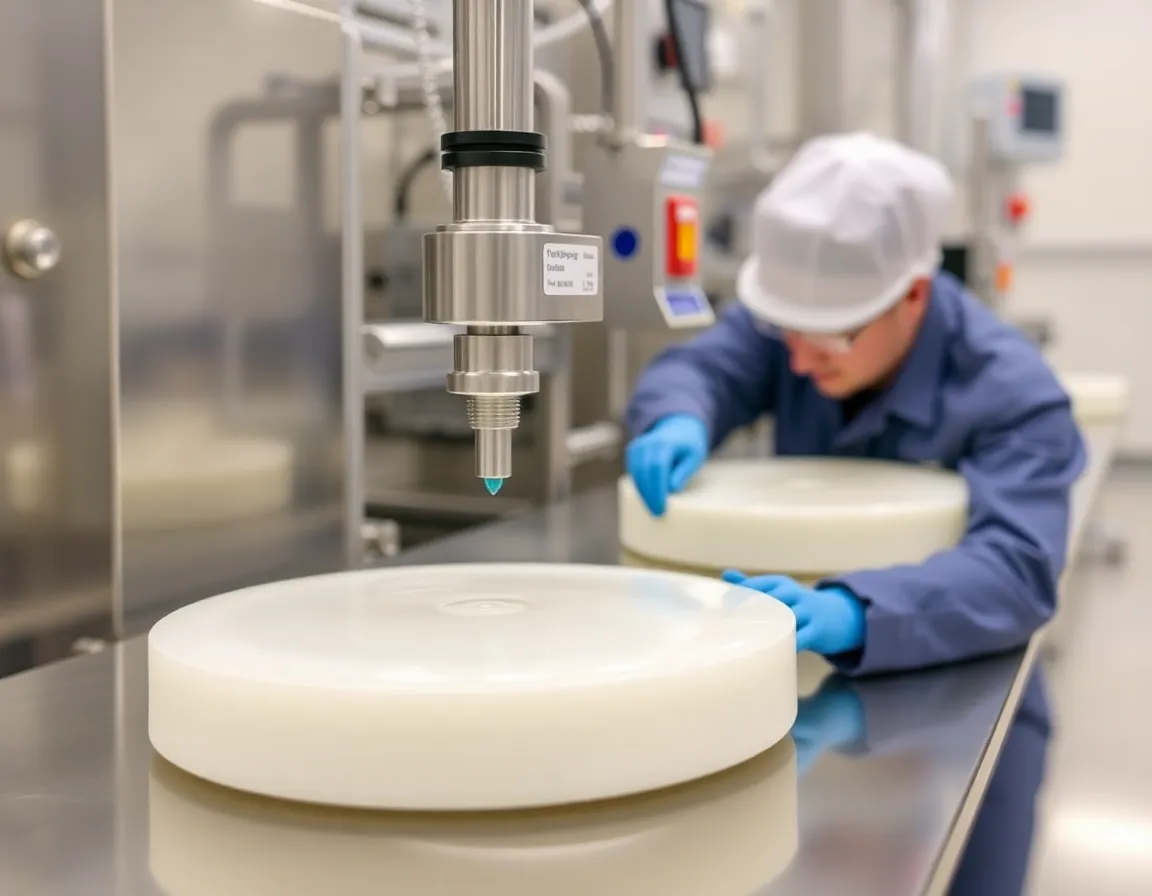
Giới thiệu về lắp ráp nhựa y tế chính xác
Ngành công nghiệp thiết bị y tế là một trong những lĩnh vực được quản lý chặt chẽ nhất trong nền kinh tế toàn cầu, đòi hỏi mức độ chính xác, độ tin cậy và vô trùng chưa từng có. Trọng tâm của nhiều thiết bị cứu sống và chẩn đoán là lắp ráp nhựa y tế—quy trình chuyên biệt để nối, liên kết và tích hợp các thành phần nhựa thành các sản phẩm y tế chức năng. Từ dụng cụ phẫu thuật dùng một lần đến hệ thống phân phối thuốc cấy ghép phức tạp, tính toàn vẹn của các cụm lắp ráp này ảnh hưởng trực tiếp đến an toàn bệnh nhân và kết quả lâm sàng. Bài viết này khám phá những lợi ích quan trọng của dịch vụ lắp ráp nhựa y tế chính xác, cung cấp tổng quan toàn diện về các dịch vụ này bao gồm những gì, cơ chế hoạt động của chúng và lý do tại sao chúng không thể thiếu cho sự đổi mới chăm sóc sức khỏe hiện đại.
Lắp ráp nhựa y tế là gì?
Lắp ráp nhựa y tế đề cập đến các quy trình sản xuất được sử dụng để kết hợp nhiều bộ phận nhựa—thường là đúc phun, đùn ép hoặc tạo hình nhiệt—thành một thiết bị y tế hoặc cụm lắp ráp con hoàn chỉnh. Không giống như lắp ráp nhựa thông thường, các ứng dụng y tế yêu cầu tuân thủ các tiêu chuẩn quy định nghiêm ngặt như ISO 13485, FDA 21 CFR Phần 820 và Thực hành Sản xuất Tốt (GMP). Các dịch vụ này bao gồm một loạt các kỹ thuật ghép nối, bao gồm hàn siêu âm, hàn laser, liên kết dung môi, liên kết keo dán, gắn nhiệt và lắp ghép áp lực. Mỗi phương pháp được lựa chọn dựa trên đặc tính vật liệu, hình dạng thiết kế và yêu cầu chức năng của thiết bị, đảm bảo cụm lắp ráp cuối cùng đáp ứng các tiêu chí hiệu suất và tương thích sinh học nghiêm ngặt.
Các Thành Phần Chính của Dịch Vụ Lắp Ráp Nhựa Y Tế
Một nhà cung cấp dịch vụ lắp ráp nhựa y tế chuyên nghiệp thường cung cấp hỗ trợ trọn gói, từ tư vấn thiết kế cho sản xuất (DFM) đến kiểm tra chất lượng cuối cùng. Các dịch vụ cốt lõi bao gồm:
- Hướng dẫn lựa chọn vật liệu: Tư vấn chuyên môn về việc chọn các loại polymer cấp y tế như polycarbonate, ABS, PEEK, polypropylene và silicone đáp ứng các tiêu chuẩn tương thích sinh học USP Class VI hoặc ISO 10993.
- Phát triển quy trình ghép nối: Tối ưu hóa các thông số hàn, công thức keo dán hoặc hệ thống dung môi để đạt được các mối liên kết chắc chắn, chống rò rỉ và lặp lại được.
- Lắp ráp trong phòng sạch: Sản xuất trong môi trường được kiểm soát (ISO Class 7 hoặc 8) để giảm thiểu ô nhiễm hạt và đảm bảo vô trùng cho các thiết bị quan trọng.
- Lắp ráp tự động và thủ công: Tích hợp robot cho sản xuất khối lượng lớn, nhất quán, kết hợp với lắp ráp thủ công lành nghề cho các sản phẩm phức tạp hoặc khối lượng thấp.
- Đảm bảo chất lượng và kiểm tra: Thực hiện kiểm tra trong quá trình sản xuất, kiểm tra độ bền kéo, kiểm tra áp suất nổ, kiểm tra rò rỉ và xác minh kích thước để xác nhận tính toàn vẹn của cụm lắp ráp.
Cách Lắp Ráp Nhựa Y Tế Chính Xác Hoạt Động
精密医疗塑料组装的工艺流程经过精心设计,以消除变异性并确保合规性。首先对器械设计和预期临床应用进行彻底审查。工程师分析几何形状、壁厚和材料兼容性,以确定最合适的连接方法。例如,, hàn siêu âm 通常因其速度和无需耗材即可形成密封密封的能力而被选用于刚性热塑性塑料,而 激光焊接 则更适用于需要最小热应力或连接透明和不透明材料的组件。.
分步组装流程
典型的组装周期涉及几个关键阶段:
- 组件准备: 对塑料部件进行尺寸精度和表面清洁度检查。去除任何飞边、脱模剂或污染物,以确保最佳粘接效果。.
- 夹具定位与对准: 使用定制设计的夹具将组件精确定位,在连接过程中保持其精确对准。这对于维持±0.001英寸的严格公差至关重要。.
- 连接执行: 在受控参数(温度、压力、时间和频率)下应用所选工艺,以形成一致的粘接。对于粘合剂粘接,固化可能在受控湿度或紫外光室中进行。.
- 过程检查: 操作员或自动化视觉系统检查视觉缺陷、粘接线均匀性和配合度。收集统计过程控制(SPC)数据以监控趋势。.
- 组装后测试: Các cụm lắp ráp hoàn thiện trải qua các thử nghiệm chức năng như kiểm tra rò rỉ cho các đường dẫn chất lỏng, thử nghiệm kéo cho độ bền cơ học và xác nhận tiệt trùng nếu được yêu cầu.
- Đóng gói và Truy xuất nguồn gốc: Các cụm lắp ráp được đóng gói trong vật liệu tương thích phòng sạch với khả năng truy xuất nguồn gốc đầy đủ theo lô, bao gồm mã ngày, số lô vật liệu và thông số quy trình.
Lợi ích chính của Dịch vụ lắp ráp nhựa y tế chính xác
Việc áp dụng các dịch vụ lắp ráp nhựa y tế chuyên nghiệp mang lại những lợi ích mang tính chuyển đổi vượt xa việc kết nối các bộ phận cơ bản. Những lợi ích này rất quan trọng đối với các nhà sản xuất thiết bị nhằm đẩy nhanh thời gian đưa sản phẩm ra thị trường trong khi vẫn duy trì các tiêu chuẩn an toàn cao nhất.
Nâng cao độ tin cậy và an toàn của sản phẩm
Lợi ích quan trọng nhất là sự cải thiện đáng kể về độ tin cậy của thiết bị. Các kỹ thuật lắp ráp chính xác, chẳng hạn như hàn laser hoặc liên kết siêu âm, tạo ra các mối nối thường bền hơn cả vật liệu gốc. Ví dụ, một vỏ bộ lọc máu được lắp ráp bằng hàn siêu âm có thể chịu được các chu kỳ áp suất lặp đi lặp lại mà không bị rò rỉ, trực tiếp ngăn ngừa bệnh nhân tiếp xúc với chất gây ô nhiễm. Hơn nữa, việc loại bỏ các vít, chốt hoặc chất kết dính có thể bị phân hủy theo thời gian giúp giảm nguy cơ hỏng thiết bị trong cơ thể. Các quy trình thử nghiệm nghiêm ngặt—bao gồm thử nghiệm áp suất vỡ, độ bền kéo và thử nghiệm mỏi—đảm bảo rằng mọi cụm lắp ráp đều đáp ứng các yêu cầu khắt khe của các ứng dụng y tế.
Tuân thủ quy định và tài liệu
Điều hướng bối cảnh phức tạp của các quy định về thiết bị y tế là một thách thức lớn. Các dịch vụ lắp ráp chuyên nghiệp cung cấp tài liệu toàn diện, bao gồm chứng nhận vật liệu, báo cáo xác nhận quy trình (IQ/OQ/PQ) và hồ sơ lịch sử thiết bị (DHR). Tài liệu này rất cần thiết cho các hồ sơ nộp lên FDA, chứng nhận CE và các cuộc kiểm toán ISO. Bằng cách hợp tác với nhà cung cấp dịch vụ lắp ráp được chứng nhận, các nhà sản xuất có được sự tự tin rằng sản phẩm của họ tuân thủ các tiêu chuẩn như ISO 13485:2016 和 21 CFR Part 820. Điều này làm giảm nguy cơ thu hồi tốn kém hoặc không tuân thủ quy định, có thể gây ra hậu quả nghiêm trọng về tài chính và danh tiếng.
Hiệu quả chi phí và khả năng mở rộng
Mặc dù lắp ráp chính xác có vẻ tốn kém, nhưng nó thực sự làm giảm tổng chi phí sản xuất theo nhiều cách. Các hệ thống lắp ráp tự động đạt được năng suất cao với tỷ lệ phế phẩm tối thiểu, giảm chi phí trên mỗi đơn vị cho các sản phẩm có khối lượng lớn. Ngoài ra, việc sử dụng design for assembly (DFA) principles minimizes the number of components and simplifies joining steps, further reducing material and labor expenses. For low-volume or custom devices, flexible assembly cells can be quickly reconfigured, avoiding the need for expensive dedicated tooling. This scalability allows manufacturers to efficiently transition from prototyping to full-scale production without capital-intensive investments.
Design Flexibility and Innovation
Advanced plastic assembly techniques enable design possibilities that are impossible with traditional metal fasteners or adhesives. For instance, 激光焊接 can join complex three-dimensional geometries, allowing engineers to create compact, lightweight devices with integrated fluid channels, snap-fit features, or optical windows. Solvent bonding can produce transparent, bubble-free joints ideal for viewing windows in diagnostic cartridges. This design freedom fosters innovation in areas such as wearable drug delivery systems, miniaturized surgical tools, and point-of-care diagnostic devices. Manufacturers can push the boundaries of functionality while maintaining the structural integrity required for clinical use.
Sterility and Cleanliness Assurance
Medical devices often require sterilization before use, and assembly processes must not compromise sterility. Precision assembly in cleanroom environments ensures that components are joined without introducing contaminants. Techniques like hàn siêu âm generate localized heat that can actually sterilize the bond interface, while adhesive bonding uses medical-grade, biocompatible adhesives that resist microbial growth. Post-assembly, the entire product can be sterilized via ethylene oxide (EtO), gamma radiation, or autoclaving without degrading the plastic joints. This integrated approach to cleanliness is vital for devices used in surgical, implantable, or injectable applications.
Applications Across the Medical Device Spectrum
Medical plastic assembly services are utilized across a vast array of device categories, each with unique requirements:
Diagnostic and Point-of-Care Devices
In vitro diagnostic (IVD) devices, such as blood glucose test strips, lateral flow assays, and microfluidic cartridges, rely on precise assembly of plastic housings, membranes, and fluidic channels. Laser welding is commonly used to seal microfluidic chips without blocking micron-sized channels, ensuring accurate sample flow and reliable test results. The assembly must be free of leaks and particulate contamination to prevent false positives or negatives.
Surgical Instruments and Implants
Single-use surgical instruments, including trocars, clip appliers, and biopsy needles, require assemblies that withstand high mechanical loads and sterilization cycles. Ultrasonic welding provides strong, hermetic seals for handles and shafts, while adhesive bonding attaches metal cutting tips to plastic bodies. For implantable devices like orthopedic anchors or drug-eluting stents, assembly must occur in cleanrooms with strict control over particulate and biological contamination.
Hệ thống Phân phối Thuốc
Prefilled syringes, autoinjectors, and insulin pumps depend on precision assembly to maintain sterility and dosing accuracy. The joining of syringe barrels, plungers, and needle hubs must create leak-proof seals that prevent contamination and ensure consistent delivery volumes. Solvent bonding is often used for polycarbonate and acrylic components in these systems, as it creates optical clarity and strong chemical resistance.
Respiratory and Anesthesia Equipment
CPAP masks, ventilator circuits, and nebulizers require assemblies that are airtight, lightweight, and comfortable for patients. Heat staking and press-fitting are employed to attach silicone seals to rigid plastic frames, while ultrasonic welding joins tubing connectors. The assemblies must pass stringent leak tests to ensure proper airflow and prevent patient injury.
Best Practices for Partnering with a Medical Plastic Assembly Provider
To maximize the benefits of medical plastic assembly services, device manufacturers should follow these best practices:
- Engage Early in the Design Phase: Involve the assembly partner during product design to optimize for manufacturability. Early DFM reviews can identify potential issues like incompatible materials, difficult-to-weld geometries, or inadequate draft angles for fixturing.
- Demand Comprehensive Validation: Ensure the provider offers process validation (IQ/OQ/PQ) and maintains a robust change management system. This is critical for regulatory submissions and long-term quality consistency.
- Prioritize Material Traceability: All plastic resins and adhesives should be traceable to their original lots. Request certificates of analysis (COA) and material safety data sheets (MSDS) for every component.
- Evaluate Cleanroom Capabilities: Verify that the assembly facility operates at the appropriate ISO class for your device. For implantable or injectable products, ISO Class 7 (10,000 particles/ft³) or better is typically required.
- Test Under Realistic Conditions: Conduct accelerated aging, sterilization cycle testing, and functional testing on assembled devices to simulate real-world use. This validates that the assembly process does not introduce hidden weaknesses.
- Establish Clear Communication Protocols: Define quality metrics, inspection frequencies, and reporting formats upfront. Regular audits and performance reviews help maintain alignment throughout the production lifecycle.
Conclusion
Precision medical plastic assembly is far more than a manufacturing step—it is a strategic enabler of medical device innovation, safety, and market success. By leveraging advanced joining technologies, cleanroom environments, and rigorous quality systems, professional assembly services deliver devices that meet the exacting demands of healthcare. The benefits—enhanced reliability, regulatory compliance, cost efficiency, design flexibility, and sterility assurance—directly translate into better patient outcomes and competitive advantage for device manufacturers. As the medical device industry continues to evolve toward miniaturization, smart devices, and personalized medicine, the role of precision plastic assembly will only grow in importance, making it a critical capability for any organization committed to advancing healthcare.