
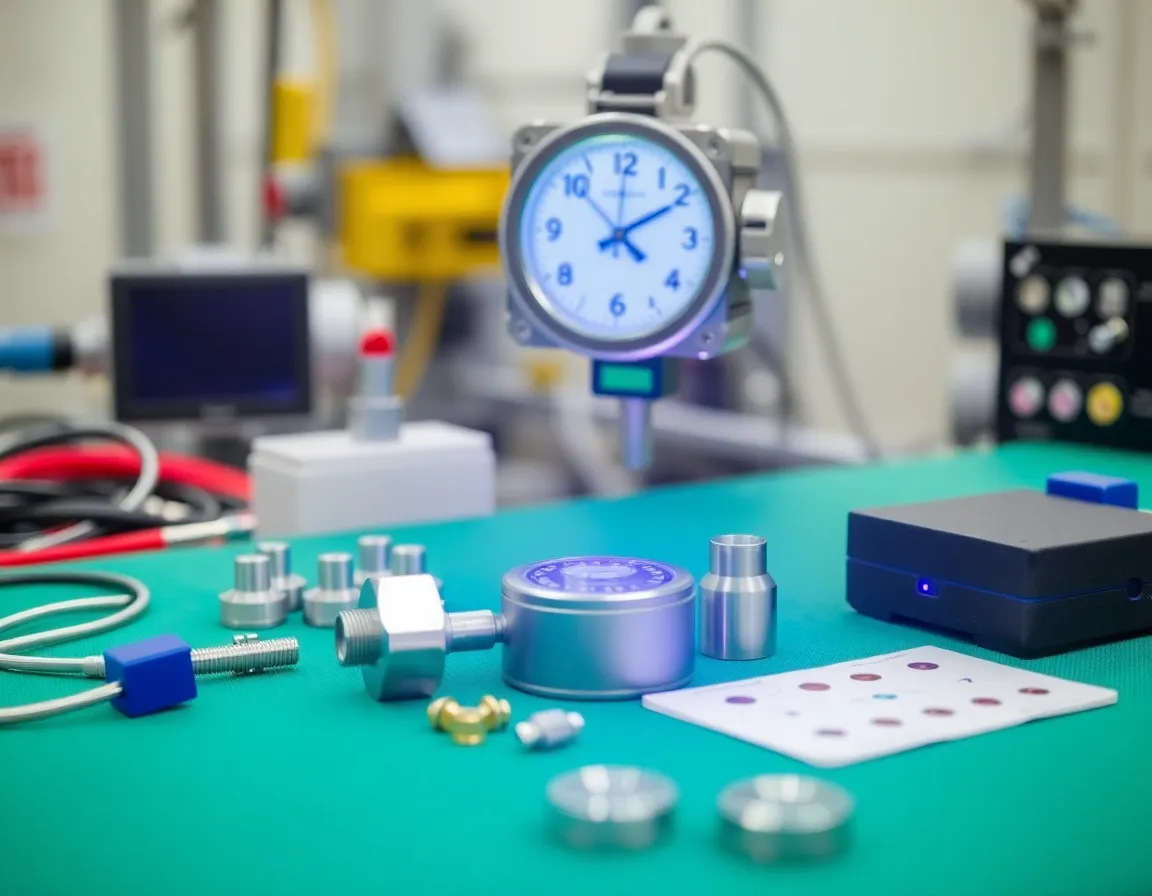
Giới thiệu: Sự cần thiết của việc xác nhận trong sản xuất hiện đại
Trong bối cảnh cạnh tranh của sản xuất khối lượng lớn, quy trình ép phun là nền tảng để sản xuất mọi thứ từ thiết bị y tế đến linh kiện ô tô. Tuy nhiên, sự khác biệt giữa một chu kỳ sản xuất có lợi nhuận và một đống phế liệu tốn kém thường phụ thuộc vào một yếu tố quan trọng: xác nhận quy trình. Một quy trình ép phun đã được xác nhận không chỉ là một ô kiểm tra quy định; nó là một khuôn khổ chiến lược để đạt được chất lượng không khoan nhượng 和 kiểm soát chi phí có thể dự đoán. Bài viết này đi sâu vào quy trình ép phun đã được xác nhận, khám phá các phương pháp, lợi ích và thực hành tốt nhất của nó để chứng minh tại sao nó cần thiết cho bất kỳ hoạt động nào đòi hỏi độ chính xác, tính nhất quán và hiệu quả.
Ép phun đã được xác nhận là gì?
Ép phun đã được xác nhận là một phương pháp tiếp cận có hệ thống, có tài liệu để chứng minh rằng một quy trình sản xuất sẽ nhất quán tạo ra các bộ phận đáp ứng các thông số kỹ thuật và thuộc tính chất lượng đã định trước. Không giống như các thiết lập "thử và sai" đơn giản, một quy trình đã được xác nhận dựa trên các nguyên tắc khoa học nghiêm ngặt và phân tích thống kê. Nó không chỉ đơn thuần là tạo ra một bộ phận trông có vẻ đúng; nó đảm bảo rằng mọi bộ phận được sản xuất, qua hàng nghìn hoặc hàng triệu chu kỳ, sẽ giống hệt nhau trong các giới hạn dung sai đã xác định.
Cốt lõi của phương pháp này thường được hướng dẫn bởi các nguyên tắc xác nhận quy trình của FDA (đối với thiết bị y tế) hoặc các tiêu chuẩn công nghiệp chung như ISO 13485 hoặc IATF 16949. Các khuôn khổ này chia việc xác nhận thành ba giai đoạn riêng biệt, tạo thành nền tảng của một hệ thống chất lượng mạnh mẽ.
Ba giai đoạn xác nhận quy trình (IQ, OQ, PQ)
Hiểu về vòng đời của việc xác nhận là rất quan trọng. Nó không phải là một sự kiện duy nhất mà là một quá trình liên tục chứng minh và giám sát.
- Xác nhận lắp đặt (IQ): Đây là giai đoạn đầu tiên, xác minh rằng máy ép phun, khuôn, thiết bị phụ trợ (máy sấy, máy làm lạnh, robot) và thiết bị đo lường được lắp đặt chính xác và theo thông số kỹ thuật của nhà sản xuất. Nó đảm bảo rằng tất cả các tiện ích (điện, nước, khí nén) đáp ứng các yêu cầu và tài liệu được sắp xếp hợp lý.
- Xác nhận vận hành (OQ): OQ kiểm tra thiết bị trong các điều kiện vận hành khác nhau để xác định các giới hạn của quy trình. Mục tiêu là thử thách quy trình—chạy ở các mức cực đoan của nhiệt độ, áp suất và tốc độ—để xác định "cửa sổ" nơi quy trình vẫn ổn định và tạo ra các bộ phận chấp nhận được. Giai đoạn này thường liên quan đến Thiết kế thí nghiệm (DOE) để xác định chính xác các thông số quy trình quan trọng.
- Xác nhận hiệu suất (PQ): Giai đoạn cuối cùng, PQ, chứng minh rằng quy trình có thể liên tục sản xuất các bộ phận đạt yêu cầu trong điều kiện sản xuất thực tế trong một khoảng thời gian dài. Điều này bao gồm việc chạy nhiều lô sản xuất (thường ở tốc độ sản xuất tối đa và tối thiểu) và phân tích thống kê đầu ra để chứng minh năng lực quy trình (Cpk). Giá trị Cpk từ 1,33 trở lên thường là mục tiêu cho một quy trình ổn định, đã được xác nhận.
Cách Thức Xác Nhận Nâng Cao Kiểm Soát Chất Lượng Vượt Trội
Chất lượng trong ép phun không phải là kiểm tra để loại bỏ các khuyết tật khỏi một lô hàng; mà là ngăn ngừa các khuyết tật xảy ra ngay từ đầu. Một quy trình được xác nhận đạt được điều này bằng cách chuyển đổi sàn sản xuất từ môi trường phản ứng sang môi trường dự đoán. Các lợi ích chất lượng chính là rất sâu sắc.
Giảm Thiểu Biến Động
Kẻ thù lớn nhất của chất lượng trong ép phun là sự biến động—trong độ nhớt của vật liệu, nhiệt độ khuôn, tốc độ phun, hoặc áp suất đóng gói. Việc xác nhận buộc phải hiểu sâu sắc về các thông số nào là quan trọng đối với chất lượng (CTQ). Bằng cách thiết lập một cửa sổ xử lý khoa học, có tài liệu, việc xác nhận làm giảm đáng kể sự biến động giữa các lần phun. Điều này dẫn đến dung sai chặt chẽ hơn trên các kích thước quan trọng, cải thiện ngoại hình thẩm mỹ, và tính chất cơ học nhất quán trên tất cả các bộ phận.
Phát Hiện Sớm Khuyết Tật
Trong các giai đoạn OQ và PQ, quy trình được cố ý tạo áp lực. Điều này tiết lộ các chế độ hỏng hóc tiềm ẩn—chẳng hạn như ba via, thiếu nhựa, hoặc vết lõm co ngót—trước khi bắt đầu sản xuất quy mô đầy đủ. Bằng cách xác định ranh giới của cửa sổ xử lý, nhóm sản xuất biết chính xác họ có bao nhiêu "không gian" để vận hành. Nếu một thông số chệch hướng, nó sẽ bị phát hiện từ lâu trước khi tạo ra một bộ phận không đạt yêu cầu. Lập trường chủ động này là dấu hiệu đặc trưng của một hệ thống được xác nhận.
Tuân Thủ Quy Định và Truy Xuất Nguồn Gốc
Đối với các ngành công nghiệp như thiết bị y tế, dược phẩm và hàng không vũ trụ, việc xác nhận là không thể thiếu; đó là yêu cầu pháp lý. Một quy trình được xác nhận cung cấp bằng chứng được ghi nhận cần thiết cho các cuộc kiểm toán của FDA, ISO, hoặc các cơ quan quản lý khác. Mỗi bước—từ quy trình IQ đến báo cáo PQ cuối cùng—tạo ra một chuỗi truy xuất nguồn gốc không bị gián đoạn. Nếu một vấn đề chất lượng phát sinh, tài liệu xác nhận cho phép điều tra nguyên nhân gốc rễ một cách nhanh chóng, giảm thiểu rủi ro cho bệnh nhân hoặc người dùng cuối.
Kiểm soát Chi phí: Cơ sở Kinh tế cho Việc Thẩm định
Nhiều nhà sản xuất xem việc thẩm định là một chi phí chung tốn kém và mất thời gian. Mặc dù khoản đầu tư ban đầu về thời gian và nguồn lực là có thật, nhưng lợi nhuận tài chính dài hạn rất thuyết phục. Ép phun được thẩm định là một công cụ mạnh mẽ để giảm tổng chi phí sở hữu (TCO).
Giảm Phế liệu và Làm lại
Lợi ích chi phí trước mắt nhất là giảm đáng kể phế liệu. Một quy trình không được thẩm định có thể chạy với tỷ lệ phế liệu 5-10%, hoặc thậm chí cao hơn trong quá trình khởi động ban đầu. Một quy trình được thẩm định, về bản chất, nhắm đến mục tiêu gần như không có phế liệu. Chi phí tiết kiệm được từ việc không lãng phí nguyên liệu thô, thời gian máy và nhân công cho các bộ phận lỗi có thể dễ dàng bù đắp khoản đầu tư thẩm định trong vòng một năm sản xuất. Hơn nữa, chi phí làm lại—thường bao gồm thêm nhân công và các hoạt động thứ cấp—gần như được loại bỏ hoàn toàn.
Tối ưu hóa Thời gian Chu kỳ
Thẩm định không phải là chạy quy trình một cách chậm chạp để an toàn; mà là chạy nó một cách tối ưu. Thông qua DOE và xác định đặc tính quy trình, các kỹ sư khám phá ra thời gian chu kỳ nhanh nhất, hiệu quả nhất mà vẫn tạo ra bộ phận chất lượng cao. Điều này trực tiếp chuyển thành tăng thông lượng. Một quy trình được thẩm định thường có thể chạy nhanh hơn 10-20% so với quy trình không được thẩm định được vận hành một cách thận trọng, nâng cao hiệu quả thiết bị tổng thể (OEE) mà không hy sinh chất lượng.
Bảo trì và Tuổi thọ Khuôn Dự đoán được
Khi một quy trình được thẩm định, các công cụ và máy móc được vận hành trong một phạm vi ổn định, đã biết. Điều này làm giảm ứng suất và mài mòn trên khuôn và các bộ phận máy. Nó ngăn chặn các biện pháp "anh hùng"—như chạy áp suất quá mức để khắc phục sự cố điền đầy—dẫn đến hỏng khuôn sớm và thời gian ngừng máy ngoài kế hoạch. Kết quả là tuổi thọ khuôn dài hơn và lịch bảo trì có thể dự đoán được, giảm chi phí sửa chữa khẩn cấp và ngừng sản xuất.
Giảm Chi phí Nhân công và Kiểm tra
Một quy trình được thẩm định đòi hỏi ít sự can thiệp và giám sát của người vận hành hơn. Thay vì liên tục điều chỉnh các thông số hoặc kiểm tra từng bộ phận, người vận hành chuyển sang vai trò giám sát và kiểm toán. Sự phụ thuộc vào kiểm soát quy trình thống kê (SPC) means that fewer parts need to be inspected, and the inspection can be targeted at critical features. This frees up skilled labor for higher-value tasks and reduces the overall cost of quality assurance.
Best Practices for Implementing a Validated Injection Molding Process
Successfully implementing validation requires a disciplined, cross-functional approach. It is not solely a quality department task; it requires collaboration between design, tooling, processing, and quality teams. The following best practices are essential for a successful validation program.
Start with a Robust Design and Tooling
Validation cannot fix a poor design or a bad mold. The process begins with Thiết kế cho khả năng sản xuất (DFM). The part design must be robust, with uniform wall thickness, proper draft angles, and gate locations that promote balanced fill. The mold must be precision-built, with adequate cooling channels and venting. A poorly designed tool will never produce a validated process, regardless of how much effort is put into the validation protocol.
Master the Process Window
Do not simply pick one set of parameters. The heart of OQ is exploring the process window. Use a structured DOE to vary key parameters like melt temperature, mold temperature, injection speed, and packing pressure. The goal is to find the "goldilocks zone"—a wide, stable window where small variations do not cause defects. A narrow process window indicates a fragile process that will be difficult to validate and costly to maintain.
Invest in Real-Time Monitoring and SPC
Validation does not end with PQ. The process must be continuously monitored to ensure it stays within the validated state. Implement real-time process monitoring systems that track cavity pressure, temperature, and screw position for every cycle. Use SPC charts to monitor key quality characteristics. If a parameter trends toward the edge of the validated window, corrective action can be taken before a non-conforming part is produced. This is the essence of ongoing process verification.
Comprehensive Documentation and Training
The value of validation is only as good as its documentation. Every protocol, report, deviation, and change must be meticulously recorded. This documentation is the legal and technical proof of process stability. Furthermore, all operators, technicians, and engineers must be trained on the validated process. They must understand that deviating from the validated parameters without following a formal change control process can invalidate the entire validation. A culture of documented discipline is critical.
Embrace a Continuous Improvement Mindset
Validation is not a static achievement. As material suppliers change, or as customer requirements evolve, the process may need to be re-validated. Adopt a formal change management system. Any proposed change—to the material, tooling, machine, or process parameters—must be evaluated for its impact on the validated state. When a change is necessary, a focused re-validation (often a subset of the full IQ/OQ/PQ) is performed. This ensures that the process remains both validated and continuously improved.
Conclusion: Validation as a Competitive Advantage
In an era of rising material costs, stringent regulatory demands, and zero-defect expectations, the validated injection molding process is no longer a luxury—it is a necessity. It is the most effective strategy for harmonizing the seemingly conflicting goals of superior quality 和 stringent cost control. By replacing guesswork with data, and reactive fire-fighting with proactive stability, validation transforms injection molding from a craft into a science. Companies that invest in a robust validation program will not only meet their customers’ highest expectations but will also build a more efficient, resilient, and profitable manufacturing operation. The upfront investment in validation is the best insurance policy against the true costs of failure: scrap, rework, recalls, and lost reputation. For any manufacturer committed to excellence, validated injection molding is the definitive path forward.