
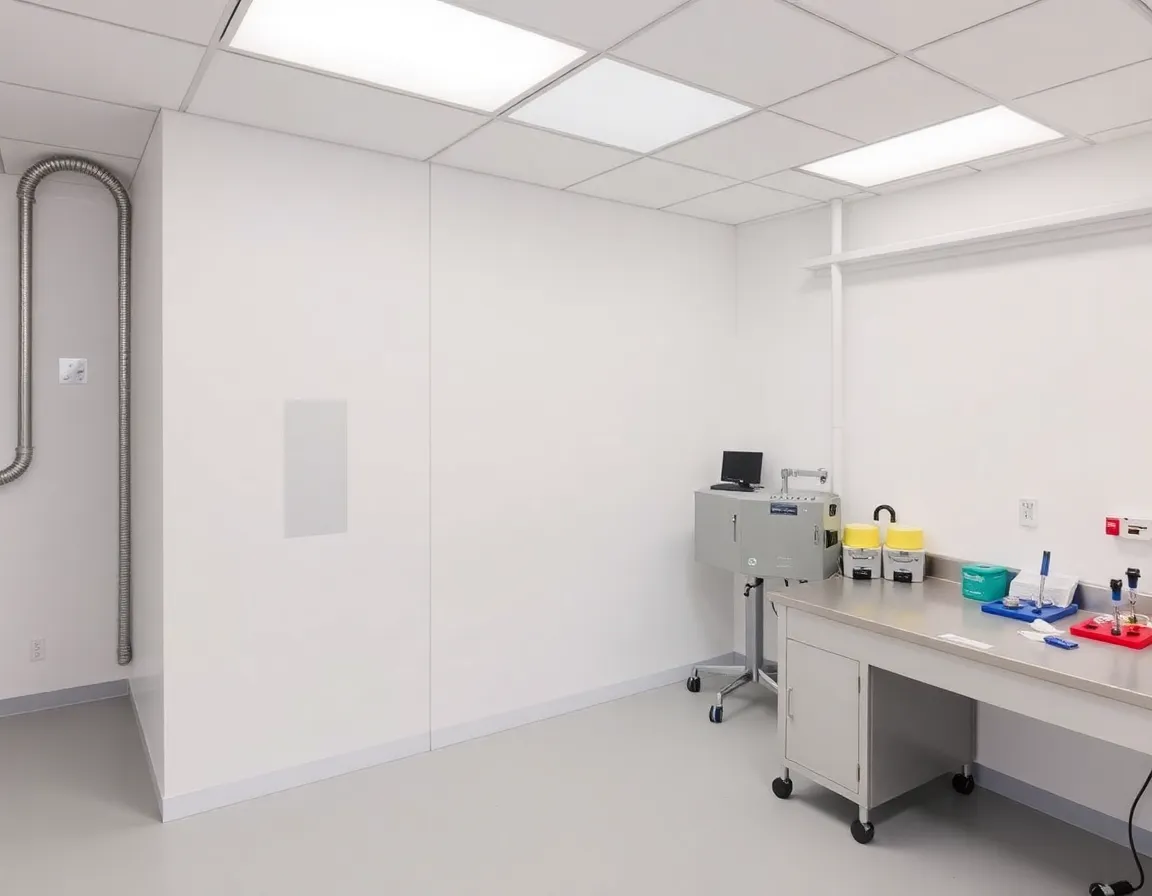
Chi Phí Ẩn Của Sự Ô Nhiễm Trong Sản Xuất Hiện Đại
Trong thế giới sản xuất chính xác đầy rủi ro cao, sự khác biệt giữa một chu kỳ sản xuất có lợi nhuận và một vụ thu hồi tốn kém thường phụ thuộc vào một hạt bụi mà mắt thường không thể nhìn thấy. Đối với các ngành sản xuất thiết bị y tế, điện tử ô tô, linh kiện quang học và hàng tiêu dùng, bụi không chỉ là một phiền toái trong việc dọn dẹp—mà là nguyên nhân chính gây ra tỷ lệ phế phẩm, chi phí làm lại và lỗi tại hiện trường. Các quy trình ép nhựa truyền thống, mặc dù rất hiệu quả, hoạt động trong môi trường mà không khí xung quanh, xử lý nguyên liệu thô và thậm chí cả máy ép nhựa đều đưa vào các chất gây ô nhiễm cực nhỏ. Các hạt này bị nhúng vào polymer nóng chảy, tạo ra các vết bẩn trên bề mặt, điểm yếu và khuyết tật chức năng làm ảnh hưởng đến tính toàn vẹn của bộ phận. Giải pháp nằm ở sự thay đổi mô hình sang ép nhựa không bụi, một cách tiếp cận có hệ thống biến toàn bộ hệ sinh thái sản xuất—từ silo nhựa đến bộ phận hoàn thiện—thành một khu vực được kiểm soát, không bị ô nhiễm. Bài viết này khám phá các nguyên tắc, công nghệ và lý do kinh tế đằng sau sự tiến hóa quan trọng này, chứng minh tại sao các bộ phận sạch hơn trực tiếp dẫn đến năng suất cao hơn và lợi nhuận cuối cùng.
Định nghĩa Ép nhựa Không Bụi: Không Chỉ Là Phòng Sạch
Ép nhựa không bụi là một phương pháp sản xuất toàn diện tích hợp kiểm soát môi trường, quy trình xử lý vật liệu và kỹ thuật quy trình để giảm thiểu hoặc loại bỏ nhiễm bẩn hạt trên các bộ phận đúc. Điều quan trọng là phải phân biệt điều này với việc chỉ đơn giản là hoạt động trong phòng sạch. Trong khi phòng sạch cung cấp một bầu không khí được kiểm soát, ép nhựa không bụi vượt ra ngoài phạm vi căn phòng. Nó bao gồm toàn bộ vòng đời vật liệu: độ tinh khiết của nhựa đầu vào, độ sạch của hệ thống vận chuyển, tình trạng bề mặt khuôn và quá trình chiết xuất khí và hạt trong chu kỳ ép phun hoặc ép thổi. Mục tiêu là đạt được bề mặt chi tiết không có tạp chất lạ nhúng vào, khuyết điểm thị giác và vi khuyết tật có thể ảnh hưởng đến hiệu suất trong các ứng dụng đòi hỏi khắt khe.
Ví dụ, một thấu kính cho hệ thống hỗ trợ người lái tiên tiến (ADAS) của xe không thể chịu được một hạt bụi 50 micron, vì điều này sẽ làm tán xạ ánh sáng và vô hiệu hóa chức năng của camera. Tương tự, thân ống tiêm y tế phải không có bất kỳ hạt nào có thể ngấm vào thuốc. Ép nhựa không bụi không phải là một công nghệ đơn lẻ mà là một hệ thống phòng thủ nhiều lớp. Nó đòi hỏi sự hiểu biết toàn diện về nơi bụi phát sinh—từ sự phân hủy polymer, không khí bên ngoài hút vào, lực hút tĩnh điện và sự xử lý của con người—và sau đó triển khai các biện pháp đối phó tại mỗi điểm xâm nhập.
Ba Trụ Cột của Môi Trường Không Bụi
Để đạt được hoạt động không bụi thực sự, các nhà sản xuất phải tập trung vào ba trụ cột phụ thuộc lẫn nhau: kiểm soát ô nhiễm trong không khí, quản lý độ tinh khiết vật liệu, và ức chế hạt do quy trình tạo ra. Kiểm soát trong không khí liên quan đến lọc hạt hiệu quả cao (HEPA), chênh lệch áp suất dương và phòng xối khí cho nhân viên. Quản lý độ tinh khiết vật liệu đòi hỏi hệ thống vận chuyển kín, thiết bị chống tĩnh điện và phễu sấy chuyên dụng ngăn bụi môi trường trộn với viên nhựa. Ức chế do quy trình liên quan đến việc tối ưu hóa thiết kế trục vít và tốc độ phun để giảm nhiệt cắt, có thể gây phân hủy polymer và tạo ra các vi hạt cacbon hóa. Mỗi trụ cột đều quan trọng; sự thất bại của một trụ cột có thể ảnh hưởng đến toàn bộ hệ thống.
Cách Ép Nhựa Không Bụi Hoạt Động: Công Nghệ và Cơ Chế
Việc triển khai một quy trình không bụi đòi hỏi sự kết hợp chiến lược giữa phần cứng, phần mềm và kỷ luật quy trình. Các phần sau đây trình bày chi tiết các cơ chế cốt lõi làm cho phương pháp này hiệu quả.
Lọc Khí Tiên Tiến và Phân Loại Phòng Sạch
Tuyến phòng thủ đầu tiên là môi trường vật lý. Các cơ sở ép nhựa không bụi hiện đại thường hoạt động theo tiêu chuẩn phòng sạch ISO Class 7 hoặc Class 8 (tương đương Class 10.000 hoặc 100.000 theo Tiêu chuẩn Liên bang cũ). Điều này đạt được bằng cách sử dụng tủ thổi khí tầng 和 bộ lọc quạt (FFU) 通过HEPA过滤器持续循环空气,在0.3微米粒径下去除99.97%的颗粒物。成型区域内的气压保持高于相邻走廊,防止未过滤空气进入。此外,入口处的粘性垫和带帽子、口罩和手套的全封闭洁净室服装,防止人体脱落的皮肤细胞和衣物纤维成为污染物。对于超关键应用,如光学镜片或植入式医疗部件,制造商使用 微环境——直接在模具开口上方的小型局部洁净区域,确保脱模的关键时刻发生在最纯净的空气中。.
闭环物料输送和干燥
塑料原料颗粒是粉尘的主要来源。它们会积累静电,吸附周围灰尘,并在运输过程中降解成细粉(小碎颗粒)。无尘成型使用 闭环真空输送系统 具有光滑的内表面和没有尖锐弯角,以免颗粒破裂。这些系统配备了 除尘装置 利用旋风分离或静电分离,在颗粒到达机器料斗之前去除细粉和微尘。此外,干燥过程本身也必须无尘。标准干燥剂干燥器可能会从干燥剂床中引入颗粒。因此,无尘操作使用 干空气发生器 带有下游过滤,确保用于干燥的空气与洁净室内的空气一样清洁。料斗本身通过正压吹扫密封,防止任何外部污染。.
模具表面工程和模内清洁
模具是最后一道防线。即使是型腔表面上的微观灰尘也可能转移到制品上。无尘成型采用 自清洁模具 具有专门的排气系统,允许滞留的空气和气体逸出而不会吸入灰尘。一些先进系统使用 in-mold sensors that detect pressure variations caused by particle accumulation and trigger an automatic purging cycle. Additionally, the application of anti-static coatings on the mold surface reduces the tendency of the part to attract airborne particles upon ejection. For high-volume production, robotic arms remove parts and immediately place them in sealed packaging, eliminating the risk of post-molding contamination from human hands or open conveyor belts.
Strategic Benefits: From Quality to Cost Efficiency
The adoption of dust-free plastic molding yields tangible, measurable benefits that extend far beyond aesthetics. The following are the primary advantages that justify the investment.
- Dramatically Reduced Scrap and Rework Rates: By eliminating the primary cause of surface defects, manufacturers can achieve yield rates of 98% or higher, even for parts with demanding optical or cosmetic requirements. This directly reduces material waste, energy consumption, and labor costs associated with inspection and rework.
- Enhanced Functional Performance: For electrical connectors, dust particles can cause intermittent contact failures. For fluid-handling components, they can clog micro-channels. Dust-free parts exhibit superior dimensional consistency, better mechanical strength (no weak points from embedded particles), and reliable performance in critical applications.
- Compliance with Stringent Industry Regulations: The medical device industry (ISO 13485) and automotive industry (IATF 16949) have strict cleanliness standards. Dust-free molding provides the documented evidence required for regulatory audits, facilitating faster product approvals and market access.
- Improved Aesthetic Quality and Brand Value: In consumer electronics and automotive interiors, a flawless surface finish is a key selling point. Dust-free parts have a consistent gloss, color, and texture, enhancing the perceived quality of the final product.
- Extended Mold Life and Reduced Maintenance: Dust and fines are abrasive. They accelerate wear on mold surfaces, ejector pins, and hot runner systems. By keeping the material and environment clean, manufacturers reduce mold wear, extend tooling life, and minimize downtime for maintenance.
Economic Impact: A Cost-Benefit Analysis
While the initial capital investment in cleanroom infrastructure, specialized conveying systems, and air handling can be significant (often 20-30% higher than a conventional facility), the return on investment is compelling. Consider a typical scenario: a manufacturer producing 10 million parts annually with a 5% scrap rate due to dust. At a cost of $0.50 per part in material and labor, this represents a $250,000 annual loss. Transitioning to dust-free molding reduces scrap to 0.5%, saving $225,000 per year. Additionally, the reduction in warranty claims and field failures—which can cost thousands of dollars per incident—often pays for the cleanroom investment within 18 to 24 months. Furthermore, dust-free capabilities allow manufacturers to bid on higher-margin, high-precision contracts that competitors cannot handle, opening new revenue streams.
Applications Across High-Stakes Industries
The necessity for dust-free molding is most acute in sectors where failure is not an option. The following applications highlight the critical role of this technology.
Medical Devices and Diagnostics
Injection-molded components such as insulin pens, syringes, surgical instrument handles, and diagnostic cassettes must be free from particulate that could cause infection, allergic reactions, or inaccurate test results. Dust-free molding ensures that these parts meet USP Class VI biocompatibility standards and are safe for direct patient contact. The process also prevents contamination of sterile packaging.
Optics and Photonics
Lenses for VR headsets, automotive LiDAR, and smartphone cameras require surfaces with zero visible defects. A single dust particle can cause light diffraction, resulting in image blur or sensor malfunction. Dust-free molding is the only viable method for producing these high-volume, high-precision optical components at scale.
Automotive Electronics and Sensors
Under the hood, components like engine control unit (ECU) housings, ABS sensors, and fuel injector bodies are exposed to harsh conditions. However, during manufacturing, they must be pristine. Dust particles can cause electrical short circuits or interfere with the sealing surfaces, leading to fluid leaks. Dust-free molding ensures the reliability of these safety-critical parts.
Consumer Electronics and Wearables
Smartwatch casings, earbud shells, and smartphone frames are visible to the user and subject to intense scrutiny. Dust-free molding provides the flawless, high-gloss finish that consumers expect from premium products, reducing returns and customer complaints.
Best Practices for Implementing a Dust-Free Molding Program
Transitioning to dust-free molding is a strategic initiative that requires careful planning and execution. The following best practices are essential for success.
1. Conduct a Comprehensive Contamination Audit
Before making changes, identify all potential sources of dust in the current process. This includes analyzing the raw material, the conveying system, the molding machine, the mold, the operator’s actions, and the ambient air. Use particle counters to measure baseline levels and identify the highest-contributing sources.
2. Invest in Personnel Training and Discipline
Technology is only effective if people follow protocols. Comprehensive training on cleanroom behavior—proper gowning, restricted movements, and correct material handling—is crucial. Regular audits and retraining sessions help maintain a culture of cleanliness. Operators must understand that a single unlocked door or a hurried gesture can compromise an entire batch.
3. Implement Predictive Maintenance for Filtration Systems
HEPA filters and de-dusting units have a finite lifespan. Implement a rigorous maintenance schedule based on filter pressure differentials and particle count monitoring. Replace filters proactively, not reactively. Keep spare parts on hand to minimize downtime.
4. Optimize Process Parameters to Minimize Degradation
High shear rates and excessive melt temperatures can degrade the polymer, creating carbonized particles. Use lower injection speeds, optimized screw profiles, and appropriate backpressure to reduce thermal and mechanical stress on the material. Regularly purge the barrel with a cleaning compound to remove any degraded resin.
5. Use Robotics and Automation to Minimize Human Contact
Humans are the largest source of contamination in any cleanroom. Use six-axis robots for part removal, degating, and packaging. This not only reduces dust but also improves consistency and cycle times. If manual handling is unavoidable, use cleanroom-grade gloves and tools.
6. Validate and Monitor Continuously
Establish clear acceptance criteria for part cleanliness (e.g., particle count per square centimeter). Use automated vision inspection systems to detect defects in real-time. Track yield data and correlate it with environmental particle counts to identify correlations and proactively adjust processes.
Conclusion: A Competitive Imperative for the Future
In an era of increasing technical complexity and consumer expectations, dust-free plastic molding is no longer a niche specialty—it is a competitive imperative. The initial costs are outweighed by the substantial savings in scrap, the opening of new high-value markets, and the enhanced reputation for quality. As industries push toward miniaturization, higher functionality, and stricter regulatory oversight, the margin for error shrinks. The manufacturers who embrace a holistic approach to contamination control—integrating cleanroom technology, advanced material handling, and rigorous process discipline—will not only achieve higher yields but will also position themselves as leaders in the next generation of precision manufacturing. The path to cleaner parts is clear, and it leads directly to a more profitable and sustainable future.