
Việc lựa chọn polyme kỹ thuật phù hợp để bọc nhiều vật liệu trực tiếp quyết định liệu một bộ phận có chịu được tải trọng cơ học động, sốc nhiệt và tiếp xúc hóa chất hay không. Các cuộc thảo luận cộng đồng trên các diễn đàn kỹ thuật thường nêu bật rủi ro tách lớp khi kết hợp các chất nền cứng không tương thích với các lớp ép phủ đàn hồi mềm. Độ bám dính bề mặt phụ thuộc vào việc lựa chọn các cặp polyme tương thích về mặt hóa học cho phép khuếch tán chuỗi phân tử trong quá trình xử lý thứ cấp. Hướng dẫn kỹ thuật này xem xét ma trận tương thích nhựa, cửa sổ nhiệt độ nóng chảy xử lý, xác minh thẻ vàng nguyên liệu thô và tiêu chí lựa chọn ứng dụng.
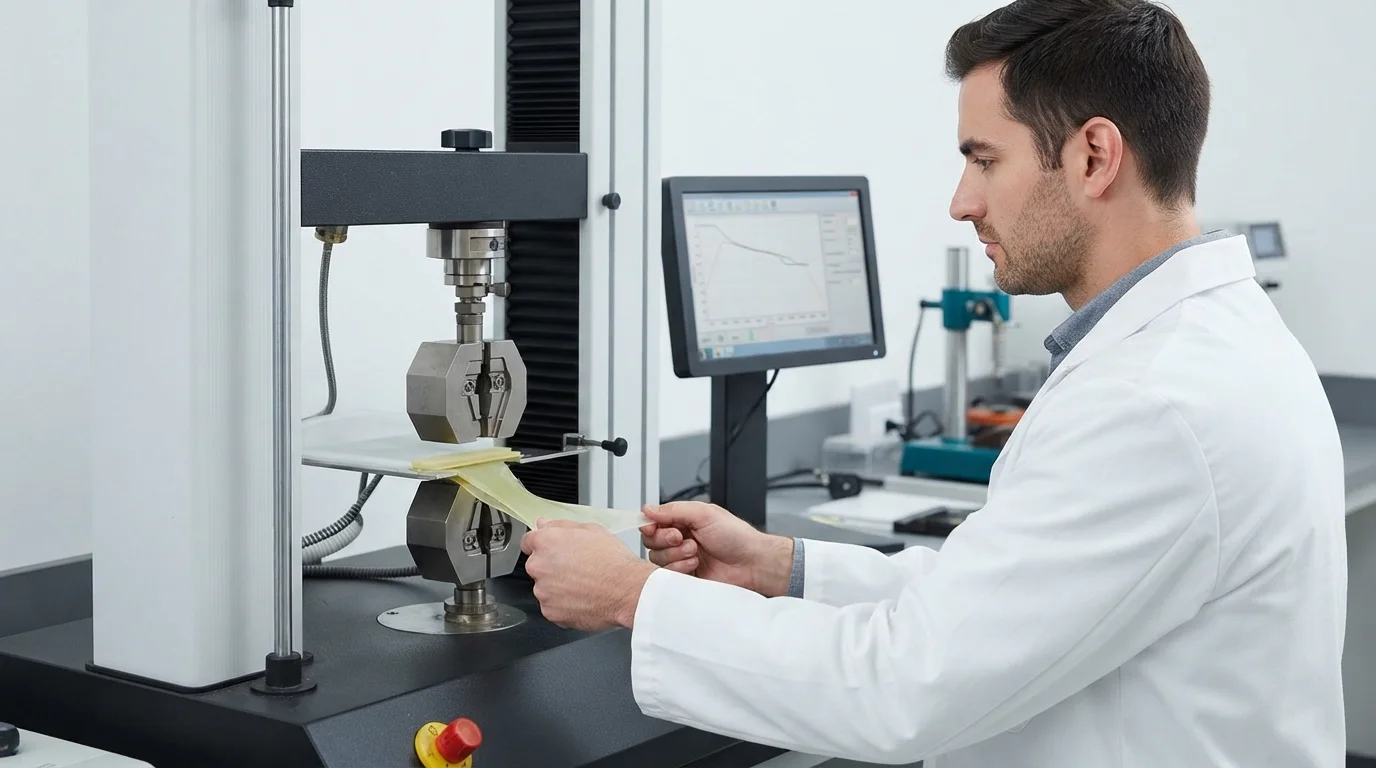
Ma trận tương thích polyme: Chất nền cứng so với chất đàn hồi linh hoạt
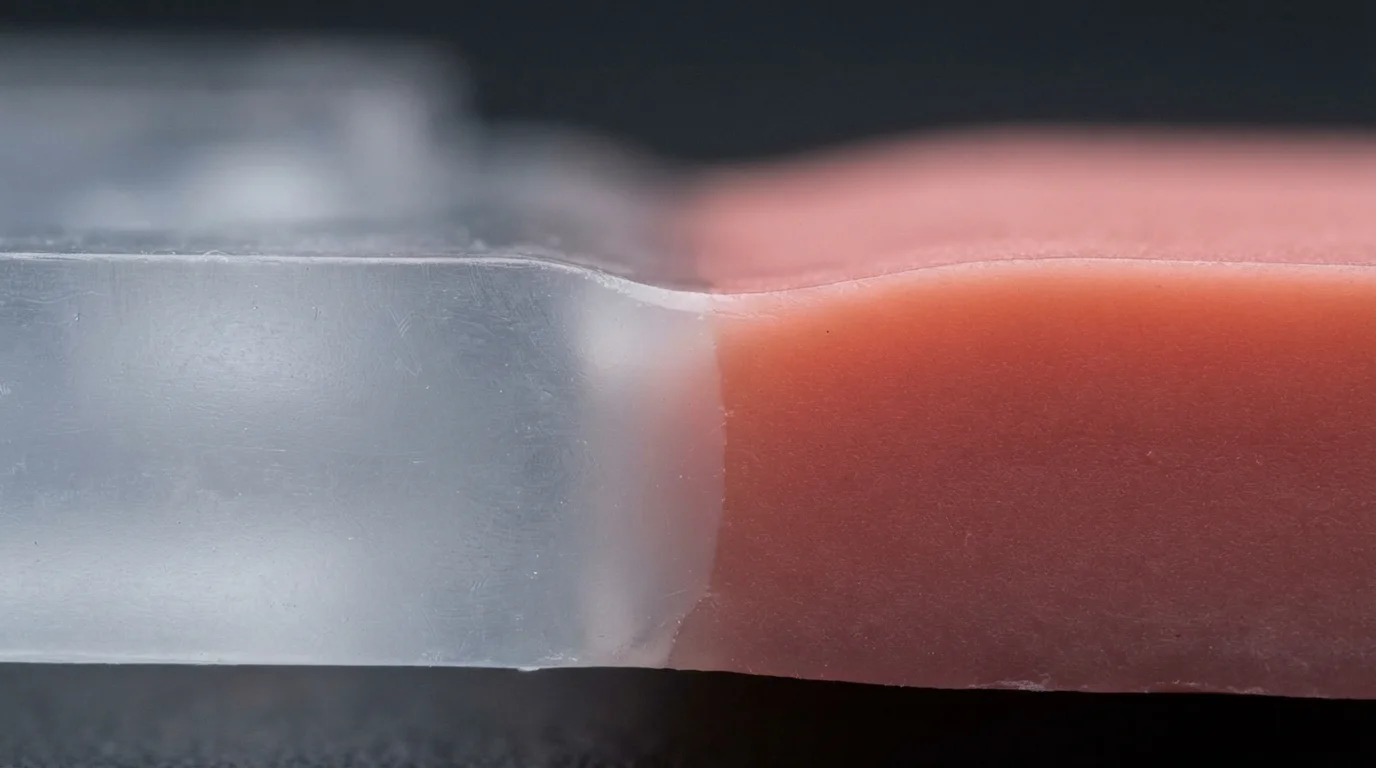
Hiểu vật lý polyme bắt đầu bằng việc đánh giá ái lực hóa học giữa khung kết cấu cứng và lớp ép phủ đàn hồi linh hoạt. Việc chỉ định vật liệu ép phủ tương thích đảm bảo rằng chất đàn hồi nóng chảy làm tan chảy một lớp da ranh giới cực nhỏ trên chất nền, tạo ra một mối hàn phân tử kết dính. Nền tảng chất nền cứng thường bao gồm các nhựa nhiệt dẻo kỹ thuật như ABS, polycarbonate (PC), gia cường thủy tinh PA66, 或 PBT. Các lớp ép phủ đàn hồi sử dụng các hợp chất biến tính bao gồm TPE, TPU, và TPV để cung cấp các cấu hình độ cứng Shore tùy chỉnh và tay cầm công thái học.
Các đánh giá từ cộng đồng trong giới thẩm định nhựa nhấn mạnh rằng sự liên kết phân cực giữa hai loại polymer quyết định độ bền liên kết. Các elastomer không phân cực như TPE gốc SEBS liên kết tự nhiên với các chất nền không phân cực như polypropylene, trong khi các loại nhựa phân cực như nylon yêu cầu các cấp TPE biến tính bám dính. Bảng 1 dưới đây nêu rõ xếp hạng tương thích polymer cho các tổ hợp vật liệu ép phủ thông thường:
| Nhựa nền cứng | Cấp Elastomer ép phủ | Độ bền liên kết bề mặt | Cơ chế bám dính | Mẹo xử lý được khuyến nghị |
|---|---|---|---|---|
| ABS (Polylac PA-757) | TPE gốc SEBS / TPU | Kết dính hóa học tuyệt vời | Khuếch tán chuỗi phân tử | Duy trì nhiệt độ nóng chảy của lần phun thứ 2 thấp hơn Tg của ABS từ 10-20°C |
| Polycarbonate (Lexan 141R) | TPU gốc ester (Desmopan) | Liên kết cường độ cao vượt trội | Khuếch tán hóa học giữa các lớp | Làm nóng lòng khuôn đế đến 70°C – 90°C |
| Polyamide 66 (Zytel 70G33L) | TPE biến tính bám dính / Santoprene | Liên kết từ trung bình đến mạnh | Hóa học + Cơ học | Tích hợp các rãnh đuôi cá khóa cơ học 90 độ |
| Polypropylene (PP-HP500N) | TPE olefin / TPV | Liên kết không phân cực tuyệt vời | Đồng kết tinh | Tránh các chất phụ gia phân cực; đảm bảo bề mặt khít khuôn sạch sẽ |
Ái lực hóa học & Khớp nhiệt độ nóng chảy
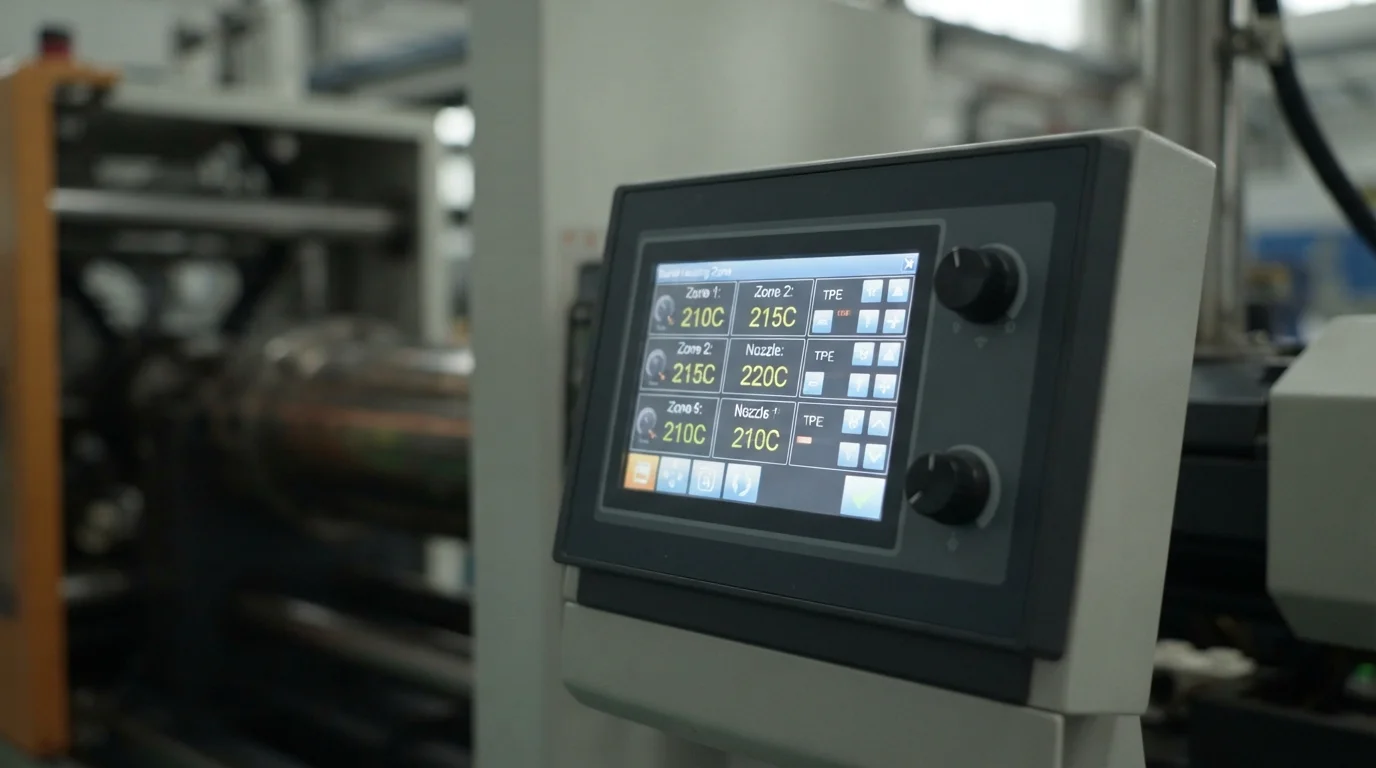
Động lực nhiệt trong quá trình phun thứ cấp kiểm soát độ sâu của sự đan xen chuỗi tại bề mặt phân cách. Nhiệt độ nóng chảy của lần phun thứ hai phải vào lòng khuôn đủ nóng để làm mềm lớp bề mặt cứng của đế mà không gây biến dạng thành. Phun TPU lên đế PC hoặc PC/ABS tạo ra độ bền bóc tách cao vì cả hai polyme đều chứa các nhóm chức phân cực khuếch tán nhanh chóng. Duy trì nhiệt độ thành khuôn thích hợp ngăn ngừa việc làm nguội quá sớm, cho phép các phân tử polyme có đủ thời gian để đan xen trước khi nguội.
Khi ái lực hóa học giữa các loại nhựa được chọn thấp, các nhà thiết kế khuôn kết hợp các tính năng giữ cơ học. Các rãnh khóa cơ học, rãnh đuôi cá và lỗ xuyên qua khóa vật lý lớp đàn hồi lên khung đế. Kết hợp bám dính hóa học với neo cơ học đảm bảo rằng các miếng đệm và tay cầm mềm chống lại sự bong tróc mép dưới ứng suất cắt chu kỳ trong quá trình sử dụng hàng ngày.
Các quy tắc xử lý để tối đa hóa độ bám dính khi ép phun phủ bao gồm:
- Substrate cavity preheating—Warming rigid substrate tool cavities to 70°C to 90°C promotes interfacial chain mobility.
- Melt temperature alignment—Setting second-shot melt temperatures near the upper limit of the elastomer processing window maximizes skin softening.
- Mechanical undercut incorporation—Machining perimeter dovetails and mechanical through-holes prevents edge peeling under dynamic shear.
- High-speed injection velocity—Injecting soft resin rapidly delivers thermal energy to the boundary layer before premature quenching occurs.
Thư viện hơn 200 loại nhựa sản xuất & Xác minh Thẻ Vàng Vật liệu
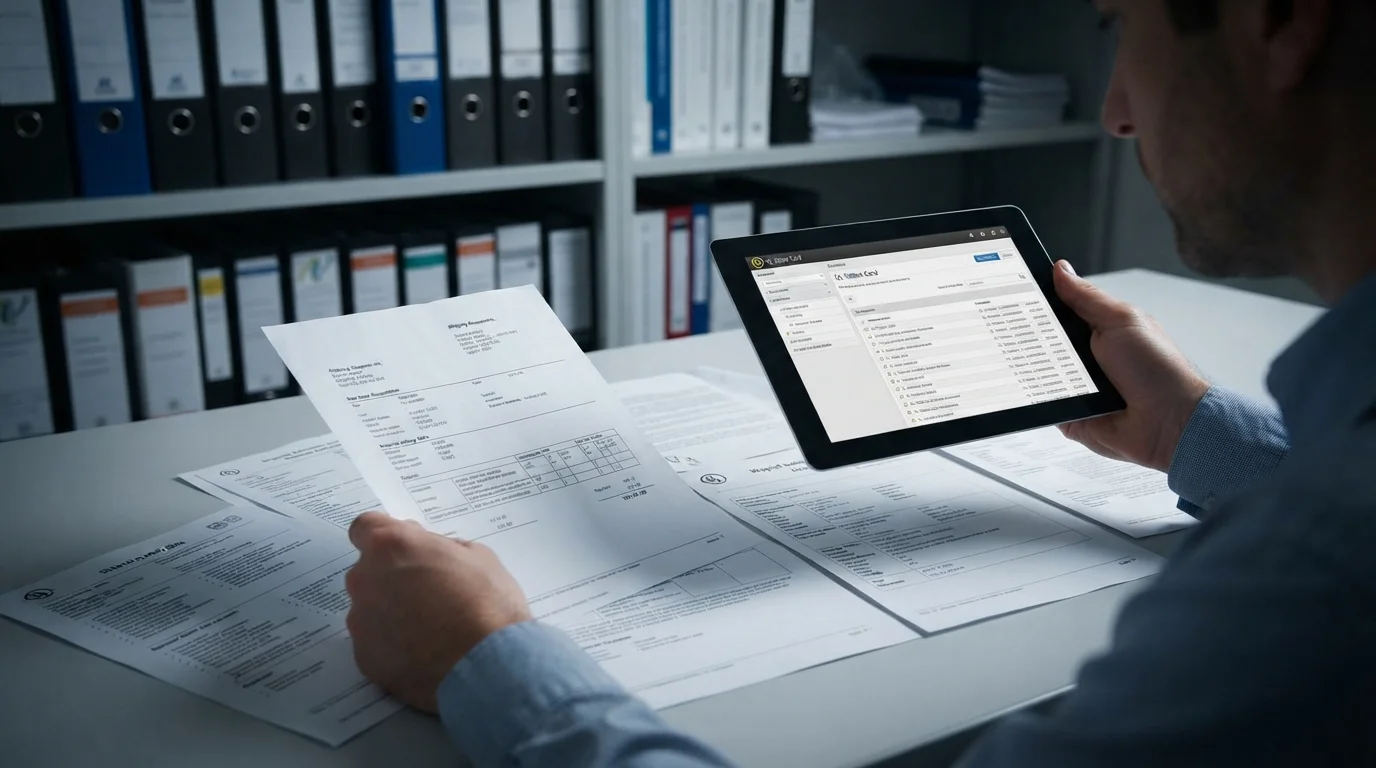
Executing reliable custom ép phủ khuôn tùy chỉnh requires sourcing certified raw materials with full lot traceability. Verifying resin shipments against Underwriters Laboratories (UL) Yellow Card records confirms that flammability ratings like UL94 V-0 remain valid after multi-shot processing. Sourcing certified material lots backed by official Certificate of Analysis (COA) documents ensures zero batch-to-batch performance variations in high-reliability components.
Clinical healthcare applications process medical-grade thermoplastics meeting USP Class VI 和 ISO 10993 biocompatibility criteria. Biocompatible TPE and TPU formulations resist repeated autoclave steam sterilization, chemical disinfectant wipes, and skin oil exposure without degrading. Maintaining complete raw material documentation protects medical device OEMs from regulatory non-compliance during clinical audits.
Key Application Scenarios for Overmolded Polymers
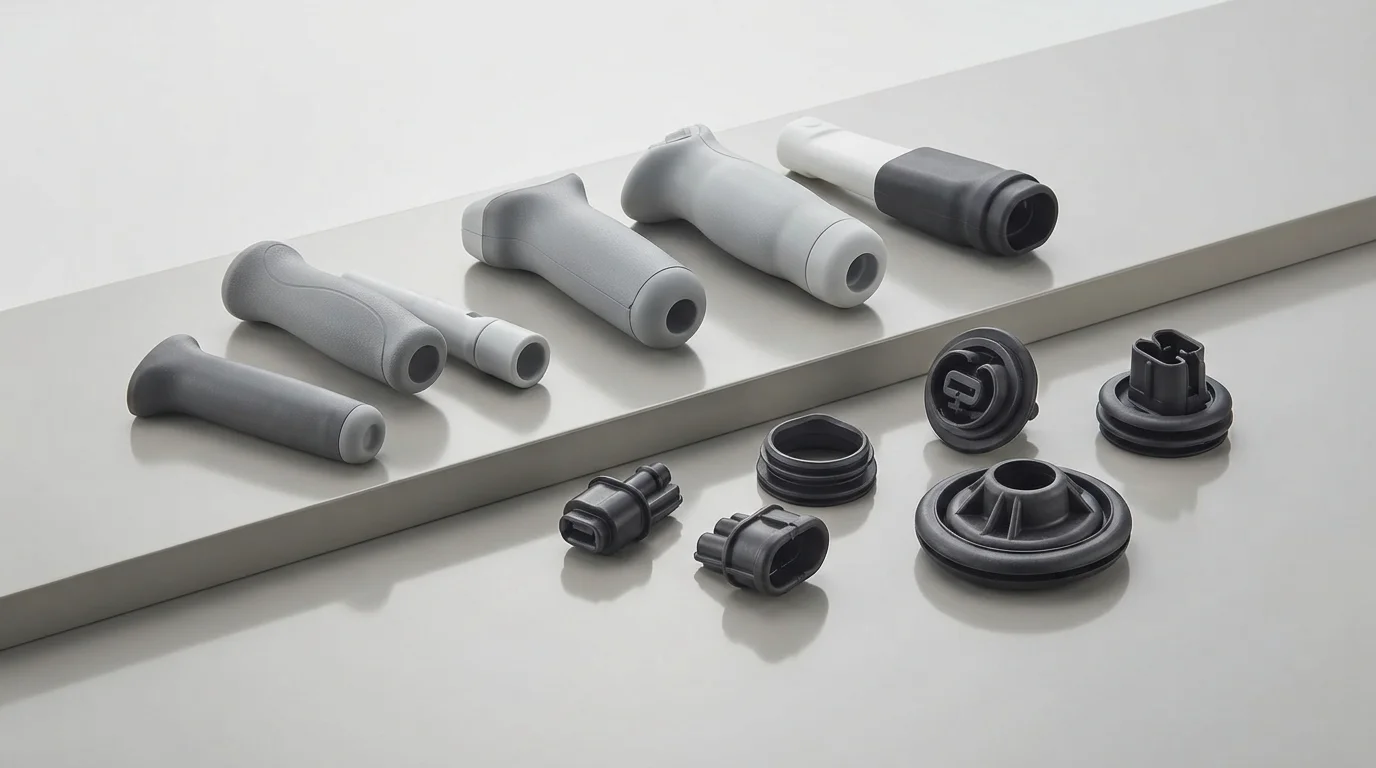
Industrial, healthcare, and automotive programs specify multi-material polymer combinations across a wide spectrum of functional applications. Automotive interior cockpits utilize TPU overmolded onto PC/ABS door handles, climate control knobs, and dashboard bezels to deliver premium soft-touch aesthetics and vibration dampening. Medical device engineers specify USP Class VI TPE overmolded onto rigid PC surgical tool handles to provide slip-resistant, sterilizable grips for operating room personnel.
Electronic device enclosures incorporate Santoprene TPV or TPE seals overmolded onto structural housings, creating IP67 waterproof barriers for outdoor diagnostic monitors. Eliminating manual gasket insertion cuts assembly labor while ensuring consistent environmental sealing under dynamic drop impacts.
Target industry overmolding solutions include:
- Medical surgical instruments—USP Class VI TPE overmolded over rigid polycarbonate for ergonomic, sterilizable grips.
- Automotive interior controls—Desmopan TPU overmolded over PC/ABS for scratch-resistant soft-touch handles and knobs.
- Industrial electronic housings—Santoprene TPV overmolded over glass-filled nylon for IP67 waterproof sealing and impact protection.
Why Choose JUCHENG for Custom Overmolding
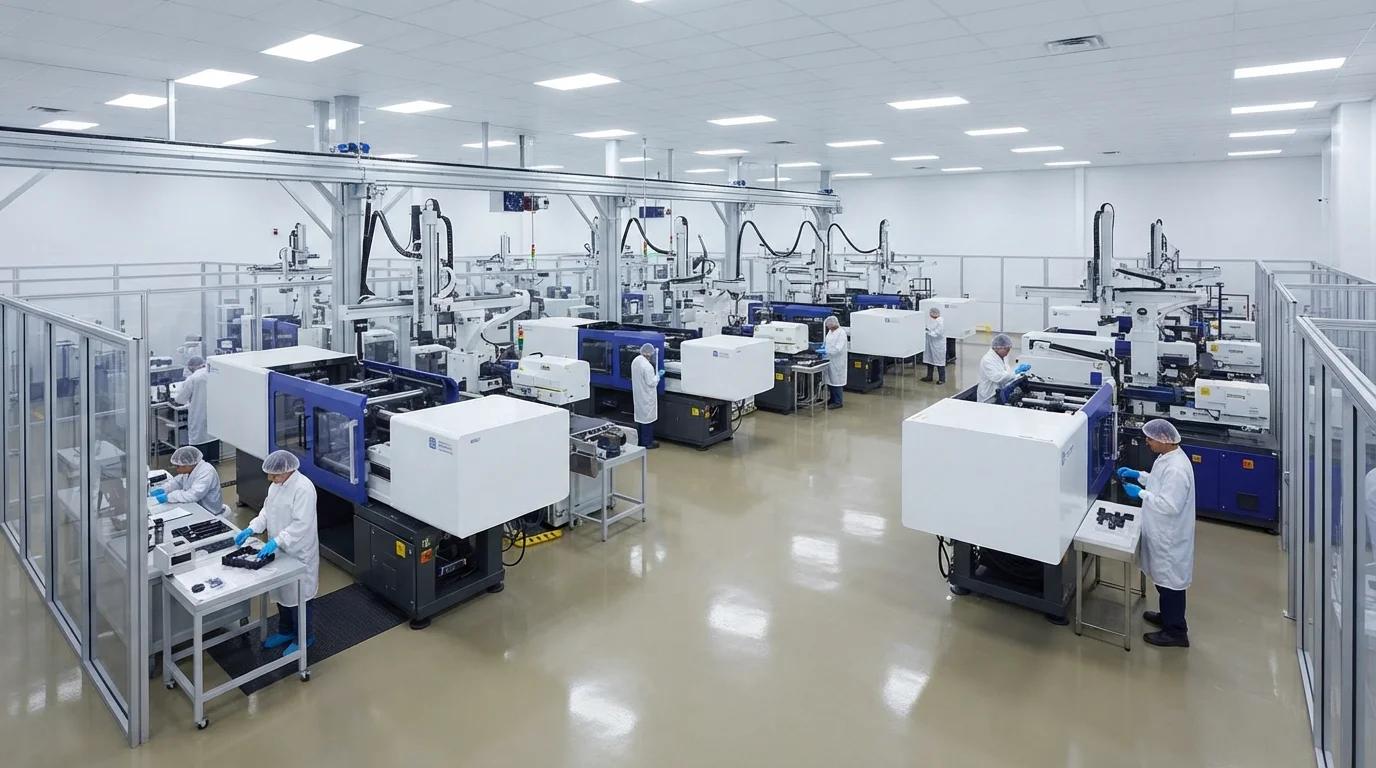
Partnering with JUCHENG for multi-material encapsulation projects provides access to an extensive production floor equipped with 35+ automated injection presses ranging from 15T to 3000T clamping force. Operating an in-house tool room with 25 sets of 5-axis CNC machines permits precise machining of shut-off steel lands, ensuring flash-free elastomeric boundaries down to sub-millimeter tolerances. Our engineering team delivers a free 24-hour DfM review for every CAD submission, analyzing substrate wall thickness, draft angles, and shut-off feasibility before cutting steel.
Quality management systems certified to IATF 16949 and ISO 13485 back every multi-shot production run, offering full PPAP Level 3 documentation for automotive programs. Operating an ISO Class 8 cleanroom molding department protects medical components from particulate contamination during molding and drop-packaging. Automated Zeiss CMM scanning with ±0.003 mm precision verifies critical sealing geometries, delivering zero-defect quality across prototype and high-volume series manufacturing.
Các câu hỏi thường gặp (FAQ)
Why do some TPE materials peel off rigid plastic substrates after molding?
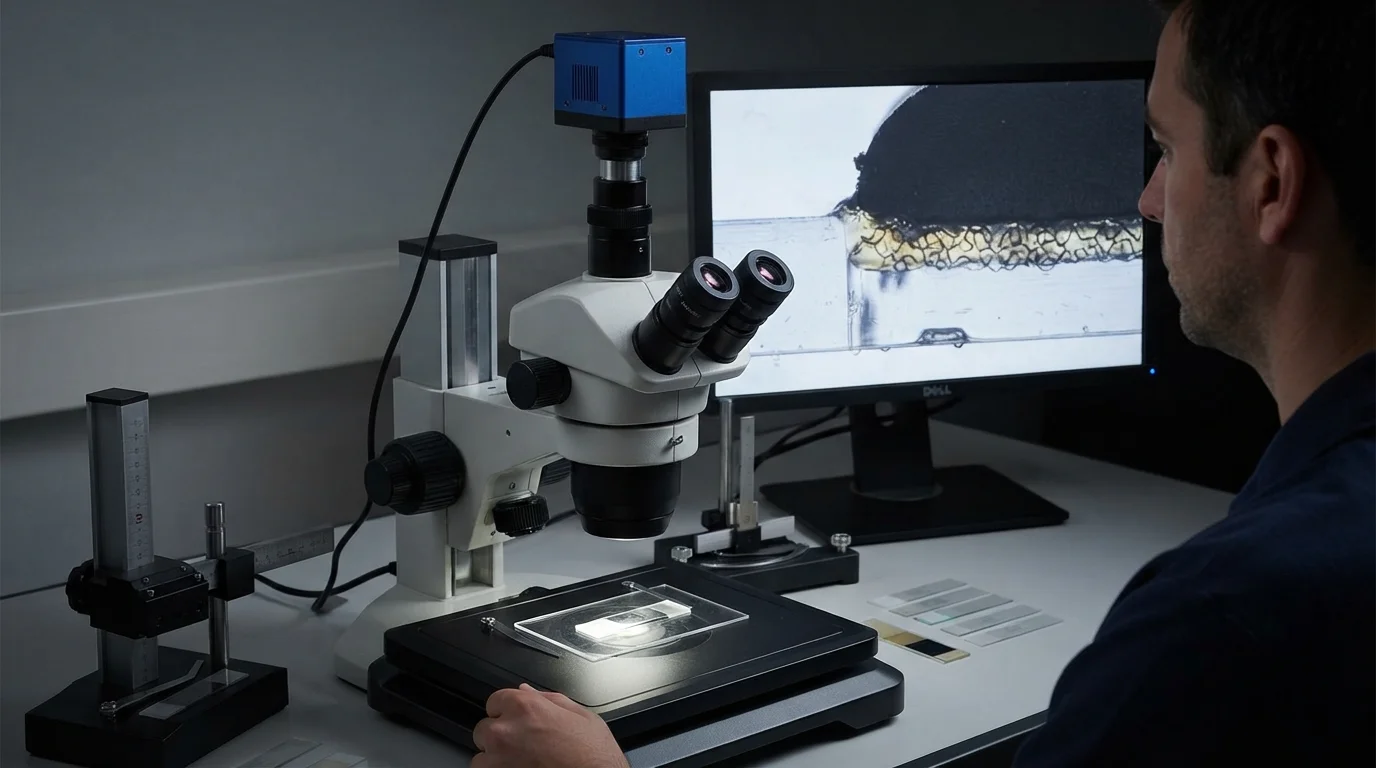
Peeling or delamination occurs when the selected TPE grade is chemically incompatible with the rigid substrate or when mold temperatures are too low during secondary injection. Cold substrate surfaces prevent molecular chain interdiffusion. Raising mold temperatures to 70°C-90°C and incorporating mechanical undercut grooves prevents edge peeling.
What is the difference between TPE, TPU, and TPV for overmolding applications?
TPE offers low cost and a wide Shore hardness range, making it ideal for consumer soft-touch grips. TPU provides superior abrasion resistance and high tensile strength, perfect for rugged automotive handles. TPV (like Santoprene) delivers exceptional heat deflection and chemical resistance, making it the preferred choice for IP67 weather-resistant seals.
How does preheating the rigid substrate improve overmolding bond strength?
Preheating the rigid plastic substrate to 70°C-90°C slows the initial cooling rate of the incoming second-shot melt. Keeping the boundary skin warm permits polymer chains from both materials to interdiffuse deeply, creating a strong cohesive chemical bond rather than a weak mechanical boundary.
Can glass-filled Nylon (PA66-GF) be overmolded with soft TPE?
Standard unfilled TPE does not bond chemically to polar glass-filled Nylon. Overmolding PA66-GF requires specifying adhesion-modified TPE grades formulated with polar functional groups or incorporating 90-degree mechanical locking dovetails in the substrate CAD design.
How do tooling shut-off lands prevent TPE flash during secondary injection?
Các bề mặt chặn của khuôn là các mặt làm kín bằng thép được mài chính xác, kẹp chặt vào chu vi đế cứng trong lần ép thứ hai. Duy trì dung sai lắp khít của thép chặn nhỏ hơn 0,01 mm ngăn chặn melt elastomer mềm có độ nhớt thấp tràn qua các bề mặt đế thẩm mỹ.
Why is UL Yellow Card material verification important for overmolded electronics?
UL Yellow Card verification confirms that both the rigid substrate and elastomeric overmold meet certified flammability and electrical isolation parameters certified by Underwriters Laboratories. Verifying yellow card documentation ensures that multi-material electronic enclosures satisfy UL94 V-0 safety compliance.