
Giao diện thiết bị điện tử tiêu dùng và nội thất ô tô đòi hỏi các linh kiện nhựa nhiều màu với độ tương phản thị giác cao và định nghĩa ký hiệu sắc nét. Các phương pháp trang trí bề mặt truyền thống như in pad hoặc phun sơn thứ cấp bị mài mòn dần, bong tróc và trầy xước qua nhiều năm sử dụng hàng ngày. Các nút có đèn nền và chỉ báo ánh sáng gặp tình trạng rò rỉ ánh sáng nghiêm trọng khi các lớp sơn bong ra gần viền ký hiệu được khắc laser.
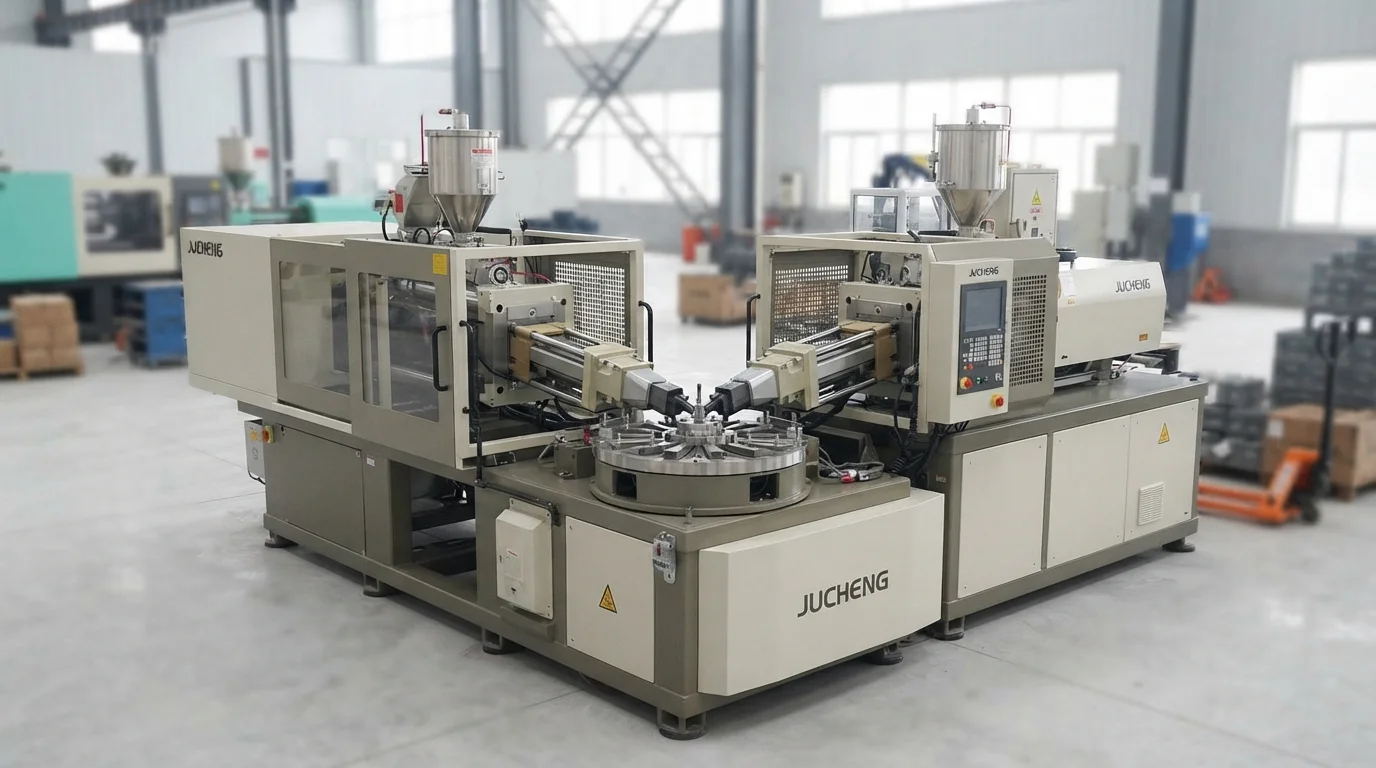
Molding multiple colors can build symbols and clear windows into the part rather than adding a surface coating. This technical guide reviews multi-barrel press configurations, rotary indexing mold engineering, and color bleed prevention strategies.
Mục lục
Máy ép nhiều thùng & Hệ thống khuôn đánh chỉ số quay
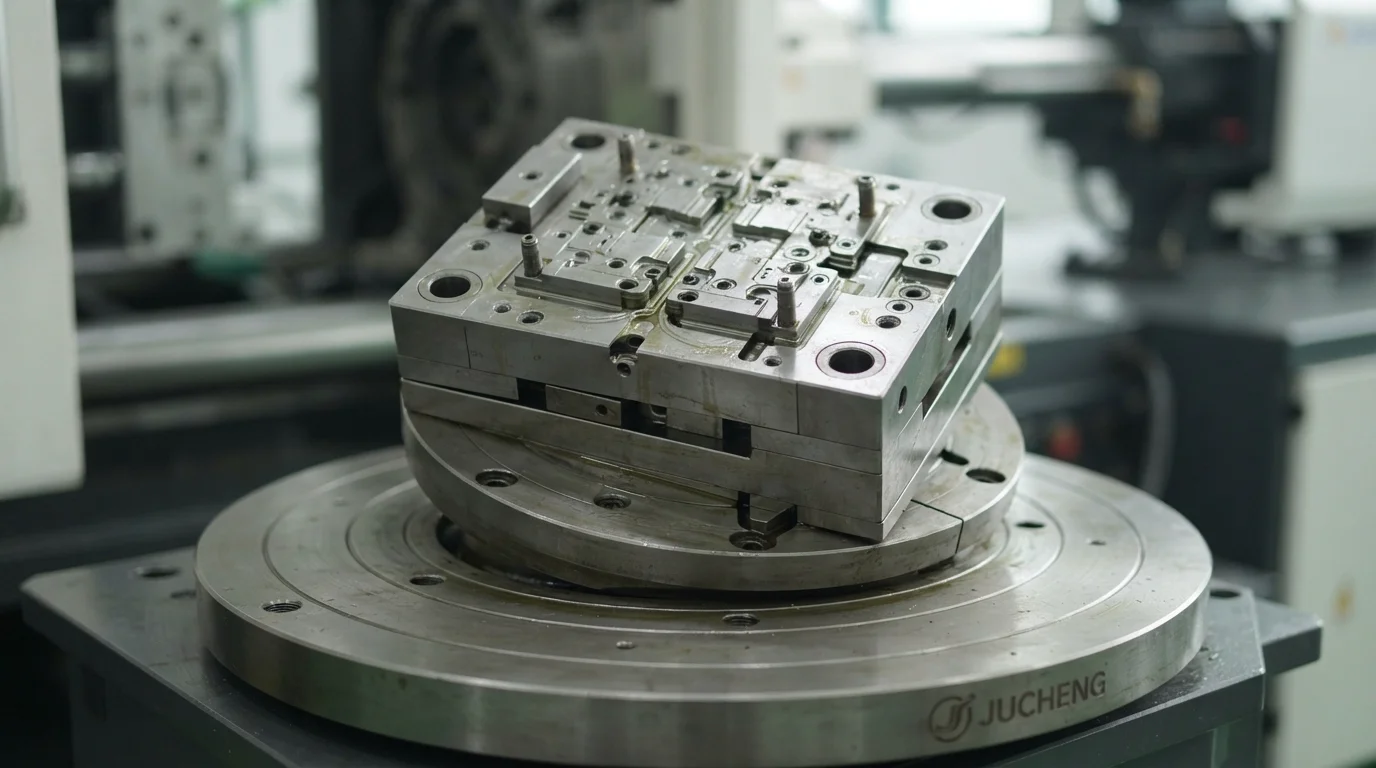
Xử lý đa vật liệu dựa vào các bố trí máy chuyên dụng được trang bị thùng phun độc lập. Thực hiện ép phun nhiều màu—thường được cấu hình dưới dạng ép phun hai lớp (2-Shot) hoặc ba lớp (3-Shot)—sử dụng máy ép nhiều thùng hoạt động đồng thời. Tích hợp hệ thống khuôn đánh chỉ số quay cho phép khoang khuôn hoặc tấm lõi xoay 180 độ giữa các giai đoạn phun.
Primary injection molds the base color frame, after which the tool swivels to position the part beneath a second injection nozzle for the secondary color. Repeatable indexing helps align the first shot. Verify the molded color boundary and check for flash on trial parts. Synchronizing cooling water circuits across both mold stations optimizes overall cycle duration.
Các bước trong chuỗi đánh chỉ số đa màu bao gồm:
- Ép phun màu chính—Ép phun màu của thân kết cấu chính để tạo nền tảng cho chi tiết.
- Đánh chỉ số bàn xoay—Xoay tấm lõi 180 độ để căn chỉnh lớp nền với nòng vật liệu thứ hai.
- Ép phun phủ màu thứ cấp—Ép phun nhựa màu thứ hai để lấp đầy các hốc ký hiệu hoặc cửa sổ thấu kính.
- Làm nguội chi tiết đồng thời—Làm nguội đồng thời cả hai lớp vật liệu giúp tối ưu hóa thời gian chu kỳ.
Thấu kính trong suốt tích hợp, nút có đèn nền & chỉ báo thẩm mỹ
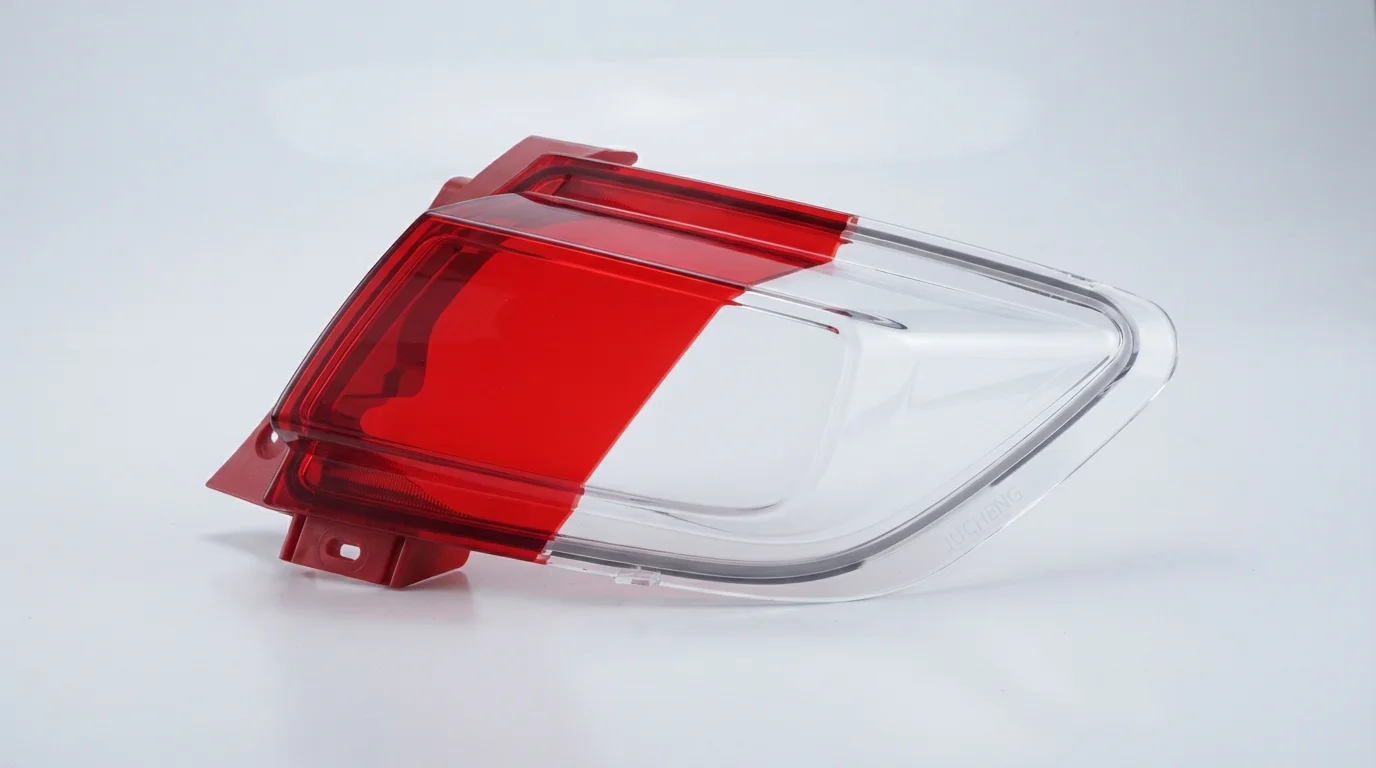
Các bộ điều khiển bảng táp-lô ô tô tận dụng rất nhiều kỹ thuật ép phun đa màu để sản xuất các nút có đèn nền chống mài mòn. Kết hợp ABS khung vỏ không trong suốt với polycarbonate (PC) hoặc PMMA symbol inserts can avoid a painted symbol layer. Check unwanted illumination and symbol uniformity on the finished assembly with the intended LED, housing, viewing angles and ambient light. Opacity at the molded thickness and gaps around the symbol both matter.
Multicolor molding can combine lens zones in one component, but it does not establish a weather-resistant seal. Verify the finished lamp against the applicable requirements for light output, color and environmental performance. Integrating colors can reduce separate parts without eliminating every assembly step.
Ngăn ngừa rò rỉ màu & Duy trì đường phân cách sắc nét
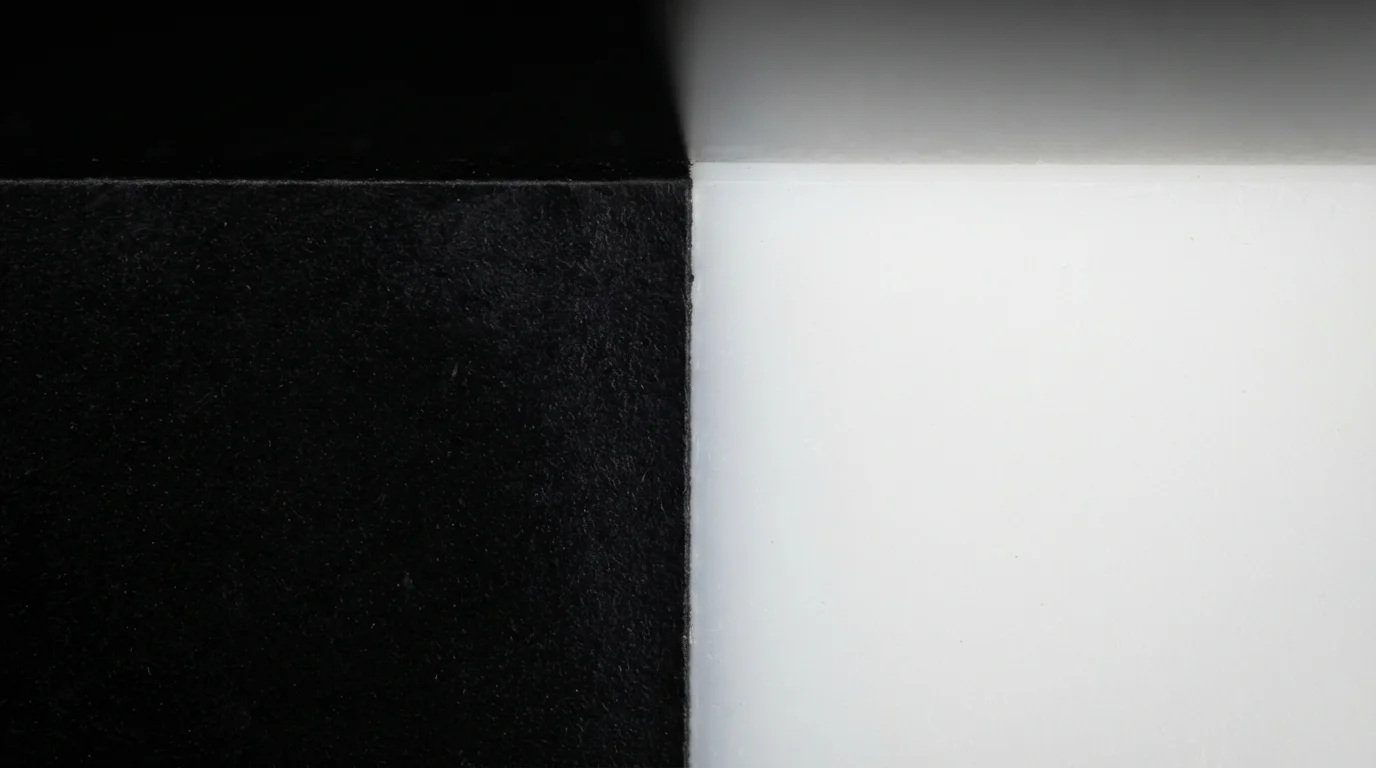
Để đạt được ranh giới màu sắc sắc nét đòi hỏi phải kiểm soát nghiêm ngặt thép chặn khuôn và lưu biến học của nhựa nóng chảy. Việc lắp khớp bề mặt chặn không đúng cách cho phép nhựa nóng chảy màu thứ hai tràn qua mẻ ép đầu tiên, gây ra hiện tượng loang màu. Specify allowable flash and color crossover at the molded boundary. Set the shut-off fit and geometry for the actual tool and verify the boundary on molded samples.
Select a process window for the exact grades and colorants. Check second-shot displacement and boundary appearance on representative parts rather than inferring them from nominal melt settings. Applying multi-shot processing in this manner elevates component aesthetics while providing reliable multi color injection molding solutions for demanding consumer and automotive applications.
| Nhựa thân chính | Nhựa màu/thấu kính thứ cấp | Kỹ thuật tách màu | Ứng dụng thẩm mỹ chính |
|---|---|---|---|
| Black ABS (POLYLAC PA-757, candidate) | Clear PC (LEXAN 141R, candidate) | Verify shut-off fit and trial the molded joint | Backlit buttons: test the lit assembly |
| PMMA quang học đỏ | Clear PMMA (Röhm PLEXIGLAS 8N, candidate) | Đánh chỉ mục lõi quay | Tail-lamp lenses: verify the finished lamp |
| Polypropylene trắng (PP) | Polypropylene xanh dương (PP) | Cổng van tuần tự | Vỏ và nắp chẩn đoán y tế |
Các câu hỏi thường gặp (FAQ)
Tại sao đúc nhiều màu được ưu tiên hơn in pad thứ cấp?
A molded-in symbol can avoid a printed surface layer, but it can still scratch, wear or change under chemical exposure. Check appearance and legibility after representative handling and cleaning with the intended agents.
Làm thế nào để ngăn ánh sáng rò rỉ trong các nút nhiều màu được chiếu sáng nền?
Mold shut-offs control flash and color crossover, not light leakage by themselves. Assess the molded opacity, housing gaps and light paths. Test the finished assembly with the LED on under agreed viewing conditions; material haze and transmittance measurements do not replace that test.
Các họ polymer khác nhau có thể được sử dụng trong đúc nhiều màu không?
ABS and PC family labels do not establish bond strength. Verify the exact grades, colors and joint design in trials, including adhesion or retention after relevant thermal exposure. An interlock may help retain the joint but does not prove adhesion.