Plastic Molding Insights
Read expert analyses on defect troubleshooting and materials. Have a complex design? Let our engineers review your project specifications today.
Consult Our Molding Specialists →
Why Water Assist Injection Molding Speeds Up Pipe Cooling
Manufacturing heavy-walled fluid transport pipes, automotive coolant lines, and structural handles requires internal core evacuation to reduce material usage and shorten cycle times. Gas-assisted molding effectively creates hollow channels, but nitrogen gas possesses low heat capacity, resulting in long cooling delays for thick polymer walls. Specifying high-pressure water assist injection
READ MORE
Why Gas Assist Injection Molding Reduces Part Weight
Molding thick-walled structural components like handles, grab bars, and thick enclosure ribs presents severe cosmetic and processing challenges. Solid thick plastic sections cool unevenly and contract substantially, creating deep surface sink marks, internal voids, and prolonged cycle times. Specifying gas assist injection molding overcomes these physical limits by injecting high-pressure
READ MORE
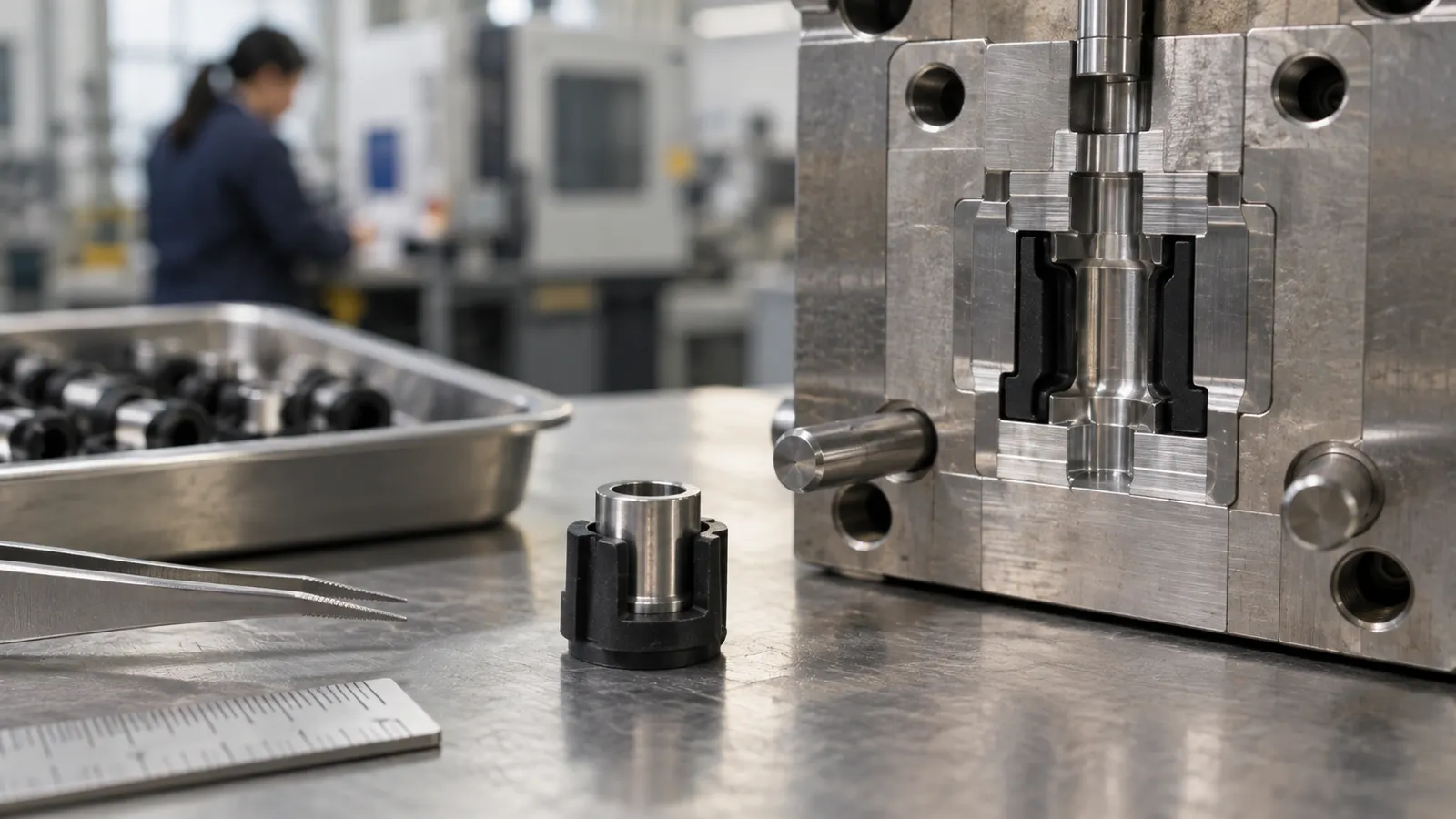
Precision Insert Molding for Threaded Inserts and Busbars
Integrating pre-formed metal components directly into molded plastic structures provides superior mechanical strength and spatial consolidation. Traditional post-mold installation techniques like heat-staking or ultrasonic insertion often yield inconsistent pull-out resistance and localized stress concentration. Specifying professional insert molding encapsulates metallic contacts, threaded studs, and electronic pins directly during the primary
READ MORE
High-Tonnage Large Part Injection Molding up to 3000T
Manufacturing large-format polymer enclosures, automotive body panels, and heavy structural pallets presents severe processing and tooling challenges. Injecting heavy plastic melt volumes across long cavity flow paths often causes visible weld lines, localized sink marks, and severe structural warpage. Specifying heavy-tonnage large part injection molding overcomes these manufacturing limits by
READ MORE
Specs for High Speed Injection Molding: Cycle Time Rules
Manufacturing high-volume thin-walled plastic components requires high injection velocities to pack mold cavities before melt freezing occurs. Conventional injection machinery lacks the instantaneous hydraulic response necessary to fill long flow paths with wall thicknesses below 0.8 mm. Specifying high speed injection molding resolves these flow limitations by utilizing hydraulic nitrogen
READ MORE
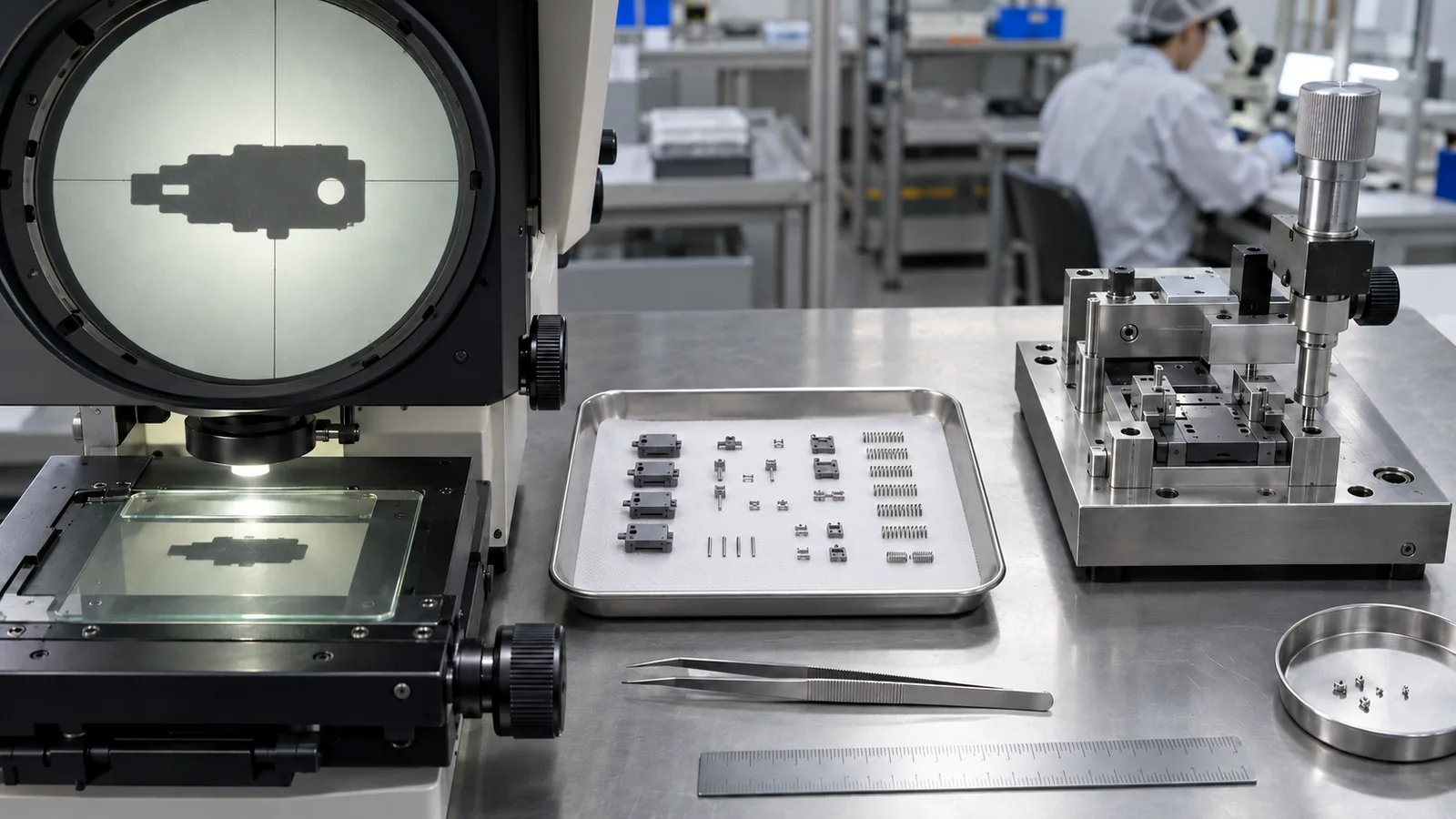
High-Accuracy Precision Injection Molding for Tight Tolerances
Manufacturing tight-tolerance components for medical diagnostic instruments, aerospace guidance systems, and automotive sensors requires extreme dimensional repeatability. Conventional plastic molding methods struggle with localized thermal contraction and batch-to-batch polymer viscosity variations. Specifying precision injection molding eliminates these manufacturing risks by establishing strict cavity pressure control and automated optical verification. JUCHENG
READ MORE
Why High Temperature Polymer Molding Replaces Heavy Metals
Replacing traditional metal alloys with high-performance super-polymers represents a major engineering shift in aerospace, medical, and semiconductor manufacturing. Super-polymers deliver extreme mechanical strength, outstanding chemical resistance, and high continuous service temperatures while reducing component weight. Processing these specialized thermoplastics requires specialized thermal equipment capable of reaching extreme heating thresholds without
READ MORE
High-Precision Micro Injection Molding for Medical Devices
Miniaturization in medical diagnostic devices, minimally invasive surgical tools, and micro-electronics requires manufacturing sub-gram polymer components with sub-millimeter features. Conventional injection molding machinery struggles with extremely small shot weights because molten resin remains inside large heating barrels too long, causing thermal degradation. Specifying specialized micro injection molding resolves these thermal
READ MORE
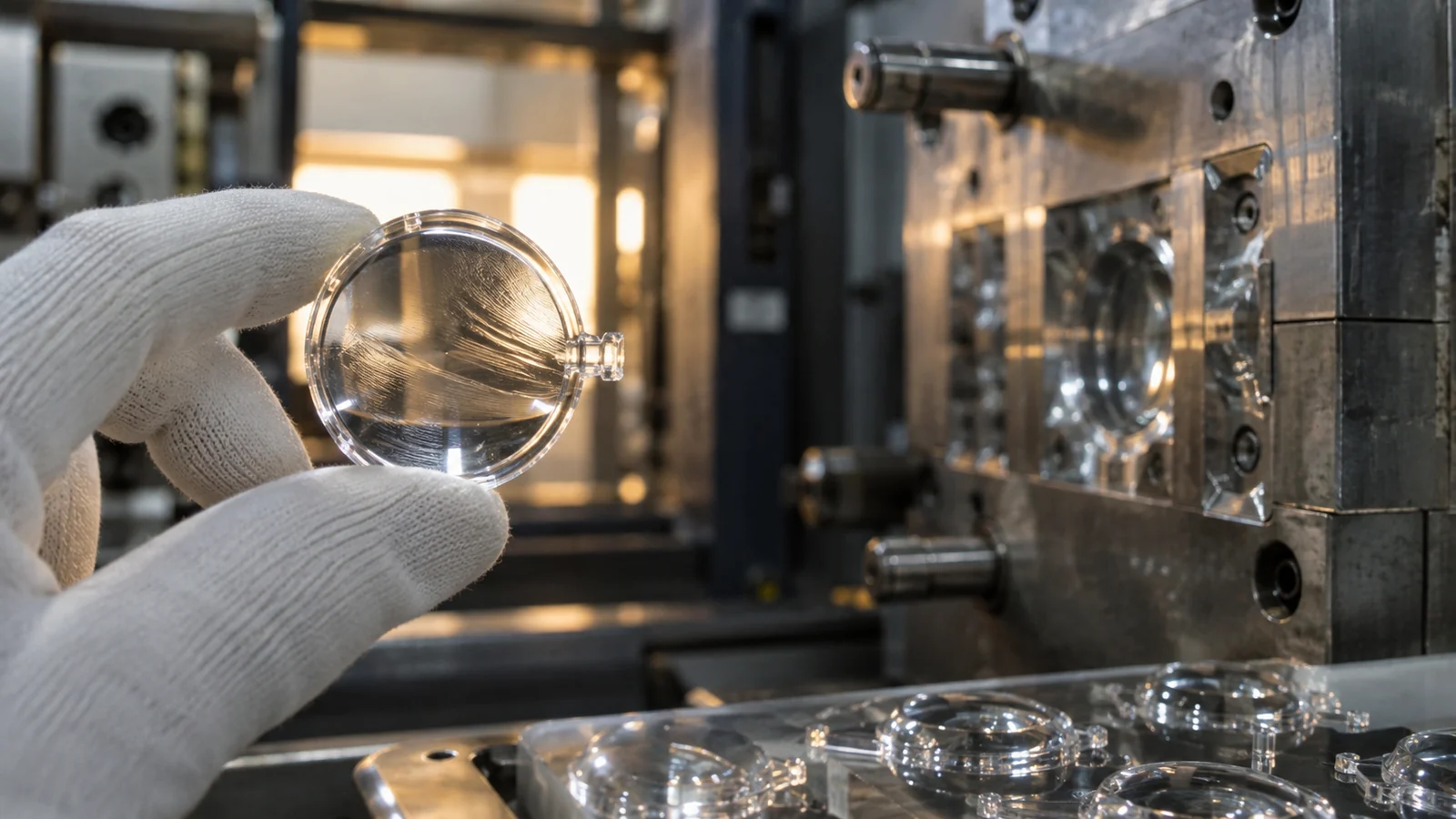
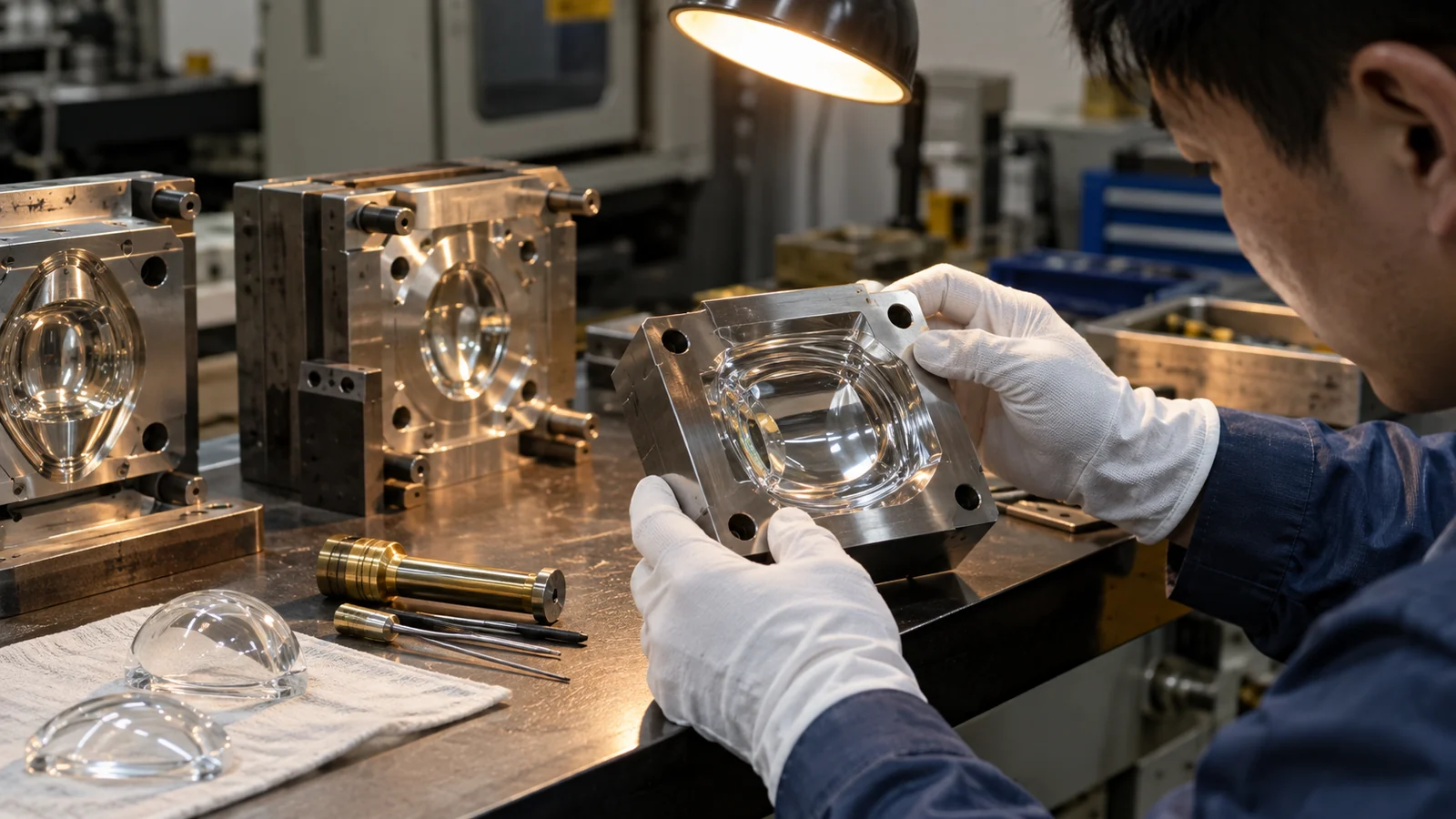
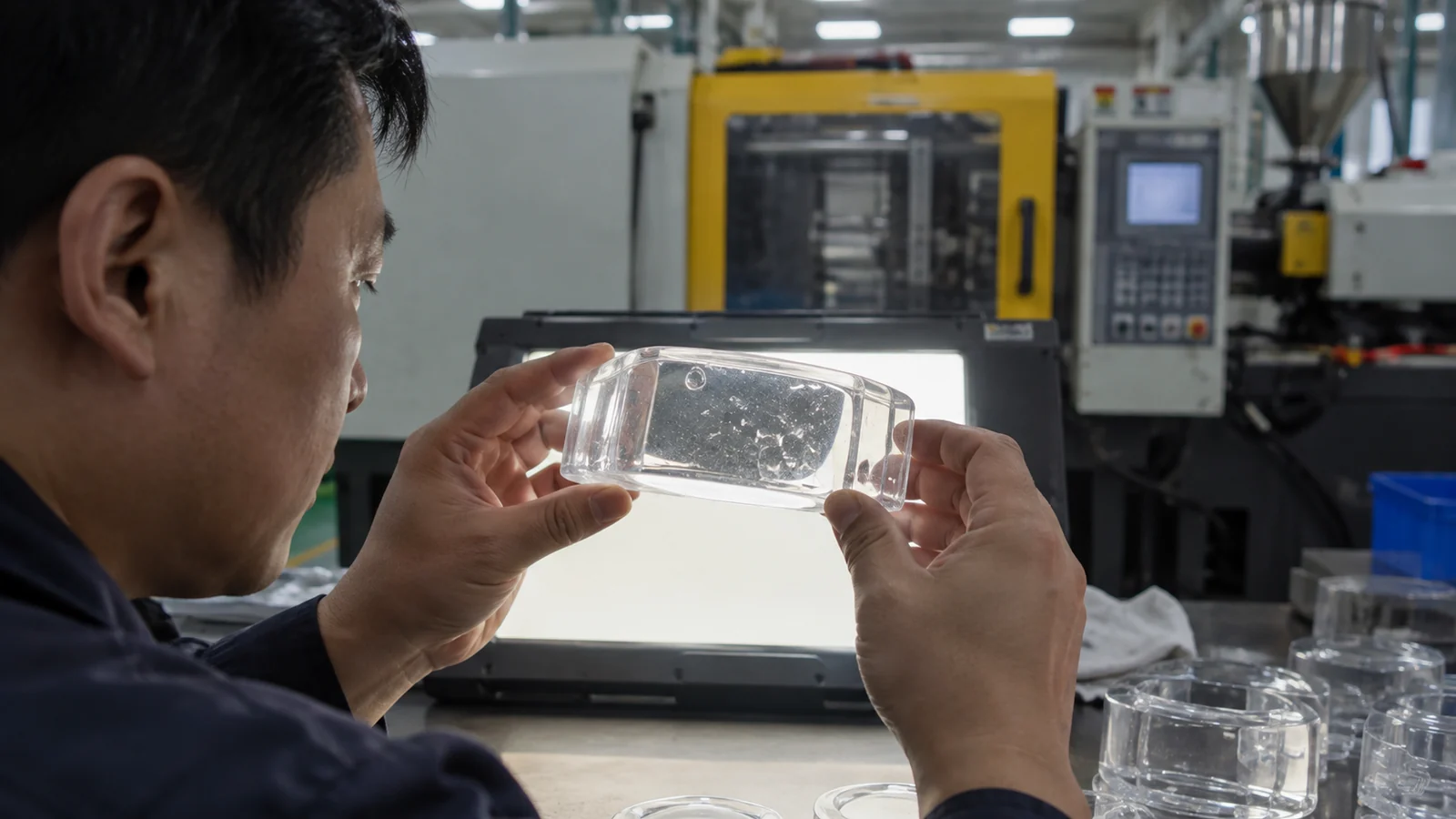
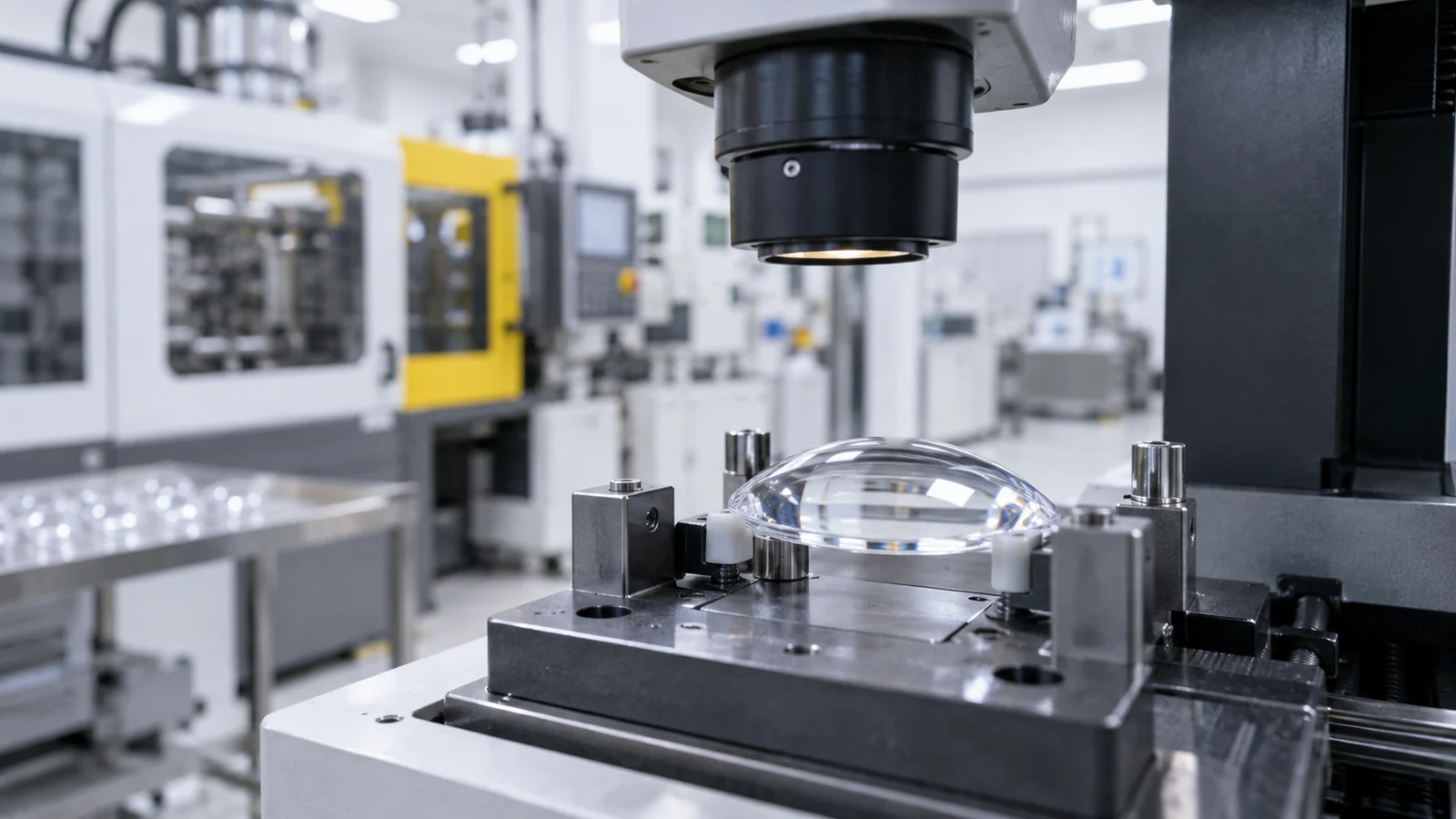
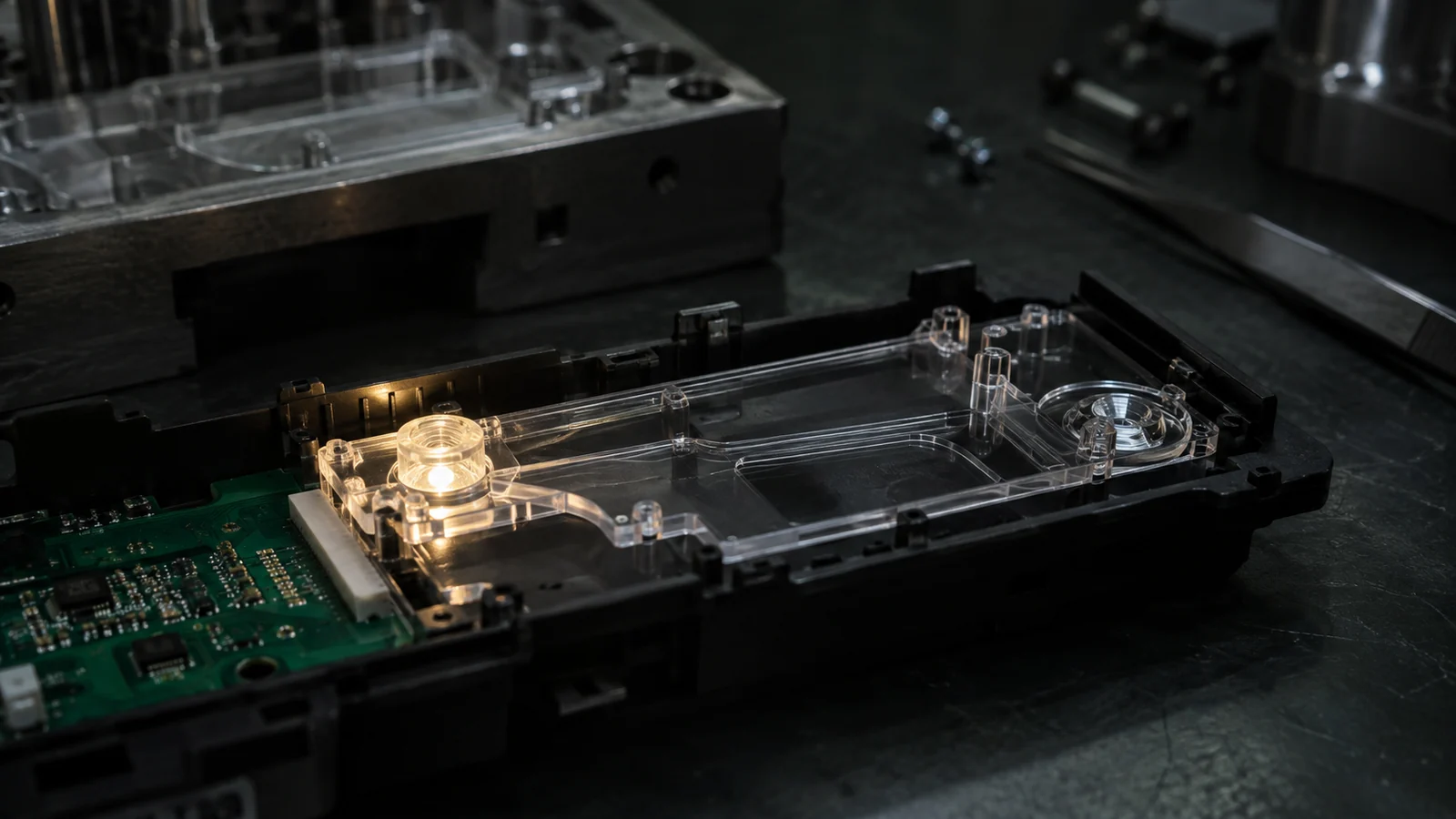
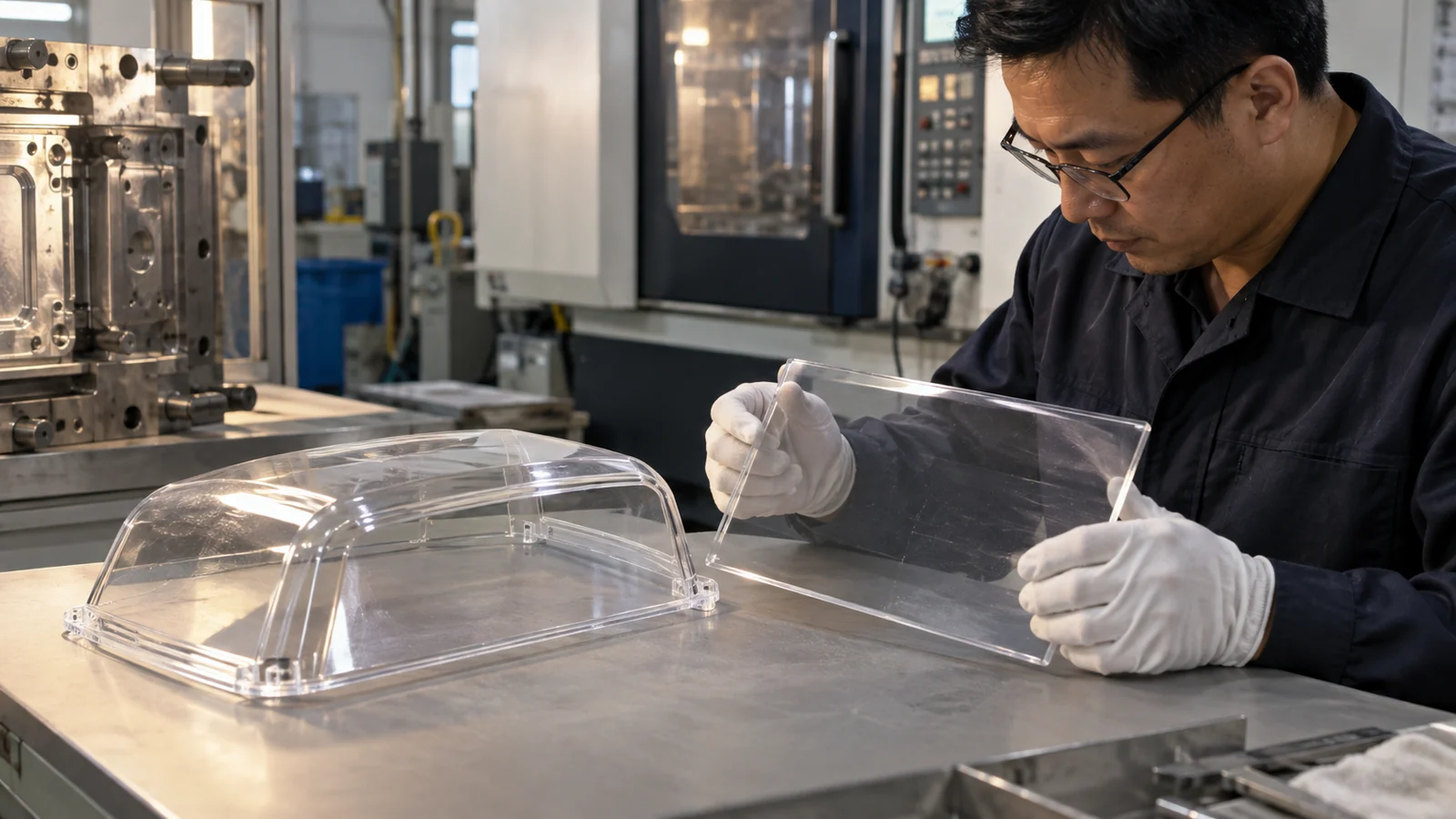
Specs for Optical Clear Plastic Molding: Lens Clarity
Flawless light transmission in optical lenses, light pipes, and sensor covers requires strict control over polymer purity and molding thermal dynamics. Microscopic airborne dust particles, surface splay marks, or internal stress-induced birefringence cause light scattering and optical distortion. Manufacturing high-transmittance polymer components relies on cleanroom processing, high-polish mold cavity steels,
READ MOREPut Our Molding Expertise to the Test
Read our insights and see how they apply to your custom parts. Share your design files with our technical engineering team today for a free moldability review and a competitive production cost estimate.
SUBMIT YOUR DESIGN FOR FREE REVIEW