
Two-shot injection molding tooling must hold the first-shot substrate, present it to the second shot, and preserve registration through repeated cycles. Tool cost is therefore influenced by more than cavity count. Indexing method, part retention, shut-offs, cooling, ejection, material compatibility, and validation access all affect the final risk. This guide focuses on the decisions a buyer should review before tool steel is released.
Choose the Tooling Architecture Before Detailing the Mold
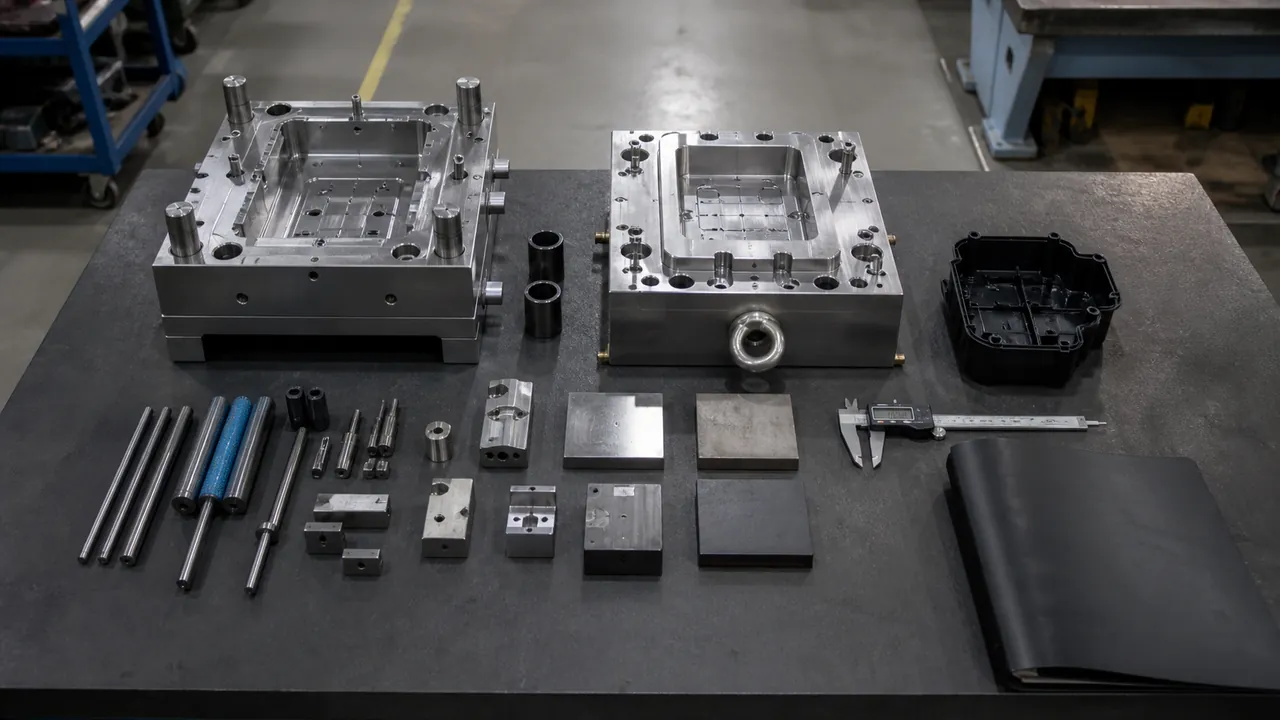
A multi-material mold may use a rotary platen, rotary table, core-back movement, or a transfer arrangement. The correct choice depends on whether the second material covers a complete surface, a local feature, an internal area, or a sealing zone. The mold layout also determines whether the first-shot part remains supported during indexing and whether the second cavity can reach the required surfaces without creating flash or distortion.
Start the design review with the parting line, draft, gate location, ejection direction, and material boundary. The two-shot molding service overview can establish the process context, but the part drawing must drive the final tooling architecture.
Core Tooling Components That Control Repeatability
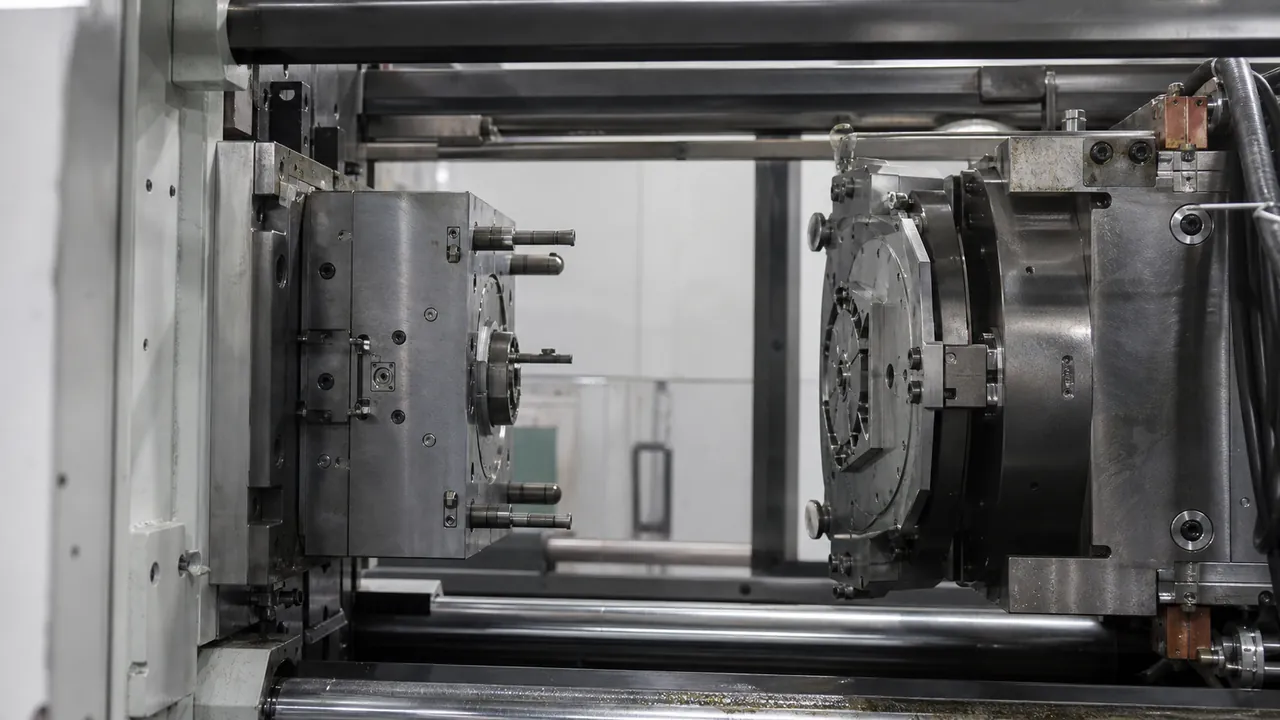
The visible material boundary is only one part of the mold. Engineers should review locating pins, shot-pin locks, core and cavity inserts, shut-off lands, lifters, slides, runners, gates, cooling channels, vents, and ejection surfaces as one system. Any movement between the first and second position can change the seal condition or the alignment of the second cavity.
- Registration: locating features must control the cavity-to-core relationship after indexing or transfer.
- Part retention: the substrate must not fall, rotate, warp, or be marked while the mold changes position.
- Shut-off control: sealing lands and relief areas must protect the first shot from crushing and reduce flash risk.
- Service access: inserts and wear components should be replaceable without rebuilding the complete tool.
Indexing, Core-Back, or Transfer: Match Movement to Geometry
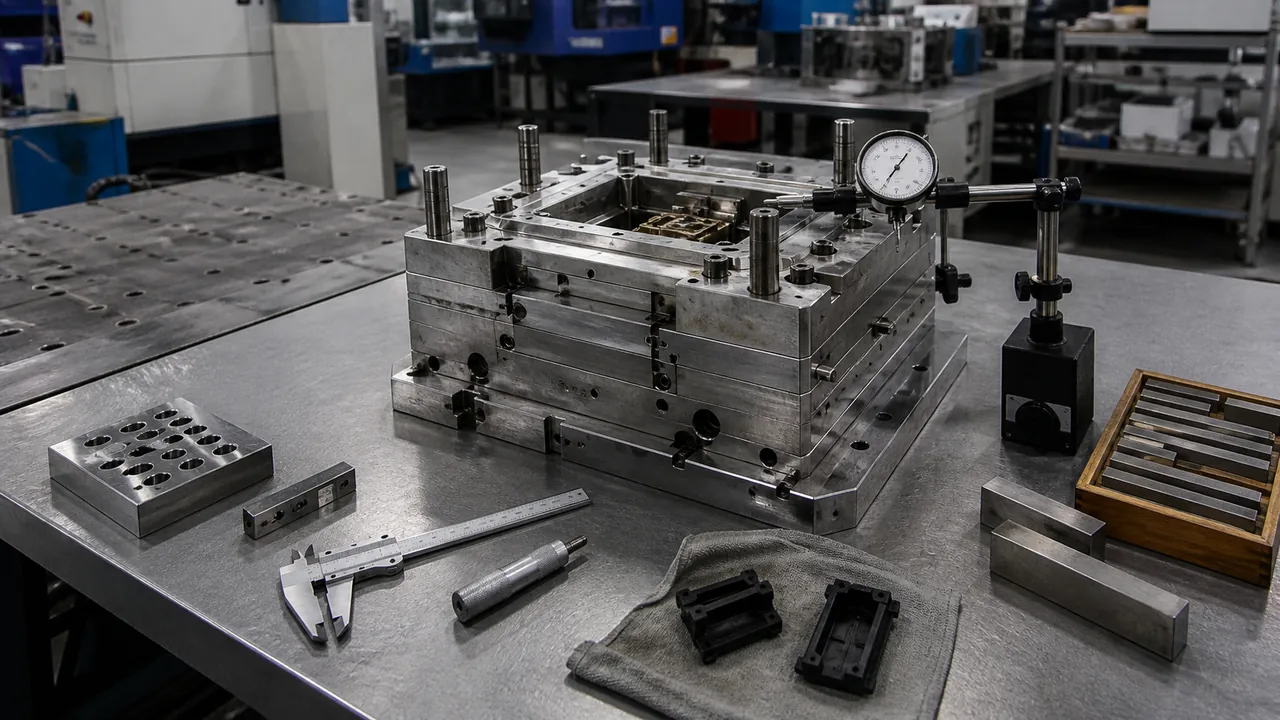
A rotary platen can move the first-shot substrate to a second injection position without manual handling. A rotary table follows a similar principle but uses a different machine and mold arrangement. Core-back tooling changes the cavity volume inside the same mold position, while transfer systems move the molded substrate by a mechanical or robotic action. Each option changes cycle timing, machine requirements, maintenance points, and the way the part is referenced.
Ask the toolmaker to show the movement sequence, part support points, clearance checks, and failure recovery method. A step-by-step two-shot process explanation is useful for aligning the cycle with the mold design.
Cooling, Venting, and Material Control
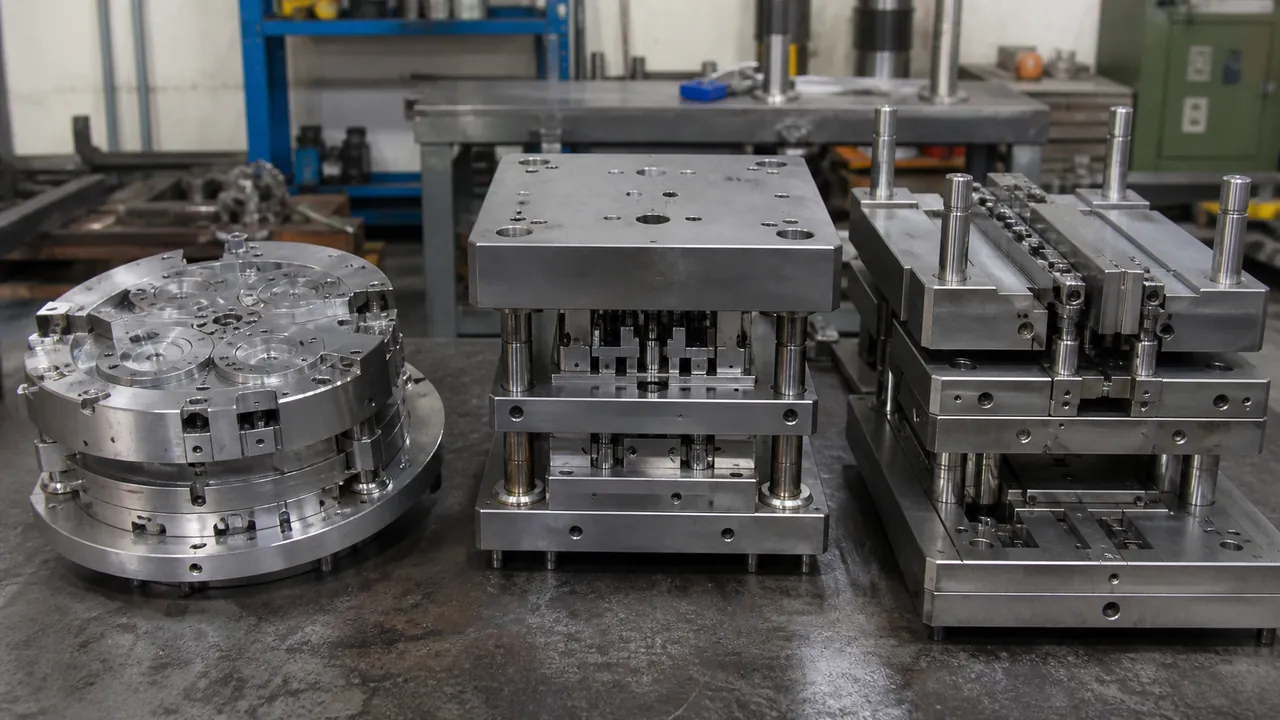
Different materials may require different melt and mold temperatures, drying conditions, and cooling times. Cooling circuits should be reviewed for both shots rather than optimized only for the first-shot cycle. Poor thermal balance can move the interface, increase warpage, or make demolding inconsistent. Venting is equally important because the second shot may seal vents that were adequate for the first stage.
Specify resin manufacturer and grade, hardness, color, additives, moisture sensitivity, and service environment. The руководство по совместимости материалов helps frame the review, but sample validation remains necessary for the chosen pair.
Validate the Tool Before Production Approval
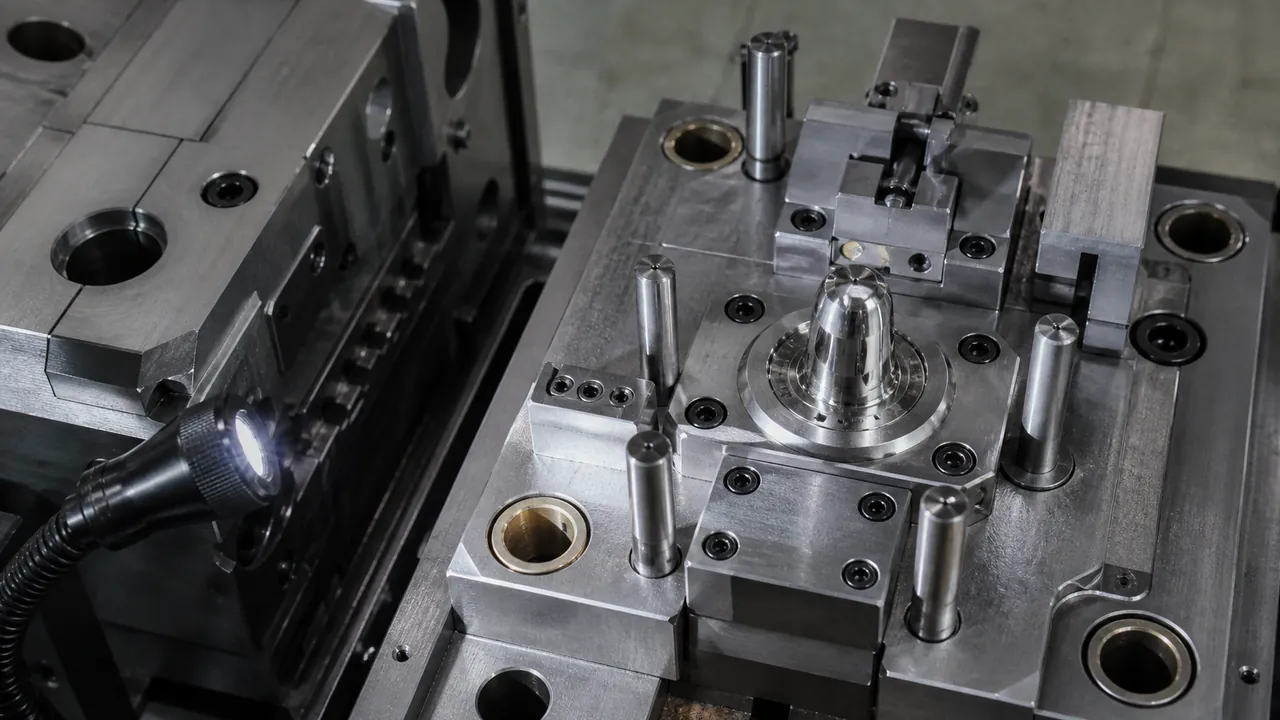
Tool trials should confirm more than whether a sample can be molded. Record first-shot dimensions, indexed registration, second-shot coverage, interface performance, flash, short shots, sink, warpage, cycle balance, and ejection marks. If the part has a sealing or grip function, define the test method before the trial so the result is measurable.
Maintenance documentation should identify wear surfaces, cleaning points, lubrication requirements, spare inserts, and the conditions that require a requalification. Jucheng’s контроль качества рабочего процесса provides first-party context for incoming, first-article, in-process, and final checks.
What to Include in a Tooling Quote Request
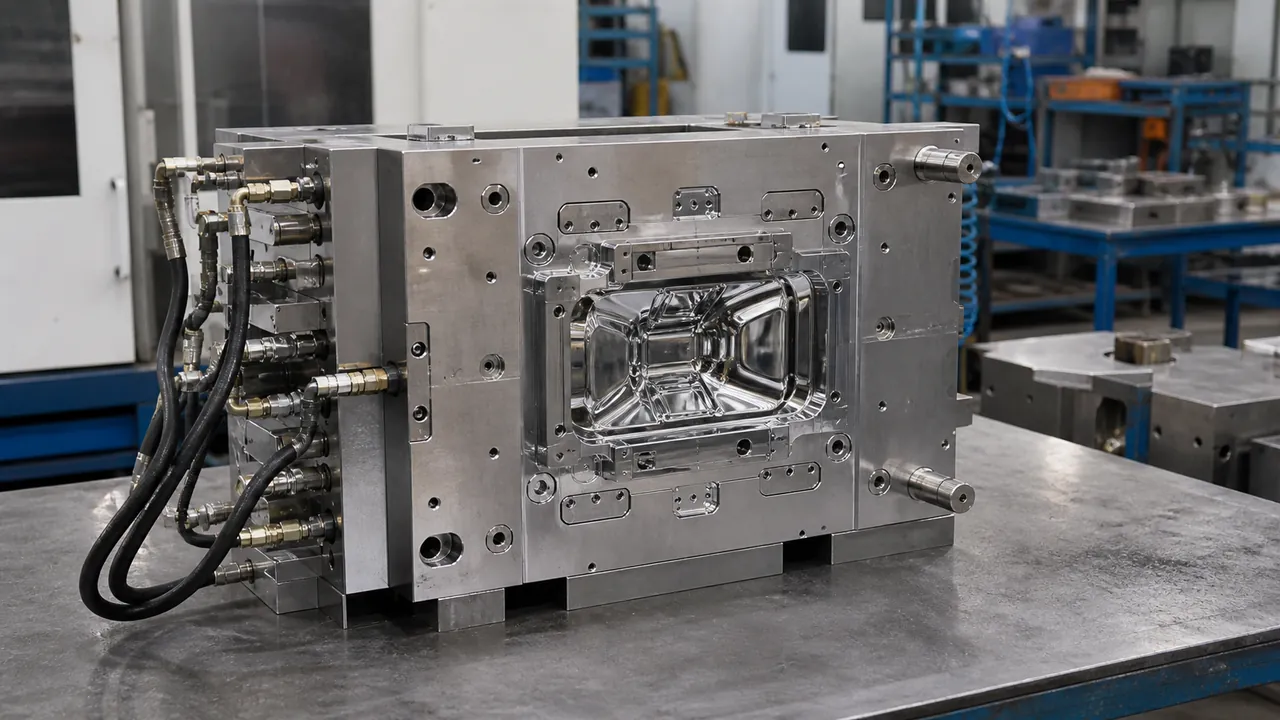
Provide CAD, drawings, annual volume, target cycle, material grades, color zones, interface requirements, cosmetic standards, machine constraints, expected tool life, sample quantity, inspection requirements, and launch timing. Ask for the assumed mold architecture, number of injection units, trial scope, inspection records, and exclusions.
- Separate confirmed capability from items that require a mold trial.
- Request a process flow showing first shot, movement, second shot, ejection, and inspection.
- Confirm who owns tool changes, maintenance records, and revision control.
Суть: good two-shot tooling is a coordinated system of movement, support, sealing, thermal control, and validation. Lower initial cost is not useful if the tool cannot hold registration or support the required material interface over production life.