
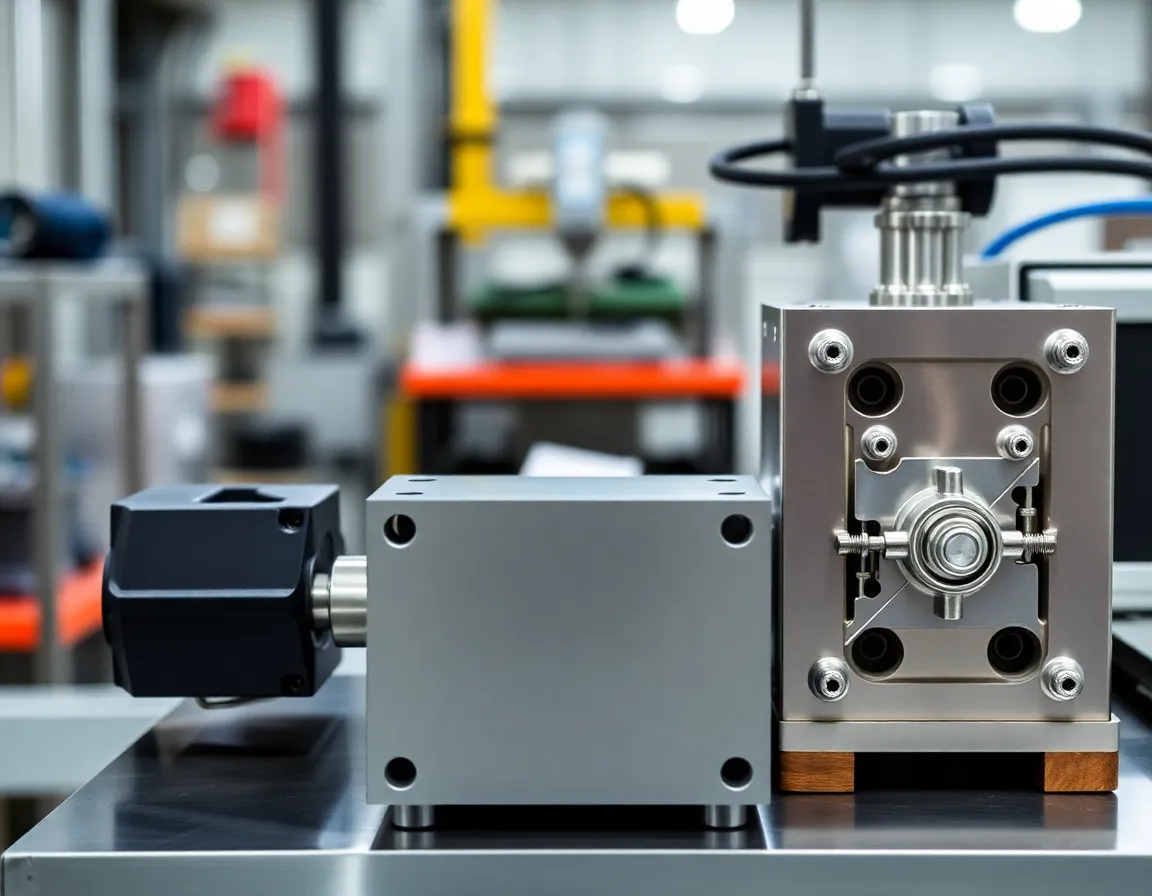
L'intero spettro dello stampaggio a iniezione a servizio completo
Nel moderno panorama produttivo, l'espressione “stampaggio a iniezione a servizio completo” rappresenta molto più di una semplice capacità produttiva. Indica una partnership olistica in cui un unico fornitore gestisce ogni aspetto del ciclo di vita di un componente in plastica: dalla scintilla iniziale di un'idea e dalla selezione dei materiali, attraverso attrezzature di precisione e prove pilota, fino alla produzione ad alto volume, alla finitura, all'assemblaggio e persino alla logistica. Per i produttori di apparecchiature originali (OEM) e gli sviluppatori di prodotti, avvalersi di un'azienda di stampaggio a iniezione a servizio completo elimina il caos frammentato della gestione di più fornitori, riduce il time-to-market e garantisce un unico punto di responsabilità per qualità e costi. Questo articolo approfondisce l'architettura dello stampaggio a iniezione a servizio completo, il suo flusso operativo, i sostanziali vantaggi che offre e le migliori pratiche fondamentali che distinguono i fornitori eccezionali dai semplici stampatori di commodity.
Che cosa definisce un'azienda di stampaggio a iniezione a servizio completo?
Una vera azienda di stampaggio a iniezione a servizio completo opera come un'estensione dei vostri team di ingegneria e supply chain. A differenza di un tradizionale “stampatore” che si limita a ricevere uno stampo e far funzionare una pressa, un fornitore a servizio completo integra design for manufacturability (DFM), attrezzaggio interno, controllo avanzato dei processi e operazioni post-stampaggio a valore aggiunto sotto un unico tetto. Questa integrazione verticale è la pietra angolare del modello, garantendo che le conoscenze acquisite nell'officina degli stampi informino direttamente il reparto di stampaggio e che i feedback sulla qualità ritornino nelle iterazioni di progettazione.
Pilastri fondamentali del modello a servizio completo
- Collaborazione nella progettazione e ingegnerizzazione: Ingegneri meccanici, analisti di moldflow e scienziati dei materiali lavorano direttamente con il vostro team per ottimizzare spessore delle pareti, angoli di sformo, posizioni dei punti di iniezione e design delle nervature prima ancora che l'acciaio venga tagliato.
- Costruzione e manutenzione degli stampi interni: L'azienda possiede il processo di costruzione degli stampi, inclusi lavorazioni CNC, EDM (electrical discharge machining) e rettifica di precisione. Ciò consente prototipazione rapida, modifiche iterative e programmi di manutenzione proattiva.
- Competenza nella scienza dei materiali: I fornitori a servizio completo mantengono cataloghi estesi di termoplastici tecnici, elastomeri e additivi. Vi guidano nella selezione delle resine in base ai requisiti meccanici, alla resistenza chimica, alle classificazioni di infiammabilità UL e alla conformità normativa (FDA, RoHS, REACH).
- Stampaggio di precisione e validazione del processo: Utilizzando i principi dello stampaggio scientifico, validano i processi attraverso il Design of Experiments (DOE), garantendo la ripetibilità su milioni di cicli. Le strutture moderne impiegano il monitoraggio dei processi in tempo reale e la rimozione robotizzata dei pezzi.
- Operazioni secondarie e assemblaggio: Oltre alla pressa, i servizi includono saldatura a ultrasuoni, termoincastonatura, tampografia, incisione laser, schermatura EMI/RFI e assemblaggio in camera bianca. Alcuni fornitori offrono persino test funzionali e progettazione del packaging.
Come funziona il flusso di lavoro a servizio completo: dalla progettazione alla consegna
Il percorso di un componente attraverso un'azienda di stampaggio a iniezione a servizio completo è una sequenza meticolosamente coreografata. Comprendere questo flusso di lavoro aiuta ad apprezzare il valore di un partner unico. Il processo è tipicamente suddiviso in cinque fasi distinte, ma interconnesse.
Fase 1: Concetto, DFM e selezione dei materiali
Il processo inizia con una revisione di fattibilità approfondita. Il file CAD iniziale—anche se si tratta di un concetto approssimativo—viene sottoposto a una rigorosa analisi di Design for Manufacturability. Gli ingegneri del fornitore utilizzano software di simulazione moldflow per prevedere come il polimero fuso riempirà la cavità, dove si formeranno linee di saldatura e intrappolamenti d'aria e come il raffreddamento influenzerà il tempo di ciclo. Durante questa fase, raccomanderanno modifiche critiche, come aumentare l'angolo di sformo per evitare segni di estrazione o regolare la posizione del punto di iniezione per migliorare l'aspetto estetico. Contemporaneamente, il team di selezione dei materiali lavora per abbinare le proprietà della resina alle esigenze dell'applicazione—che si tratti di un ABS ad alto impatto per un alloggiamento di un utensile elettrico o di un nylon caricato con fibra di vetro per una staffa automobilistica. Al termine di questa fase, si riceve un preventivo completo che include i costi dell'attrezzatura, il prezzo per pezzo e una tempistica di produzione realistica.
Fase 2: Attrezzaggio di precisione e prototipazione
Una volta congelato il design e specificato il materiale, inizia la fase di attrezzaggio. A differenza dei semplici stampatori, un'azienda a servizio completo spesso costruisce attrezzature di classe 101 o classe 102 (stampi in acciaio di grado produttivo classificati per un milione o più cicli). L'officina degli stampi utilizza fresatura ad alta velocità ed elettroerosione a filo per raggiungere tolleranze entro ±0,005 mm. Prima di impegnarsi nello stampo finale temprato, molti fornitori offrono attrezzature ponte o inserti stampati in 3D per lo stampaggio di prototipi. Ciò consente di produrre da 50 a 5.000 pezzi nella resina di produzione effettiva per test sul campo e prove cliniche, se necessario. Questo passaggio è critico perché convalida la funzione del pezzo e l'efficienza di raffreddamento dello stampo senza la spesa di un'attrezzatura di produzione completa.
Fase 3: Stampaggio scientifico e validazione del processo
Quando l'attrezzatura di produzione è montata nella pressa per stampaggio a iniezione, l'ingegnere di processo esegue una serie di prove per stabilire una finestra di processo “golden”. Analizzano le curve di pressione, la temperatura di fusione e il tempo di raffreddamento per bilanciare la qualità del pezzo con l'efficienza del ciclo. L'obiettivo è ottenere un processo robusto che sia insensibile a lievi variazioni nel lotto di materiale o nell'umidità ambientale. Dopo le prove iniziali, l'azienda esegue una validazione formale—spesso in linea con gli standard ISO 13485 (medicale) o IATF 16949 (automotive). Ciò include l'ispezione del primo articolo (FAI), in cui ogni dimensione critica viene misurata e documentata, e studi di capacità di processo (Cpk/Ppk) per dimostrare statisticamente che il processo può mantenere le tolleranze nel tempo.
Fase 4: Produzione ad alto volume e controllo qualità
Completata la validazione, l'operazione passa alla produzione su larga scala. Le strutture a servizio completo utilizzano una gamma di presse—dalle macchine per micro-stampaggio per componenti medicali intricati alle presse idrauliche da 1.000 tonnellate per grandi paraurti automobilistici. Durante tutta la produzione, robot automatizzati rimuovono i pezzi e li collocano su sistemi a nastro trasportatore per l'ispezione. In-line vision systems check for flash, burns, short shots, and dimensional deviations in real time. Statistical Process Control (SPC) software tracks key parameters, alerting operators to any drift before it produces defective parts. For critical applications, the company may employ cavity pressure sensors to monitor consistency cycle-by-cycle, ensuring that each part is identical to the validated golden sample.
Phase 5: Secondary Operations, Assembly, and Global Logistics
The final phase transforms raw molded parts into ready-to-ship products. In cleanrooms, operators perform ultrasonic welding to join two halves of a fluid reservoir. Automated stations apply gaskets, lubricants, or thread sealants. Pad printing and laser marking add logos and serial numbers. For complex devices, the provider manages kitting—combining the molded housing with purchased electronic components, screws, and springs—and performs final functional testing before packaging. The logistics team then coordinates either just-in-time delivery to your assembly plant or direct-to-consumer fulfillment from their warehouse. Many full-service companies offer vendor-managed inventory (VMI) systems, where they monitor your stock levels and automatically trigger production runs to maintain optimal inventory without overstocking.
The Strategic Benefits of Partnering with a Full-Service Provider
The decision to consolidate your injection molding needs with a single, full-service partner yields tangible, measurable advantages that go far beyond simple convenience. These benefits directly impact your bottom line, your product’s quality, and your team’s ability to innovate.
Reduced Risk and Accelerated Time-to-Market
When tooling is built in-house, the communication delay between a molder and a separate toolmaker disappears. If a modification is needed during trials, the mold maker is already on-site, reducing a potential three-week delay to three days. This parallel processing compresses the overall project timeline by 20% to 30%. Furthermore, having a single accountable partner eliminates the “finger-pointing” that occurs when a part fails due to a design issue versus a tooling issue versus a material issue. The full-service provider owns all variables, forcing them to solve problems holistically rather than shifting blame.
Superior Quality Through Process Ownership
Quality is not an afterthought; it is engineered into the process. Because the same company designs the gate, cuts the steel, and runs the press, they understand the nuances of the tool’s wear patterns and can adjust process parameters proactively. This leads to higher first-pass yields—often exceeding 99%—and significantly lower scrap rates. For industries like medical devices or aerospace, where traceability is mandatory, the full-service model provides a complete digital thread. Every part can be traced back to the exact resin lot, the mold cavity number, and the specific molding cycle timestamp, ensuring full compliance with regulatory audits.
Cost Efficiency Across the Product Lifecycle
While the per-part price from a low-cost offshore molder might appear lower, the total cost of ownership (TCO) often favors the full-service provider. Consider the hidden costs: freight and customs brokerage, long lead times for engineering changes, travel expenses for audits, and the risk of receiving defective parts that halt your production line. A full-service partner mitigates these. Moreover, their expertise in DFM often results in material savings of 5% to 15% by optimizing wall thickness and runner systems. They also manage tooling maintenance to extend mold life, avoiding the sudden capital expense of a premature tool replacement.
Scalability and Flexibility
As your product gains market traction, a full-service provider can scale production seamlessly. They have multiple presses of varying tonnage, allowing them to move your mold to a larger or faster machine as volume demands change. They also offer flexible supply chain solutions, such as consignment inventory where you only pay for parts as you consume them. This financial flexibility is invaluable for startups and established enterprises alike, allowing you to adapt to market demand without tying up capital in raw materials or finished goods.
Best Practices for Selecting and Working with a Full-Service Molder
Not all companies that claim to be “full-service” deliver on that promise. To maximize your chances of success, you must conduct a diligent evaluation and establish a collaborative working relationship from day one.
Evaluating Capabilities and Certifications
Begin by auditing the provider’s facility. Look beyond the number of injection molding machines. Ask about their in-house mold shop capabilities—do they have 5-axis CNC machines and wire EDM? Do they employ dedicated process engineers with certifications in scientific molding (e.g., RJG or Paulson)? Review their quality certifications: ISO 9001 for general quality, ISO 13485 for medical, and IATF 16949 for automotive are non-negotiable for those industries. Critically, ask for references from clients who have similar product complexities. A provider that excels at simple packaging may struggle with intricate, thin-walled medical components.
Establishing Clear Communication Protocols
The most successful partnerships are built on transparency. Establish a regular cadence of project reviews—weekly during tooling and monthly during production. Demand a single Program Manager as your point of contact who has the authority to allocate resources across the design, tooling, and molding departments. Insist on receiving detailed open-loop reports that list every engineering change request (ECR) with its cost and timeline impact. Furthermore, define your quality expectations in writing, including acceptable AQL (Acceptable Quality Limit) levels, and agree on the corrective action process for non-conformances.
Planning for the Entire Product Lifecycle
Do not negotiate only for the initial production run. Discuss the product’s projected lifecycle—will you need parts for five years or fifteen? Ensure the provider has a documented tooling maintenance plan and a spare parts strategy for critical mold components. For long-life products, clarify their policy on tooling storage and obsolescence management. A best-in-class partner will help you create a risk mitigation plan for resins that may be discontinued by chemical manufacturers, suggesting alternative materials with similar properties that can be qualified in advance.
In conclusion, full-service injection molding is not merely a service offering; it is a strategic approach to manufacturing that aligns engineering, production, and logistics into a single, cohesive force. By choosing a partner that embodies this philosophy, you gain more than a supplier—you gain an integrated team dedicated to turning your concept into a high-quality, cost-effective, and reliable product, delivered on time and ready to perform in the hands of your customers.