
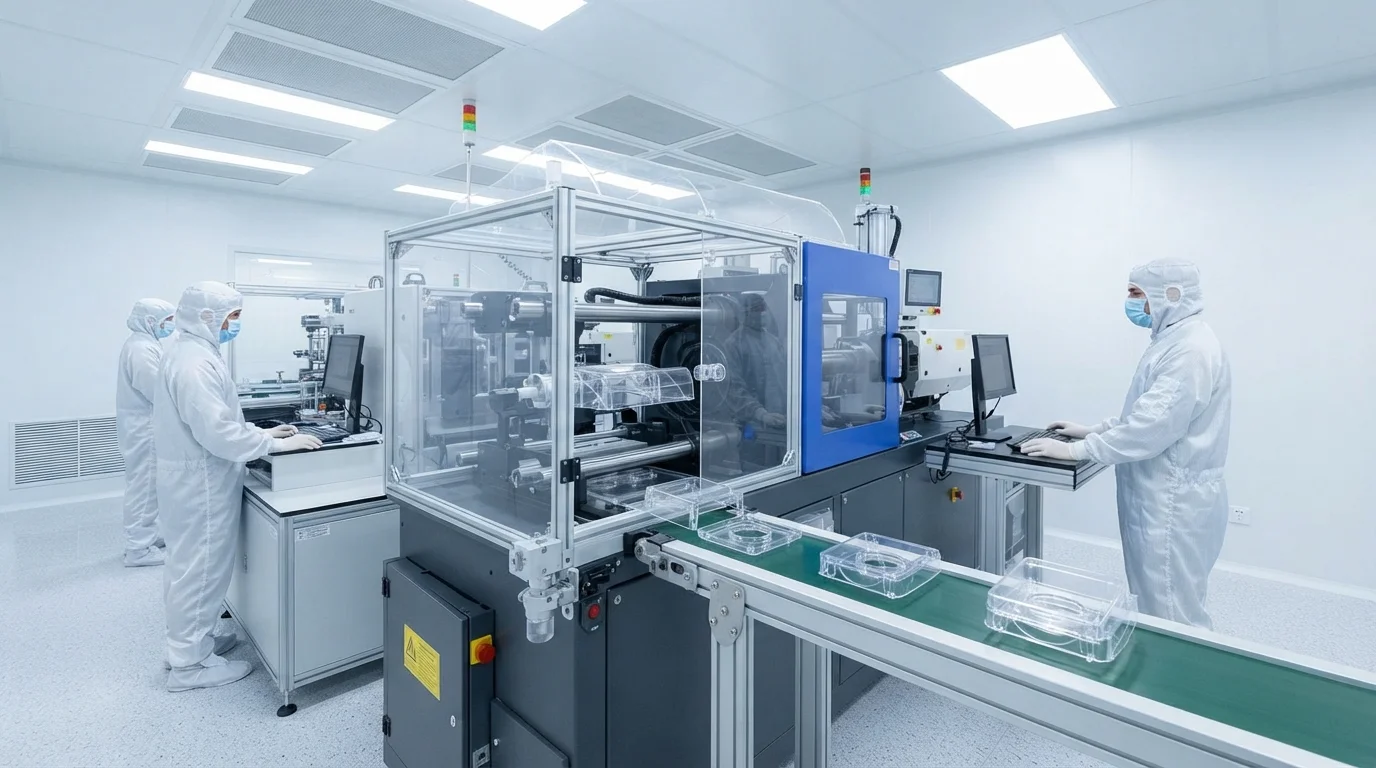
يتطلب نقل الضوء المثالي في العدسات البصرية وموجهات الضوء وأغطية المستشعرات تحكمًا صارمًا في نقاء البوليمر وديناميكيات القولبة الحرارية. تسبب جزيئات الغبار المجهرية المحمولة جوًا أو علامات السطح أو الانكسار المزدوج الناتج عن الإجهاد الداخلي تشتت الضوء وتشويهًا بصريًا. يعتمد تصنيع مكونات البوليمر عالية النفاذية على المعالجة في غرف نظيفة وفولاذ تجويف القالب عالي التلميع وملامح دقيقة لدرجة حرارة الذوبان. تشغل JUCHENG خلايا تصنيع متخصصة للتحكم في الجسيمات، وتنتج بصريات بلاستيكية عالية الوضوح بدقة وفقًا للرسومات الفنية للعملاء.
جدول المحتويات
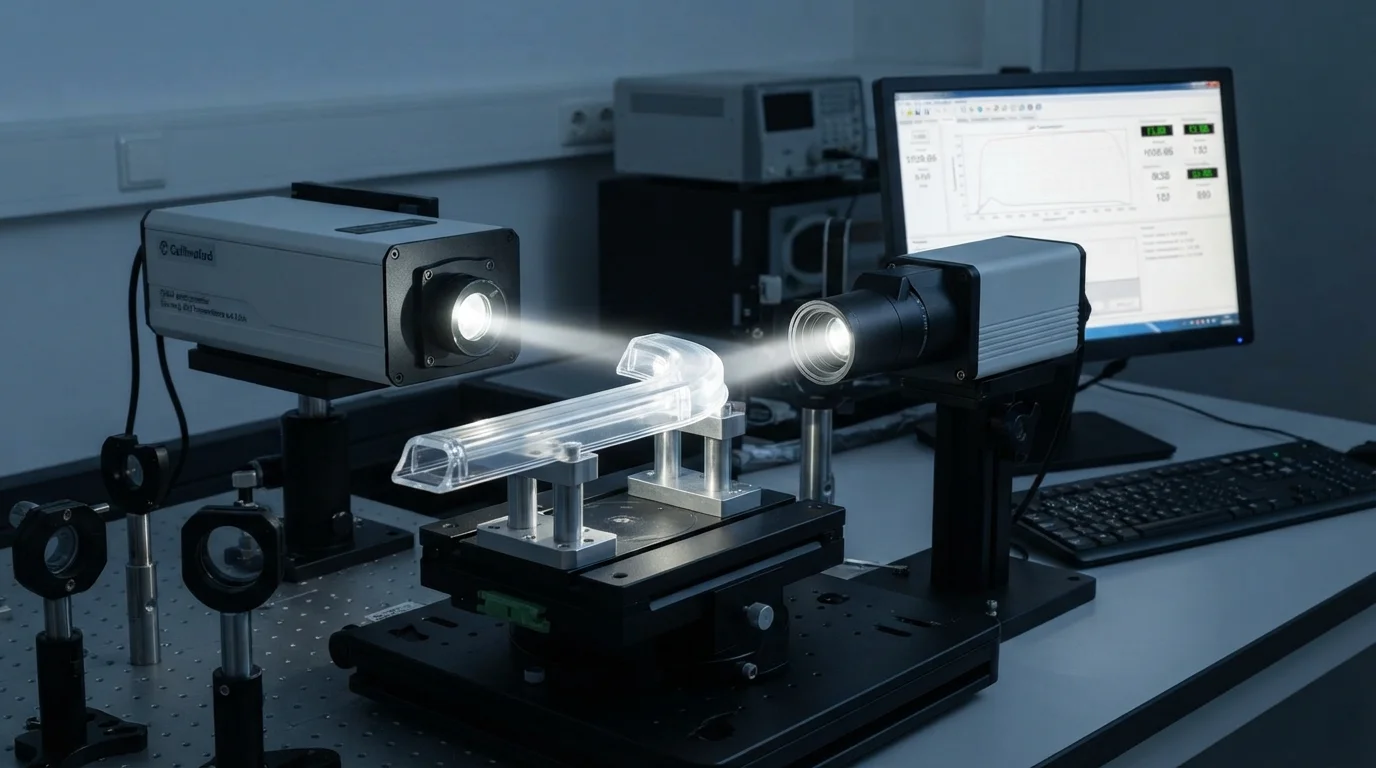
التحكم في الانكسار المزدوج وتقليل الإجهاد المتبقي في PMMA/PC
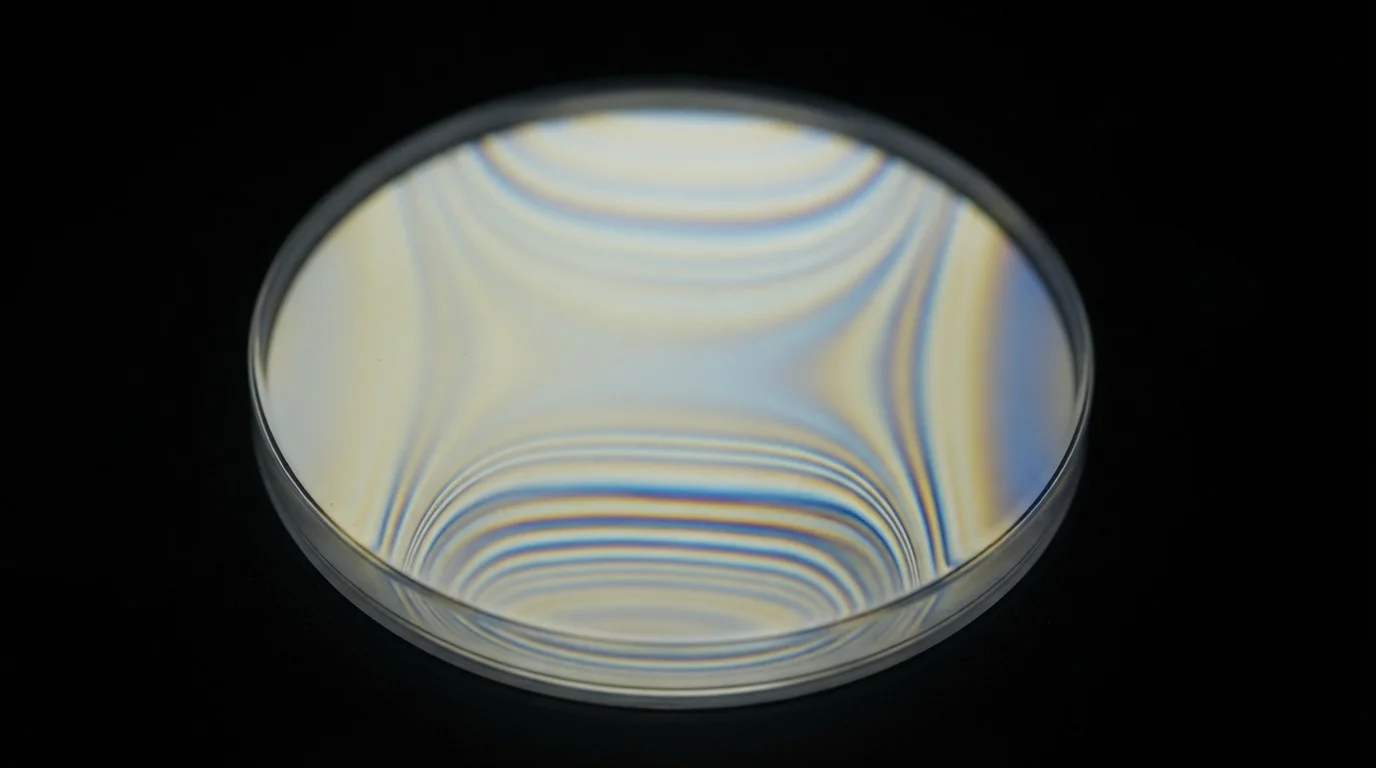
يتطلب التحكم في الاتجاه الجزيئي الداخلي ومنع الإجهادات المتبقية أثناء قولبة البلاستيك البصري الشفاف موازنة درجات حرارة الذوبان ومعدلات تبريد القالب. تحبس ضغوط الحقن العالية والتبريد السريع إجهادات القص داخل مصفوفة البوليمر، مما يخلق تباينات محلية في معامل الانكسار تُعرف بالانكسار المزدوج. يخضع الضوء المستقطب المار عبر عدسة بصرية مجهدة لانكسار مزدوج، مما يضر بالوضوح البصري. يسمح الحفاظ على درجات حرارة عالية للقالب لسلاسل البوليمر بالاسترخاء قبل التصلب، مما يقلل من إجهادات الاتجاه المجمدة. يؤدي إبطاء سرعة الحقن بالقرب من البوابات إلى تقليل إجهادات القص الموضعية، مما يزيل احمرار البوابة والضبابية البصرية.
راتنجات البوليمر عالية النفاذية (PMMA، PC البصري، COC، COP)
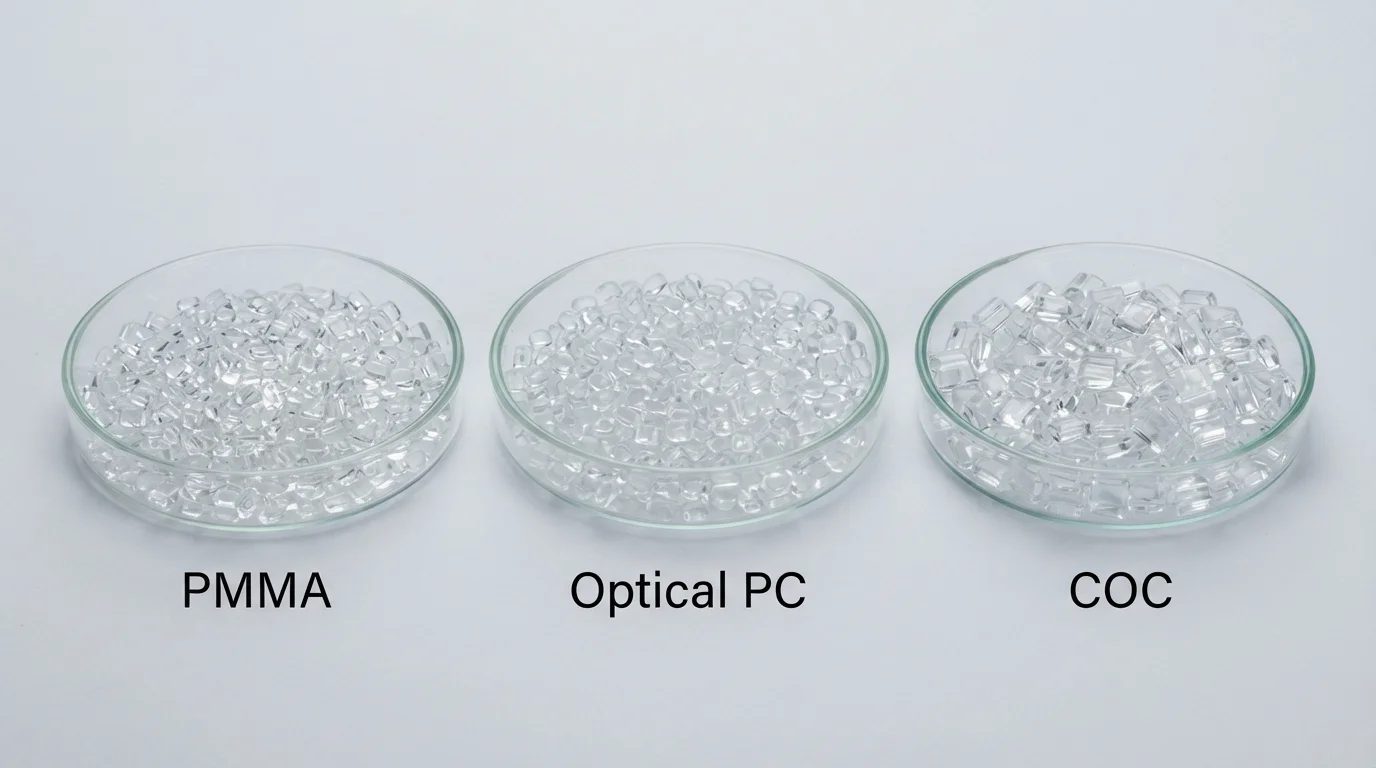
يضمن اختيار الراتنجات المناسبة لقولبة البلاستيك البصري الشفاف أقصى نقل للضوء وتحمل حراري. توفر البوليمرات مثل PMMA (الأكريليك) أكثر من 92% نفاذية ضوء ساطعة، مما يجعلها مثالية لموجهات ضوء السيارات وأغطية الأدوات. يوفر بولي كربونات (PC) البصري درجة مقاومة عالية للصدمات إلى جانب 89% نقل للضوء لأغطية المستشعرات الواقية. تستخدم البصريات التشخيصية المتقدمة كوبوليمر الأوليفين الحلقي (COC) أو بوليمر الأوليفين الحلقي (COP) بسبب قربها من صفر تألق ذاتي ووضوحها الشبيه بالزجاج.
| راتنج البوليمر البصري | نفاذية الضوء (%) | معامل الانكسار | درجة حرارة الانحراف الحراري (°م) | التطبيق البصري الأساسي |
|---|---|---|---|---|
| PMMA (بليكسي جلاس 8N) | > 92% | 1.49 | 95°م | موجهات ضوء السيارات وشاشات HUD |
| بولي كربونات بصري (ماكرولون 2407) | ~ 89% | 1.58 | 125°م | أغطية حساسات واقية وعدسات مصباح أمامي |
| COC (توباس 5013) / COP | > 92% | 1.53 | 130°م | خلايا قياس ميكروفلويدية وعدسات |
قوالب فولاذية مصقولة SPI A-1 وفولاذ S136 مقاوم للصدأ
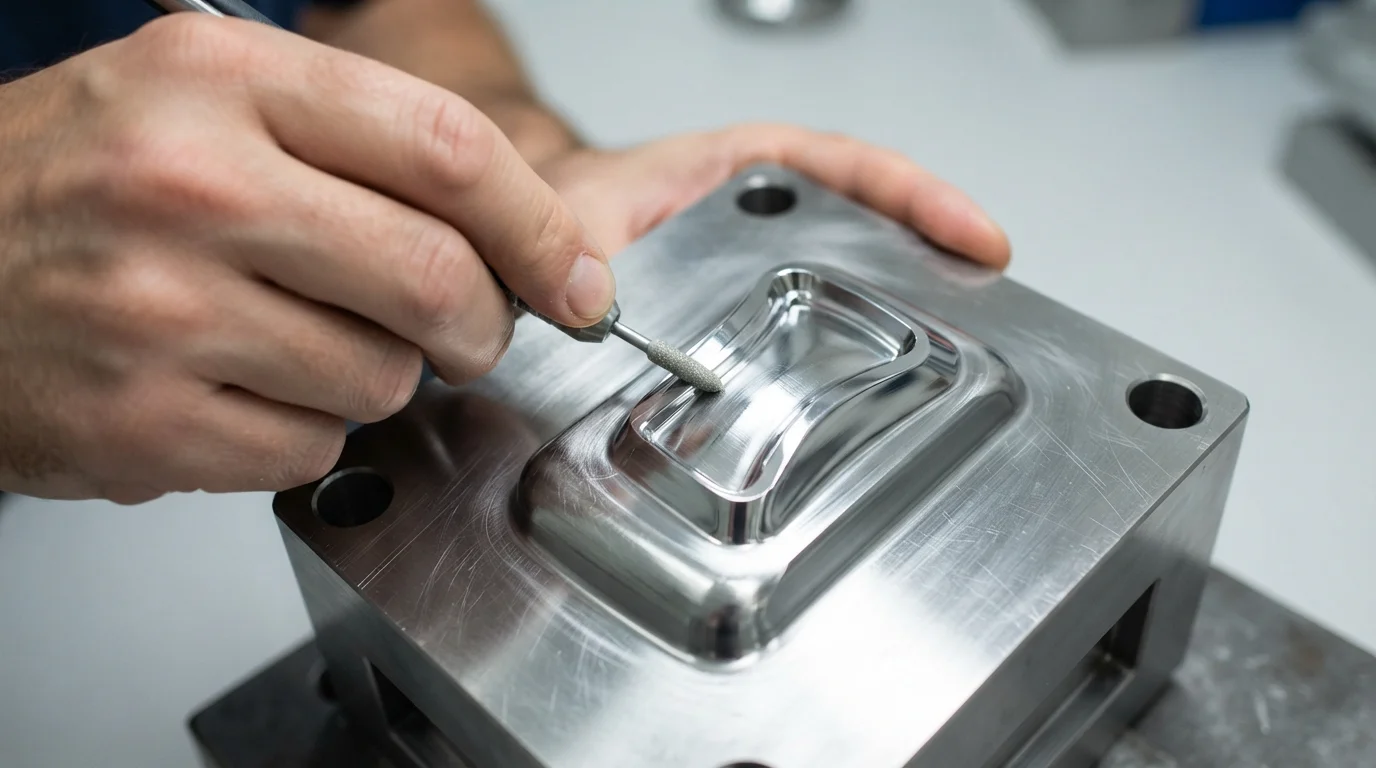
يتطلب تشغيل فولاذ التجويف عالي التلميع لتشكيل البلاستيك الشفاف البصري بروتوكولات صناعة قوالب متخصصة. يجب تشغيل أسطح التجويف من فولاذ ممتاز الفولاذ المقاوم للصدأ S136, heat-treated to HRC 48-52 to resist corrosion and microscopic scratching. Achieving an SPI A-1 mirror polish requires progressive hand-polishing using diamond paste compounds down to 3-micron particle sizes. Mirror-polished tool cavities eliminate surface micro-roughness, ensuring clean mold release without requiring liquid internal lubricants.
Optical toolmaking standards include:
- S136 stainless steel selection—Using high-chrome stainless steel prevents micro-pitting caused by ambient moisture or outgassing.
- Progressive diamond polishing—Lapping cavity surfaces with diamond paste achieves an SPI A-1 optical mirror finish.
- Electro-discharge machining optimization—Fabricating EDM electrodes with fine grain graphite ensures smooth cavity textures prior to hand polishing.
- Conformal cooling channel layout—Configuring water lines close to the optical cavity surfaces maintains uniform mold core temperatures.
Cleanroom Environment to Eliminate Dust and Black Specs
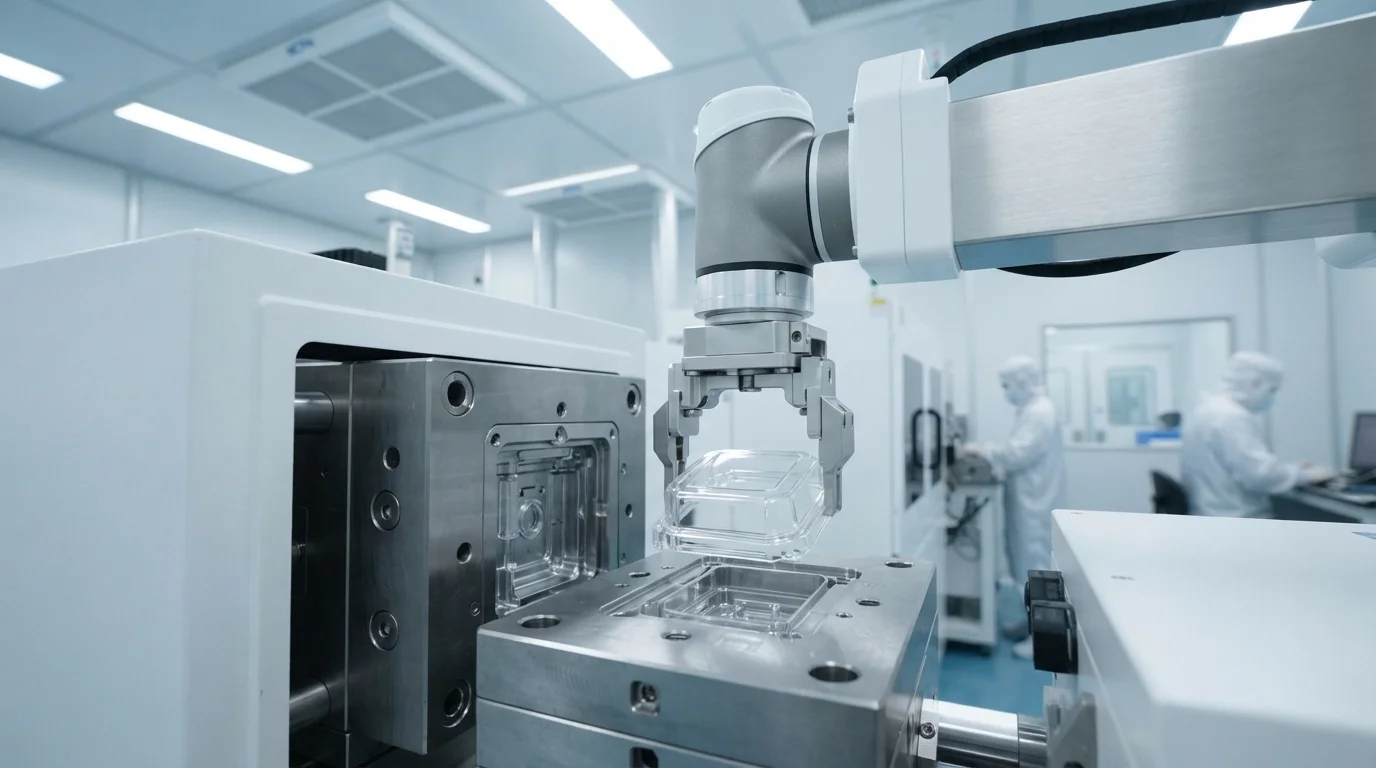
Executing optical clear plastic molding inside particle-controlled environments prevents airborne dust from embedding into hot polymer melt. Single microscopic dust particles landing on a warm lens surface create black specs, causing total optical part rejection. Operating positive-pressure cleanroom molding cells with multi-stage HEPA filtration maintains pristine air quality during plasticization and drop-packaging. Automated three-axis robots handle molded lenses directly, eliminating manual handling risks and skin oil transfers.
الأسئلة الشائعة (FAQs)
What causes birefringence in optical plastic molding?
Birefringence is caused by residual molecular stress trapped inside the polymer during rapid cooling or high shear injection. Raising mold temperatures and optimizing packing pressure profiles allows polymer chains to relax, eliminating double refraction in transparent parts.
What is the difference between SPI A-1 and SPI A-2 mold finishes?
SPI A-1 polish represents the highest optical mirror finish, polished with 3-micron diamond paste on hardened steel. SPI A-2 polish uses 6-micron diamond paste, leaving micro-scratches that are unacceptable for high-transmittance optical lenses.
Why is PMMA preferred over PC for light guide applications?
PMMA provides higher light transmission (92% vs 89%) and lower optical chromatic dispersion than PC. However, PC is chosen when superior impact resistance or higher heat deflection temperatures are mandatory.